Penne al Pomodoro
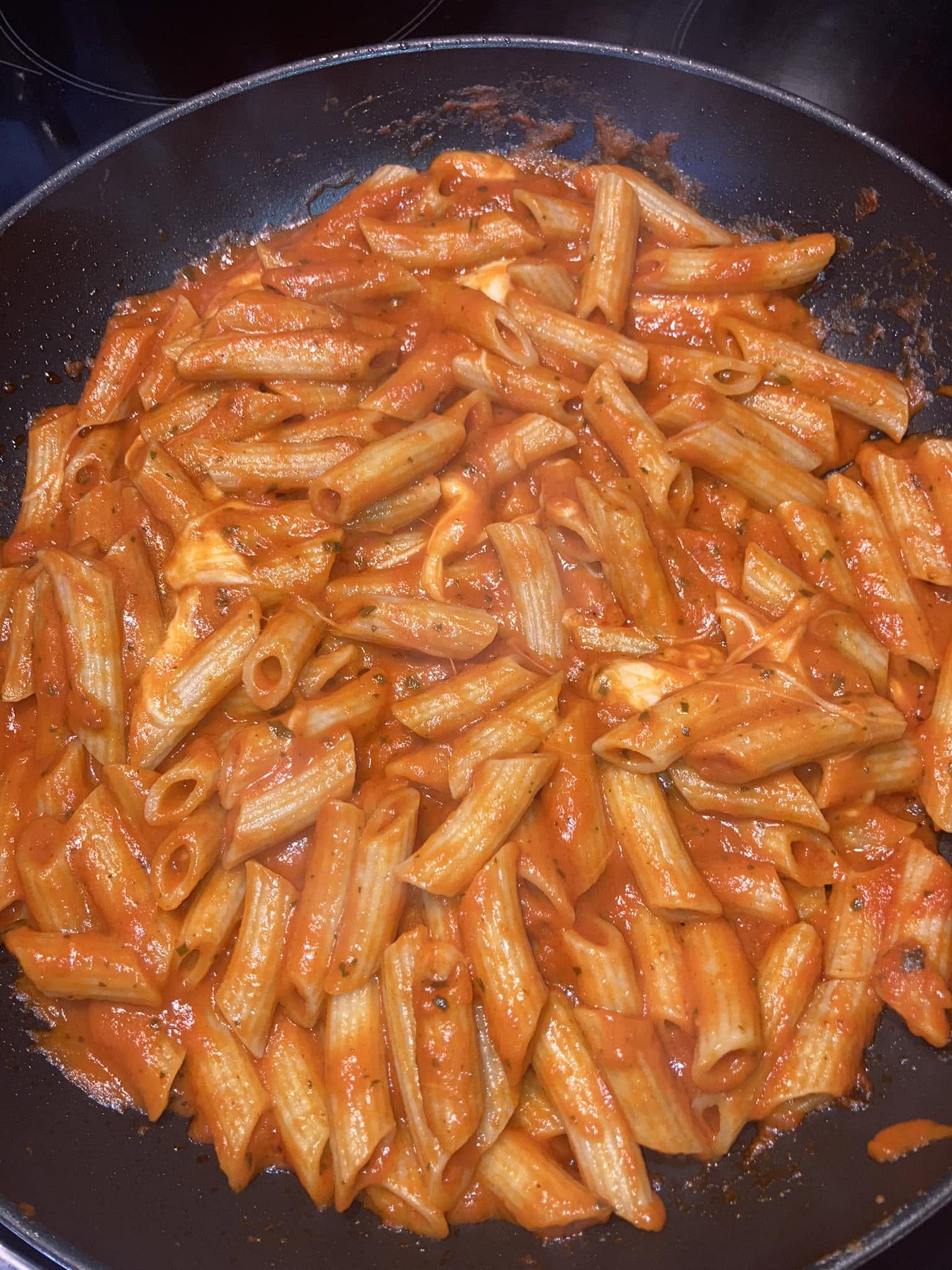
Penne al Pomodoro is a simple Italian pasta dish that proves how a small number of well-chosen ingredients can create remarkable flavor. Al dente penne is coated in a bright tomato sauce made with passata, garlic, extra-virgin olive oil, oregano, parsley, and fresh basil, creating a dish that is fresh, comforting, and deeply satisfying without relying on heavy cream or large amounts of cheese.
The beauty of this recipe lies in balance. Tomato passata supplies natural sweetness and acidity, olive oil gives the sauce richness and body, garlic contributes savory depth, and fresh herbs lift the finished pasta with fragrance and freshness. A small amount of tomato paste intensifies the tomato flavor without making the sauce overly thick.
Finishing the pasta directly in the sauce with a splash of starchy pasta water is especially important. It helps the olive oil, tomato, and starch come together into a smooth sauce that clings to every ridge and hollow of the penne.
Why People Will Love Penne al Pomodoro Recipe
– It uses a short list of simple, familiar ingredients.
– The tomato flavor remains fresh and prominent.
– It is lighter than cream-based pasta dishes.
– Extra-virgin olive oil adds richness without making the pasta heavy.
– Garlic provides savory depth with minimal preparation.
– Tomato paste intensifies the sauce naturally.
– Fresh basil gives the dish a distinctly Italian aroma.
– Parsley adds another layer of freshness.
– Oregano gives the sauce a warm, familiar Mediterranean character.
– Penne holds the tomato sauce extremely well.
– The hollow centers capture sauce inside each piece of pasta.
– Starchy pasta water creates a smoother, more cohesive sauce.
– The recipe can be prepared quickly enough for a weeknight dinner.
– It is naturally meat-free.
– Parmesan can be added or omitted depending on preference.
– The sauce can easily be made spicier with red pepper flakes.
– It works beautifully as either a main course or a side dish.
– The ingredients are inexpensive and widely available.
– Leftover sauce can be used with many other pasta shapes.
– It demonstrates how proper technique can make a very simple pasta taste restaurant-quality.
Key Ingredients
Penne Pasta:
Penne is particularly good with tomato sauce because its ridged exterior and hollow center capture the sauce. Cooking it al dente prevents the pasta from becoming overly soft when it is finished in the skillet.
Tomato Passata:
Passata provides the smooth tomato foundation of the recipe. Because it contains finely puréed tomatoes without large pieces, it creates a silky sauce that coats the penne evenly.
Tomato Paste:
A small amount concentrates the tomato flavor and gives the sauce greater depth and color.
Extra-Virgin Olive Oil:
Olive oil contributes richness, fruitiness, and body. It also carries the flavors of the garlic and herbs throughout the sauce.
Garlic:
Fresh garlic gives the sauce savory complexity. Brief cooking is enough to release its aroma without introducing bitterness.
Fresh Basil:
Basil adds sweetness and fragrance that complement tomatoes naturally. Adding some near the end preserves its fresh character.
Parsley:
Parsley contributes freshness and subtle herbal flavor without overpowering the tomato.
Dried Oregano:
Oregano adds an earthy, slightly peppery note that gives the sauce additional Mediterranean character.
Expert Tips
– Use good-quality tomato passata because tomato is the dominant flavor of the dish.
– Choose bronze-cut or ridged penne when possible because its rougher surface holds sauce particularly well.
– Salt the pasta water before adding the penne.
– Cook the pasta until genuinely al dente because it will continue cooking slightly in the sauce.
– Reserve pasta water before draining; once it is gone, it cannot be recreated exactly.
– Do not rinse cooked pasta, since rinsing removes the starch that helps the sauce adhere.
– Keep the garlic over medium or medium-low heat.
– Garlic should become fragrant, not dark brown.
– Allow the tomato paste and passata to simmer long enough for their raw flavor to mellow.
– Keep the tomato sauce at a gentle simmer rather than a rapid boil.
– Add pasta water gradually rather than pouring in a large amount at once.
– Toss the pasta vigorously enough to emulsify the sauce without damaging the penne.
– If the sauce looks dry, add another splash of pasta water.
– If it looks watery, continue tossing over gentle heat for another minute.
– Add fresh basil close to the end of cooking.
– Tear or slice basil shortly before using it so it stays aromatic.
– Finish with good extra-virgin olive oil if you want a more luxurious flavor.
– Grate Parmesan immediately before serving for the best texture and aroma.
Penne al Pomodoro
Ingredients
For the Pasta
– 14 ounces (400 g) penne pasta
– Salt, for the pasta water
For the Tomato Sauce
– 1–2 tablespoons extra-virgin olive oil
– 2 garlic cloves, finely minced
– 1½ cups (350 g) tomato passata or smooth tomato purée
– 1 tablespoon tomato paste
– 1 teaspoon dried oregano
– 1 tablespoon fresh parsley, finely chopped
– 1 tablespoon fresh basil, chopped
For Serving
– Extra fresh basil, for garnish
– Freshly grated Parmesan cheese, optional
Instructions
Cook the Penne
Bring a large pot of water to a boil and season it generously with salt.
Add the penne and cook until al dente, following the package directions, usually about 8–10 minutes.
Before draining, reserve about 1 cup of the pasta cooking water.
Prepare the Tomato Sauce
While the pasta cooks, heat the olive oil in a large skillet over medium heat.
Add the chopped garlic, dried oregano, parsley, and basil.
Cook briefly until the garlic becomes fragrant, about 30–60 seconds, taking care not to let it brown too much.
Add the Tomatoes
Pour in the tomato passata and stir in the tomato paste.
Mix well until smooth and evenly combined.
Reduce the heat and let the sauce simmer gently for about 8 minutes, allowing the flavors to develop and the sauce to thicken slightly.
Combine the Pasta and Sauce
Drain the cooked penne and transfer it directly to the skillet with the tomato sauce.
Toss gently until every piece of pasta is well coated.
Add a small splash of the reserved pasta water as needed to loosen the sauce and help it cling smoothly to the penne.
Finish and Serve
Stir in a little extra fresh chopped basil.
Taste and adjust the seasoning if needed.
Serve hot, garnished with additional fresh basil and freshly grated Parmesan if desired.
Important Notes When Making Penne al Pomodoro
– Passata and tomato paste are not exactly interchangeable; passata provides the bulk of the sauce while tomato paste provides concentrated flavor.
– In the UK, the term “tomato purée” commonly refers to concentrated tomato paste, whereas in some other countries “tomato purée” can mean a thinner blended tomato product.
– Pasta cooking time varies by brand and thickness.
– Always check texture rather than relying only on the timer.
– Salted pasta water contributes seasoning to both the pasta and the finished sauce.
– Because Parmesan is salty, taste before adding extra salt at the end.
– Fresh basil can darken when exposed to high heat for too long.
– Olive oil should complement the tomatoes rather than dominate them.
– Tomato sauce naturally becomes thicker as it simmers.
– Pasta absorbs sauce as it sits, so Penne al Pomodoro is best served soon after finishing.
– If preparing sauce ahead, keep it separate from the pasta until serving time.
– Optional Parmesan changes the dish from dairy-free to containing dairy.
– The finished sauce should coat the pasta rather than pool heavily at the bottom of the bowl.
– Leftovers may need a small splash of water when reheated.
How to Enjoy Penne al Pomodoro After Cooking
Serve Penne al Pomodoro immediately after tossing the pasta with the sauce. This is when the penne has the best al dente texture and the sauce is at its glossiest.
Spoon the pasta into warm shallow bowls so it stays hot longer.
Add freshly torn basil over the top just before serving for a stronger fresh-herb aroma.
If desired, finish with freshly grated Parmesan or Pecorino Romano. Parmesan gives a milder nutty finish, while Pecorino brings a sharper, saltier character.
A small drizzle of extra-virgin olive oil over the finished pasta can make the tomato sauce taste richer and more aromatic.
Freshly cracked black pepper or a pinch of crushed red pepper flakes can be added for extra warmth.
Serve the pasta with crusty Italian bread or garlic bread to collect any remaining tomato sauce.
For a lighter accompaniment, pair it with a green salad dressed simply with olive oil and lemon.
Roasted zucchini, eggplant, broccoli, or asparagus can also turn it into a more vegetable-focused meal.
If adding protein, grilled chicken, shrimp, meatballs, or Italian sausage can be served alongside without changing the basic pomodoro sauce.
Nutrition Information
Approximate nutrition is based on 4 servings, using 400 g dry penne, about 1½ tablespoons olive oil, the full tomato sauce, and excluding optional Parmesan.
Calories: 425 kcal | Total Fat: 7 g | Saturated Fat: 1.1 g | Monounsaturated Fat: 4.4 g | Polyunsaturated Fat: 1.3 g | Cholesterol: 0 mg | Sodium: 250–450 mg depending on the amount of salt added to the pasta water and sauce | Total Carbohydrates: 77–79 g | Dietary Fiber: 4–5 g | Sugars: 5–7 g | Protein: 13–14 g
Additional estimate:
Potassium: 550–700 mg | Calcium: 45–65 mg | Iron: 3–4 mg | Magnesium: 55–75 mg | Vitamin A: 500–800 IU | Vitamin C: 12–20 mg | Folate: 90–130 mcg | Lycopene: approximately 8–14 mg
Adding Parmesan will increase calories, protein, saturated fat, calcium, cholesterol, and sodium. Exact values also vary according to the pasta and tomato brands used.
Frequently Asked Questions:
What is Penne al Pomodoro?
It is a simple Italian pasta dish in which penne is tossed with a tomato-based sauce flavored with olive oil, garlic, herbs, and often fresh basil.
Is Pomodoro sauce the same as marinara sauce?
They are similar, but pomodoro sauce is typically simpler and more focused on fresh tomato flavor, while marinara can contain additional aromatics and seasonings and may be cooked differently.
Can I serve Penne al Pomodoro without Parmesan?
Yes. The pasta is flavorful on its own, and omitting Parmesan also keeps the basic recipe dairy-free.
What can I serve with Penne al Pomodoro?
A green salad, garlic bread, roasted vegetables, grilled chicken, seafood, or meatballs all pair well with it.
Can I use another pasta shape?
Absolutely. Rigatoni, fusilli, spaghetti, linguine, ziti, or farfalle can all be used, although each shape will hold the sauce slightly differently.
Why should I reserve pasta water?
Pasta water contains starch released from the pasta. Adding a small amount helps the tomato sauce and olive oil emulsify and cling more effectively to the penne.
Why does my tomato sauce taste too acidic?
Some tomatoes are naturally more acidic. Allowing the sauce to simmer longer often helps, and a small additional amount of olive oil can soften the acidity. If necessary, a tiny pinch of sugar can also balance very tart tomatoes.
Why isn’t the sauce sticking to my pasta?
The pasta may have been rinsed, the sauce may be too watery, or the pasta may not have been finished in the sauce. Tossing the penne directly in the skillet with a little starchy pasta water usually solves the problem.
Can I make the tomato sauce ahead of time?
Yes. The sauce can be prepared in advance and refrigerated, then gently reheated while the pasta cooks. Add fresh basil shortly before serving.
How do I prevent the garlic from becoming bitter?
Cook it briefly over moderate heat and add the tomatoes as soon as the garlic becomes fragrant. Garlic that turns dark brown can develop a harsh, bitter flavor.