Homestyle Chicken Noodle Soup
Homestyle Chicken Noodle Soup is the ultimate expression of comfort—simple ingredients transformed into something deeply nourishing and soul-warming.
This recipe goes beyond the ordinary by layering flavors slowly, from roasted garlic’s mellow sweetness to fragrant herbs like sage, thyme, and rosemary that infuse the broth with depth and warmth. Every spoonful feels restorative, rich with tradition and care.
What makes this version truly special is its balance of rustic simplicity and homemade touch. Tender shredded chicken, soft vegetables, and freshly made egg noodles come together in a golden, aromatic broth that feels both hearty and soothing. It’s the kind of dish that not only satisfies hunger but also brings a sense of comfort, making it perfect for quiet evenings, family meals, or anytime you need something truly comforting.
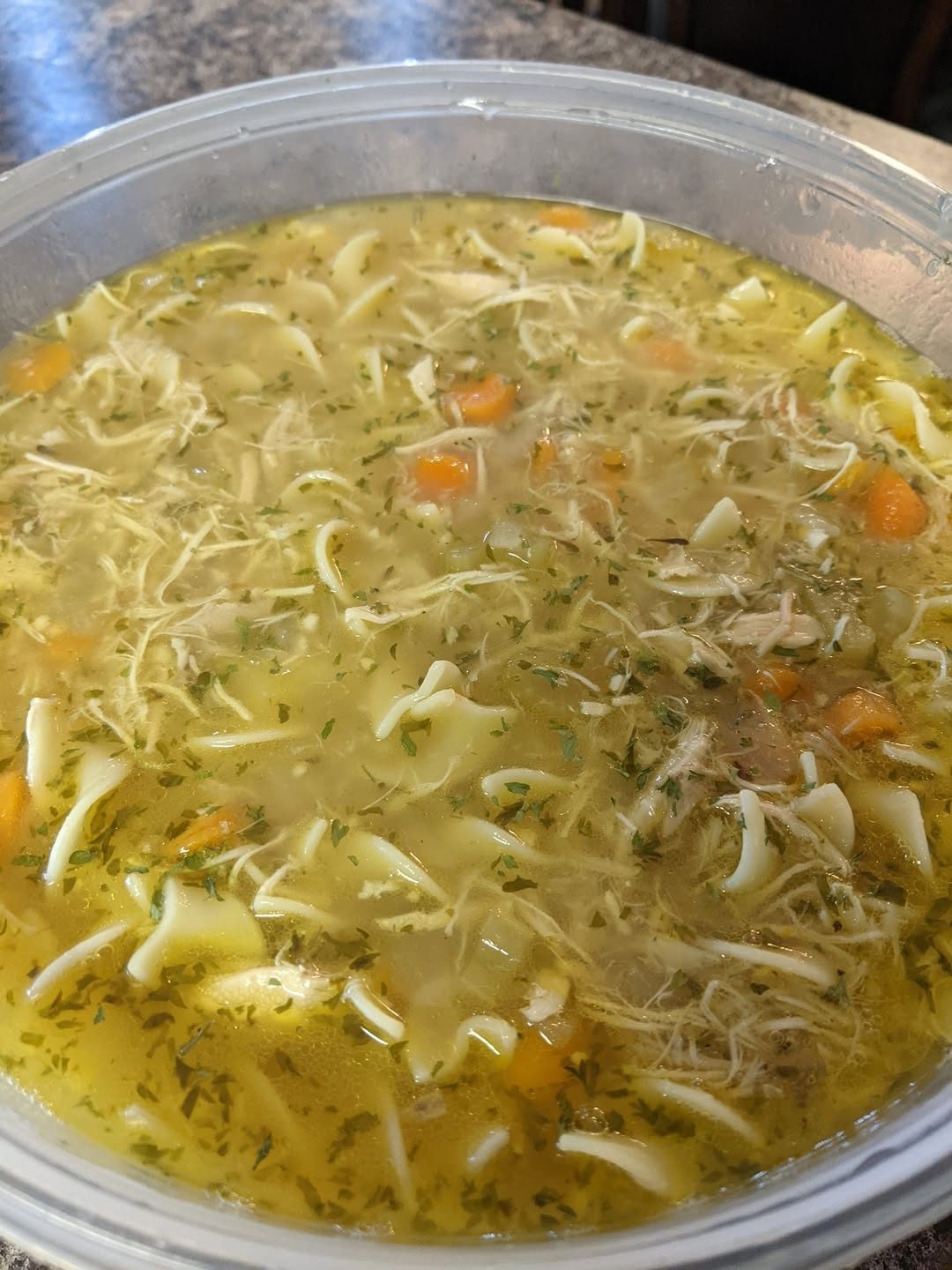
Why You’ll Love This Homestyle Chicken Noodle Soup Recipe:
Deeply Comforting and Nourishing
This soup delivers more than flavor—it provides warmth, comfort, and a sense of care in every spoonful, making it perfect for cold days, recovery meals, or simply when you need something soothing.
Rich, Layered Homemade Flavor
From roasted garlic to fresh herbs like sage, thyme, and rosemary, every component builds depth. The broth tastes slow-cooked and complex, even though the process is straightforward.
Fresh Egg Noodles Elevate the Experience
Homemade noodles add a soft, tender texture that absorbs the broth beautifully, creating a more authentic and satisfying bite compared to store-bought versions.
Perfect Balance of Light and Hearty
The broth is comforting but not heavy, while the chicken, vegetables, and noodles make it filling enough to stand as a complete meal.
Aromatically Inviting
The combination of herbs and roasted garlic fills the kitchen with a warm, savory aroma that instantly makes the dish feel special and homemade.
Wholesome, Real Ingredients
Made from scratch with simple, recognizable ingredients, this recipe feels clean, nourishing, and far more satisfying than processed alternatives.
Customizable to Personal Taste
You can easily adjust the thickness, noodle type, or herb intensity, making it adaptable for different preferences or dietary needs.
Perfect for Any Occasion
Whether it’s a cozy family dinner, a meal for someone feeling under the weather, or a comforting lunch, this soup fits effortlessly into any moment.
Leftovers Taste Even Better
As the flavors continue to develop, the soup becomes richer over time, making the next-day bowl even more delicious.
A True “From Scratch” Satisfaction
The process of roasting garlic and making noodles adds a sense of craftsmanship, giving you a rewarding, homemade result that feels far more special than typical chicken soup.
Key Ingredients:
Roasted Garlic (Sweet, Mellow Depth)
Roasting transforms garlic from sharp and pungent into soft, golden cloves with a rich, slightly sweet flavor. It melts into the broth, adding a deep, almost buttery complexity that elevates the entire soup.
Chicken Breast (Lean, Tender Protein)
Gently simmered in the broth, the chicken becomes juicy and tender, absorbing the herbal flavors. Once shredded, it distributes evenly throughout the soup, ensuring every bite is satisfying.
Celery, Onion & Carrots (The Aromatic Base)
These classic vegetables create the foundation of flavor. Onion adds sweetness, celery brings a subtle earthiness, and carrots contribute a natural sweetness and color that balance the savory broth.
Fresh Herbs: Sage, Thyme & Rosemary (Fragrant Layers)
These herbs give the soup its signature warmth and depth. Sage adds a comforting, slightly earthy note, thyme brings gentle brightness, and rosemary contributes a pine-like aroma that rounds out the flavor.
Chicken Broth (The Soul of the Soup)
The broth is the backbone—rich, savory, and infused with all the ingredients as they cook. A good-quality broth ensures a full-bodied, comforting result.
Butter & Olive Oil (Flavor Carriers)
Butter adds richness and a silky mouthfeel, while olive oil helps balance and carry the flavors of the herbs and vegetables throughout the soup.
Egg Noodles (Hearty Texture & Comfort)
Whether homemade or store-bought, egg noodles absorb the broth beautifully while maintaining a soft, tender bite. Homemade noodles add an extra layer of authenticity and texture.
Salt & Pepper (Essential Balance)
Simple but crucial—these seasonings enhance all the natural flavors, ensuring the soup tastes well-rounded rather than flat.
Expert Tips:
Roast the Garlic Until Truly Soft and Golden
Don’t rush this step. Properly roasted garlic should be buttery-soft and lightly caramelized. Undercooked garlic can taste sharp, while well-roasted garlic melts into the broth and adds deep, mellow sweetness.
Season in Layers, Not Just at the End
Lightly season the vegetables as they sauté, then adjust again after adding broth and herbs. Layered seasoning builds a more complex, well-rounded flavor.
Simmer Gently for Tender Chicken
Avoid a rolling boil once the chicken is added. A gentle simmer keeps the chicken juicy and tender instead of tough or dry.
Shred Chicken While Warm for Best Texture
Remove the chicken as soon as it’s cooked and shred it while still warm. This keeps it moist and allows it to reabsorb flavor when returned to the soup.
Don’t Overcook the Noodles
Add noodles near the end and cook just until tender. Overcooking will make them mushy and can thicken the broth too much.
Use Fresh Herbs When Possible
Fresh sage, thyme, and rosemary provide brighter, more vibrant flavor. If using dried herbs, reduce the quantity slightly to avoid overpowering the soup.
Balance Richness with a Final Taste Adjustment
Before serving, taste and adjust salt and pepper. A small pinch of salt at the end can dramatically enhance the broth.
Let the Soup Rest Briefly Before Serving
Allowing the soup to sit for 5–10 minutes off heat helps the flavors settle and deepen, creating a more cohesive taste.
Control Broth Thickness to Your Preference
If the soup becomes too thick from noodles absorbing liquid, simply add a bit more warm broth to loosen it back to your desired consistency.
Make It Ahead for Even Better Flavor
Like many soups, this one improves over time. Letting it rest overnight allows the flavors to fully meld, creating an even richer and more comforting result the next day.
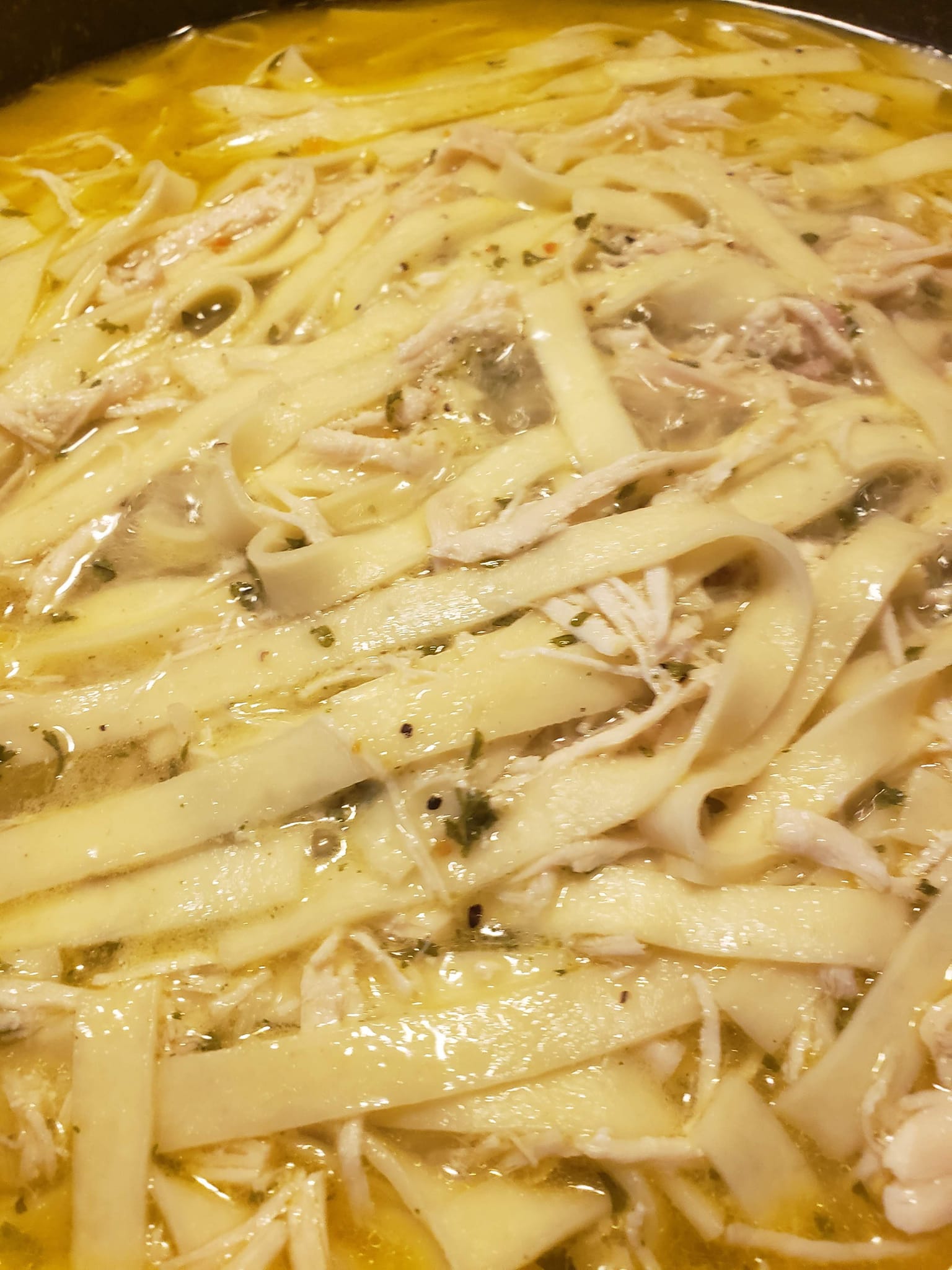
Homestyle Chicken Noodle Soup
Ingredients:
2 tablespoons butter
4 ribs celery, chopped
1 yellow onion, diced
1 head garlic
1/2 tablespoon olive oil
2 chicken breasts
12 cups chicken broth
2 tablespoon fresh sage, or 2 teaspoon dried
2 tablespoon fresh thyme, or 2 teaspoon dried
1 teaspoon fresh rosemary
Salt and pepper
5 cups dry egg noodles
4 carrots, peeled and chopped (optional)
Homemade Egg Noodles
2 large eggs
1/2 teaspoon salt
3 tablespoons water
2 cups all purpose flour
Instructions:
Step 1:
Preheat oven to 425F. Slice the head of garlic in half, horizontally, to expose the garlic cloves.
Place each garlic head in a square piece of parchment paper.
Season with salt and drizzle with a touch of olive oil.
Loosely wrap up the garlic heads and place directly on rack of oven.
Bake for 25-30 minutes, or until garlic cloves are soft (you should be able to easily pierce them with a knife) and golden in color.
Step 2:
Make the egg noodles.
If using packaged noodles, you can skip this step.
On a flat, clean surface, or a large mixing bowl, add flour.
Make a well in the center of the flour mound.
Add egg and water.
Mix to combine the dough, until the dough comes together in a ball.
Knead for 3 minutes until the dough is no longer sticky.
Allow the dough to rest for 10 minutes.
Step 3:
Cut dough ball in half (it’s easier to work with when you cut it in half).
On a floured surface, roll each dough ball into a rectangle that’s roughly ¼ inch thick.
Step 4:
Use a knife or a pizza cutting wheel to cut the noodles into strips.
Then, cut the strips into thirds, horizontally.
Set the noodles aside.
Step 5:
Melt butter over medium heat in a large pot.
Add carrots, celery and onion.
Cook 5 minutes, stirring occasionally to soften the vegetables.
Step 6:
Add in the chicken broth, chicken, sage, parsley and rosemary.
Season with salt and pepper.
Cover and bring to a boil.
Reduce heat to a simmer and simmer 10 minutes, or until chicken reaches an internal temperature of 165F.
Step 7:
Remove the chicken from the pot and place in a shallow bowl or plate.
Add the noodles to the soup.
If you made the fresh egg noodles, boil for 2-3 minutes.
If you used store bought, boil according to package directions until al dente.
Remove from the heat.
Step 8:
Shred the chicken with two forks, then add the chicken back into the soup.
Stir to combine, then serve.
Important Notes When Making This Homestyle Chicken Noodle Soup Recipe:
Broth Quality Defines the Entire Dish
Since this is a broth-based soup, the flavor depends heavily on the quality of your chicken broth. A rich, well-seasoned broth creates depth, while a weak one results in a flat-tasting soup.
Roasted Garlic Changes the Flavor Profile
Unlike raw garlic, roasted garlic adds a mellow, slightly sweet richness. It blends seamlessly into the broth rather than standing out sharply, giving the soup a more refined taste.
Noodles Continue to Absorb Liquid Over Time
After cooking, the noodles will keep soaking up broth, making the soup thicker as it sits. This is normal—just add extra broth when reheating to restore balance.
Chicken Texture Depends on Cooking Method
Overcooking the chicken can make it dry and stringy. Keeping the heat at a gentle simmer ensures tender, juicy meat that blends well with the soup.
Herbs Should Be Balanced, Not Overpowering
Sage, thyme, and rosemary are strong herbs. Too much can dominate the soup, so it’s important to measure carefully and adjust to taste.
Fresh vs. Dried Herbs Impact Flavor Depth
Fresh herbs provide brighter, more aromatic notes, while dried herbs give a deeper, more concentrated flavor. Understanding this helps you control the final taste.
Soup Thickens Naturally as It Rests
Between the noodles and starch release, the broth becomes slightly thicker over time. This creates a heartier texture but may require thinning before serving again.
Best Texture Is Achieved Fresh, but Flavor Improves Later
Freshly made soup has the best noodle texture, but the flavor becomes richer the next day as everything melds together.
Storage Requires Separation for Best Results (Optional Tip)
If making ahead, consider storing noodles separately from the broth. This prevents them from becoming overly soft or bloated.
A Dish That Balances Simplicity and Technique
While the ingredients are simple, small techniques—like roasting garlic, proper simmering, and timing the noodles—make a significant difference in the final result.
How to Enjoy This Homestyle Chicken Noodle Soup After Cooking
Let the Soup Rest Briefly Before Serving
After cooking, allow the soup to sit for about 5–10 minutes. This helps the flavors settle and deepen, creating a more balanced and cohesive taste.
Serve It Hot and Fresh
Chicken noodle soup is best enjoyed warm, when the broth is aromatic and the noodles are tender but not overly soft. This is when the texture and flavor are at their peak.
Stir Before Serving for Even Distribution
Ingredients like noodles and shredded chicken may settle. Give the pot a gentle stir to ensure each bowl has a balanced mix of broth, meat, and vegetables.
Pair with Simple, Complementary Sides
Serve alongside crusty bread, toasted baguette, or crackers. These add a satisfying contrast and can be dipped into the flavorful broth.
Enhance with Fresh Finishing Touches
A sprinkle of fresh herbs, a pinch of black pepper, or even a light squeeze of lemon juice can brighten the soup and add a fresh layer of flavor.
Adjust Consistency to Preference
If the soup has thickened, add a bit of warm broth before serving to reach your desired consistency—especially helpful if it has been sitting for a while.
Enjoy the Layers of Texture
Take note of the contrast: tender chicken, soft noodles, and slightly crisp vegetables all coming together in a rich broth. This balance is what makes the dish satisfying.
Serve in Generous, Comforting Portions
This is a dish meant to feel nourishing and filling. Ladle into deep bowls so each serving includes plenty of broth and ingredients.
Reheat Gently for Leftovers
Warm leftovers over low heat or in the microwave, adding a splash of broth if needed. Avoid boiling, which can overcook the noodles and toughen the chicken.
Enjoy It as Both a Meal and a Remedy
Whether for a cozy dinner or when you’re feeling under the weather, this soup offers both comfort and nourishment—making it more than just a meal.
Nutrition Information:
YIELDS: 8 | SERVING SIZE: 1
Calories: 400 calories | Protein: 25g | Fat: 15g | Saturated Fat: 7g | Trans Fat: 0g | Carbohydrates: 40g | Dietary Fiber: 4g | Sugars: 4g | Cholesterol: 120mg | Sodium: 1000mg | Vitamin D: 1mcg | Calcium: 70mg | Iron: 3mg | Potassium: 450mg
Frequently Asked Questions:
Can I use store-bought egg noodles instead of making homemade ones?
Yes, you can. If you prefer convenience, store-bought egg noodles work well.
Follow the package instructions for boiling.
Can I use chicken thighs instead of chicken breasts?
Absolutely! You can use chicken thighs for a different flavor.
Adjust cooking time as needed.
How long should I bake the garlic heads in Step 1?
Bake for 25-30 minutes or until garlic cloves are soft and golden.
Check by piercing with a knife; they should be easily pierced.
Can I freeze the soup?
Yes, this soup freezes well.
Allow it to cool before transferring to airtight containers, leaving space for expansion.
What’s the purpose of sage, thyme, and rosemary in the soup?
They add aromatic flavors to the broth. If using dried herbs, reduce the quantity by half.
Can I use gluten-free flour for homemade noodles?
Yes, you can substitute gluten-free flour for the homemade noodles, adjusting as needed for consistency.
How do I prevent homemade noodles from sticking?
Ensure the noodles are well-floured during rolling and cutting.
Toss them with extra flour before adding to the soup.
Can I make the soup ahead of time?
Yes, you can make the soup ahead, excluding noodles.
Add noodles just before serving to maintain their texture.
What’s the purpose of baking garlic in parchment paper?
Baking garlic in parchment with salt and oil enhances its flavor and makes it easy to squeeze out for a milder taste.
Can I use a rotisserie chicken for convenience?
Absolutely! Shred the rotisserie chicken and add it during the last step for a time-saving alternative.