Shrimp In A Lemon White Wine Sauce
Shrimp in a Lemon White Wine Sauce is a bright, elegant seafood dish built around tender shrimp, shallots, garlic, butter, olive oil, dry white wine, fresh lemon juice, and parsley. The sauce is light rather than creamy, allowing the natural sweetness of the shrimp to remain at the center of the dish.
The appeal comes from balance. Butter provides richness, olive oil adds a smooth fruity note, white wine contributes acidity and depth, and fresh lemon keeps the sauce lively. Shallot and garlic create the aromatic foundation, while a small amount of red pepper flakes adds warmth without overpowering the seafood.
Despite its restaurant-style appearance, the dish comes together quickly. The finished sauce is especially good with crusty bread, which absorbs the buttery, garlicky, wine-infused juices left at the bottom of the plate.
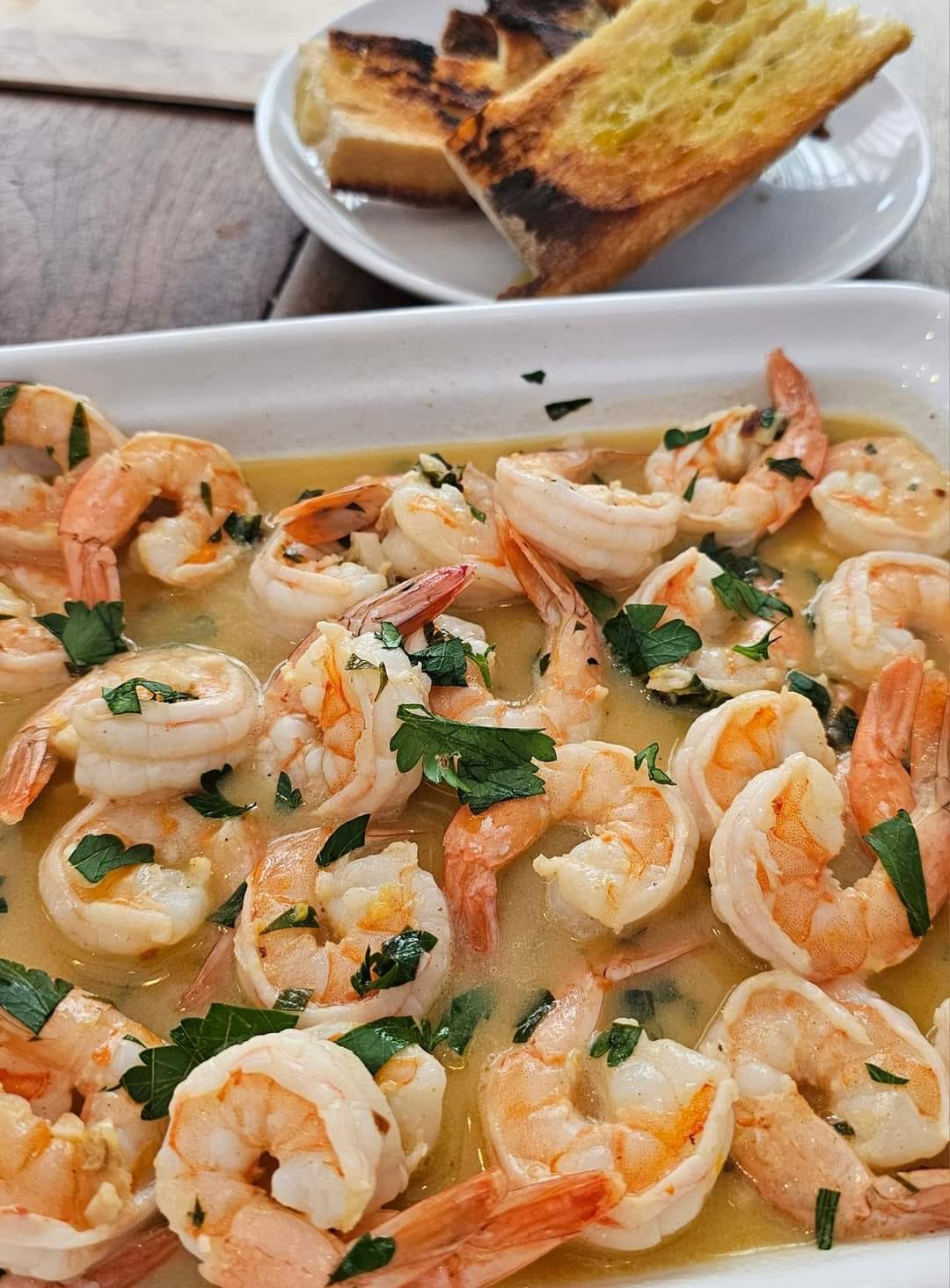
Why People Will Love Shrimp In A Lemon White Wine Sauce Recipe
– Shrimp cooks quickly, making this an excellent fast dinner.
– Butter gives the sauce a rich, silky mouthfeel.
– Olive oil keeps the butter from feeling overly heavy.
– White wine adds complexity without requiring a long cooking time.
– Fresh lemon brightens the entire dish.
– Shallot has a gentler sweetness than regular onion.
– Garlic adds a warm savory flavor that pairs naturally with shrimp.
– Red pepper flakes provide gentle heat.
– Parsley gives the finished dish freshness and color.
– The sauce is flavorful without relying on cream.
– The shrimp remains the dominant ingredient rather than being hidden under a heavy sauce.
– It can be served as an appetizer or main course.
– Crusty bread turns the sauce into part of the meal rather than something left behind.
– It pairs beautifully with pasta, rice, or vegetables.
– The heat level is easy to adjust.
– The recipe requires only one skillet.
– Most of the ingredients are pantry staples.
– It feels elegant enough for entertaining.
– It can be prepared in well under 30 minutes.
– The combination of garlic, butter, wine, and lemon has broad appeal.
Key Ingredients
Shrimp:
Shrimp is naturally sweet and delicate, so it benefits from quick cooking and simple seasonings. Medium or large shrimp both work well, although cooking times should be adjusted for size.
Dry White Wine:
White wine adds acidity, fruitiness, and depth. A dry wine such as Sauvignon Blanc, Pinot Grigio, or an unoaked Chardonnay works especially well.
Fresh Lemon Juice:
Lemon provides the fresh acidity that balances the butter and brings out the sweetness of the shrimp.
Butter:
Unsalted butter gives the sauce body and richness while allowing you to control the final amount of salt.
Extra-Virgin Olive Oil:
Olive oil adds another layer of richness and helps create a smooth base for sautéing the aromatics.
Shallot:
Shallot provides mild sweetness and delicate onion flavor without overwhelming the shrimp.
Garlic:
Fresh garlic supplies savory depth and becomes especially aromatic when cooked briefly in butter and olive oil.
Red Pepper Flakes:
A small amount creates background warmth. They can easily be increased for a spicier version.
Fresh Parsley:
Parsley adds freshness at the very end and contrasts with the richer flavors in the sauce.
Expert Tips
– Use peeled and deveined shrimp for easier preparation.
– Leave the tails on for presentation or remove them for easier eating.
– Pat the shrimp very dry before cooking.
– Wet shrimp release excess water and can dilute the sauce.
– Do not overcook the shallots or garlic.
– Garlic should become fragrant, not deeply browned.
– Use a dry white wine rather than a sweet wine.
– Choose a wine that you would also be willing to drink.
– Let the wine simmer for a few minutes so the raw alcohol aroma softens.
– Add the shrimp only after the wine has reduced slightly.
– Arrange the shrimp in an even layer if your skillet is large enough.
– Cook only until the shrimp become opaque and curl into a loose “C” shape.
– Avoid cooking them until they form a very tight “O,” which often indicates overcooking.
– Medium shrimp usually need only about 2–4 minutes total, depending on size and skillet temperature.
– Shrimp are safely cooked at about 145°F / 63°C.
– Add fresh lemon juice near the end to preserve its brightness.
– Taste before adding additional salt because shrimp naturally contain some sodium.
– Add parsley immediately before serving.
– Serve the dish right away because shrimp continue cooking in the hot sauce.
Shrimp In A Lemon White Wine Sauce
Ingredients
1 pound medium shrimp
1 tablespoon olive oil
2 tablespoons unsalted butter
1 medium shallot, minced
3 garlic cloves, minced
¼ teaspoon red pepper flakes
⅓ cup white wine
¼ teaspoon salt
⅛ teaspoon ground black pepper sub with white pepper
1 Tablespoon fresh lemon juice
2 Tablespoons minced parsley for garnish
Serving
Crusty bread like ciabatta or baguette
Instructions
Rinse the shrimp and pat dry with paper towels.
Heat a skillet on medium-high heat then add the olive oil and butter. Once the butter melts, add the minced shallots and garlic. Stir well and let it cook for about a minute or two while stirring occasionally until fragrant and golden brown.
Add the white wine and red pepper flakes. Bring to a simmer for 2 to 3 minutes.
Add the shrimp, salt and pepper. Stir well to combine and bring to a simmer for about 5 minutes until the shrimp turn pink.
Add in the lemon juice, then taste and adjust the seasoning as needed. I add in a little pinch of salt at this stage.
Garnish with minced parsley and serve warm with crusty bread.
Important Notes When Making Shrimp In A Lemon White Wine Sauce
– Shrimp can become tough and rubbery very quickly if overcooked.
– The original 5-minute simmer may be longer than necessary for medium shrimp, so monitor their appearance and temperature rather than relying only on time.
– Use unsalted butter if possible for better control over seasoning.
– White wine should simmer before the shrimp are added.
– The alcohol content decreases during cooking, but it may not disappear completely.
– If avoiding alcohol entirely, substitute seafood broth or chicken broth with a little extra lemon juice.
– Do not use cooking wine if possible because it is often excessively salty.
– Add lemon after most of the cooking is complete.
– High heat can dull fresh lemon flavor.
– Do not let the garlic burn because burned garlic will make the entire sauce bitter.
– Red pepper flakes become stronger as they sit in the sauce.
– Crusty bread can add substantial calories and sodium, so it is not included in the nutrition estimate below.
– If using frozen shrimp, thaw completely before cooking.
– Pat thawed shrimp thoroughly dry.
– Serve immediately for the best texture.
How to Enjoy Shrimp In A Lemon White Wine Sauce After Cooking
Serve the shrimp while they are still hot and tender, ideally immediately after adding the lemon and parsley.
Spoon plenty of the lemon-white-wine sauce over each serving. The sauce is one of the highlights of the dish and should not be left behind in the skillet.
Serve with thick slices of toasted ciabatta or baguette for dipping into the garlic-butter sauce.
For a more substantial meal, spoon the shrimp and sauce over linguine, spaghetti, angel hair, or another delicate pasta.
Steamed rice is another excellent option because it absorbs the sauce without competing with the seafood.
For a lighter plate, serve with asparagus, zucchini, green beans, or sautéed spinach.
A simple green salad with lemon vinaigrette gives the meal a refreshing contrast.
Freshly grated lemon zest can be added just before serving for even more citrus aroma.
If you enjoy heat, sprinkle a few additional red pepper flakes over the finished dish.
A final drizzle of good olive oil can add richness, but only a small amount is needed because the sauce already contains butter and oil.
Nutrition Information
Approximate nutrition is based on 4 servings, using 1 pound of shrimp and all of the sauce, but excluding bread or other side dishes.
Calories: 230 kcal | Total Fat: 10 g | Saturated Fat: 4 g | Monounsaturated Fat: 4 g | Polyunsaturated Fat: 1 g | Cholesterol: 190–220 mg | Sodium: 500–650 mg depending on the shrimp and added salt | Total Carbohydrates: 4–5 g | Dietary Fiber: 0.4 g | Sugars: 1.5 g | Protein: 23–25 g
Additional estimate:
Potassium: 300–400 mg | Calcium: 90–120 mg | Iron: 1–2 mg | Magnesium: 35–50 mg | Vitamin C: 8–12 mg | Vitamin B12: 1.5–2.5 mcg | Selenium: 35–50 mcg | Phosphorus: 220–300 mg
The largest variables are the natural sodium content of the shrimp, how much butter-and-oil sauce is consumed, and whether bread or pasta is served alongside.
Frequently Asked Questions:
What does Shrimp in Lemon White Wine Sauce taste like?
It is buttery, garlicky, bright, slightly tangy, and gently spicy, with the natural sweetness of shrimp remaining prominent.
What white wine works best?
A dry Sauvignon Blanc, Pinot Grigio, or unoaked Chardonnay works well. Avoid very sweet wines.
Can I make this recipe without wine?
Yes. Substitute chicken broth, seafood broth, or vegetable broth and add a little extra lemon juice for acidity.
What should I serve with the shrimp?
Crusty bread, linguine, rice, mashed potatoes, asparagus, sautéed greens, or a simple salad are all excellent choices.
Is this similar to shrimp scampi?
Yes, it has many of the same flavors—shrimp, butter, garlic, wine, lemon, and parsley—although exact scampi recipes vary considerably.
Why did my shrimp turn rubbery?
They were most likely overcooked. Shrimp cook very quickly, so remove them from the heat as soon as they are opaque and reach about 145°F / 63°C.
Why is my sauce watery?
The wine may not have reduced enough, or the shrimp may have released excess moisture. Pat the shrimp dry and let the wine simmer for a few minutes before adding them.
Why does my sauce taste bitter?
The garlic may have browned too much. Cook garlic only briefly until fragrant before adding the wine.
Can I use frozen shrimp?
Yes. Thaw them completely, drain well, and pat them thoroughly dry before cooking.
Can I prepare this dish ahead of time?
The aromatics and wine sauce can be partially prepared ahead, but the shrimp should be cooked just before serving. Reheating fully cooked shrimp for too long can make them tough.