Island Pecan Pie
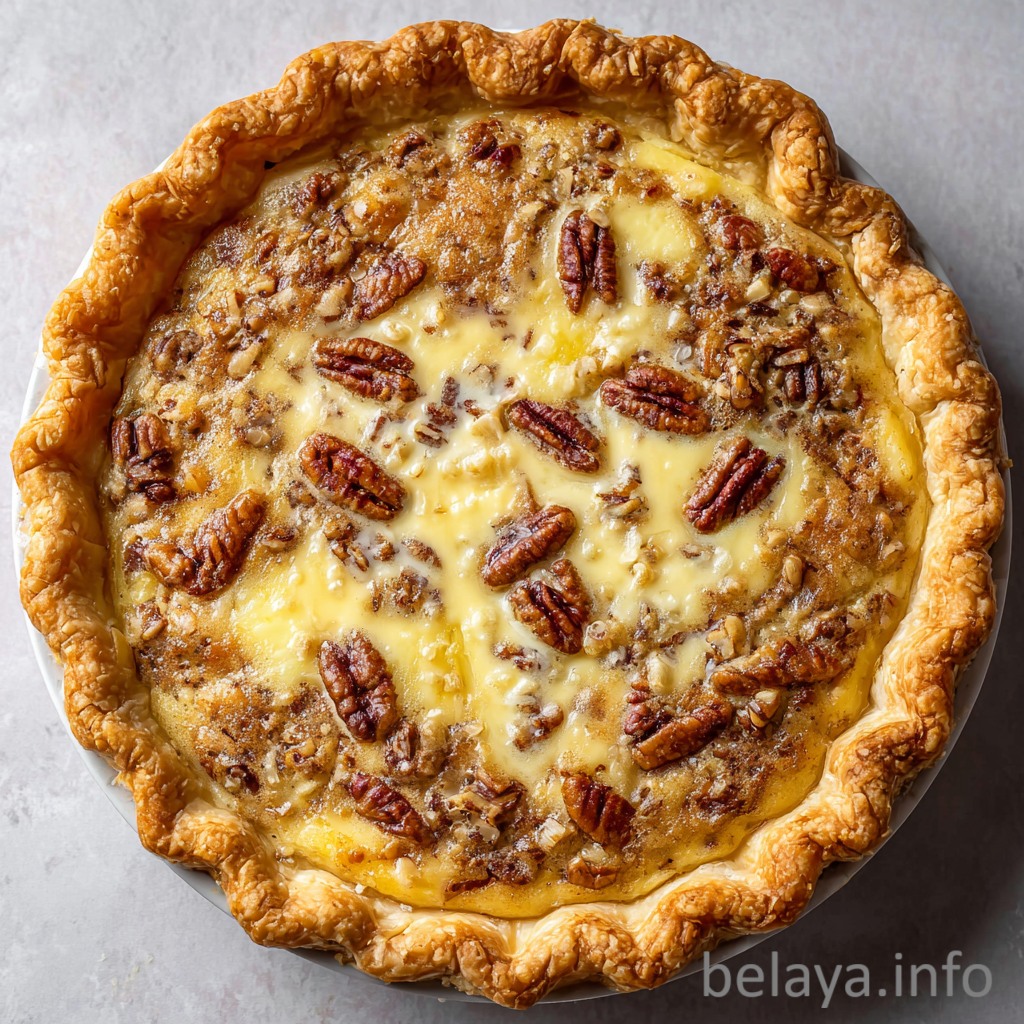
Island Pecan Pie is a tropical twist on a classic Southern dessert, bringing together the rich, buttery depth of traditional pecan pie with bright, sunny flavors from pineapple and coconut.
The result is a dessert that feels both familiar and refreshingly different—sweet, nutty, and layered with subtle hints of tropical warmth. Each bite offers a unique balance of textures, from the soft, custard-like filling to the slight crunch of pecans and the delicate chew of coconut.
What makes this pie truly special is how it transforms a beloved classic into something more vibrant and dynamic. The addition of pineapple adds a gentle sweetness and moisture, while coconut introduces a light, fragrant note that complements the richness of the butter and eggs. It’s the kind of dessert that feels indulgent yet lively, perfect for holidays, gatherings, or any occasion when you want a traditional favorite with a creative, island-inspired twist.
Why People Will Love This Island Pecan Pie Recipe:
A tropical twist on a classic favorite
This recipe takes the familiar richness of traditional pecan pie and elevates it with pineapple and coconut. The result is a dessert that feels both nostalgic and excitingly different.
Perfect balance of richness and brightness
The buttery, custard-like filling is balanced by the natural sweetness and slight tang of pineapple. This contrast prevents the pie from feeling overly heavy and gives it a more refreshing finish.
Layered textures in every bite
You get a beautiful combination of textures—crunchy pecans, soft and creamy filling, chewy coconut, and a tender crust. Each bite feels dynamic and satisfying.
Deep, indulgent flavor with subtle complexity
The combination of butter, eggs, sugar, nuts, and tropical ingredients creates a multi-layered flavor profile. It’s sweet, nutty, slightly fruity, and aromatic all at once.
A crowd-pleasing dessert for any occasion
This pie stands out on a dessert table. It’s familiar enough for those who love classic pecan pie, but unique enough to impress guests looking for something new.
Perfect for holidays and special gatherings
Its rich, celebratory nature makes it ideal for holidays like Thanksgiving, Christmas, or summer gatherings where a standout dessert is appreciated.
Easy to make with simple ingredients
Despite its complex flavor, the recipe uses straightforward ingredients and simple steps, making it accessible even for home bakers.
Customizable with toppings and presentation
You can enhance it with whipped cream, toasted coconut, or even a drizzle of caramel, allowing you to tailor the final presentation and flavor to your liking.
A dessert that feels both comforting and refreshing
It delivers the warmth and comfort of a traditional pie while adding a light, tropical note that keeps it from feeling too dense.
Even better after resting
As the pie cools, the flavors settle and deepen, making it even more delicious when served after it has had time to set properly.
Key Ingredients:
Pecans
Pecans are the heart of this pie, providing a rich, buttery flavor and a satisfying crunch. As they bake, they toast slightly, enhancing their natural nuttiness and adding depth to the overall filling.
Crushed Pineapple (Well-Drained)
Pineapple introduces a subtle tropical sweetness and a hint of natural acidity that balances the richness of the pie. Properly draining it is crucial to avoid excess moisture, ensuring the filling sets correctly.
Shredded Coconut
Coconut adds a delicate chew and a light, fragrant sweetness. It complements both the pecans and pineapple, reinforcing the “island” character of the dessert.
Eggs
Eggs act as the structural base of the filling, creating a custard-like texture as they bake. They bind all the ingredients together and give the pie its smooth, sliceable consistency.
Granulated Sugar
Sugar provides the primary sweetness and helps form the glossy, slightly caramelized filling that is characteristic of pecan pies.
Unsalted Butter
Melted butter enriches the filling with a deep, creamy flavor and contributes to the silky texture. It also enhances the nuttiness of the pecans and coconut.
Cornstarch and Flour
These ingredients work together to stabilize and thicken the filling, ensuring it sets properly without becoming too dense or runny.
Salt
A small amount of salt is essential to balance the sweetness and highlight the flavors of the nuts, butter, and tropical ingredients.
Pie Crust
The crust provides structure and a slightly crisp, flaky base that contrasts with the soft filling. It holds everything together and adds a classic, comforting element to the dessert.
Expert Tips:
Drain the pineapple thoroughly—this is critical
Excess moisture from pineapple can prevent the pie from setting properly. After draining, gently press the pineapple with paper towels to remove as much liquid as possible without drying it out completely.
Use room temperature eggs for a smoother filling
Room temperature eggs blend more easily with the sugar and butter, creating a uniform custard base. This helps avoid streaks or uneven texture in the final pie.
Do not overmix after adding eggs
Mix just until combined. Overmixing can incorporate too much air, which may cause the filling to puff up during baking and then collapse unevenly as it cools.
Toast the pecans and coconut for deeper flavor
Lightly toasting pecans and coconut before adding them enhances their natural oils and intensifies their flavor, giving the pie a richer and more complex taste.
Use a low baking temperature for even cooking
Baking at 300°F (150°C) allows the custard to set slowly and evenly, preventing the edges from overcooking while the center remains underdone.
Watch for the “just set” center
The pie is done when the edges are firm and the center has a slight jiggle, similar to a custard. It will continue to set as it cools, so avoid overbaking.
Cover with foil at the right time
If the top or crust starts to brown too quickly, loosely tent the pie with foil. This protects it from burning while allowing the center to finish cooking.
Let the pie cool completely before slicing
Cooling allows the filling to fully set, giving you clean, well-defined slices. Cutting too early can cause the filling to appear runny.
Use a sturdy pie crust to support the filling
Because the filling is rich and slightly heavy, a well-structured crust helps hold everything together. Blind baking lightly can also help prevent a soggy bottom.
Balance sweetness if needed
If you prefer a less sweet pie, you can slightly reduce the sugar or add a pinch more salt to enhance contrast and bring out the other flavors.
Enhance with finishing touches
Garnish with whipped cream, toasted coconut, or extra pecans just before serving. These add texture, visual appeal, and a final layer of flavor.
Store properly for best flavor development
This pie often tastes even better the next day as the flavors meld. Store it covered in the refrigerator and bring to room temperature before serving for the best texture.
Island Pecan Pie
Ingredients
1 pie crust (homemade or store-bought)
1 3/4 c sugar
1 c pecans, roughly chopped
1 c crushed pineapple, drained
1 c shredded coconut
1/2 c (1 stick) unsalted butter, melted
5 eggs, room temperature
1 tbsp cornstarch
1 tbsp all-purpose flour
1/4 tsp salt
Instructions
Set your temperature to 300°F (150°C).
In a bowl whisk together 1 3/4 cups of sugar 1 tablespoon of cornstarch 1 tablespoon of flour and 1/4 teaspoon of salt.
Beat in 5 eggs at room temperature and 1/2 cup of melted butter until thoroughly combined.
Carefully fold in 1 cup of chopped pecans, 1 cup of drained crushed pineapple and 1 cup of shredded coconut, into the mixture.
Place your pie crust into a baking dish.
Pour the mixture over the crust. Create crimps along the edges for a touch.
Put the pie in your oven and bake for 55 minutes.
Cover the pie with aluminum foil. Continue baking for 15 to 20 minutes until its center is just set.
Remove the pie from the oven and let it cool. For added flavor garnish, with whipped cream and toasted coconut before serving.
Enjoy your delicious Island Pecan Pie!
Important Notes When Making Island Pecan Pie
Moisture control is essential for proper texture
The addition of pineapple introduces extra liquid, which can affect how the pie sets. Always drain and lightly press the pineapple to remove excess juice, or the filling may turn too soft or slightly runny.
This is a custard-based pie, not a syrup-based one
Unlike traditional pecan pie that relies heavily on corn syrup, this version behaves more like a custard. That means it requires gentle baking and proper cooling to achieve a smooth, firm texture.
Low and slow baking ensures even setting
Baking at a lower temperature allows the filling to cook evenly from edge to center. Higher temperatures can cause the edges to overcook while the center remains underdone.
The center should not be fully firm in the oven
When done, the center should still have a slight jiggle. It will continue to set as the pie cools. Overbaking can lead to a dry or rubbery texture.
Cooling time is not optional
This pie needs sufficient time to cool—at least 2–3 hours—to fully set. Cutting too soon will result in a loose filling and messy slices.
Flavor balance is key to avoid excessive sweetness
With sugar, coconut, and pineapple, the pie can become quite sweet. The small amount of salt is crucial to balance flavors and enhance the nutty and buttery notes.
The crust must support a rich filling
Because the filling is dense and moist, a sturdy pie crust is important. Consider partially pre-baking (blind baking) the crust to help prevent sogginess.
Natural variation in texture is expected
Due to the mix of ingredients—nuts, coconut, and fruit—the texture will not be completely smooth. This variation is part of the pie’s character and adds to its appeal.
Storage affects texture and flavor
This pie keeps well in the refrigerator and often tastes even better the next day as the flavors meld. However, it should be brought closer to room temperature before serving for the best consistency.
A rustic yet refined dessert
While the recipe is simple, the combination of tropical and classic elements creates a dessert that feels both homemade and elevated. Slight imperfections in appearance are normal and part of its charm.
How to Enjoy Island Pecan Pie After Cooking
Allow the pie to cool completely before serving
Once out of the oven, let the pie cool at room temperature for at least 2–3 hours. This step is essential for the custard filling to fully set, ensuring clean slices and the perfect texture.
Chill lightly for cleaner slices (optional)
For even neater presentation, you can refrigerate the pie for about 1 hour after it has cooled. This firms up the filling slightly without making it too dense.
Bring to room temperature before serving
If chilled, allow the pie to sit at room temperature for 20–30 minutes before serving. This helps restore its creamy texture and enhances the flavor of the butter, pecans, and coconut.
Slice with a sharp knife for clean presentation
Use a sharp knife and wipe it between cuts to achieve neat, well-defined slices. This is especially helpful for a custard-style pie.
Add finishing touches for enhanced flavor
Elevate each serving with:
- Whipped cream for lightness and contrast
- Toasted coconut flakes for added texture and aroma
- Extra pecans for crunch
- A light drizzle of caramel sauce for extra indulgence
Pair with complementary beverages
This pie pairs beautifully with:
- Coffee or espresso to balance sweetness
- Black tea for a subtle, clean contrast
- A glass of milk for a classic, comforting pairing
Enjoy the balance of textures and flavors
Take time to appreciate the combination of:
- Buttery, flaky crust
- Creamy, custard-like filling
- Crunchy pecans
- Chewy coconut
- Bright, tropical pineapple notes
Serve as a standout dessert centerpiece
This pie works well as the highlight of a meal, especially during holidays or gatherings. Its unique flavor profile makes it memorable and conversation-worthy.
Store leftovers properly for best quality
Cover and refrigerate any leftovers for up to 3–4 days. The flavors often deepen over time, making the pie even more enjoyable the next day.
Repurpose leftovers creatively
Leftover slices can be:
- Crumbled over vanilla ice cream
- Served as part of a dessert platter
- Slightly warmed and topped with cream for a new experience
Nutrition Information:
Yields: 8 slices (1 standard 9-inch pie)
This recipe typically makes one 9-inch pie, which can be sliced into about 8 servings.
Calories: 420–480 kcal | Total Fat: 22–26 g | Saturated Fat: 9–11 g | Monounsaturated Fat: 8–10 g | Polyunsaturated Fat: 3–4 g | Cholesterol: 110–140 mg | Sodium: 180–260 mg (depending on crust and added salt) | Total Carbohydrates: 50–58 g | Dietary Fiber: 2–3 g | Sugars: 36–42 g | Protein: 5–7 g
Frequently Asked Questions:
How is Island Pecan Pie different from traditional pecan pie?
Island Pecan Pie includes crushed pineapple and shredded coconut, which add a tropical flavor, extra moisture, and a more complex texture compared to the classic, more syrup-heavy pecan pie.
Can I use fresh pineapple instead of canned?
Yes, but it must be finely chopped and very well drained. Fresh pineapple contains more natural juices, so removing excess moisture is crucial to ensure the pie sets properly.
Do I need to toast the pecans and coconut first?
It’s optional, but highly recommended. Toasting enhances their natural flavor, making the pie richer and more aromatic.
How do I know when the pie is fully baked?
The edges should be set, and the center should have a slight jiggle when gently shaken. It will continue to firm up as it cools.
Can this pie be made ahead of time?
Yes, this pie is ideal for making ahead. It can be prepared a day in advance, and the flavors often improve after resting, making it perfect for holidays or gatherings.
Why is my pie filling too runny after baking?
This usually happens if the pineapple wasn’t drained well enough or the pie was underbaked. Make sure to remove excess moisture from the pineapple and bake until the center is just set. Also, allow enough cooling time so the custard can fully firm up.
How can I prevent the crust from becoming soggy?
You can lightly pre-bake (blind bake) the crust for 8–10 minutes before adding the filling. This creates a barrier and helps the crust stay crisp despite the moist filling.
What’s the best way to mix the filling for a smooth texture?
Whisk the sugar and dry ingredients first, then add the eggs and melted butter gradually. Mix just until combined—avoid overmixing, as it can introduce too much air and affect the final texture.
How do I keep the top from over-browning?
If the top or crust begins to brown too quickly, loosely cover the pie with aluminum foil during the last part of baking. This protects it while allowing the center to finish cooking.
Can I adjust the sweetness of the pie?
Yes, you can slightly reduce the sugar or balance it by adding a pinch more salt. The pineapple already contributes natural sweetness, so small adjustments can help achieve a more balanced flavor without affecting the structure.