Salsa Verde Recipe
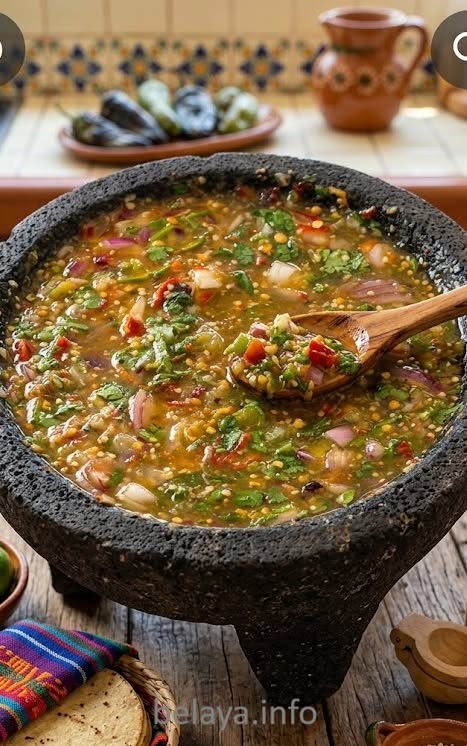
This roasted Salsa Verde is a bright, deeply flavorful Mexican-inspired salsa made with tangy tomatillos, jalapeños, dried guajillo chiles, roasted onion, garlic, cumin, fresh cilantro, lime juice, and olive oil. Roasting the vegetables concentrates their natural flavors, softens the sharp acidity of the tomatillos, and adds subtle caramelized notes that make the salsa much more complex than a raw version.
What makes this salsa especially interesting is the combination of fresh and dried chiles. Jalapeños provide fresh green heat, while guajillo chiles add a deeper, slightly fruity and earthy chile flavor without making the salsa overwhelmingly spicy. Cilantro and lime are added after roasting so the finished salsa still tastes fresh and lively.
The result is a versatile salsa that is tangy, savory, mildly smoky, herbaceous, and pleasantly spicy. It works beautifully with tacos, grilled meats, quesadillas, eggs, tortilla chips, burritos, roasted vegetables, and countless other dishes.
Why People Will Love Salsa Verde Recipe
Roasted tomatillos create a naturally tangy and slightly sweet foundation.
Jalapeños provide fresh chile flavor and adjustable heat.
Guajillo chiles add depth without excessive spiciness.
Roasted onion contributes subtle sweetness.
Garlic becomes mellow and slightly nutty after roasting.
Cumin gives the salsa warm, earthy background flavor.
Fresh cilantro keeps the finished salsa vibrant.
Lime juice adds fresh acidity and balances the roasted ingredients.
Olive oil gives the salsa a smoother, richer mouthfeel.
Roasting develops more complexity than simply blending raw vegetables.
The salsa can be blended smooth or kept rustic and chunky.
It requires only simple ingredients.
It is naturally dairy-free.
It is naturally gluten-free.
The heat level can easily be adjusted.
It works as both a dip and a cooking sauce.
It pairs well with meat, seafood, eggs, beans, and vegetables.
It tastes excellent warm, room temperature, or chilled.
The flavors become even more integrated after resting.
It can be frozen for longer storage.
Key Ingredients
Tomatillos:
Tomatillos are the heart of Salsa Verde. They have a naturally tart, slightly citrusy flavor that becomes softer and more rounded after roasting.
Jalapeño Peppers:
Jalapeños provide fresh chile heat and a grassy green-pepper flavor. Keeping more of the pale inner membranes increases the heat.
Dried Guajillo Chiles:
Guajillo chiles contribute mild heat, earthy sweetness, and a slightly fruity dried-chile character. They deepen the salsa without overpowering the tomatillos.
Onion:
Roasted onion becomes sweeter and less sharp, helping balance the acidity of the tomatillos and lime.
Garlic:
Roasting garlic softens its raw pungency and produces a sweeter, more savory flavor.
Cumin:
A small amount of cumin adds warmth and earthiness without dominating the brighter flavors.
Fresh Cilantro:
Cilantro is added after roasting to preserve its fresh, herbal aroma.
Fresh Lime Juice:
Lime juice sharpens the salsa and restores some brightness that can be softened during roasting.
Extra-Virgin Olive Oil:
Olive oil helps the vegetables roast evenly and gives the finished salsa a smoother texture.
Expert Tips
Choose firm, bright green tomatillos without excessive soft spots.
Remove the papery husks completely before washing.
Rinse away the naturally sticky coating on the tomatillos thoroughly.
Dry the tomatillos before tossing them with oil so they roast rather than steam.
Cut the tomatillos into similarly sized pieces for even cooking.
Keep the dried guajillo chiles where you can watch them closely during roasting.
Remove guajillos early if they begin getting too dark.
Burnt dried chile can make the entire salsa bitter.
Leave jalapeños whole for slightly milder heat or cut them if you want stronger roasted flavor.
Keep some jalapeño membranes for more heat; remove them for a milder salsa.
Do not let the garlic become dark brown.
Transfer all roasting juices from the baking sheet into the blender.
Allow the roasted vegetables to cool slightly before blending.
Pulse rather than continuously blend if you want a rustic texture.
Add lime juice gradually and taste as you go.
Let the salsa rest for 20–30 minutes before making the final seasoning adjustment.
Salsa Verde
Ingredients
For the Salsa Verde
1 pound tomatillos, husks removed, rinsed thoroughly, and quartered
2 dried guajillo chiles, stems removed and most seeds shaken out
2 jalapeño peppers, stems removed
1 medium onion, peeled and quartered
5 garlic cloves, peeled
½ teaspoon cumin seeds or ground cumin
3 tablespoons extra-virgin olive oil
1 cup fresh cilantro, roughly chopped
¼ cup freshly squeezed lime juice
¾ teaspoon salt, or more to taste
Instructions
Preheat the Oven
Preheat the oven to 400°F / 205°C.
Line a baking sheet with parchment paper for easier cleanup.
Prepare the Tomatillos and Chiles
Remove the husks from the tomatillos and rinse them thoroughly under cool water to remove the sticky coating.
Pat them dry, then cut them into quarters.
Remove the stems from the dried guajillo chiles and shake out most of the loose seeds.
Trim and discard the stems from the jalapeños.
Season the Vegetables
Place the quartered tomatillos, jalapeños, onion, garlic cloves, guajillo chiles, and cumin in a large bowl.
Drizzle with the olive oil and toss well until everything is lightly coated.
Roast
Spread the vegetables and chiles in a single layer on the prepared baking sheet.
Roast for about 16–18 minutes, or until the tomatillos are softened and slightly blistered and the garlic is lightly golden.
Watch the dried guajillo chiles closely, since they can become bitter if they burn.
Cool Slightly
Remove the baking sheet from the oven and allow the roasted mixture to cool for several minutes.
Transfer the roasted ingredients, along with any flavorful juices from the pan, to a food processor or blender.
Blend the Salsa
Add the chopped cilantro, fresh lime juice, and salt.
Pulse or blend until the salsa reaches your preferred consistency.
For a rustic salsa, leave a few small pieces visible. For a smoother salsa, blend a little longer.
Adjust the Flavor
Taste the salsa and adjust with additional salt or lime juice if needed.
If the salsa is thicker than you prefer, blend in a small amount of water, 1 tablespoon at a time.
Chill or Serve
Serve the salsa immediately while slightly warm, or refrigerate it until chilled.
The flavor becomes even more balanced after resting for about 20–30 minutes.
Storage
Store the Salsa Verde in a tightly sealed container in the refrigerator for up to 5 days.
For longer storage, portion the salsa into freezer-safe containers and freeze for up to 3 months.
Important Notes When Making Salsa Verde Recipe
Tomatillos are naturally acidic, so some batches will taste more tart than others.
Lime juice should complement rather than overwhelm the tomatillo flavor.
Jalapeños can vary substantially in heat.
Much of the capsaicin is concentrated in the pale inner membranes.
Dried guajillo chiles are usually relatively mild but contribute a strong chile aroma.
Guajillos should be roasted only until fragrant and slightly softened.
Blackened or burnt guajillos can create bitterness.
Olive oil accounts for most of the fat and calories in this salsa.
Fresh cilantro should be blended after roasting rather than cooked for a long time.
The salsa usually thickens slightly after refrigeration.
Add water only a tablespoon at a time if thinning is necessary.
Salt becomes more noticeable after the salsa rests, so season gradually.
This recipe is intended as a fresh refrigerated salsa, not as a shelf-stable canned salsa.
Keep it refrigerated in an airtight container.
Freeze portions if you want to store it longer.
Texture may become slightly softer after freezing and thawing, but the flavor remains good.
How to Enjoy Salsa Verde Recipe After Cooking
Allow the salsa to rest for about 20–30 minutes after blending. This short resting period gives the roasted tomatillo, chile, garlic, lime, and cilantro flavors time to become more balanced.
Serve it slightly warm for a stronger roasted aroma, or refrigerate it for a fresher, sharper flavor.
For a classic appetizer, pour the salsa into a small serving bowl and serve with warm tortilla chips.
It is excellent spooned over carne asada, grilled chicken, carnitas, pork, shrimp, or fish tacos.
Use it as a finishing sauce for quesadillas, tostadas, burritos, enchiladas, or nachos.
For breakfast, spoon it over scrambled eggs, fried eggs, breakfast tacos, or huevos rancheros.
It can also be stirred into cooked beans or rice to add instant acidity, heat, and herbaceous flavor.
For grilled vegetables, drizzle the salsa over roasted zucchini, peppers, corn, potatoes, or cauliflower.
You can also thin it slightly with lime juice or water and use it as a dressing for taco salads or grain bowls.
Before serving refrigerated salsa, let it sit at room temperature for about 10–15 minutes so the roasted flavors become more noticeable.
Nutrition Information
Approximate nutrition per 2-tablespoon serving, assuming the recipe yields about 2½ cups or approximately 20 servings:
Calories: 35 kcal | Total Fat: 2.2 g | Saturated Fat: 0.3 g | Monounsaturated Fat: 1.6 g | Polyunsaturated Fat: 0.3 g | Cholesterol: 0 mg | Sodium: 85–110 mg depending on added salt | Total Carbohydrates: 3.5 g | Dietary Fiber: 0.8 g | Sugars: 1.6 g | Protein: 0.5 g
Additional estimate:
Potassium: 110–150 mg | Calcium: 10–18 mg | Iron: 0.4–0.7 mg | Vitamin A: 250–450 IU | Vitamin C: 8–14 mg | Folate: 10–18 mcg
Frequently Asked Questions:
What does this Salsa Verde taste like?
It is tangy, roasted, slightly smoky, herbaceous, savory, and moderately spicy, with bright lime and cilantro balancing the deeper guajillo flavor.
Is this Salsa Verde very spicy?
Usually it is moderately spicy, but the heat depends heavily on the jalapeños. Removing their inner membranes will make the salsa considerably milder.
Why are guajillo chiles included in a green salsa?
They add dried-chile complexity, subtle fruitiness, and earthy depth without contributing excessive heat. They also give the salsa a slightly warmer color.
What foods pair best with Salsa Verde?
Tacos, grilled chicken, carne asada, carnitas, fish, shrimp, eggs, quesadillas, tostadas, roasted vegetables, rice, beans, and tortilla chips are all excellent choices.
Can I use this salsa as a cooking sauce?
Yes. It can be simmered with chicken, pork, vegetables, or beans, although cooking it again will soften some of the fresh lime and cilantro character.
Why should I roast the tomatillos instead of using them raw?
Roasting softens their sharp acidity, concentrates their flavor, and introduces lightly caramelized notes that create a richer salsa.
How do I prevent the guajillo chiles from becoming bitter?
Watch them carefully during roasting and remove them before they become dark or burnt. Dried chiles toast much faster than moist vegetables.
Why is my Salsa Verde too thick?
Roasted tomatillos can produce different amounts of liquid. Blend in water, lime juice, or a little extra roasting liquid one tablespoon at a time until you reach the desired consistency.
How can I make the salsa less spicy after blending it?
Blend in additional roasted tomatillos, onion, or cilantro. A small amount of extra lime can also help balance perceived heat, although it does not actually remove capsaicin.
Can I prepare Salsa Verde ahead of time?
Yes. It can be made several days ahead and refrigerated in a tightly sealed container. The flavors often become more integrated after several hours of resting.