Italian Beef Stew
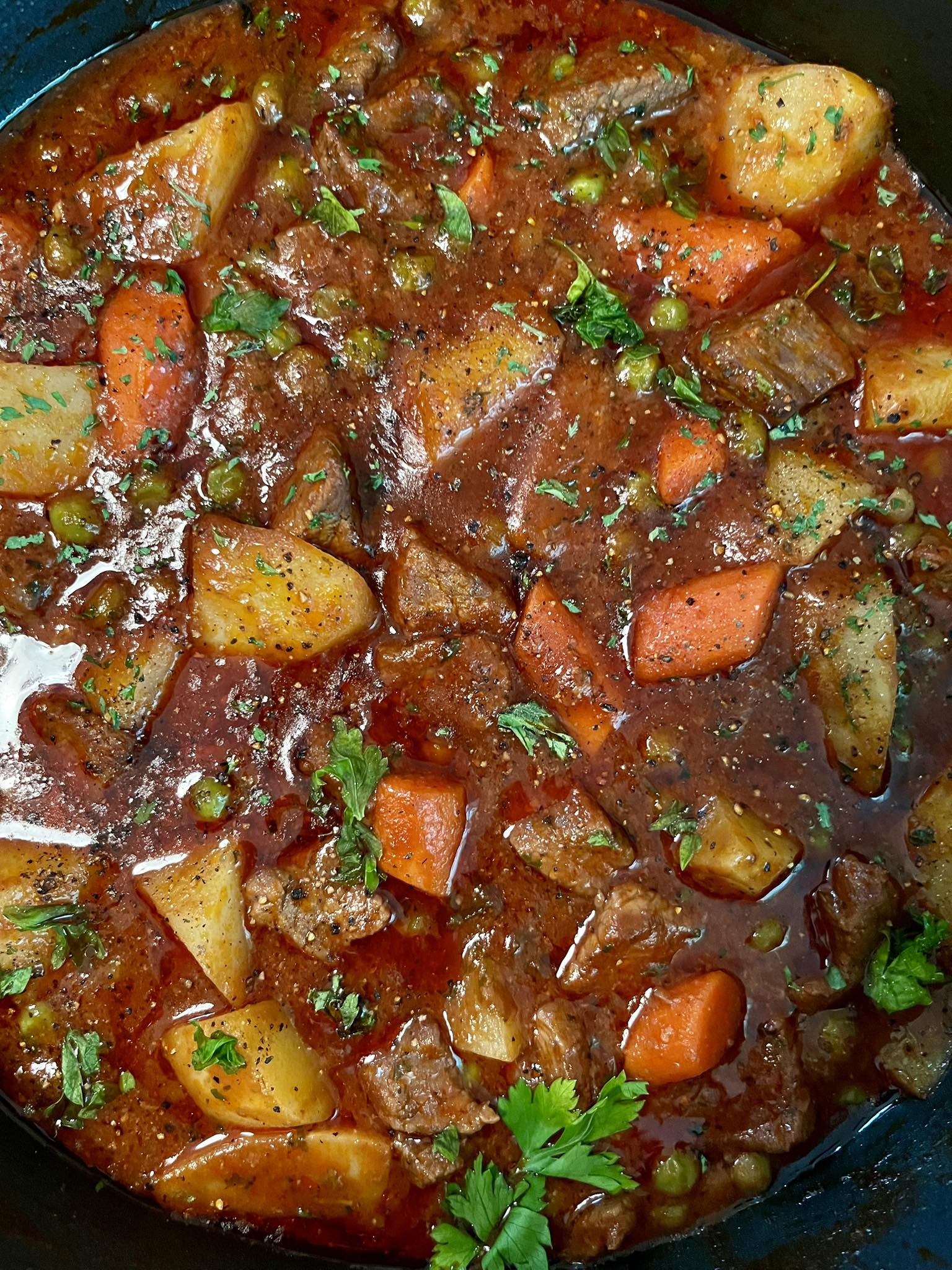
Italian Beef Stew is a deeply comforting, slow-cooked dish that brings together rustic ingredients and bold, layered flavors into one rich and satisfying meal. Rooted in simplicity, it transforms humble cuts of beef and hearty vegetables into something luxurious through time, patience, and careful technique.
What sets this stew apart is its depth—the beef is slowly braised until it becomes melt-in-your-mouth tender, while the combination of tomatoes, herbs, and optional red wine creates a robust, savory broth with subtle acidity and warmth. The vegetables absorb these flavors as they cook, becoming soft, flavorful, and perfectly integrated into the dish.
This is more than just a stew—it’s a celebration of slow cooking, where each ingredient contributes to a harmonious, comforting meal that feels both nourishing and timeless.
Why People Will Love This Italian Beef Stew
Deep, slow-developed flavor
Hours of gentle cooking allow the beef, herbs, and vegetables to fully meld, creating a rich, layered taste that feels robust and satisfying.
Melt-in-your-mouth tender beef
The long braising process transforms the chuck roast into incredibly soft, juicy pieces that practically fall apart with each bite.
Hearty and nourishing
Packed with root vegetables, protein, and a flavorful broth, this stew is both filling and comforting—perfect as a complete meal.
Perfect balance of richness and acidity
The combination of tomatoes and optional red wine adds brightness that balances the richness of the beef, preventing the dish from feeling heavy.
Rustic, home-cooked comfort
This stew captures the essence of traditional, slow-cooked meals—simple ingredients elevated into something deeply comforting and timeless.
One-pot convenience
Everything cooks together in a single pot, making preparation straightforward and cleanup minimal.
Versatile and adaptable
You can easily adjust the vegetables, use different cuts of meat, or tweak the seasoning to suit your taste.
Even better the next day
The flavors continue to develop as it rests, making leftovers even richer and more cohesive.
Perfect for gatherings or family meals
It’s a crowd-pleasing dish that can be made in large batches and shared easily.
A satisfying mix of textures
Tender beef, soft vegetables, and a thick, flavorful broth create a comforting, well-rounded eating experience.
Elevated by simple techniques
Steps like searing the meat and deglazing the pot add depth and complexity, turning a simple stew into something truly special.
Ideal for cold days or cozy nights
Warm, hearty, and deeply comforting, it’s the kind of dish that brings both physical warmth and emotional comfort.
Key Ingredients:
Beef Chuck Roast
The star of the dish. This cut is rich in connective tissue, which breaks down during slow cooking to create incredibly tender meat and a naturally thick, flavorful broth.
Olive Oil
Used for searing, it helps develop a deep, caramelized crust on the beef, building the first layer of flavor in the stew.
Onions & Garlic
These aromatics form the flavor base, adding sweetness, depth, and a savory backbone that supports the richness of the beef.
Carrots, Potatoes, Beets & Parsnip
A mix of root vegetables that bring natural sweetness, earthiness, and texture. As they cook, they absorb the broth while contributing body and balance to the dish.
Beef Broth (or Stock)
The liquid foundation that carries and intensifies all flavors. A well-made broth enhances the depth and richness of the stew.
Crushed San Marzano Tomatoes
Add brightness and subtle acidity, cutting through the richness of the meat while contributing a deep, slightly sweet tomato flavor.
Dry Red Wine (Optional)
Provides complexity and depth, adding a subtle richness and enhancing the savory notes of the beef.
Bay Leaf & Fresh Thyme
These herbs infuse the stew with earthy, aromatic notes, creating a classic, well-rounded flavor profile.
Kosher Salt & Black Pepper
Essential for seasoning, they enhance all the natural flavors and bring balance to the dish.
Green Onions (Garnish)
Added at the end for a fresh, slightly sharp contrast that brightens the overall flavor and presentation.
Expert Tips:
Sear the beef properly—don’t rush it
A deep, golden-brown crust is essential. Let each side sear undisturbed to build rich, caramelized flavor that becomes the foundation of the stew.
Season in layers, not all at once
Season the beef before searing, then adjust again during cooking and at the end. This creates a more balanced and developed flavor throughout.
Deglaze thoroughly for maximum depth
Scrape up all the browned bits from the bottom of the pot after searing. These bits are packed with flavor and will enrich the broth significantly.
Cut vegetables evenly for consistent cooking
Uniform sizes ensure that all vegetables cook at the same rate, preventing some from becoming mushy while others remain undercooked.
Use a tight-fitting lid for proper braising
This helps retain moisture and allows the beef to cook slowly in a controlled environment, resulting in tender, juicy meat.
Keep the liquid level balanced
The liquid should come up around the meat, not fully cover it. This creates a proper braising environment rather than boiling the beef.
Cook low and slow for best tenderness
The long cooking time at a low temperature allows connective tissue to break down, giving the stew its signature melt-in-your-mouth texture.
Check halfway and adjust if needed
If the liquid reduces too much, add a bit more broth or water to maintain a rich, saucy consistency.
Let the stew rest before serving
Allowing it to sit for 10–15 minutes helps the flavors settle and the sauce slightly thicken.
Skim excess fat for a cleaner finish
Depending on the cut of beef, some fat may rise to the top. Removing it can make the stew feel less heavy.
Add fresh herbs at the end for brightness
A final sprinkle of fresh thyme or green onions enhances aroma and adds a fresh contrast to the rich base.
Make it ahead for even better flavor
This stew tastes even richer the next day as the flavors continue to meld and deepen.
Adjust texture to preference
If you prefer a thicker stew, let it reduce uncovered slightly at the end. For a looser consistency, add more warm broth.
Use quality ingredients for a simple dish
Since the recipe relies on a few core components, good-quality beef, tomatoes, and broth make a noticeable difference.
Italian Beef Stew
Ingredients
3–4 lb boneless beef chuck roast
2 tablespoons olive oil
2 large onions, peeled and cut into quarters
3 garlic cloves, lightly crushed
4 large carrots, peeled and cut into 1-inch pieces
4 medium Yukon Gold potatoes, scrubbed and quartered
2 medium red beets, peeled and cut into quarters
1 large parsnip, peeled and cut into 1-inch chunks
2 cups beef stock or broth
1 bay leaf
3 sprigs fresh thyme, plus extra for garnish
½ cup dry red wine (optional; substitute with additional broth if preferred)
1 can (28 oz) crushed San Marzano tomatoes
Sliced green onions, for garnish
Kosher salt and freshly ground black pepper
Instructions – Italian Beef Stew
Preheat your oven to 325°F (165°C).
Place a large Dutch oven over medium-high heat and add the olive oil.
Season the beef roast generously with salt and black pepper. Once the oil is hot, sear the meat on all sides until nicely browned, about 2–3 minutes per side. Remove the roast and set aside. Pour off excess oil, leaving about 2 tablespoons in the pot.
Add the onions, garlic, carrots, potatoes, beets, and parsnip to the pot. Cook for 6–8 minutes, stirring occasionally to prevent sticking or burning.
Pour in about ½ cup of the beef broth to deglaze the pot, scraping up any browned bits from the bottom for extra flavor.
Return the seared roast to the pot. Add the bay leaf and thyme sprigs.
Pour in the remaining beef broth, along with the red wine (if using), and the crushed tomatoes. Add the liquid around the meat rather than directly on top.
Cover the Dutch oven with a lid and transfer it to the oven. Cook for 3–4 hours, or until the beef is very tender and easily pulls apart with a fork.
About halfway through cooking, check the liquid level. If it has reduced too much, add up to 1 cup of additional broth or water if needed.
Once done, remove the pot from the oven. Break the beef into large, bite-sized pieces.
Garnish with sliced green onions and additional thyme, then serve.
Alternative Cooking Methods:
Simmer on the stovetop over low heat for 3–4 hours instead of baking.
Use pre-cut stew meat for a shorter cooking time (about 3 hours).
Substitute with bone-in cuts like short ribs or 7-bone chuck roast for deeper flavor—remove bones before serving.
Important Notes When Making Italian Beef Stew
The cut of beef defines the final texture
Chuck roast is ideal because its connective tissue breaks down slowly, creating tender meat and a naturally rich, silky broth. Lean cuts won’t deliver the same result.
Braising is different from boiling
The liquid should surround the meat but not fully submerge it. Proper braising allows flavors to concentrate and the meat to cook gently rather than toughen.
Time is essential for flavor development
This is not a quick dish. The long cooking time is what transforms simple ingredients into a deeply complex, cohesive stew.
Searing is not optional
Skipping the browning step will result in a flatter, less developed flavor. The caramelized crust is critical to building depth.
Vegetables release moisture during cooking
As the stew simmers, vegetables like onions and carrots release liquid, which contributes to the overall broth. This affects both flavor and consistency.
Tomatoes add balance, not dominance
The crushed tomatoes should enhance the stew with acidity and subtle sweetness, not overpower the beef flavor. Balance is key.
Wine enhances complexity but is optional
Red wine adds depth and richness, but the stew will still be delicious if replaced with additional broth.
Consistency will change over time
As the stew rests, it thickens naturally. When reheating, you may need to add more liquid to restore the desired texture.
Flavor improves after resting
Like many slow-cooked dishes, this stew often tastes even better the next day as the flavors continue to meld.
Fat content varies by beef quality
Some cuts release more fat than others. Skimming excess fat can help create a cleaner, more balanced dish.
Herbs should be used thoughtfully
Long-cooked herbs (like thyme and bay leaf) build depth, while fresh herbs added at the end provide brightness and contrast.
This is a rustic, forgiving recipe
Small variations in ingredients or timing won’t ruin the dish. It’s flexible and adaptable, making it ideal for home cooking.
Balance between richness and freshness matters
A final garnish (like green onions or fresh herbs) helps lift the dish and prevents it from feeling too heavy.
How to Enjoy Italian Beef Stew After Cooking
Let the stew rest before serving
Allow it to sit for about 10–15 minutes after removing from the oven. This helps the broth thicken slightly and lets the flavors fully settle.
Gently stir and break up the beef
Use a spoon or fork to pull the beef into large, tender chunks. This ensures every serving has a good balance of meat and vegetables.
Taste and adjust final seasoning
Before serving, check the flavor and adjust with salt, pepper, or a small splash of broth if needed to balance richness.
Serve hot for maximum comfort
This stew is best enjoyed warm, when the beef is soft and the broth is rich and aromatic.
Garnish for freshness and contrast
Add sliced green onions or fresh thyme on top to bring brightness and a subtle sharpness that balances the deep flavors.
Pair with complementary sides
Serve with crusty bread, mashed potatoes, or polenta to soak up the flavorful broth and complete the meal.
Control portion size for a satisfying meal
This is a hearty, filling dish. Moderate portions allow you to fully enjoy its richness without feeling too heavy.
Enjoy slowly to appreciate the depth
Take time to notice the tender beef, softened vegetables, and layered broth—this dish is built on slow-developed flavor.
Reheat gently for leftovers
Warm over low heat, stirring occasionally. Add a bit of broth or water if the stew has thickened too much.
Refresh flavors when reheating
A small pinch of salt, a splash of broth, or fresh herbs can revive the dish and enhance its flavor after storage.
Even better the next day
The stew often tastes richer after resting overnight, making it ideal for meal prep or leftovers.
Transform leftovers creatively
Use leftover stew over pasta, rice, or as a filling for sandwiches for a different but equally satisfying meal.
Create a cozy dining experience
Serve in deep bowls with warm bread and a relaxed setting—this dish is meant to be enjoyed slowly and comfortably.
Best enjoyed fresh, but rewarding over time
While excellent on the day it’s made, proper reheating and simple adjustments keep it delicious for days after.
Nutrition Information
This recipe makes approximately 6–8 servings
Calories: 480 kcal | Total Fat: 18 g | Saturated Fat: 6 g | Monounsaturated Fat: 8 g | Polyunsaturated Fat: 2 g | Cholesterol: 95 mg | Sodium: 600–800 mg (depending on broth and seasoning) | Total Carbohydrates: 35 g | Dietary Fiber: 6 g | Sugars: 8 g | Protein: 42 g
Frequently Asked Questions:
What cut of beef works best for this stew?
Chuck roast is ideal because it becomes tender and flavorful during slow cooking. Other good options include short ribs or bone-in chuck for even deeper flavor.
Can I make this stew without wine?
Yes, simply replace the wine with additional beef broth. You’ll still get a rich, delicious result, though the wine adds extra depth.
How do I thicken the stew if it’s too thin?
Let it simmer uncovered for a bit to reduce, or mash some of the cooked vegetables into the broth to naturally thicken it.
Can I prepare this stew in advance?
Absolutely. In fact, it often tastes better the next day as the flavors have more time to develop and blend together.
What’s the best way to store leftovers?
Store in an airtight container in the refrigerator for up to 3–4 days. You can also freeze it for longer storage and reheat gently when ready to serve.
Why didn’t my beef become tender after cooking?
It likely didn’t cook long enough or the heat was too high. Tough cuts like chuck need low, slow cooking for several hours to break down properly.
Do I really need to sear the meat first?
Yes. Searing builds a deep, caramelized flavor that forms the foundation of the stew. Skipping this step will result in a less rich dish.
How do I prevent the vegetables from becoming mushy?
Cut them into large, even pieces and avoid overcooking. You can also add more delicate vegetables later in the cooking process if needed.
Why is my stew too watery or too thick?
If too thin, let it cook uncovered to reduce. If too thick, add warm broth gradually until you reach your desired consistency.
When should I add the wine and tomatoes?
Add them after deglazing and returning the meat to the pot. This allows the flavors to blend properly without interfering with the searing process.