Cheese Ravioli in White Wine Sauce
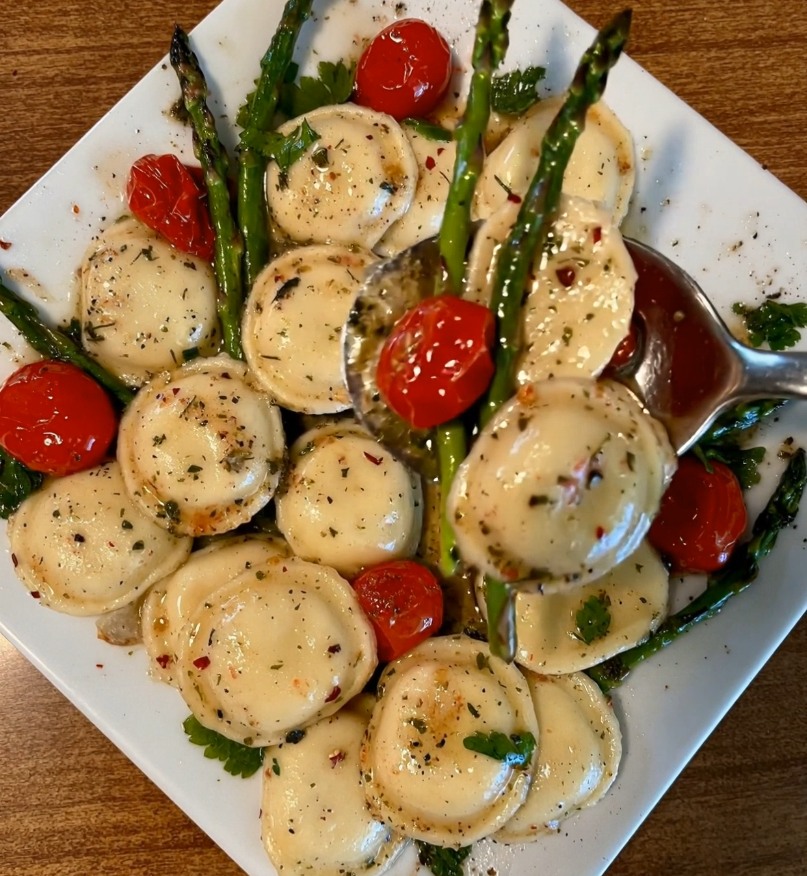
This Cheese Ravioli in White Wine Sauce is a beautifully balanced dish that feels both elegant and effortlessly comforting. Delicate pillows of cheese-filled ravioli are coated in a light, aromatic sauce where butter, olive oil, and white wine come together to create a silky, flavorful base.
What makes this recipe stand out is its freshness and simplicity—the crisp asparagus, sweet burst tomatoes, and bright touch of lemon bring contrast and life to the richness of the pasta. Every element is thoughtfully layered, allowing each ingredient to shine while contributing to a harmonious, refined flavor.
It’s the kind of dish that feels restaurant-quality yet approachable at home—perfect for a quick weeknight dinner or a relaxed, sophisticated meal that celebrates clean flavors and simple technique.
Why People Will Love This Cheese Ravioli in White Wine Sauce
Light yet luxurious flavor profile
The white wine and butter create a silky, elegant sauce that feels indulgent without being heavy, allowing the dish to remain fresh and refined.
Perfect balance of richness and brightness
Creamy cheese ravioli is lifted by the acidity of white wine and lemon, creating a harmonious contrast that keeps each bite vibrant.
Fresh, seasonal ingredients shine
Crisp asparagus and juicy cherry tomatoes add color, texture, and natural sweetness, making the dish feel lively and well-rounded.
Restaurant-quality with simple technique
Despite its sophisticated flavor, the recipe is straightforward and approachable, making it easy to recreate a gourmet experience at home.
Delicate textures in every bite
Soft, pillowy ravioli pairs beautifully with tender-crisp vegetables and a light, glossy sauce that gently coats everything.
Quick and efficient to prepare
It comes together in a short time, making it ideal for busy days when you still want something elevated and satisfying.
Versatile and customizable
You can easily adjust the vegetables, swap the cheese filling, or add protein like shrimp or chicken to suit your taste.
Visually appealing and vibrant
The combination of green asparagus, red tomatoes, and fresh herbs creates a dish that looks as good as it tastes.
Balanced and not overly heavy
Unlike cream-based pasta dishes, this one feels lighter, making it enjoyable even as a full meal.
Perfect for both casual and special occasions
It’s simple enough for a weeknight dinner but elegant enough to serve guests, offering both comfort and sophistication in one dish.
Key Ingredients
Cheese Ravioli
The centerpiece of the dish—soft, delicate pasta filled with creamy cheese. It provides richness and a comforting base, while its mild flavor allows the sauce and vegetables to shine.
White Wine (Dry, such as Sauvignon Blanc)
A key flavor builder that adds acidity, depth, and subtle fruitiness. As it reduces, it creates a light yet complex sauce that enhances the overall elegance of the dish.
Asparagus
Fresh and slightly crisp, asparagus brings a clean, green flavor and a pleasant bite. It adds contrast to the soft ravioli and helps keep the dish feeling light and balanced.
Cherry Tomatoes
These provide bursts of sweetness and gentle acidity. When lightly blistered, they release juices that blend into the sauce, adding natural brightness and color.
Garlic
A foundational aromatic that infuses the oil and butter with a warm, savory depth. It subtly enhances all other flavors without overpowering them.
Olive Oil & Butter
This combination creates a balanced fat base—olive oil adds a fruity note, while butter contributes richness and a smooth, silky texture to the sauce.
Lemon Juice
A finishing touch that brightens the dish. It sharpens the flavors and cuts through the richness, making the sauce feel fresh and lively.
Fresh Parsley
Added at the end, parsley introduces a clean, herbal freshness that lifts the entire dish and adds a vibrant visual finish.
Garlic Salt & Black Pepper
These simple seasonings enhance and tie all the ingredients together, ensuring the flavors are well-rounded and balanced.
Expert Tips:
Salt your pasta water generously
The ravioli cooks quickly and absorbs flavor from the water. Properly salted water ensures the pasta itself is well-seasoned from the inside out.
Cook ravioli gently, not aggressively
Keep the water at a gentle boil to prevent delicate ravioli from breaking apart. Overly vigorous boiling can tear the pasta and release the filling.
Reserve a bit of pasta water
Before draining, save a small cup of the cooking water. Adding a splash to the sauce helps emulsify and create a smoother, more cohesive coating.
Don’t overcook the asparagus
Aim for tender-crisp. Overcooking will make it mushy and dull in color, while properly cooked asparagus adds freshness and texture contrast.
Sauté garlic briefly to avoid bitterness
Garlic cooks quickly—just 20–30 seconds is enough. Letting it brown too much can introduce a harsh, bitter flavor.
Let the tomatoes blister, not collapse
Cook cherry tomatoes until their skins just begin to split. This releases sweetness without turning them into a sauce, preserving texture and visual appeal.
Reduce the wine properly
Allow the wine to simmer for a few minutes to cook off the alcohol and concentrate flavor. This step is essential for achieving depth without sharpness.
Balance the sauce with lemon at the end
Add lemon juice after reducing the wine. This keeps the citrus bright and prevents it from becoming muted during cooking.
Toss gently to protect the ravioli
When combining everything, use a gentle folding motion instead of stirring aggressively to keep the ravioli intact.
Control sauce consistency
If the sauce feels too thin, let it reduce slightly. If too thick, loosen it with a splash of reserved pasta water.
Finish with fresh herbs off the heat
Adding parsley at the end preserves its fresh, vibrant flavor instead of letting it wilt into the sauce.
Serve immediately for best texture
Ravioli is at its peak right after cooking—soft, tender, and perfectly coated. Waiting too long can cause it to absorb too much sauce and lose its delicate texture.
Use high-quality ingredients for a simple dish
Since the recipe is minimal, each ingredient matters. Good olive oil, fresh vegetables, and a quality wine make a noticeable difference.
Cheese Ravioli in White Wine Sauce
Ingredients
1 package cheese ravioli (fresh or frozen)
1 bunch asparagus, trimmed
1 cup cherry tomatoes
2–3 cloves garlic, minced
2 tbsp olive oil
2 tbsp butter
½ cup white wine (dry, like Sauvignon Blanc)
1–2 tsp lemon juice (to taste)
Garlic salt (to taste)
Coarse black pepper (to taste)
Fresh parsley, chopped
Instructions
Cook the Ravioli
Boil ravioli according to package instructions.
Drain and set aside.
Sauté the Garlic & Asparagus
Heat olive oil in a large pan over medium heat.
Add garlic and cook briefly (about 30 seconds).
Add butter, then toss in asparagus.
Sauté for 2–3 minutes until slightly tender but still crisp.
Remove asparagus and set aside.
Cook the Tomatoes
In the same pan, add cherry tomatoes.
Cook until they begin to soften and blister slightly.
Deglaze with Wine
Pour in white wine and let it simmer for 2–3 minutes.
Scrape up any flavorful bits from the pan.
Add Lemon & Combine
Stir in lemon juice.
Add cooked ravioli back into the pan.
Return asparagus and tomatoes to the pan.
Season & Finish
Season with garlic salt and black pepper.
Toss gently to coat everything in the sauce.
Sprinkle fresh parsley on top.
How to Serve
Serve warm with:
- Fresh grated Parmesan (optional)
- Crusty bread to soak up the sauce
- A light salad for a complete meal
Important Notes When Making Cheese Ravioli in White Wine Sauce
This is a balance-driven dish
The success of this recipe depends on harmony—rich ravioli, bright wine, fresh vegetables, and a touch of acidity must all complement each other without one overpowering the rest.
White wine is a core flavor, not just liquid
Choose a dry, good-quality wine you would drink. The flavor concentrates as it reduces, so a poor-quality wine will negatively impact the final taste.
Do not overcook the ravioli
Ravioli cooks quickly and can become too soft or break apart if overdone. Aim for tender but still slightly firm to maintain structure.
Vegetable texture matters for contrast
Asparagus should stay crisp-tender and tomatoes should be lightly blistered—not fully softened—to create a pleasant contrast with the soft pasta.
Garlic can easily overpower if overcooked
Burnt garlic introduces bitterness. Cook it briefly and gently to keep its flavor warm and aromatic rather than harsh.
Sauce should be light, not heavy
This is not a thick or creamy sauce. It should be silky and lightly coating, allowing the ingredients to shine rather than being weighed down.
Lemon is a finishing element
Adding lemon too early dulls its brightness. It should be used at the end to bring freshness and lift the entire dish.
Timing is critical for assembly
All components should come together quickly while hot. Delays can cause the ravioli to stick or absorb too much sauce.
Salt levels can shift as the sauce reduces
Since wine and butter concentrate during cooking, always adjust seasoning at the end rather than at the beginning.
This dish does not hold well for long periods
Ravioli will continue to absorb sauce and soften. It’s best enjoyed immediately after cooking for optimal texture.
Use gentle handling to maintain presentation
Ravioli can tear easily, so stirring should be minimal and careful to keep the dish visually appealing.
Simplicity means every detail matters
With few ingredients, there’s nowhere to hide mistakes—technique, timing, and ingredient quality all play a crucial role in the final result.
How to Enjoy Cheese Ravioli in White Wine Sauce After Cooking
Serve immediately for peak quality
This dish is at its best right after cooking, when the ravioli is tender, the vegetables are vibrant, and the sauce is silky and perfectly balanced.
Give it a gentle final toss before plating
Lightly toss everything in the pan to ensure the ravioli, asparagus, and tomatoes are evenly coated in the sauce without breaking the pasta.
Plate thoughtfully for visual appeal
Arrange the ravioli carefully on the plate, letting the asparagus and tomatoes sit naturally around them for a balanced, restaurant-style presentation.
Finish with fresh garnishes
Sprinkle chopped parsley over the top and add a touch of freshly cracked black pepper. Optional grated Parmesan can enhance richness without overpowering the dish.
Add a final touch of brightness if needed
Taste just before serving—if it feels slightly rich, a small squeeze of fresh lemon can refresh and elevate the flavors.
Pair with complementary sides
Serve with crusty bread to soak up the sauce and a light green salad to balance the richness with freshness.
Choose the right beverage pairing
A glass of the same dry white wine used in cooking (like Sauvignon Blanc) complements the flavors and enhances the dining experience.
Enjoy slowly to appreciate the layers
Notice the contrast between the soft ravioli, crisp vegetables, and the light, aromatic sauce—each bite offers a different balance of textures and flavors.
Keep portions moderate for best enjoyment
Though light, the dish is still satisfying. Serving moderate portions allows you to fully enjoy the flavors without feeling overly full.
Handle leftovers with care
If needed, reheat gently over low heat with a splash of water or broth to loosen the sauce. Avoid high heat, which can overcook the ravioli.
Refresh flavors when reheating
Add a small amount of lemon juice or fresh herbs to bring back brightness that may have faded.
Create a relaxed dining atmosphere
This dish shines when enjoyed in a calm setting—simple plating, warm food, and good company enhance the overall experience.
Nutrition Information
Approximate 3–4 servings, per serving
Calories: 410 kcal | Total Fat: 16 g | Saturated Fat: 6 g | Monounsaturated Fat: 7 g | Polyunsaturated Fat: 2 g | Cholesterol: 75 mg | Sodium: 600–800 mg (depending on cheese and seasoning) | Total Carbohydrates: 48 g | Dietary Fiber: 4 g | Sugars: 5 g | Protein: 18 g
Frequently Asked Questions:
Can I use frozen ravioli instead of fresh?
Yes, both work well. Frozen ravioli may need a slightly longer cooking time, but the final result will still be delicious. Just be careful not to overcook, as they can become too soft.
What type of white wine is best for this recipe?
A dry white wine like Sauvignon Blanc, Pinot Grigio, or Chardonnay works best. Avoid sweet wines, as they can alter the balance of the dish.
Can I make this dish without wine?
Yes, you can substitute the wine with chicken or vegetable broth plus a small splash of lemon juice. While slightly different, it will still be flavorful and balanced.
Can I add protein to this dish?
Absolutely. Grilled chicken, shrimp, or even crispy pancetta pairs beautifully and makes the dish more filling.
What cheese works best for serving on top?
Freshly grated Parmesan is the most common choice, adding a nutty, savory finish without overpowering the light sauce.
How do I keep the ravioli from falling apart while cooking?
Cook them in gently boiling (not aggressive) water and avoid overcrowding the pot. Stir very lightly just once or twice to prevent sticking.
When should I add the ravioli to the sauce?
Add the ravioli after the wine has reduced and the sauce is ready. This prevents overcooking and helps the pasta absorb flavor without becoming too soft.
How do I know when the wine has reduced enough?
The wine should simmer for 2–3 minutes until the sharp alcohol smell fades and the liquid slightly thickens. The flavor should taste smoother and more balanced.
Why is my sauce too thin or watery?
This can happen if the wine isn’t reduced enough or too much liquid is added. Let it simmer a bit longer, or add a small splash of pasta water to help emulsify and thicken slightly.
Should I rinse the ravioli after cooking?
No, never rinse it. Rinsing removes the starch that helps the sauce cling to the pasta, resulting in a less cohesive dish.