New Mexico Salsa
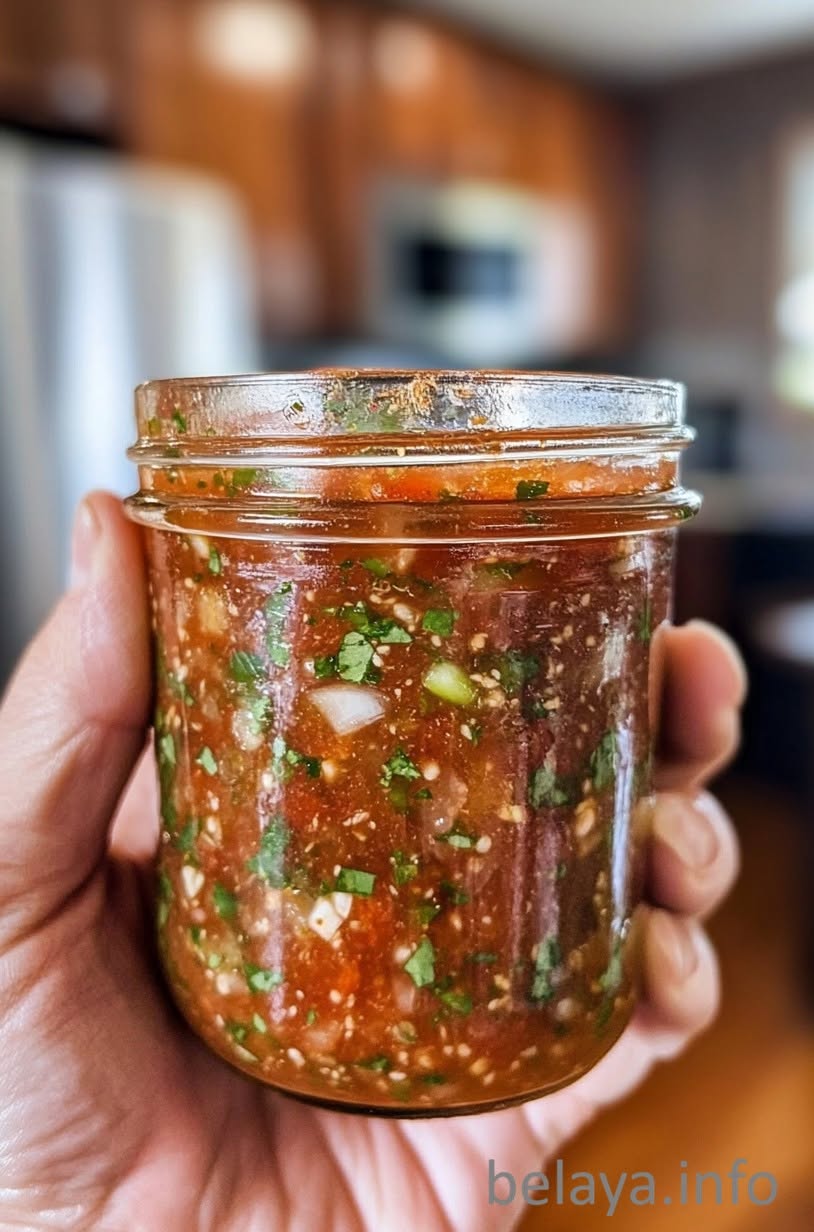
New Mexico Salsa is bold, fresh, smoky, and beautifully simple. It is made with roasted tomatoes, jalapeños, serranos, garlic, onion, and salt, then blended just enough to create a salsa that is both smooth and chunky.
The magic of this salsa comes from roasting. As the tomatoes soften and their skins begin to split, they develop a deeper, sweeter flavor. The peppers become more fragrant, the garlic mellows, and the onion adds a warm savory base.
This is the kind of salsa that tastes homemade from the first spoonful. It is bright, spicy, rustic, and full of real chile flavor. Serve it with tortilla chips, tacos, grilled meats, eggs, burritos, or anything that needs a little New Mexico heat.
Why People Will Love New Mexico Salsa Recipe
It is fresh, smoky, spicy, and full of roasted flavor.
The tomatoes become sweeter and deeper after roasting.
Jalapeños and serranos give the salsa a bold, lively heat.
Roasted garlic adds savory depth without tasting too sharp.
Onion brings balance, sweetness, and body.
The salsa has a rustic texture with some tomato chunks left in.
It uses simple, fresh ingredients.
It tastes much better than store-bought salsa.
It can be made mild, medium, or very spicy.
It is perfect with chips, tacos, burritos, eggs, grilled meat, or rice bowls.
It is naturally light, fresh, and full of vegetables.
It feels homemade, traditional, and deeply comforting.
Key Ingredients
Tomatoes:
Tomatoes are the heart of this salsa. Roasting them helps bring out their natural sweetness and gives the salsa a richer, deeper flavor.
Jalapeño Peppers:
Jalapeños add fresh heat and classic salsa flavor. They are spicy but still balanced, especially after roasting.
Serrano Peppers:
Serranos bring a sharper, brighter heat than jalapeños. They make the salsa bolder and more exciting.
Garlic:
Roasted garlic adds savory richness and warmth. It gives the salsa depth without overpowering the fresh tomato flavor.
Onion:
Onion adds sweetness, body, and a savory background. When roasted, it becomes softer and more mellow.
Salt:
Salt is essential because it brings all the flavors together. It makes the tomatoes taste brighter and the peppers taste more balanced.
Fresh Cilantro:
Cilantro is optional, but it adds freshness, color, and a classic herbal finish.
Expert Tips
Roast the tomatoes until the skins begin to split for the best flavor.
Remove the tomatoes first if they soften faster than the peppers, garlic, and onion.
Let the peppers roast a little longer for deeper flavor and better texture.
Pulse the salsa instead of fully blending if you want a chunky homemade texture.
Blend part of the tomatoes first with the peppers, onion, garlic, and salt to create a flavorful base.
Add the remaining tomatoes at the end and pulse only a few times for texture.
Taste the salsa before serving and adjust the salt gradually.
For a milder salsa, remove some seeds and membranes from the peppers.
For a hotter salsa, keep all the seeds or add extra serranos.
Let the salsa sit for 15 to 30 minutes before serving so the flavors can blend.
Add fresh cilantro at the end for a brighter finish.
A small squeeze of lime can be added if you want extra brightness.
New Mexico Salsa
Ingredients:
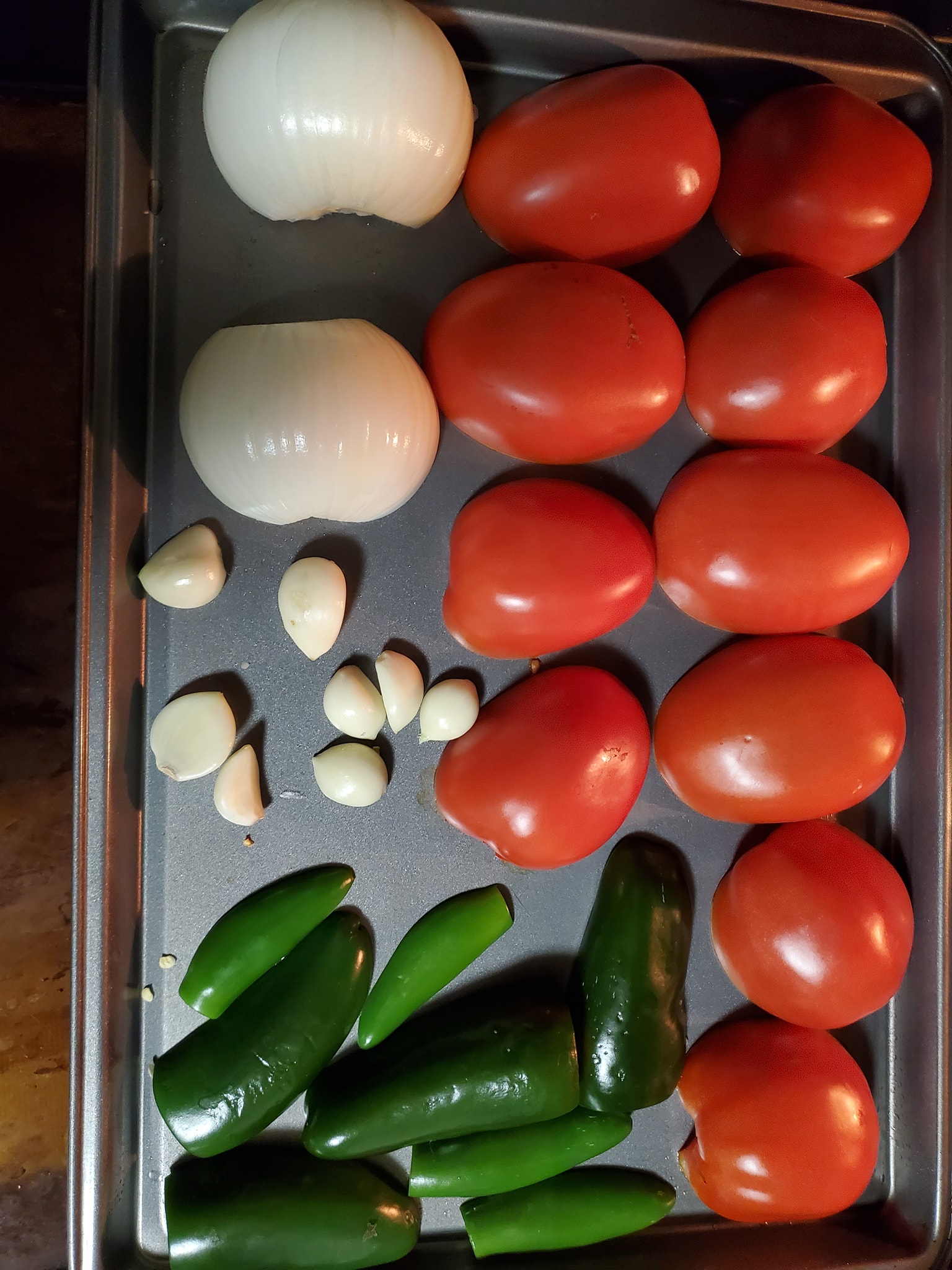
10 large tomatoes
4 jalapeno peppers
4 serranos
8 cloves garlic
1 onion
Salt to taste
Instructions:
I put everything in the picture in the oven at °350 F until I see the skin on any of the tomatoes split, usually 12-15 minutes.
I take all the tomatoes out and leave the rest for about 5 more minutes.
Put 4 tomato halves in the blender and add the onions, garlic, jalapeños, serranos, and salt to taste.
Blend everything for 5-10 seconds on pulse.
Taste it and add salt if it needs it.
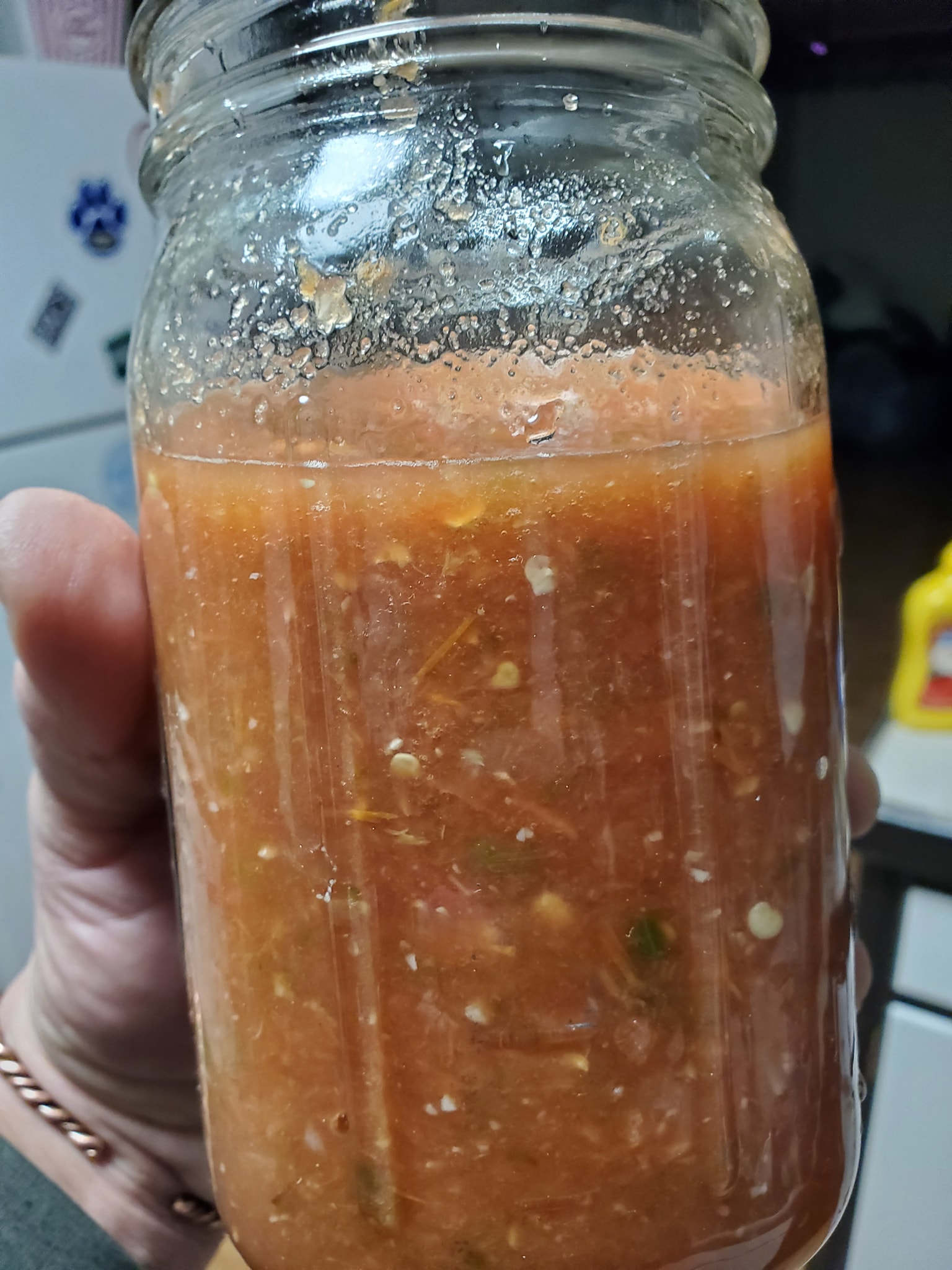
Put the rest of the tomatoes in and pulse it like 2 times so there is some chunks.
Normally I also put fresh cilantro, but today I forgot.
Important Notes When Making New Mexico Salsa
The heat level depends on the peppers. Some jalapeños and serranos are much hotter than others.
Roasting time may vary depending on the size and ripeness of the tomatoes.
Do not overblend if you want a chunky salsa.
The salsa will thicken slightly as it cools.
If the salsa tastes flat, it usually needs more salt.
If it tastes too spicy, add more roasted tomato.
If it tastes too acidic, let it rest or add a small pinch of sugar.
Fresh cilantro should be added after blending, not roasted.
Store leftovers in an airtight container in the refrigerator.
The flavor often becomes even better after a few hours of chilling.
How to Enjoy New Mexico Salsa After Cooking
After the salsa is blended, transfer it to a bowl and let it rest for a few minutes. This helps the roasted tomato, garlic, onion, and chile flavors come together.
Serve the salsa warm, room temperature, or chilled. Warm salsa tastes deeper and more rustic, while chilled salsa tastes fresher and brighter.
For a classic serving, enjoy it with crispy tortilla chips. The chunky roasted tomato texture makes it perfect for dipping.
This salsa is also excellent spooned over tacos, burritos, tostadas, quesadillas, nachos, grilled chicken, carne asada, roasted vegetables, or breakfast eggs.
For a New Mexico-style breakfast, serve it over scrambled eggs, breakfast potatoes, huevos rancheros, or breakfast burritos. The roasted chile flavor adds heat and depth to simple morning dishes.
For a heartier meal, use it as a topping for rice bowls, beans, grilled fish, pork, or chicken. It can also be stirred into soups, stews, or chili for extra roasted flavor.
Finish with fresh cilantro, diced onion, or a squeeze of lime if desired. Serve with extra chips nearby because this salsa disappears quickly.
Nutrition Information
Approximate nutrition per serving, based on 10 servings:
Calories: 38 kcal | Total Fat: 0.4 g | Saturated Fat: 0.1 g | Monounsaturated Fat: 0.1 g | Polyunsaturated Fat: 0.2 g | Cholesterol: 0 mg | Sodium: 120–280 mg depending on added salt | Total Carbohydrates: 8.5 g | Dietary Fiber: 2.2 g | Sugars: 4.8 g | Protein: 1.5 g
Additional estimate:
Calcium: 25–45 mg | Potassium: 320–480 mg | Iron: 0.5–1 mg | Vitamin C: 28–45 mg | Vitamin A: 900–1,500 IU
Frequently Asked Questions:
Can I use canned tomatoes instead of fresh?
Fresh tomatoes are recommended for the best flavor, but you can use canned tomatoes in a pinch.
Drain them before roasting.
How can I reduce the spiciness?
Remove the seeds and membranes from the peppers, or reduce the number of peppers used.
Can I add other vegetables?
Yes, you can add roasted bell peppers, corn, or even black beans for variety.
What can I use instead of a blender?
A food processor works well.
You can also chop everything finely by hand for a chunkier salsa.
How can I make the salsa less watery?
Roast the tomatoes longer to evaporate more water or strain the blended salsa through a fine mesh sieve.
Can I make this salsa in advance?
Yes, the flavors improve after sitting for a day.
Make it ahead and store it in the refrigerator.
Is there a substitute for cilantro if I don’t like it?
You can use fresh parsley or omit it altogether.
Can I add lime juice for extra flavor?
Yes, lime juice adds a nice acidic balance to the salsa.
How do I make the salsa more smoky?
Add a bit of smoked paprika or roast the vegetables longer to deepen the smoky flavor.
What can I serve with this salsa?
Serve it with tortilla chips, on tacos, burritos, grilled meats, or as a topping for scrambled eggs or omelets.