Chicken Francese Recipe
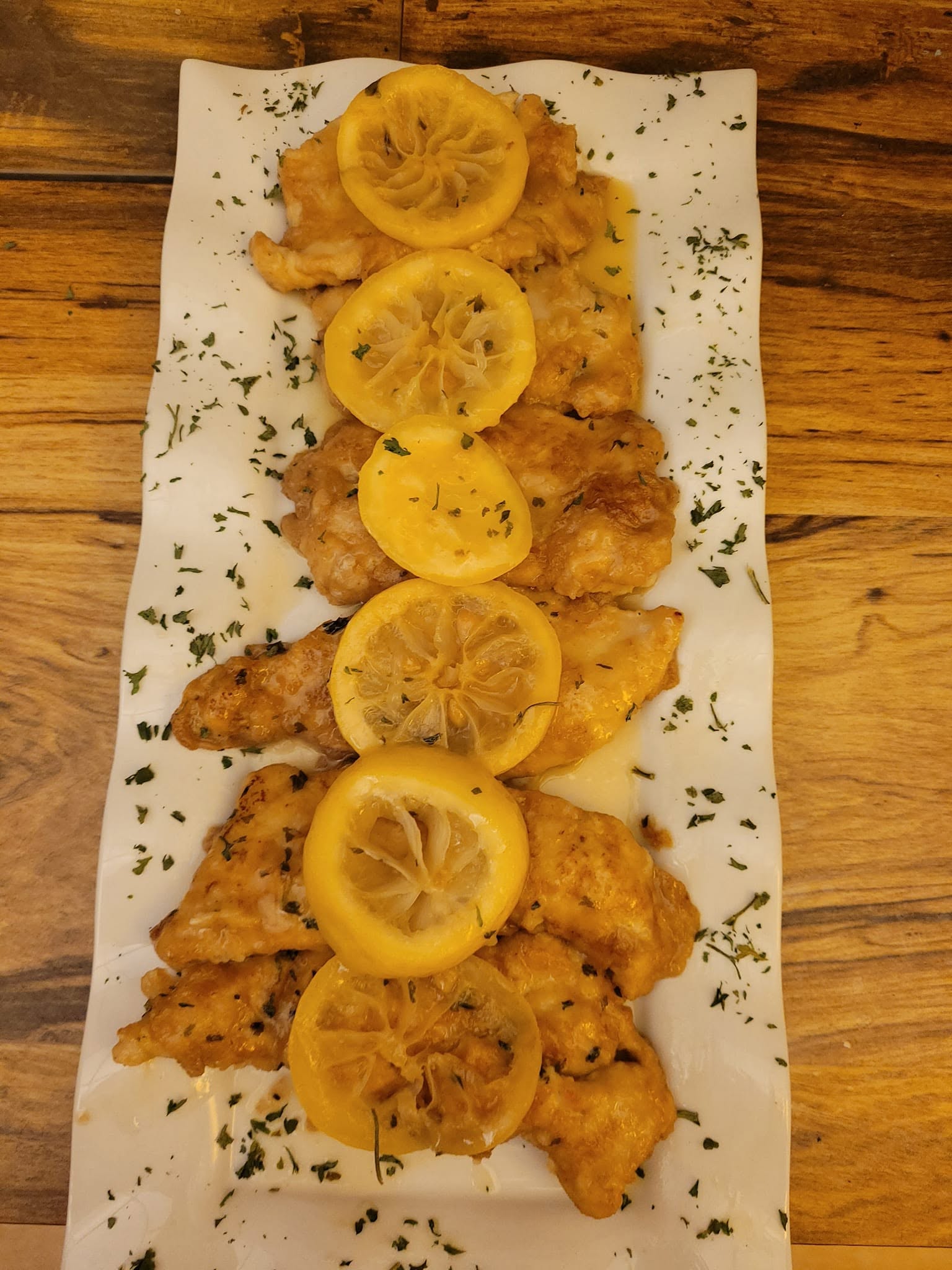
Chicken Francese is a classic Italian-American dish featuring thin, tender chicken cutlets coated in flour and egg, pan-fried until golden, then finished in a silky lemon, butter, white wine, and chicken broth sauce.
What makes this dish especially appealing is the contrast between the delicate egg-coated chicken and the bright, buttery sauce. Parmesan in the coating adds a subtle savory richness, while fresh lemon juice gives the sauce enough acidity to keep the dish from feeling heavy.
Elegant enough for a dinner party but simple enough for a weeknight meal, Chicken Francese pairs beautifully with pasta, rice, mashed potatoes, roasted vegetables, or crusty bread.
Why People Will Love Chicken Francese Recipe Recipe
The chicken stays tender and juicy because it cooks quickly in thin cutlets.
The flour-and-egg coating creates a delicate golden crust rather than a heavy breading.
Fresh lemon juice gives the sauce a bright, refreshing flavor.
Butter creates a rich, velvety finish.
White wine adds subtle acidity and depth.
Chicken broth gives the sauce savory body without making it overly rich.
Parmesan adds a gentle nutty flavor to the coating.
Garlic and onion build a flavorful aromatic base.
The browned bits left in the skillet make the sauce even more flavorful.
The dish looks elegant but uses familiar ingredients.
It cooks relatively quickly once the chicken is prepared.
The sauce is perfect for spooning over pasta, rice, or potatoes.
The lemon-butter flavor pairs well with many side dishes.
It can easily be adjusted to taste more tangy, buttery, or garlicky.
Key Ingredients
Chicken Breasts:
Chicken breasts are sliced horizontally and pounded thin so they cook quickly and evenly while staying tender.
All-Purpose Flour:
Flour creates the first coating on the chicken and also helps thicken the lemon-wine sauce later.
Eggs:
The egg coating is one of the defining features of Chicken Francese. It gives the chicken a soft, golden exterior that absorbs some of the sauce.
Parmesan Cheese:
Parmesan adds salty, nutty richness to the egg coating and complements the lemon sauce.
Fresh Lemon Juice:
Lemon provides the signature brightness of the dish and balances the butter.
Dry White Wine:
Wine contributes acidity and complexity while helping deglaze the browned bits from the pan.
Chicken Broth:
Broth gives the sauce savory depth and helps create enough liquid to coat the chicken.
Butter:
Butter enriches both the cooking process and the finished sauce, giving it a smooth, luxurious texture.
Garlic and Onion:
These aromatics create a savory foundation and make the sauce more layered and flavorful.
Fresh Parsley:
Parsley adds freshness and color just before serving.
Expert Tips
Pound the chicken to an even thickness so every piece cooks at the same rate.
Pat the chicken dry before seasoning to help the coating adhere.
Season both the chicken and coating lightly for better overall flavor.
Do not use too much paprika if you want the sauce to remain pale and golden.
Shake off excess flour before dipping the chicken into the egg mixture.
Let extra egg drip off before placing the chicken in the skillet.
Use a large skillet and avoid overcrowding the pan.
Cook in batches if necessary for better browning.
Keep the heat around medium to medium-high rather than extremely high.
Add fresh butter between batches if the pan becomes dry.
Let the flour in the sauce cook for about 2 minutes to eliminate its raw flavor.
Deglaze the pan thoroughly so the browned chicken bits become part of the sauce.
Simmer the wine before adding the remaining liquids so its flavor mellows.
Add lemon gradually if you prefer a less tart sauce.
Return the chicken only briefly at the end so it does not overcook.
Chicken Francese Recipe
Ingredients:
2 large Boneless skinless chicken breasts cut horizontally into two
½ tsp Kosher salt
½ tsp Black pepper powder
½ tsp Garlic powder
½ tsp Paprika or cayenne pepper
Coating:
1 cup (125 g) All-purpose flour
¼ cup (25 g) Parmesan cheese grated, optional
2 large Eggs beaten
½ tsp Salt
½ tsp Black pepper powder
Sauce
2 tbsp Olive oil
4 tbsp Unsalted butter
½ cup Onion finely chopped
1 large Garlic clove finely chopped
2 tbsp All-purpose flour
½ cup (120 ml) Dry white wine
½ cup (120 ml) Chicken broth
¼ cup (60 ml) Lemon juice fresh
2 tbsp Fresh parsley chopped for garnish
Instructions:
Prepare the chicken – Cut each chicken breast into two horizontally. Place all the pieces between two sheets of plastic wrap and gently pound them to an even thickness. Then, season both sides of the chicken breasts with salt, pepper, garlic powder, and paprika.
Pro tip – Do not use too much paprika, as we do not want to change the color of the sauce.
2 large Boneless skinless chicken breasts,½ tsp Kosher salt,½ tsp Black pepper powder,½ tsp Garlic powder,½ tsp Paprika
Coating – Whisk the flour with a pinch of salt and pepper in a shallow dish. In another shallow dish, beat the eggs and Parmesan cheese together.
1 cup All-purpose flour
Coat the chicken – Dip each chicken breast into the flour mixture, coating both sides and shaking off any excess. Then, dip the chicken into the egg mixture, allowing any excess to drip off.
¼ cup Parmesan cheese,2 large Eggs,½ tsp Salt,½ tsp Black pepper powder
Cook the chicken – Heat 2 tablespoons of butter and 1 tablespoon of olive oil over medium-high heat in a large skillet. Once the butter has melted and the pan is hot, add the chicken breast pieces in a single layer and cook for about 3-4 minutes per side or until golden brown and cooked.
Remove the cooked chicken from the skillet and set aside on a plate.
Pro tip – Do not crowd the pan; do this in batches to ensure you have even browning.
2 tbsp Olive oil,4 tbsp Unsalted butter
Prepare the sauce – In the same skillet over medium heat, add the remaining butter and sauté the garlic and onions until the onions are translucent. Add the flour and cook for 2 minutes. Then, add the white wine and cook until thickened. Next, add the chicken broth and lemon juice. Simmer for 3 to 5 minutes making sure to scrape the pan to remove any brown bits and prevent sticking.
Pro tip – Don’t make haste let the flour cook through and simmer to wine to let the alcohol evaporate.
½ cup Onion,1 large Garlic clove,2 tbsp All-purpose flour,½ cup Dry white wine,½ cup Chicken broth,¼ cup Lemon juice
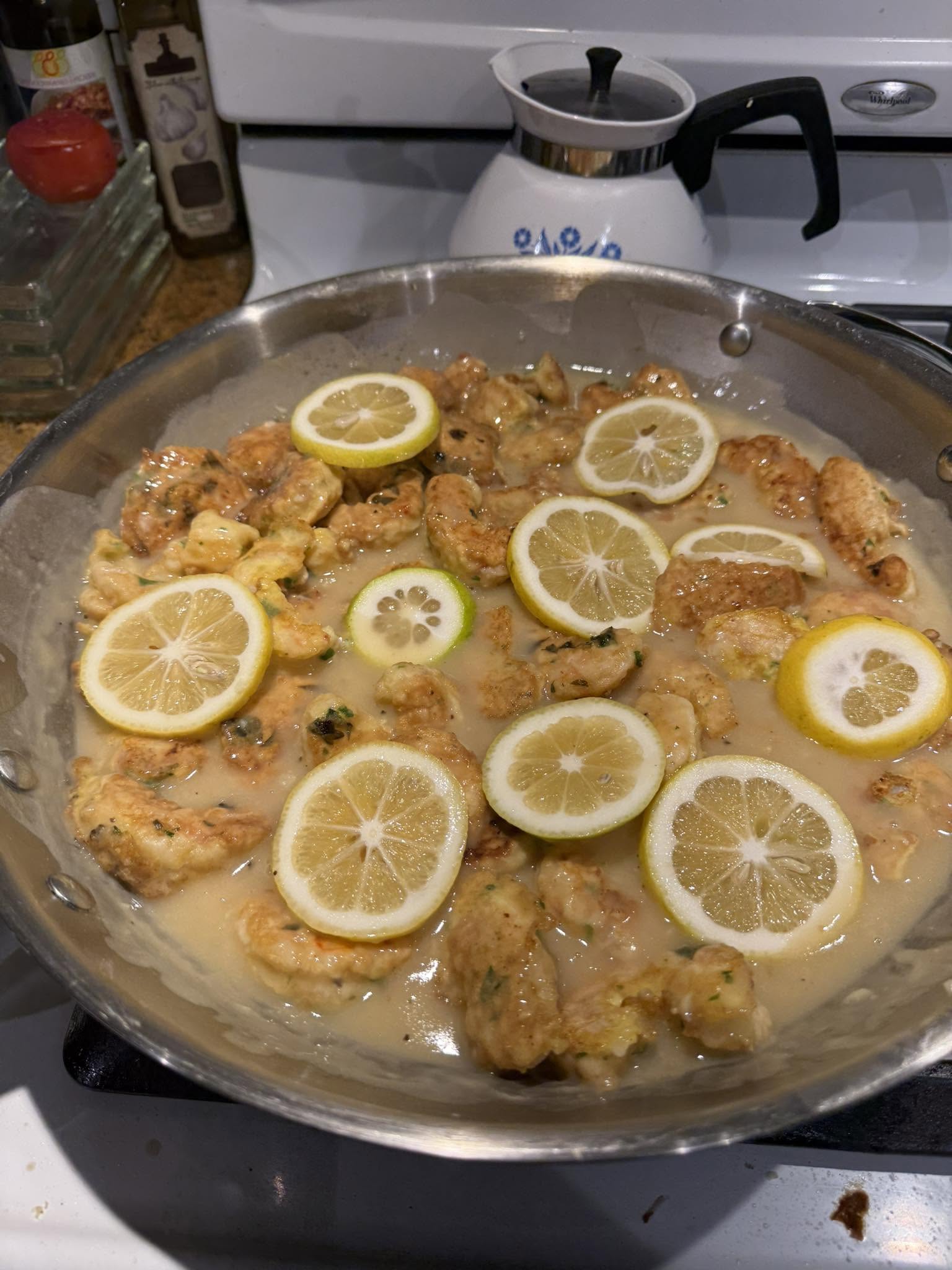
Finish the dish – Return the cooked chicken breasts to the skillet and coat them with the sauce. Cook for a minute or two to heat the chicken through and allow the flavors to meld.
Serve – Transfer the chicken francese to a serving platter, spoon some sauce, and garnish with chopped parsley. Serve with pasta, rice, or crusty bread. Enjoy!
2 tbsp Fresh parsley
Important Notes When Making Chicken Francese Recipe
Thin chicken cutlets cook much faster than whole chicken breasts.
Chicken should reach an internal temperature of 165°F / 74°C.
Overcooking can make the chicken dry.
The egg coating will be softer than traditional breaded chicken, which is normal for Chicken Francese.
Dry white wine such as Pinot Grigio, Sauvignon Blanc, or unoaked Chardonnay works well.
Avoid sweet wine because it can make the sauce taste unbalanced.
If you prefer not to use wine, substitute additional chicken broth with a small extra squeeze of lemon.
The sauce will thicken as it simmers.
If it becomes too thick, add a splash of broth.
If it is too thin, simmer uncovered for another minute or two.
Lemon juice varies in acidity, so taste before adding more.
Parmesan and chicken broth can both contribute salt.
Fresh parsley is best added immediately before serving.
Chicken Francese is best served soon after cooking while the coating is tender and the sauce is fresh.
How to Enjoy Chicken Francese Recipe After Cooking
Once the chicken has been returned to the skillet and coated with the lemon-butter sauce, let it warm gently for about 1–2 minutes.
Transfer the chicken to a warm serving platter and spoon plenty of sauce over each piece.
Finish with chopped fresh parsley and, if desired, a few thin lemon slices for presentation.
For a classic meal, serve Chicken Francese over linguine, angel hair pasta, spaghetti, or another simple pasta. Spoon some of the lemon sauce over the pasta as well.
Mashed potatoes, roasted potatoes, or rice are also excellent because they absorb the flavorful sauce.
For vegetables, pair the chicken with roasted asparagus, broccoli, green beans, zucchini, or a simple green salad.
Crusty Italian bread is another great addition because it can be used to soak up the remaining lemon-butter sauce.
For the best bite, combine a piece of tender chicken with some of the egg coating and plenty of sauce so you get the savory, buttery, lemony flavors together.
If reheating leftovers, use gentle heat and add a small splash of broth to keep the sauce from becoming too thick.
Nutrition Information
Approximate nutrition per serving, based on about 4 servings:
Calories: 520 kcal | Total Fat: 27 g | Saturated Fat: 11 g | Monounsaturated Fat: 11 g | Polyunsaturated Fat: 2.5 g | Cholesterol: 190 mg | Sodium: 800–1,050 mg depending on chicken broth, Parmesan, and added salt | Total Carbohydrates: 22 g | Dietary Fiber: 1 g | Sugars: 3 g | Protein: 43 g
Additional estimate:
Calcium: 110–160 mg | Potassium: 650–800 mg | Iron: 3–4 mg | Vitamin A: 700–1,000 IU | Vitamin C: 8–14 mg
Frequently Asked Questions:
What does Chicken Francese taste like?
Chicken Francese tastes buttery, savory, slightly tangy, and fresh, with a delicate egg-coated chicken cutlet covered in a lemon-wine sauce.
What is the difference between Chicken Francese and Chicken Piccata?
Chicken Francese is dipped in flour and then egg before frying, while Chicken Piccata is usually dredged only in flour and often includes capers.
Is Chicken Francese very lemony?
It has a noticeable lemon flavor, but the butter, broth, and wine balance the acidity. You can reduce the lemon juice if you prefer a milder taste.
What should I serve with Chicken Francese?
Pasta, mashed potatoes, rice, asparagus, broccoli, green beans, salad, and crusty bread are all excellent choices.
Is Chicken Francese suitable for a special dinner?
Yes. It has an elegant appearance and restaurant-style flavor while still being fairly simple to prepare at home.
Why do I dip the chicken in flour before egg?
The flour helps the egg mixture adhere to the chicken, creating the characteristic soft golden coating of Chicken Francese.
Why is my chicken coating falling off?
The chicken may have been too wet, coated with too much flour, or moved too soon after being placed in the skillet. Pat the chicken dry and let the first side set before turning.
Can I make Chicken Francese without white wine?
Yes. Replace the wine with additional chicken broth and add a little extra lemon juice if needed for acidity.
How can I prevent the sauce from becoming too thick?
Keep extra chicken broth nearby and whisk in a small amount whenever the sauce becomes thicker than you prefer.
Can I prepare the chicken ahead of time?
You can slice, pound, and season the chicken several hours ahead. For the best texture, coat and pan-fry it shortly before serving.