Chicken And Cabbage Soup With Ginger
Chicken and Cabbage Soup with Ginger is a light but deeply comforting soup made with tender chicken thighs, green cabbage, carrots, celery, baby potatoes, garlic, fresh ginger, herbs, and a savory chicken broth.
The ginger and garlic give the soup a warm, aromatic character, while cabbage and potatoes make it hearty enough for a full meal. A small splash of champagne vinegar added at the end brightens the broth and keeps the soup from tasting flat or overly heavy.
It is simple, nourishing, and especially good for chilly evenings, easy family dinners, or anytime you want a broth-based soup that still feels substantial and satisfying.
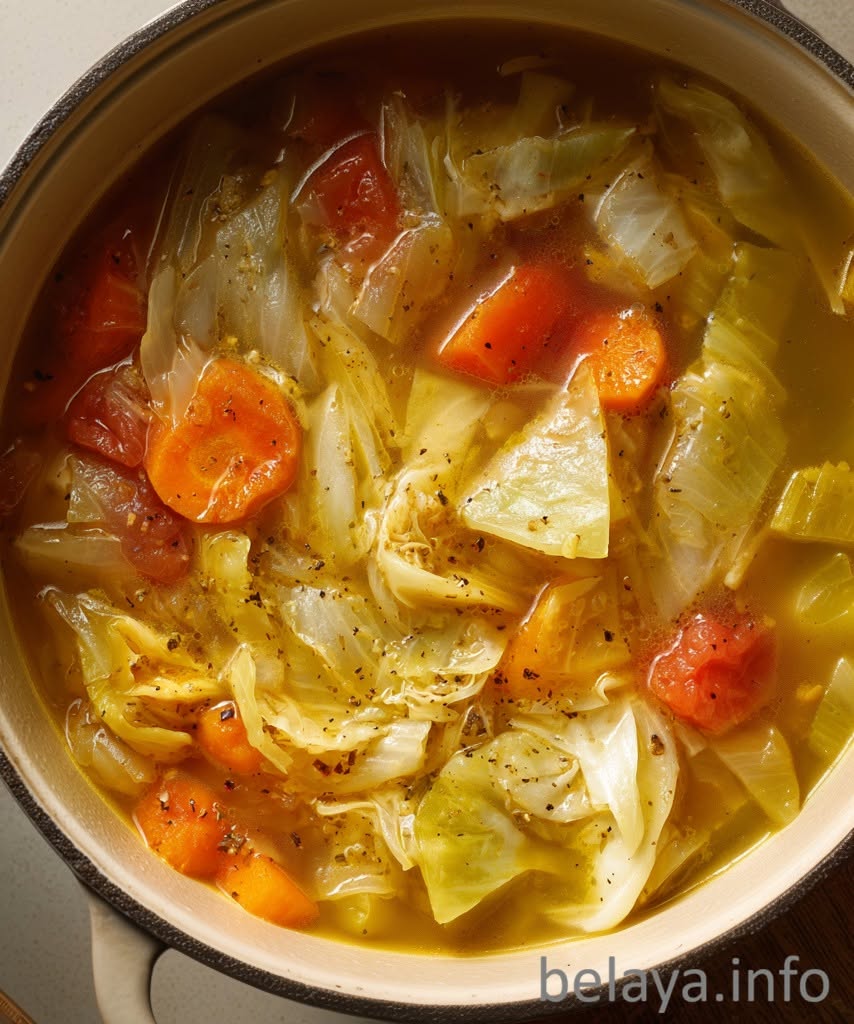
Why People Will Love Chicken And Cabbage Soup With Ginger Recipe
It is light, comforting, and full of fresh flavor.
Chicken thighs stay tender and juicy in the broth.
Fresh ginger adds warmth without making the soup spicy.
Garlic brings savory depth and aroma.
Cabbage becomes tender and slightly sweet as it cooks.
Baby potatoes make the soup hearty and filling.
Carrots add natural sweetness and bright color.
Celery creates a classic savory soup base.
Rosemary gives the broth an earthy herbal note.
Cumin adds subtle warmth and complexity.
Champagne vinegar brightens the entire soup at the end.
Fresh herbs make the finished bowl taste fresher and more vibrant.
The soup is easy to adapt with other vegetables.
It reheats well and works nicely for meal prep.
Key Ingredients
Chicken Thighs:
Boneless, skinless chicken thighs are flavorful and forgiving. They stay moist during simmering and shred easily once cooked.
Green Cabbage:
Cabbage adds body, mild sweetness, and a soft but substantial texture to the soup.
Fresh Ginger:
Ginger gives the broth warmth and brightness, pairing especially well with garlic and chicken.
Garlic:
Garlic forms part of the aromatic foundation and deepens the savory flavor of the broth.
Baby Yellow Potatoes:
These potatoes hold their shape well while becoming creamy and tender inside.
Carrots and Celery:
Together they create sweetness, freshness, and a traditional soup base.
Chicken Stock:
Chicken stock carries the flavor of all the vegetables, herbs, and chicken and gives the soup its savory backbone.
Rosemary and Cumin:
Rosemary adds an earthy, herbaceous note, while cumin gives subtle warmth.
Champagne Vinegar:
This is an important finishing ingredient because it adds acidity and lifts the flavors of the broth.
Fresh Herbs:
Parsley, dill, or basil add freshness and color just before serving.
Expert Tips
Chop the ginger finely so its flavor distributes evenly throughout the soup.
Sweat the carrots, celery, garlic, and ginger gently rather than browning them heavily.
Cut the potatoes into similar-sized pieces so they cook evenly.
Add the cabbage in bite-sized pieces so it is easy to eat.
Use chicken thighs for the juiciest result.
Do not overcook the chicken before shredding.
Keep the soup at a steady simmer rather than a hard boil.
Taste the potatoes before serving to make sure they are fully tender.
Add the vinegar only near the end so the acidity stays fresh.
Use low-sodium chicken stock if you want better control over salt.
Fresh dill gives the soup a particularly bright flavor.
If the broth reduces too much, add a splash of water or extra stock.
Let the shredded chicken simmer briefly after returning it to the pot.
Taste again after adding vinegar because acidity can change how salty the soup tastes.
Add fresh herbs just before serving for the best aroma.
Chicken And Cabbage Soup With Ginger
Ingredients
1 tablespoon olive oil extra virgin
6 cloves garlic finely chopped
1 inch ginger peeled and finely chopped, see note 1
2 carrots medium, chopped
2 stalks celery chopped
1 pound baby yellow potatoes quartered
½ head green cabbage medium, cut into bite-sized pieces
1 pound chicken thighs boneless, skinless
2 quarts chicken stock
¼ teaspoon cumin
¾ teaspoon rosemary dried
kosher salt to taste
black pepper to taste
2 tablespoons champagne vinegar see note 2
fresh herbs like parsley, dill, or basil, optional
Instructions
Place a large pot over medium-low heat. Add the olive oil, carrots, celery, garlic, and ginger, and sweat for a few minutes, until softened.
Add the potatoes, cabbage, rosemary, cumin, salt, pepper, and broth to the pot. Bring up to a boil and down to medium-high heat. Cook for five minutes.
Add the chicken and cook for 8 to 10 minutes, until cooked through.
Shred the chicken using two forks, then return to the pot.
Cook for a few more minutes to let the flavors combine. Stir in the vinegar, taste for seasoning, and serve with fresh herbs, if using.
Important Notes When Making Chicken And Cabbage Soup With Ginger
Chicken breast can be used, but thighs generally stay more tender.
Ginger can become strong if too much is added, so start with the suggested amount.
Cabbage softens significantly as it cooks.
Baby yellow potatoes hold together better than very starchy potatoes.
Champagne vinegar can be replaced with white wine vinegar or apple cider vinegar.
The soup should not be boiled aggressively once the chicken is added.
Chicken should be fully cooked before shredding.
Fresh herbs are optional but add noticeable brightness.
The soup may taste richer the next day after the flavors settle.
Potatoes can soften further during storage.
If freezing, expect the potatoes to change texture slightly after thawing.
Salt should be adjusted at the end, especially if the stock is already seasoned.
If using rosemary that is very strong, slightly reduce the amount.
Leftovers should be reheated gently over medium-low heat.
How to Enjoy Chicken And Cabbage Soup With Ginger After Cooking
Once the chicken is shredded and returned to the pot, let the soup simmer for a few extra minutes so the meat absorbs the broth and the flavors come together.
Stir in the champagne vinegar, then taste the soup and adjust the salt, black pepper, or vinegar if needed.
Ladle the soup into deep bowls, making sure each serving contains chicken, cabbage, potatoes, carrots, celery, and plenty of broth.
Top with fresh parsley, dill, or basil. Dill is especially good if you want a fresher, slightly more aromatic finish.
Serve the soup with crusty bread, toasted sourdough, warm dinner rolls, or a simple grilled cheese sandwich.
For a lighter meal, pair it with a green salad or cucumber salad.
For the best bite, spoon together a piece of chicken, cabbage, potato, and broth so you get both the savory and fresh elements at once.
If you have leftovers, refrigerate them in an airtight container. Reheat slowly on the stovetop and add a little extra broth or water if the soup has thickened too much.
Nutrition Information
Approximate nutrition per serving:
Calories: 318 kcal | Total Fat: 9 g | Saturated Fat: 2 g | Monounsaturated Fat: 5 g | Polyunsaturated Fat: 2 g | Cholesterol: 81 mg | Sodium: 562 mg | Total Carbohydrates: 32 g | Dietary Fiber: 4 g | Sugars: 9 g | Protein: 26 g
Additional estimate:
Potassium: 1,084 mg | Calcium: 75 mg | Iron: 2 mg | Vitamin A: 3,562 IU | Vitamin C: 46 mg
Note: Nutrition will vary depending on the sodium level of the chicken stock, the size of the potatoes, the exact amount of chicken used, and the final serving size.
Frequently Asked Questions
What does Chicken and Cabbage Soup with Ginger taste like?
It tastes savory, fresh, gently herbaceous, and warming, with mild sweetness from the cabbage and carrots and brightness from ginger and vinegar.
Is the ginger flavor very strong?
No. One inch of ginger gives the broth noticeable warmth without overpowering the chicken and vegetables.
What should I serve with this soup?
Crusty bread, toasted sourdough, grilled cheese, green salad, or a simple cucumber salad all pair well.
Is this soup good for meal prep?
Yes. It keeps well in the refrigerator and often tastes even better the next day.
Can I freeze this soup?
Yes, although the potatoes may become slightly softer or grainier after thawing.
Can I use chicken breast instead of chicken thighs?
Yes. Chicken breast works, but it is leaner and should be watched carefully so it does not overcook.
Can I use another vinegar instead of champagne vinegar?
Yes. White wine vinegar or apple cider vinegar are both good substitutes.
Why is vinegar added at the end?
Adding it near the end keeps the flavor bright and helps lift the savory broth without dulling the acidity through long cooking.
Can I add other vegetables?
Yes. Zucchini, spinach, green beans, peas, or bell peppers can all work well.
What should I do if the soup tastes too strong or too salty?
Add a little extra water or unsalted broth, then taste again. A small splash of vinegar can also help rebalance a broth that tastes overly heavy.