Shrimp Scampi
Shrimp Scampi is one of those timeless dishes that feels both luxurious and effortless, turning simple ingredients into something unforgettable.
Tender shrimp seared just until blushing, a sauce built on garlic, shallots, white wine, and butter—each component comes together to create a harmony of brightness, richness, and aroma. The sizzle of garlic, the perfume of thyme, and the final swirl of butter transform the pan into a symphony of flavor.
Whether served over pasta or with crusty bread, this dish captures the beauty of Italian-inspired cooking: bold, simple, and deeply satisfying.
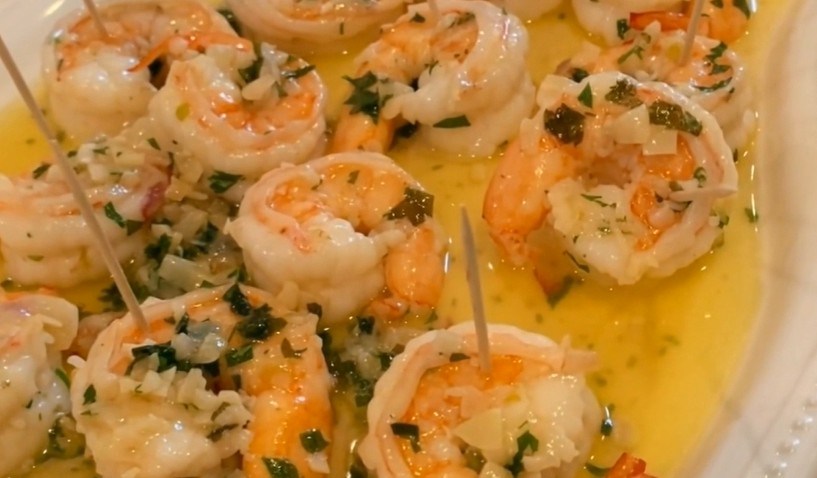
Why People Will Love This Shrimp Scampi Recipe:
It transforms simple ingredients into true elegance, turning garlic, wine, butter, and shrimp into a restaurant-quality dish that feels luxurious yet comforting.
The flavors strike a perfect balance—bright lemon, aromatic thyme, rich butter, and sweet shrimp create a harmony that’s bold without being heavy.
The searing technique preserves the shrimp’s tenderness, keeping them juicy and delicate while building incredible depth in the pan.
The sauce is irresistibly silky and fragrant, reducing into a glossy mixture that clings beautifully to pasta or soaks into crusty bread.
It’s quick enough for a weeknight but impressive enough for entertaining, making it a go-to recipe for both everyday cooking and special occasions.
The recipe is highly adaptable, inviting swaps in herbs, wine, or even protein, while still maintaining its signature scampi essence.
Every step enhances the aroma and emotion of cooking, from sizzling garlic to the final swirl of butter—offering a sensory experience as satisfying as the meal itself.
Key Ingredients
Shrimp – The heart of the dish: sweet, tender, and naturally rich. When seared briefly, they release a subtle brininess that forms the backbone of the scampi’s signature flavor.
Garlic & Shallots – The aromatic duo that builds the soul of the sauce. Garlic brings warmth and intensity, while shallots contribute a soft sweetness that melts seamlessly into the butter and wine.
Extra-Virgin Olive Oil – Fruity and fragrant, it carries the aromatics, helps sear the shrimp beautifully, and forms the first layer of richness in the pan.
Dry White Wine – Bright and crisp, it deglazes the skillet, lifting every golden bit from the bottom and infusing the sauce with acidity, depth, and a gentle sharpness.
Butter – The finishing element that transforms the sauce into something velvety and luxurious. It rounds the edges of the wine and aromatics, creating a luscious texture that coats each shrimp.
Fresh Thyme & Parsley – Thyme adds earthy, savory perfume while parsley brings fresh, clean brightness. Together, they balance the richness of the dish with herbaceous lift.
Lemon Juice – A burst of brightness that awakens the entire sauce, sharpening each flavor and ensuring the dish never feels heavy.
Expert Tips
Sear the shrimp for flavor, not doneness. The goal in the first cook is to build color and deepen flavor—not to fully cook the shrimp. A quick, hot sear gives them a sweet, caramelized edge while keeping the centers tender for the final simmer.
Let the garlic and shallots cook slowly into the oil. Rushing this step can burn the garlic and turn it bitter. Allow the paste to soften, release its aroma, and lightly toast—it becomes the foundation of a deeply flavorful sauce.
Reduce the wine with intention. When the wine boils rapidly and reduces by half, it concentrates into something bright, complex, and slightly sweet. This reduction is what gives scampi its restaurant-quality depth.
Use cold butter to finish the sauce. Adding cold butter at the end helps emulsify the sauce, creating a glossy, silky texture that clings beautifully to shrimp, pasta, or bread.
Don’t walk away while reducing the sauce. Reduction happens fast. Staying close allows you to catch the perfect moment when the sauce thickens enough to coat a spoon but still feels light.
Taste for brightness at the end. Lemon juice can transform the entire dish. Add a little at a time until the sauce feels lifted, balanced, and alive.
Watch the shape of the shrimp. Perfectly cooked shrimp form a soft “C.” When they tighten into an “O,” they’re overcooked. Gentle heat is the secret to keeping them succulent.
Use breadcrumbs only as a last resort. Thickening with breadcrumbs is effective but subtle. Add sparingly—they should enhance the sauce’s body without masking its delicate, buttery sheen.
Shrimp Scampi
Ingredients:
3 shallots, peeled and chopped (about ½ cup)
7 garlic cloves, crushed and peeled
¾ cup extra-virgin olive oil
2 pounds extra-large or jumbo shrimp, peeled and deveined
4 sprigs fresh thyme
2½ teaspoons kosher salt
2 cups dry white wine
2 tablespoons freshly squeezed lemon juice
6 tablespoons unsalted butter
½ cup chopped fresh Italian parsley
1 tablespoon dry bread crumbs, if needed
Instructions:
Step 1
Combine the shallots, five garlic cloves, and 2 tablespoons of the oil in a mini–food processor.
Process to make a smooth paste.
Step 2
Pour 6 tablespoons olive oil and the remaining garlic into a large skillet over medium-high heat.
Let the garlic sizzle for a minute, then add half of the shrimp and all of the thyme sprigs.
Season with ½ teaspoon salt, and cook until the shrimp are seared but not fully cooked, about 1 to 2 minutes.
Remove to a plate, and repeat with the remaining shrimp and another ½ teaspoon salt.
Remove the shrimp and thyme from the skillet to the plate.
Step 3
Add the remaining 4 tablespoons olive oil and the garlic-shallot paste to the same skillet set over medium heat.
Cook, stirring constantly, until the paste has dried out and begins to stick to the bottom of the skillet, about 2 to 3 minutes.
Return the thyme to the skillet, and pour in the white wine, lemon juice, the remaining 1½ teaspoons salt, 4 tablespoons of the butter, and 1 cup water.
Bring the sauce to a rapid boil, and cook until reduced by half, about 4 to 5 minutes.
Step 4
When the sauce has reduced, whisk in the remaining butter and return the shrimp to the pan.
Cook and toss until the shrimp are coated with the sauce and just cooked through, about 2 to 3 minutes.
Stir in the parsley.
If the sauce still seems too thin, stir in the bread crumbs and bring to a boil just to thicken. Serve immediately.
Important Notes When Making Shrimp Scampi
Avoid overcrowding the skillet. Shrimp need direct contact with heat to sear properly. Crowding lowers the temperature and causes them to steam instead of caramelize, which flattens the flavor of the entire dish.
Use wine you would actually drink. The wine reduction becomes the soul of the sauce. A low-quality or overly sweet wine will translate directly into the dish’s flavor. A crisp, dry white ensures clean, bright results.
Mind the garlic—toasted, not burned. Burned garlic can turn the sauce harsh and bitter. If it begins to darken too quickly, lower the heat immediately. Gentle, slow cooking releases sweetness and complexity.
Salt gradually, not aggressively. This recipe builds layers of seasoning at different stages—shrimp, paste, reduction, finish. Taste as you go to avoid over-salting and to let each layer shine naturally.
The reduction determines the sauce’s character. Stop reducing too early and the sauce will taste thin; reduce too much and it may turn overly sharp or concentrated. Aim for a glossy, lightly thickened texture that coats the back of a spoon.
Fresh herbs change the finish. Thyme deepens the dish with earthy fragrance, while parsley brings a burst of brightness. Adding parsley at the very end preserves its freshness and color.
Serve immediately—this dish waits for no one. Once the shrimp are cooked through and the butter is emulsified, the scampi is at its peak. Delaying service can overcook the shrimp and cause the sauce to separate.
Balance richness with freshness. A final squeeze of lemon or pinch of parsley can cut through the butter and oil, delivering the clean, vibrant flavor scampi is known for.
How to Enjoy Shrimp Scampi After Cooking
Serve it the moment the sauce turns silky. Shrimp Scampi is at its absolute peak right after the butter emulsifies and the shrimp turn perfectly opaque. Delaying even a few minutes can change the texture—so bring the plates to the table first, then the scampi.
Warm your bowls or plates. Heat them briefly with hot water or in a low oven. A warm surface keeps the sauce glossy and prevents the butter from solidifying, ensuring every bite remains smooth and luxurious.
Give the shrimp one last gentle toss. Right before plating, swirl them through the sauce so they’re fully coated. This allows every piece to carry the deep flavors of wine, garlic, thyme, and butter.
Spoon the sauce with intention. Don’t just ladle the shrimp—capture the aromatic sauce at the bottom of the pan. This is where the reduction, the butter, and the thyme infuse together, creating the essence of scampi.
Pair it with something that compliments the richness. Fresh pasta, warm crusty bread, or even a simple side of sautéed greens provides balance. Bread is especially rewarding—it absorbs the sauce like a sponge, turning every bite into something luxurious.
Finish with freshness. A squeeze of lemon or a scattering of parsley lifts the flavors and brings brightness to the richness. It sharpens the dish and keeps it feeling vibrant.
Eat slowly and savor intentionally. Notice the way the garlic perfumes the butter, how the wine reduction lingers, how the shrimp stay tender yet firm. Good scampi is as much about the sensory experience as it is about the taste.
Enjoy it with company—or in quiet. Shrimp Scampi has an intimate quality, perfect for a dinner with someone special, but just as lovely enjoyed alone with music or candlelight. It’s a dish that invites you to slow down.
Nutrition Information:
For Shrimp Scampi (per serving, based on 6 servings)
Calories: 540 kcal | Total Fat: 42 g | Saturated Fat: 15 g | Monounsaturated Fat: 22 g | Polyunsaturated Fat: 3 g | Cholesterol: 250 mg | Sodium: 1100–1200 mg (depending on added salt & shrimp) | Total Carbohydrates: 9 g | Dietary Fiber: 1 g | Sugars: 2 g | Protein: 30 g
Frequently Asked Questions:
Can I make this recipe without wine, and what’s the best substitute?
Yes. If you prefer not to use wine, substitute with chicken broth mixed with a splash of lemon juice. It won’t have the same depth as a wine reduction, but it still creates a bright, flavorful sauce with good balance.
How do I keep the shrimp tender and avoid overcooking?
Cook the shrimp in two stages: a quick, high-heat sear at the beginning and a gentle finish in the sauce at the end. Perfect shrimp form a soft “C” shape—if they curl tightly into an “O,” they’ve overcooked.
Can I make the garlic-shallot paste ahead of time?
Absolutely. The paste can be prepared up to 2 days in advance and stored in an airtight container in the refrigerator. Making it ahead deepens the flavor and speeds up weeknight cooking.
My sauce didn’t thicken enough—what went wrong?
Most likely, the wine wasn’t reduced long enough. The reduction should be rapid and should drop to about half its original volume. If the sauce is still too thin, a tiny amount of bread crumbs can be added to help it tighten without affecting flavor.
What type of shrimp works best for Shrimp Scampi?
Extra-large or jumbo shrimp are ideal because they stay juicy and meaty during the quick cooking process. Smaller shrimp cook too quickly and may become rubbery or get lost in the sauce.
Why do I need to sear the shrimp in batches instead of cooking them all at once?
Searing in batches prevents overcrowding, which would cause the shrimp to steam instead of brown. Proper searing builds flavor, keeps the shrimp tender, and ensures even cooking for every piece.
How do I know when the garlic-shallot paste is cooked enough?
The paste is ready when it dries out, loses its raw smell, and begins to lightly stick to the bottom of the skillet. This caramelization deepens the flavor and forms the base of the sauce.
What’s the correct way to reduce the wine for this dish?
Bring the wine to a rapid boil and cook until it reduces by half. It should smell slightly sweet, taste vibrant, and begin to thicken. Under-reducing leads to a watery sauce; over-reducing can make the sauce too sharp.
When should I add the butter so the sauce becomes silky instead of greasy?
Add the final pieces of butter off the heat or over very low heat, whisking until the sauce emulsifies. High heat can cause the butter to separate, resulting in an oily, broken sauce.
Why does my shrimp sometimes turn rubbery, and how can I avoid it?
Rubbery shrimp are a sign of overcooking. To avoid this, cook the shrimp only partially during the initial sear, then finish them gently in the sauce. Remove them from heat as soon as they turn opaque and form a soft “C” shape.