Orecchiette With Sausage And Broccoli Rabe
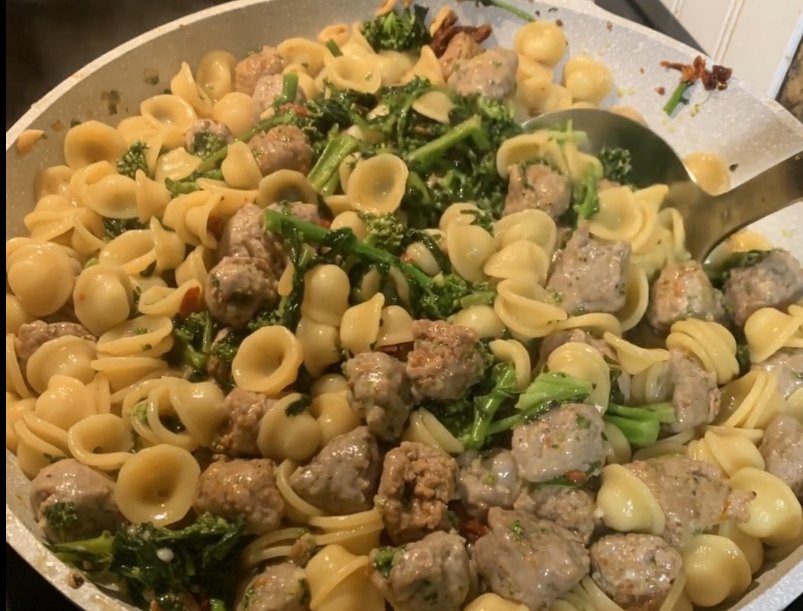
Orecchiette with Sausage and Broccoli Rabe is a dish rooted in the rustic kitchens of Southern Italy—simple in ingredients, yet deeply expressive in flavor. The tender, cup-shaped pasta catches a savory blend of caramelized sausage, garlicky olive oil, and the pleasantly bitter bite of broccoli rabe, creating a balance that is both bold and comforting.
This recipe celebrates the beauty of contrast: rich and hearty sausage against bright greens, silky pasta against crisp-tender vegetables, and the finishing touch of sharp Pecorino Romano tying everything together with depth and saltiness. It’s the kind of meal that feels both homey and elegant, equally perfect for a quick weeknight dinner or a relaxed gathering around the table.
At its heart, this dish is about honest ingredients and careful technique—a reminder that when flavors are treated with respect, even the simplest combination can become something truly unforgettable.
Why People Will Love This Orecchiette With Sausage And Broccoli Rabe Recipe
Perfect balance of bold and bright flavors – The savory richness of Italian sausage is beautifully offset by the natural bitterness of broccoli rabe, creating a layered, sophisticated taste that never feels heavy.
Authentic Italian comfort with a rustic soul – This dish reflects traditional Southern Italian cooking, where simple ingredients are transformed into something deeply satisfying and emotionally comforting.
Texture that keeps every bite interesting – The tender orecchiette cups catch bits of sausage and greens, while the slight bite of al dente pasta contrasts with the silky olive oil coating.
Deep, slow-built flavor from minimal ingredients – Garlic, olive oil, and Pecorino Romano create a rich, savory base that proves you don’t need complicated ingredients to achieve complex taste.
Naturally balanced and not overly creamy – Unlike many pasta dishes, this one relies on olive oil and pasta water instead of heavy cream, making it feel lighter yet still indulgent.
A harmony of salty, bitter, and umami notes – The saltiness of Pecorino, the umami from sausage, and the gentle bitterness of broccoli rabe combine into a flavor profile that feels refined and restaurant-quality.
Highly versatile and adaptable – It can be made spicier with more chile flakes, lighter with turkey sausage, or vegetarian by replacing sausage with mushrooms or beans.
Quick enough for weeknights, impressive enough for guests – It delivers gourmet-level flavor in a relatively short cooking time, making it both practical and special.
Aromatic and inviting from the first step – The scent of garlic, olive oil, and sizzling sausage fills the kitchen, creating an experience that begins before the first bite.
Deeply satisfying without feeling overly heavy – It leaves you full and comforted, yet not weighed down—making it a dish you’ll crave again and again.
Key Ingredients
Orecchiette pasta – These small, ear-shaped pasta shells are designed to cradle the sauce. Their curved shape catches the savory sausage crumbles and bits of broccoli rabe, ensuring every bite delivers a perfect balance of texture and flavor.
Sweet Italian sausage – This is the heart of the dish, bringing richness, natural fat, and deep umami. As it cooks, it releases flavorful oils that become the base of the entire sauce, infusing the pasta with warmth and depth.
Broccoli rabe (rapini) – Slightly bitter and earthy, this green is essential for balance. It cuts through the richness of the sausage and cheese, adding freshness and a refined, grown-up flavor that defines this classic Italian pairing.
Extra-virgin olive oil – More than just a cooking fat, it adds fruitiness and smooth body to the dish, helping to carry the garlic and sausage flavors across the pasta.
Garlic slices – Gently sautéed, garlic provides a fragrant backbone that enhances every other ingredient without overpowering the dish.
Red chile flakes – A small pinch brings gentle heat and liveliness, elevating the savory notes and giving the dish a subtle, warming kick.
Pecorino Romano cheese – Salty, sharp, and slightly nutty, this aged sheep’s milk cheese melts into the pasta, adding depth and a silky finish that ties everything together.
Reserved pasta water – Often overlooked, this starchy liquid is the secret to a cohesive sauce. It emulsifies with the oil and cheese, creating a glossy coating that clings beautifully to each piece of pasta.
Freshly ground black pepper and salt – These final seasonings sharpen the flavors and highlight the natural character of each ingredient, ensuring the dish tastes vibrant and well-balanced.
Expert Tips:
Master the Sausage for Maximum Flavor
Brown deeply, not just cook through: Let the sausage sit undisturbed for a few minutes to develop a golden crust. This caramelization (Maillard reaction) creates complex savory depth.
Break into irregular chunks rather than tiny crumbles—this gives better texture and more satisfying bites.
If your sausage is lean, add a small drizzle of olive oil to help it brown properly.
Control the Bitterness of Broccoli Rabe
Blanch in salted water first (as in your method) to mellow the bitterness while preserving its bright green color.
For extra balance, you can add a pinch of sugar or a squeeze of lemon when sautéing—this softens harsh bitterness without masking its character.
Always squeeze it very dry after blanching—excess water will dilute the sauce and make the pasta watery.
Build a Silky, Restaurant-Style Sauce
The magic is in the pasta water + fat + cheese emulsion:
- Add the reserved pasta water gradually, not all at once.
- Toss constantly so the starch binds with sausage fat and cheese to create a glossy coating.
If the sauce looks greasy or separated, add a splash more pasta water and toss vigorously—this will bring it back together.
Garlic Timing Matters
Add garlic after the sausage is browned and heat is lowered to prevent burning.
Burnt garlic = bitter dish. You want it just lightly golden and fragrant.
Balance Heat and Seasoning
Red pepper flakes should wake up the dish, not dominate it. Start small—you can always add more later.
Because sausage and Pecorino are already salty, taste before adding extra salt at the end.
Cheese Technique for Best Texture
Remove the pan from direct heat before adding Pecorino Romano.
Add cheese gradually while tossing—this prevents clumping and ensures a smooth finish.
Add a Bright Finish (Chef Trick)
Right before serving, add:
- A tiny squeeze of lemon juice or
- A drizzle of good olive oil
- This lifts the whole dish and balances the richness beautifully.
Use the Right Pan
- Use a wide sauté pan or skillet, not a deep pot.
- This allows better evaporation, better tossing, and a more concentrated flavor.
Timing is Everything
Cook pasta so it’s just shy of al dente, then finish cooking it in the sauce.
This allows the pasta to absorb flavor instead of just being coated.
Final Plating Tip
Finish with:
- Freshly grated Pecorino
- Extra black pepper
- A drizzle of olive oil
Serve immediately while glossy and hot—the texture changes quickly as it cools.
Orecchiette With Sausage And Broccoli Rabe
Ingredients:
Salt
8 ounces sweet Italian sausage, casing removed
2 tablespoons olive oil
3 cloves garlic, thinly sliced
1 pinch red chile flakes
1 bunch (12 to 14 ounces) broccoli rabe, tough ends trimmed, cut into 1 1/2 inch pieces
12 ounces (3 1/2 cups) dry orecchiette pasta
1/2 cup freshly grated Pecorino Romano cheese
Freshly ground black pepper
Instructions:
Bring a large pot of well-salted water to a boil.
Meanwhile, break the sausage up into small pieces. Add the oil to a large skillet over medium heat. When the oil shimmers, add the sausage to the pan and cook, undisturbed, until the browned on one side, about 4 minutes.
Reduce heat to low. Add garlic and chile flakes and cook, stirring frequently until fragrant, about 1 minute. Cover and remove from the heat.
Add the broccoli rabe to the boiling water and cook, stirring frequently, until the leaves have wilted and stalks are crisp-tender, about 3 minutes.
Use a small sieve or tongs to scoop the broccoli rabe out of the water. (Some bits of rabe will remain in the water, that’s fine.) Drain the broccoli rabe in a colander and rinse with cold water until cool enough to handle.
Squeeze the broccoli rabe dry and add it to the pan with the sausage mixture. Cover the pan and set it over low heat.
Return the water to a boil and add the pasta. Cook until al dente. Drain, reserving 3/4 cup of the cooking water.
Add the drained pasta to the sausage mixture. Gradually stir in enough reserved pasta water to lightly coat the pasta. Stir in the cheese, season to taste with salt and pepper. Serve immediately.
Tips
If the stalks of the broccoli rabe are thicker than a pencil they tend to be tough. Either finely chop them or trim and discard the thickest stalks, if desired.
Make sure to squeeze the broccoli rabe well after blanching so it’s not soggy in the finished dish.
Important Notes When Making Orecchiette With Sausage And Broccoli Rabe
Salt Management is Critical
This dish contains naturally salty elements (Italian sausage + Pecorino Romano), so be careful not to oversalt.
Always salt the pasta water well, but taste the final dish before adding extra salt at the end.
If the sauce becomes too salty, you can balance it with a splash of pasta water or a drizzle of olive oil.
Broccoli Rabe Has a Purposeful Bitterness
Its slight bitterness is intentional and traditional—it balances the richness of sausage and cheese.
Do not overcook it to softness; it should remain crisp-tender with structure.
If you’re sensitive to bitterness, you can blanch a little longer or add a touch of lemon juice to soften the flavor.
Pasta Texture Defines the Dish
Orecchiette should be cooked al dente and slightly firm, as it will continue cooking in the sauce.
Overcooked pasta will lose its ability to hold sauce in its “little ears.”
Always reserve pasta water—it is not optional, it is a key ingredient in the final sauce.
Control Heat Throughout the Process
High heat for browning sausage → medium/low heat for garlic and aromatics.
Too much heat after adding garlic or cheese can cause:
- Burnt garlic (bitter taste)
- Broken, oily sauce
Lower the heat when finishing the sauce to keep it smooth and glossy.
Garlic and Aromatics Should Be Gentle
Garlic should be lightly golden and aromatic, never dark brown.
Cook garlic for just about 30–60 seconds after sausage browning to avoid bitterness.
Cheese Needs Careful Handling
Add Pecorino Romano off the heat or over very low heat to prevent clumping.
Toss vigorously so it melts evenly into the sauce and forms a silky coating.
Moisture Balance Matters
- If the pasta looks dry → add pasta water gradually.
- If it looks watery → cook uncovered briefly to reduce.
- The final texture should be lightly creamy and glossy, not soupy and not dry.
Flavor Balance Is the Soul of the Dish
The success of this recipe lies in balance:
- Rich sausage fat
- Bitter greens
- Salty cheese
- Aromatic garlic
- Slight heat from chili flakes
Adjust one element and the entire balance shifts—taste continuously.
Timing and Serving
- This dish is best served immediately after finishing.
- As it sits, the pasta will absorb the sauce and become tighter.
- If reheating, add a splash of water or broth and gently reheat to loosen the sauce.
Ingredient Quality Makes a Big Difference
- Use good-quality sausage with real herbs and seasoning.
- Choose fresh broccoli rabe with vibrant leaves.
- Use authentic Pecorino Romano for the proper sharpness and depth.
Final Culinary Insight
This dish is a classic example of Italian cucina povera—simple ingredients elevated by technique.
Respect each component and cook with intention, and the result will be deeply flavorful and authentic.
How to Fully Enjoy Orecchiette with Sausage and Broccoli Rabe After Cooking:
1. Serve at the Perfect Moment
This dish is best enjoyed immediately after tossing while the sauce is still glossy and lightly creamy.
Let it rest 1–2 minutes only—just enough for the sauce to cling to the pasta without drying out.
Serve in warm bowls or plates so the sauce stays silky and fluid.
2. Portion and Plate Like a Chef
Use tongs or a pasta fork to twirl and lift the orecchiette, allowing the sausage and greens to distribute evenly.
Make sure each serving includes:
- tender pasta
- pieces of sausage
- broccoli rabe in every bite
Finish with a light sprinkle of Pecorino Romano and fresh black pepper on top.
3. Add Final Flavor Touches (Optional but Powerful)
A small squeeze of fresh lemon juice brightens the dish and balances the richness.
A drizzle of high-quality olive oil adds aroma and a smooth finish.
If you enjoy heat, add a pinch of red pepper flakes right before eating.
4. Pair with the Right Drink
For the best dining experience, pair the dish with something that balances its richness:
White wine: Pinot Grigio or Sauvignon Blanc (cuts through fat and refreshes the palate)
Light red wine: Chianti or Barbera (matches the sausage’s depth)
Non-alcoholic option: Sparkling water with lemon or a light herbal iced tea
5. Add a Simple Side Dish
Keep sides simple so the pasta remains the star:
- Crusty Italian bread (perfect for wiping up the sauce)
- Light green salad with lemon vinaigrette
- Roasted vegetables like zucchini or asparagus
6. Engage All the Senses
Take a moment to enjoy the full sensory experience:
- Aroma: garlic, olive oil, and sausage should be warm and inviting
- Visuals: vibrant green broccoli rabe against golden pasta and browned sausage
- Texture: tender pasta, slightly crisp greens, and juicy sausage
This mindful approach makes the meal feel more satisfying and intentional.
7. Make It a Shared Meal Experience
Serve family-style in a large bowl at the center of the table.
Let everyone scoop their own portion—this adds warmth and a traditional Italian dining feel.
Pair with conversation and relaxed pacing rather than rushing.
8. How to Reheat and Enjoy Later
If you have leftovers:
- Reheat gently in a skillet with a splash of water or broth
- Add a drizzle of olive oil to refresh the texture
- Avoid microwave overcooking—it can dry the pasta and toughen the sausage
9. Creative Leftover Ideas
Transform leftovers into new meals:
- Add a fried egg on top for a breakfast-style pasta
- Bake with a little mozzarella for a quick pasta bake
- Toss into a soup with broth for a hearty Italian-style stew
Final Enjoyment Philosophy
This dish is meant to be:
- Comforting but balanced
- Rustic yet elegant
- Simple but deeply flavorful
Slow down, savor each bite, and appreciate the harmony of sausage, greens, cheese, and pasta working together.
Nutrition Information:
YIELDS: 4 | SERVING SIZE: 1
Calories: 610 kcal | Total Fat: 26.5 g | Saturated Fat: 7.8 g | Monounsaturated Fat: 12.4 g | Polyunsaturated Fat: 3.2 g | Cholesterol: 45 mg | Sodium: 720–850 mg (depending on sausage and added salt) | Total Carbohydrates: 62 g | Dietary Fiber: 5.5 g | Sugars: 3.2 g | Protein: 28 g
Frequently Asked Questions:
Can I use a different type of pasta?
Yes, you can substitute orecchiette with other pasta varieties like penne, rigatoni, or fusilli.
Is there a vegetarian version of this recipe?
Absolutely! You can omit the sausage or replace it with vegetarian sausage alternatives for a meat-free version.
Can I use frozen broccoli rabe?
While fresh is recommended, you can use frozen broccoli rabe in a pinch.
Thaw and drain excess water before adding it to the recipe.
What’s a good alternative to Pecorino Romano cheese?
Parmesan or Asiago cheese are excellent substitutes for Pecorino Romano.
How spicy is the dish with red chili flakes?
The heat level is moderate.
Adjust the amount of red chili flakes based on your spice preference.
Can I prepare this dish in advance?
Yes, you can cook the sausage and broccoli rabe mixture ahead and combine it with pasta just before serving.
Is there a way to make it less oily?
Use leaner sausage or reduce the amount of olive oil for a lighter version.
What’s the purpose of reserving pasta water?
Pasta water helps create a creamy sauce. Add it gradually to achieve the desired consistency.
Can I freeze leftovers?
Yes, you can freeze the cooked dish.
Thaw in the refrigerator and reheat on the stove, adding a bit of water or broth if needed.
Any tips for enhancing the flavor?
Experiment with fresh herbs like basil or parsley and finish with a drizzle of high-quality olive oil before serving.