Shrimp Scampi with Angel Hair Pasta
Shrimp Scampi with Angel Hair Pasta is the kind of dish that feels effortlessly luxurious—simple ingredients transformed into something unforgettable through technique and timing.
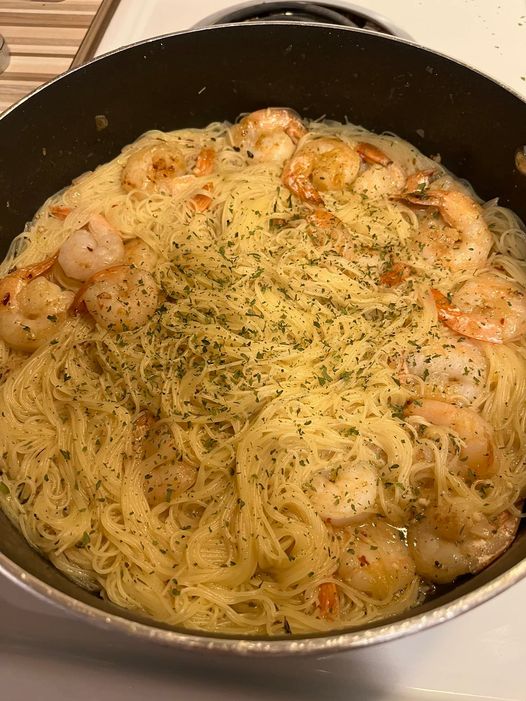
Delicate strands of angel hair cradle plump, garlicky shrimp, all brought together by a silky sauce of butter, olive oil, white wine, and lemon. Every forkful balances richness with brightness, heat with freshness, and comfort with sophistication.
This recipe celebrates what Italian-inspired cooking does best: letting quality ingredients shine. Aromatic shallots, fragrant garlic, and a squeeze of fresh lemon create layers of flavor that feel both bold and refined, while the quick-cooking shrimp keep the dish light and vibrant. Prepared in under 30 minutes, it’s a meal that tastes like it was meant for special occasions, yet comes together easily on a weeknight.
Why People Will Love Shrimp Scampi with Angel Hair Pasta Recipe
It delivers restaurant-quality elegance with minimal effort, turning simple ingredients into a dish that feels refined, luxurious, and beautifully balanced.
The flavor profile is irresistible—buttery, garlicky shrimp paired with bright lemon, tender pasta, and a whisper of heat from red pepper flakes.
Angel hair pasta creates a delicate, silky texture that absorbs the scampi sauce perfectly, making every bite light yet deeply flavorful.
The dish cooks in under 30 minutes, offering maximum reward with minimal time—perfect for weeknights, date nights, or last-minute entertaining.
The combination of butter, olive oil, and white wine forms a velvety, aromatic sauce, coating the pasta and shrimp in a way that feels both comforting and sophisticated.
It’s customizable and forgiving, allowing home cooks to adjust spice, acidity, richness, and portion size without compromising the dish.
Fresh parsley and lemon zest brighten the entire meal, adding a final lift that makes the dish feel clean, vibrant, and satisfying rather than heavy.
Shrimp lovers will adore the tender, perfectly cooked seafood, which remains juicy and flavorful thanks to quick, precise sautéing.
Key Ingredients
Angel Hair Pasta:
Its delicate, airy texture allows it to absorb the scampi sauce effortlessly, creating a light yet luxurious base that ties the entire dish together. Every strand becomes coated in buttery lemon-garlic goodness.
Large Shrimp:
The centerpiece of the dish—sweet, tender, and succulent. When cooked briefly and gently, the shrimp bring a natural brininess and richness that elevates the scampi sauce to something truly elegant.
Garlic & Shallots:
These aromatics form the heart of the flavor profile. Garlic gives boldness and warmth, while finely diced shallots contribute a subtle sweetness and depth that enhances the shrimp without overpowering them.
White Wine:
A crucial ingredient that deglazes the pan, lifting all the browned bits into the sauce. As it reduces, it adds acidity, complexity, and a restaurant-level richness that defines classic scampi.
Butter & Olive Oil:
This duo creates a velvety backbone for the sauce—olive oil brings fruitiness and shine, while butter adds creaminess and softens the sharper notes of garlic and lemon.
Fresh Lemon (Zest & Juice):
The bright, citrusy lift that balances the richness of butter and pasta. Lemon adds sparkle, cuts through the shrimp’s natural sweetness, and infuses the entire dish with vibrant freshness.
Parsley:
More than a garnish, parsley adds herbal brightness and a clean finish, enhancing the dish’s light, coastal character and rounding out the overall flavor.
Expert Tips:
Cook the pasta slightly under al dente.
Angel hair cooks extremely fast and can turn mushy if overdone. Removing it from the water one minute early allows it to finish cooking gently in the scampi sauce, absorbing flavor without losing its delicate structure.
Sauté the aromatics just long enough to bloom.
Garlic and shallots should be softened—not browned. Browning can turn the garlic bitter and overpower the dish. A brief, fragrant sauté ensures their flavors infuse into the butter and oil seamlessly.
Avoid overcooking the shrimp at all costs.
Shrimp turn rubbery quickly. Sauté them only until they start to turn pink and firm, then remove them from the skillet. They’ll finish cooking gently when returned to the sauce later.
Let the wine reduce properly.
Don’t rush this step. Reducing the wine by half concentrates its acidity and aroma, creating a deeper, restaurant-quality scampi sauce. Under-reduced wine can leave the dish watery and flat.
Use fresh lemon juice and zest for layered brightness.
Lemon zest infuses citrus oils into the sauce, while the juice adds tang and clarity. Using both creates a more complex and vibrant flavor profile.
Add butter at the end to emulsify the sauce.
Swirling in the final tablespoon of butter helps thicken and stabilize the sauce, giving it that silky scampi texture that clings beautifully to the pasta.
Reserve pasta water to adjust consistency.
A splash of starchy pasta water helps bind the sauce and creates that glossy finish that makes scampi feel luxurious. Add slowly—you only need a little.
Finish with fresh parsley for balance.
Parsley’s herbal, green notes cut through the richness, brightening each bite and keeping the dish from feeling heavy.
How to make Shrimp Scampi with Angel Hair Pasta
Ingredients
16 ounces angel hair pasta
2 tablespoons butter divided
3 tablespoons extra-virgin olive oil divided
2 small shallots finely diced
1 tablespoon minced garlic about 3-4 cloves
¼ teaspoon crushed red pepper flakes
1 ½ pounds large or extra-large shrimp shelled and deveined
½ cup dry white wine
½ teaspoon kosher salt plus more to taste
¼ teaspoon freshly ground black pepper plus more to taste
1 medium fresh lemon juice, and zest
⅓ cup chopped parsley
Instructions:
Step 1:
Bring a large pot of water to a rapid boil and salt well with kosher salt.
Add in the angel hair pasta and cook for 1 minute less than the package directions state.
Drain the pasta, reserving ¼ cup of the cooking liquid.
Step 2:
Once you drop the pasta into the water, heat 1 tablespoon of the butter and 2 tablespoons of the oil in a large nonstick skillet over medium heat.
Once the butter is melted, add in the garlic, crushed red pepper flakes, and shallots.
Sauté for 1 minute, just to begin to toast the shallots.
Step 3:
Add the shrimp, salt, and pepper to the skillet and sauté for just 2 minutes.
Remove the shrimp to a plate.
Step 4:
Add the wine, or stock, and lemon juice to the skillet, and scrape up any browned bits on the bottom of the pan.
Let the wine reduce by half and then add in the additional tablespoon of butter.
Once the butter has melted, add the shrimp back into the skillet.
Add the lemon zest cook for 1-2 minutes or until the shrimp is pink and firm.
Step 5:
Add the cooked pasta, reserved liquid, parsley, and an additional tablespoon of olive oil to the skillet and toss to coat.
Heat over low heat for 1 minute just to combine everything.
Taste and adjust seasoning if needed. Serve immediately.
Important Notes When Making Shrimp Scampi with Angel Hair Pasta
Angel hair pasta cooks extremely quickly—timing is everything.
Overcooked angel hair becomes soft and clumpy, losing its luxurious texture. Pull it from the water early so it can finish cooking in the scampi sauce, where it absorbs flavor instead of water.
Shrimp continue cooking after leaving the pan.
Even once removed from the skillet, residual heat keeps cooking the shrimp. Removing them early prevents overcooking, ensuring they remain tender, juicy, and silky—not rubbery.
The foundation of flavor is built in the first minute.
Garlic, shallots, and red pepper flakes bloom in butter and oil to create a fragrant base. If the aromatics brown too fast, they can turn bitter, so adjust heat early to preserve their delicate sweetness.
Wine reduction cannot be rushed.
The scampi sauce relies on the wine evaporating just enough to concentrate its acidity and aroma. If the reduction is too quick or too shallow, the sauce may taste sharp, watery, or underdeveloped.
Use high-quality ingredients where it matters most.
Fresh lemon juice, good olive oil, and fresh shrimp elevate the simplicity of the dish. Because scampi has few ingredients, quality directly impacts the final flavor.
Season at multiple stages—not just at the end.
Salting the shrimp, pasta water, and the simmering sauce builds balanced flavor from the inside out. Adjusting at the end should only refine, not create, seasoning.
Keep the sauce glossy, not greasy.
Adding butter at the right moment—after reducing the wine—allows it to emulsify properly. Adding it too early causes separation; adding it too late keeps it from integrating into the sauce.
Serve immediately for best texture and flavor.
Angel hair pasta is delicate and absorbs sauce rapidly. The dish is at its peak the moment everything comes together—waiting too long can cause the pasta to soften and lose its lightness.
How to Enjoy Shrimp Scampi with Angel Hair Pasta After Cooking
Serve the pasta immediately while the sauce is at peak silkiness.
Angel hair absorbs liquid quickly, so the dish is most luxurious right after tossing—when the butter, wine, and olive oil cling beautifully to every strand.
Twirl the pasta gently to coat each bite in the scampi sauce.
This dish shines when the delicate noodles pick up the lemon-garlic butter sauce and tiny flecks of shallot and parsley. Lightly mixing before serving ensures every forkful is balanced.
Pair each bite of pasta with a piece of shrimp.
The shrimp are intentionally cooked just until tender, offering sweet, briny contrast to the bright, citrusy pasta. Enjoying them together gives the full scampi experience.
Finish with a squeeze of fresh lemon at the table.
A final touch of acidity lifts the dish, brightens the richness, and reawakens the aromatics—even if it’s already lemon-forward. Fresh lemon juice sharpens the flavors in a way bottled juice cannot.
Add a splash of the reserved pasta water if reheating.
Angel hair pasta can thicken as it sits. If you’re enjoying leftovers or if the pasta tightens, a spoonful of pasta water smooths the sauce and restores its silky consistency.
Complement the dish with simple sides.
Shrimp Scampi is rich and light at the same time, making it perfect with:
- crusty bread for soaking up extra sauce
- a crisp green salad with lemon vinaigrette
- roasted asparagus or broccolini
These additions enhance the freshness of the meal without overpowering it.
Choose drinks that match its delicate richness.
A chilled glass of Sauvignon Blanc, Pinot Grigio, or sparkling water with lemon pairs beautifully, balancing the buttery sauce while highlighting the shrimp’s sweetness.
Eat slowly and savor the layers.
Notice the subtle heat from the red pepper flakes, the floral edge of the olive oil, the bright citrus, and the sweetness of the perfectly cooked shrimp. This is a dish meant to be enjoyed thoughtfully.
Nutrition Information:
For one serving of Shrimp Scampi with Angel Hair Pasta (based on 6 servings).
Calories: 510 kcal | Total Fat: 18.4 g | Saturated Fat: 6.2 g | Monounsaturated Fat: 8.1 g | Polyunsaturated Fat: 1.2 g | Cholesterol: 225 mg | Sodium: 520–680 mg (depending on salt + broth/wine used) | Total Carbohydrates: 47.5 g | Dietary Fiber: 2.3 g | Sugars: 3.9 g | Protein: 38.6 g
Frequently Asked Questions:
Can I substitute the wine in this recipe with something else?
Yes. If you prefer not to use wine, you can replace it with seafood stock or chicken broth plus an extra squeeze of lemon. This maintains acidity and flavor depth, though the sauce will be slightly less aromatic.
What size shrimp works best for shrimp scampi?
Large or extra-large shrimp are ideal because they stay juicy and tender during the quick cooking time. Smaller shrimp cook too fast and may become rubbery.
Can I prepare the scampi sauce ahead of time?
You can make the sauce base (garlic, shallots, red pepper flakes, wine reduction, butter) up to 3 hours ahead. Wait to cook the shrimp and add the pasta until right before serving, since both are best enjoyed fresh.
What pasta shapes can I use if I don’t have angel hair?
Thin spaghetti or linguine are great alternatives. Choose a pasta shape that cooks quickly and can be lightly coated—heavier pastas may overpower the delicate sauce.
How do I prevent the dish from becoming too oily?
Make sure to properly emulsify the sauce by adding butter after reducing the wine. If the sauce separates or becomes greasy, whisk in a tablespoon of pasta water to bring it back together and create a silky consistency.
Why do I need to remove the shrimp from the pan after just 2 minutes?
Shrimp cook extremely fast and continue cooking from residual heat even after being removed from the skillet. Taking them out early prevents overcooking, ensuring they stay tender and juicy when added back into the sauce.
How do I keep the garlic from burning while sautéing?
Use medium heat and add the garlic at the same time as the shallots and red pepper flakes. The moisture in the shallots helps prevent scorching. Burnt garlic becomes bitter, which can overpower the delicate scampi sauce.
What should the wine reduction look like before adding butter?
The wine should be reduced by about half and slightly thickened. You should see small bubbles instead of large, rapid ones. Proper reduction concentrates flavor and prevents the sauce from being thin or watery.
Why is it important to reserve pasta water?
Pasta water contains starch that helps bind and emulsify the sauce. Adding a splash when combining the pasta with the scampi sauce creates a glossy, silky texture that clings beautifully to the angel hair.
How do I avoid overcooking the angel hair pasta when combining everything in the skillet?
Angel hair cooks quickly, so undercook it by one minute in the boiling water. It will finish cooking in the skillet, absorbing flavor without turning mushy. Combine over low heat and toss gently to prevent breakage.