Saffron Orzo with Shrimp and Langostino
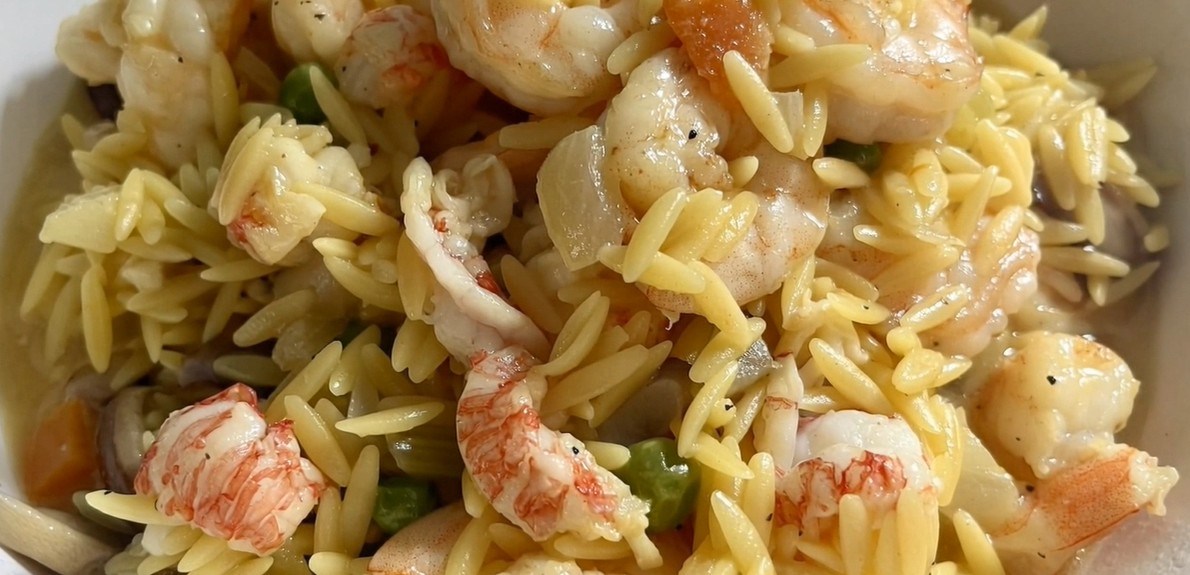
Saffron Orzo with Shrimp and Langostino is a dish that feels both refined and comforting—where simple ingredients are elevated into something truly elegant.
The delicate aroma of saffron weaves through the dish, infusing the orzo with a golden hue and a subtle, almost floral depth that sets it apart from everyday pasta recipes. Each element is thoughtfully layered, from the aromatic vegetables to the gentle richness of butter and wine.
What makes this recipe exceptional is the harmony between land and sea—the sweetness of shrimp and langostino paired with earthy mushrooms and a silky, risotto-like texture from the orzo. It’s luxurious without being heavy, sophisticated yet approachable, making it perfect for both special occasions and moments when you want to bring a touch of restaurant-quality elegance into your home kitchen.
Why People Will Love This Saffron Orzo with Shrimp and Langostino Recipe
Elegant Yet Comforting
This dish strikes a rare balance—it feels luxurious and restaurant-worthy, yet still delivers the warmth and satisfaction of a comforting, home-cooked meal.
Saffron-Infused Depth of Flavor
The saffron adds a delicate floral aroma and golden richness that transforms the orzo into something refined and memorable, far beyond ordinary pasta dishes.
Perfect Harmony of Seafood and Aromatics
Sweet, tender shrimp and langostino pair beautifully with sautéed vegetables and mushrooms, creating layers of flavor that feel both balanced and complex.
Creamy Texture Without Heavy Cream
The orzo naturally releases starch as it cooks, creating a silky, risotto-like consistency that feels indulgent without being overly heavy.
Bright, Fresh Finish
A squeeze of lemon and fresh herbs at the end cuts through the richness, adding brightness and keeping each bite vibrant and well-balanced.
Visually Stunning Presentation
The golden hue from saffron, combined with pink seafood and green peas, makes this dish as beautiful as it is delicious—perfect for impressing guests.
Sophisticated Flavor with Simple Technique
Despite its elevated taste, the cooking process is approachable, making it achievable even for home cooks who want to create something special.
Versatile for Different Occasions
Ideal for date nights, dinner parties, or a refined family meal—it adapts effortlessly to both casual and elegant settings.
Layered Textures in Every Bite
From tender seafood to slightly firm orzo and soft vegetables, each spoonful offers a satisfying mix of textures.
A Memorable, “Restaurant-Quality” Experience at Home
This dish feels like something you’d order at a fine dining restaurant, yet you can recreate it in your own kitchen with fresh, wholesome ingredients.
Key Ingredients:
Saffron Threads (The Signature Luxury Element)
Saffron is the heart of this dish, delivering a delicate floral aroma, subtle earthiness, and a beautiful golden color. When steeped in warm water, it releases its full essence, infusing the orzo with a refined, almost ethereal depth.
Orzo Pasta (The Creamy Foundation)
Though technically pasta, orzo behaves like rice when cooked. It absorbs the broth and releases starch, creating a naturally creamy, risotto-like texture that carries all the flavors seamlessly.
Shrimp & Langostino (Sweet, Tender Seafood)
Shrimp adds a firm, juicy bite, while langostino brings a softer, sweeter, almost lobster-like richness. Together, they create a luxurious seafood combination that elevates the dish.
Olive Oil & Butter (Flavor and Silkiness)
This combination provides both richness and balance—olive oil adds depth and fruitiness, while butter contributes a smooth, velvety finish that coats the orzo beautifully.
Aromatic Base: Onion, Carrot, Celery & Garlic
These ingredients form a classic flavor foundation. They build subtle sweetness and depth, ensuring the dish has a well-rounded, layered taste from the very beginning.
Shiitake Mushrooms (Umami Boost)
Mushrooms add an earthy, savory richness that enhances the seafood without overpowering it, creating a more complex and satisfying flavor profile.
White Wine (Brightness and Complexity)
The wine deglazes the pan and adds acidity, lifting the richness of the butter and seafood while contributing subtle fruity notes.
Chicken Broth (The Flavor Carrier)
Broth is absorbed by the orzo, carrying all the infused flavors—saffron, aromatics, and seafood—throughout the dish, creating depth in every bite.
Peas (Sweetness and Color Contrast)
Peas bring a gentle pop of sweetness and a vibrant green color, balancing the richness and adding freshness.
Romano Cheese (Savory Finish)
This sharp, salty cheese melts into the dish, adding a final layer of umami and helping create a silky, cohesive texture.
Lemon & Fresh Herbs (Final Brightness)
A squeeze of lemon and fresh parsley or chives at the end brings brightness, cutting through the richness and making the dish feel light and vibrant.
Expert Tips:
Bloom the Saffron Properly
Always steep saffron threads in warm (not boiling) water for at least 10 minutes. This “blooms” the spice, unlocking its full color and aroma—adding it dry will significantly reduce its impact.
Build Flavor from the Base Up
Take time to sauté the onion, carrot, and celery until softened and slightly sweet. This foundational step creates depth that carries through the entire dish.
Deglaze Thoroughly for Maximum Depth
When adding wine, scrape up all the browned bits (fond) from the pan. These concentrated flavors dissolve into the sauce, enriching the final result.
Toast the Orzo Lightly Before Adding Liquid
Stirring the orzo in the butter and wine mixture for a minute enhances its nutty flavor and helps it absorb liquid more evenly.
Control the Liquid for Creamy Texture
Add broth gradually if needed and stir occasionally—not constantly like risotto. You want a creamy consistency, not overly thick or soupy.
Cook Seafood Gently and Briefly
Shrimp cook very quickly—just until they turn pink and opaque. Overcooking will make them rubbery and diminish their natural sweetness.
Add Langostino at the End Only
Since langostino is already cooked, it only needs gentle warming. Adding it too early can make it tough and dry.
Balance Richness with Acid at the Finish
A squeeze of fresh lemon juice at the end brightens the entire dish, cutting through the butter and cheese for a more balanced flavor.
Use High-Quality Broth and Cheese
Because the dish is relatively simple, the quality of broth and Romano cheese has a noticeable impact on the final taste.
Serve Immediately for Best Texture
Orzo continues to absorb liquid as it sits. Serve right away for a silky, creamy consistency—if needed, loosen with a splash of warm broth before serving.
Saffron Orzo with Shrimp and Langostino
Ingredients:
1 cup orzo pasta
2 tablespoons olive oil
2 tablespoons unsalted butter
3 cloves garlic, minced
1 small onion, finely chopped
1 small carrot, finely diced
1 stalk celery, finely diced
½ cup shiitake mushrooms, thinly sliced
½ cup dry white wine
2 cups chicken broth (low-sodium preferred)
A pinch of saffron threads (steeped in 2 tablespoons warm water for 10 minutes)
½ cup sweet peas (fresh or frozen)
½ pound large shrimp, peeled and deveined
½ pound langostino tails, cooked and peeled
½ teaspoon kosher salt (plus more to taste)
¼ teaspoon freshly ground black pepper
¼ cup Locatelli Romano cheese, finely grated
Fresh parsley or chives, for garnish
Lemon wedges, for serving
Instructions
1. Sauté the Aromatics
In a large skillet or sauté pan, heat the olive oil and butter over medium heat until shimmering.
Add the onion, carrot, and celery. Sauté for 4–5 minutes, until softened and aromatic.
Stir in the garlic and shiitake mushrooms; cook another 2 minutes, just until fragrant.
2. Deglaze and Infuse
Pour in the white wine, scraping the bottom of the pan to release any browned bits.
Simmer for 2–3 minutes, letting the wine reduce by half.
Stir in the saffron and its soaking water — the color and aroma will begin to bloom beautifully.
3. Add the Orzo and Broth
Add the orzo to the pan and stir to coat in the butter-wine mixture.
Pour in the chicken broth, season with salt and pepper, and bring to a gentle simmer.
Cook uncovered for 10–12 minutes, stirring occasionally, until the orzo is tender and the liquid mostly absorbed.
4. Add the Seafood and Peas
Reduce the heat to low.
Add the shrimp and cook for 2–3 minutes, until just pink.
Stir in the langostino and peas, warming through for another 2 minutes.
If the mixture seems too thick, add a splash more broth or hot water for creaminess.
5. Finish and Serve
Remove from heat and stir in the grated Locatelli cheese until the sauce turns silky and glossy.
Taste and adjust seasoning with salt, pepper, or a touch more saffron if desired.
Spoon into warm bowls, garnish with chopped parsley, and serve immediately with fresh lemon wedges for brightness.
Serving Tip
Pairs beautifully with a chilled glass of Pinot Grigio or Albariño, or a sparkling lemon mineral water for a refreshing, balanced finish.
Important Notes When Making Saffron Orzo with Shrimp and Langostino Recipe
Saffron Is Potent—Use It Thoughtfully
A small pinch goes a long way. Too much saffron can overpower the dish with bitterness, while the right amount creates a delicate, aromatic complexity.
Orzo Texture Changes Quickly
Orzo continues to absorb liquid even after cooking. The dish may thicken as it sits, so timing and serving immediately are key to maintaining a silky consistency.
Seafood Timing Is Critical
Shrimp cook very quickly and can turn rubbery if overdone. Langostino is already cooked, so it should only be gently warmed at the end to preserve its tender texture.
Balance Between Creamy and Brothy Matters
The ideal consistency is slightly loose and glossy—not dry or overly soupy. Adjust with warm broth as needed to keep it smooth and cohesive.
Wine Should Be Properly Reduced
Let the wine cook down before adding broth. This removes harsh alcohol notes and leaves behind a subtle acidity that enhances the overall flavor.
Cheese Adds Saltiness and Body
Romano cheese is naturally salty, so taste before adding extra salt. It also helps bind the sauce, giving the dish a richer, more cohesive texture.
Aromatics Build the Foundation
The onion, carrot, celery, and garlic must be properly softened to release their sweetness. Undercooking them can leave the dish lacking depth.
Heat Control Affects Final Quality
Cooking at too high a temperature can cause uneven texture or overcooked seafood. Maintaining a steady, moderate heat ensures better results.
Freshness Elevates the Dish
Fresh herbs and lemon at the end are not optional—they provide brightness and contrast that balance the richness of butter, seafood, and cheese.
This Dish Is Best Served Immediately
Unlike some recipes that improve over time, this one is at its peak right after cooking, when the seafood is tender and the orzo is perfectly creamy.
How to Enjoy This Saffron Orzo with Shrimp and Langostino After Cooking
Serve Immediately for Peak Texture
This dish is at its best right after cooking, when the orzo is creamy and glossy, and the seafood is perfectly tender. Waiting too long can cause the orzo to absorb more liquid and become too thick.
Stir Gently Before Plating
Give the dish a light stir to redistribute the sauce and ingredients evenly. This ensures every serving has a balanced mix of orzo, seafood, and vegetables.
Adjust Consistency Just Before Serving
If the orzo has thickened, add a small splash of warm broth or water to loosen it back to a silky, risotto-like texture.
Finish with Fresh Bright Elements
Add a squeeze of lemon juice and a sprinkle of fresh parsley or chives right before serving. This enhances the flavor, adding brightness that balances the richness.
Plate in Warm Bowls for Best Experience
Serving in warm bowls helps maintain the ideal temperature and keeps the sauce smooth and fluid longer.
Pair with Complementary Beverages
Enjoy with a crisp white wine like Pinot Grigio or Albariño. For a non-alcoholic option, sparkling water with lemon provides a refreshing contrast.
Savor the Layers of Flavor Slowly
Take time to appreciate the combination of saffron aroma, sweet seafood, creamy orzo, and subtle herbal notes—this dish is meant to be experienced, not rushed.
Add Optional Finishing Touches
A light sprinkle of extra Romano cheese or a drizzle of olive oil can enhance richness and presentation without overpowering the dish.
Serve as a Standalone or with Light Sides
This dish is complete on its own, but pairs beautifully with a simple green salad or lightly toasted bread to complement its richness.
Handle Leftovers with Care
If you have leftovers, reheat gently over low heat with added broth to restore creaminess. Avoid high heat, which can overcook the seafood and alter the texture.
Nutrition Information
This recipe makes about 4–5 servings, depending on portion size.
4 servings → generous, restaurant-style portions (main dish)
5 servings → moderate portions (paired with a light salad or bread)
Calories: 390 kcal | Total Fat: 14 g | Saturated Fat: 5 g | Monounsaturated Fat: 6 g | Polyunsaturated Fat: 2 g | Cholesterol: 140 mg | Sodium: 650–800 mg (depending on broth and cheese) | Total Carbohydrates: 38 g | Dietary Fiber: 3 g | Sugars: 4 g | Protein: 28 g
Frequently Asked Questions
Can I use only shrimp instead of both shrimp and langostino?
Yes, you can absolutely use only shrimp. While langostino adds a slightly sweeter, lobster-like flavor, shrimp alone will still create a delicious and well-balanced dish.
What can I substitute for saffron if I don’t have it?
Saffron has a very unique flavor, but you can substitute a small pinch of turmeric for color and a mild earthy note. Keep in mind, the signature aroma of saffron will be missing.
Can I make this dish without wine?
Yes. You can replace the wine with additional chicken broth and a small squeeze of lemon juice to maintain a bit of acidity and brightness.
How do I keep the orzo from becoming too dry?
Orzo absorbs liquid quickly. If it thickens too much, simply stir in a splash of warm broth or water before serving to restore its creamy consistency.
Can I make this recipe ahead of time?
This dish is best served fresh. However, you can prep the ingredients in advance. If reheating, do so gently and add extra liquid to bring back the creamy texture.
How do I know when the orzo is perfectly cooked?
The orzo should be tender but still slightly firm in the center (al dente). It should have absorbed most of the liquid while remaining creamy—not dry or mushy.
What’s the best way to avoid overcooking the shrimp?
Add the shrimp near the end and cook just until they turn pink and opaque, about 2–3 minutes. Overcooking will make them firm and rubbery instead of tender.
How can I ensure the saffron flavor is fully developed?
Always soak the saffron threads in warm water before adding them. This step releases both the color and aroma, allowing it to infuse evenly throughout the dish.
Why is my orzo sticking or cooking unevenly?
Stir occasionally during cooking to prevent sticking and ensure even absorption of liquid. Also, make sure the heat is not too high, which can cause uneven cooking.
When should I add the cheese for the best texture?
Add the cheese after removing the pan from high heat, while the dish is still warm. This allows it to melt smoothly into a silky sauce without clumping or becoming greasy.