Italian Saltimbocca Recipe
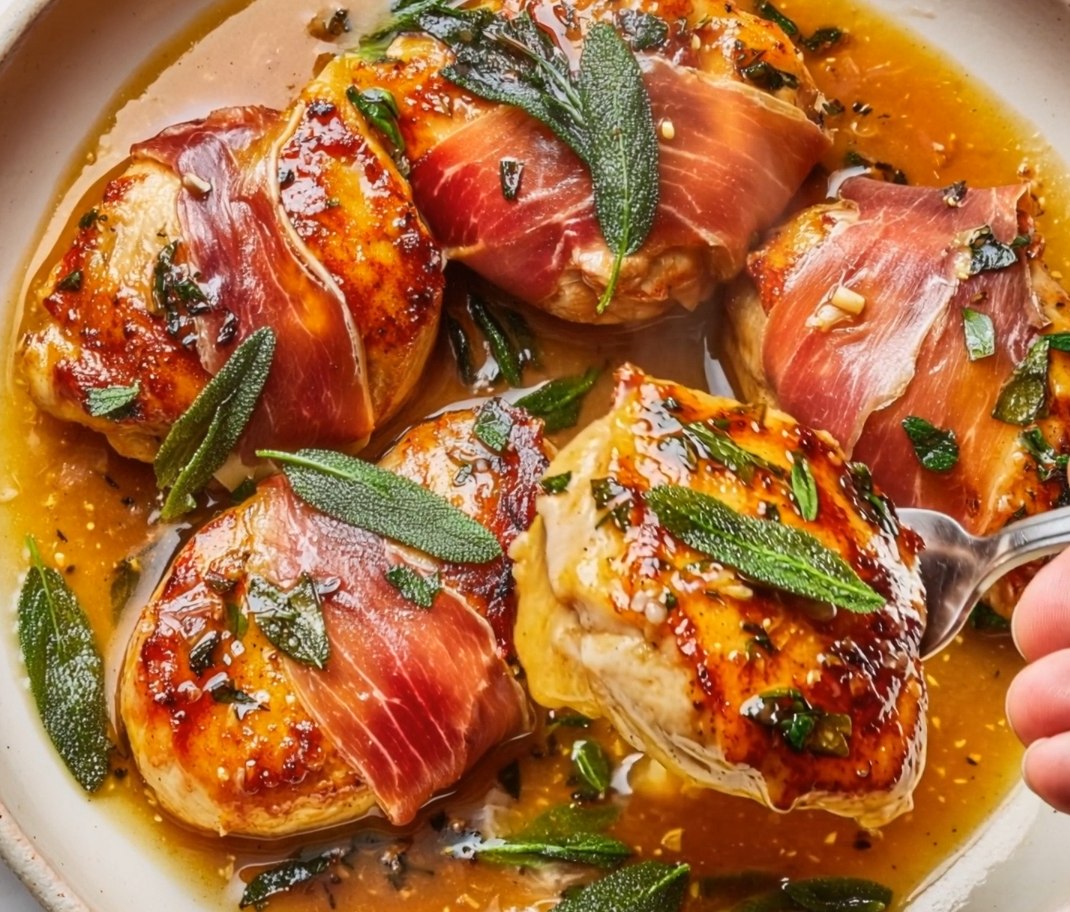
Italian Saltimbocca is a timeless Roman classic that celebrates the beauty of simplicity and precision in Italian cooking.
With just a handful of ingredients—tender veal, savory prosciutto, and fragrant sage—it delivers a dish that feels both refined and deeply comforting.
The name saltimbocca means “jumps in the mouth,” and this recipe truly lives up to that promise. Each bite is a delicate balance of silky meat, salty cured ham, and aromatic herbs, all brought together with a light, buttery wine sauce. It’s a dish that proves elegance doesn’t require complexity—only quality ingredients and careful technique.
Why People Will Love This Recipe
A timeless Italian classic with elegant simplicity – Saltimbocca proves that a few high-quality ingredients can create a deeply refined, restaurant-level dish without complicated techniques
Perfect balance of flavors in every bite – tender veal, salty prosciutto, and aromatic sage combine to create a layered taste that is savory, slightly herbal, and delicately rich
Light yet satisfying texture – the thin, quickly sautéed veal stays tender and silky, while the prosciutto crisps slightly and adds contrast
A beautiful buttery wine sauce – the pan sauce, made with white wine and butter, is glossy, aromatic, and perfectly complements the meat without overwhelming it
Quick to cook but feels gourmet – the dish comes together in minutes, yet delivers a sophisticated flavor that feels like fine dining
Aromatic and visually appealing – the green sage leaves against the golden veal and rosy prosciutto create a dish that is both fragrant and visually elegant
Versatile for many occasions – ideal for both intimate dinners and special occasions, as it feels elevated but not overly heavy
Pairs well with simple sides – it complements light sides like sautéed greens, pasta, or potatoes, allowing you to create a balanced meal
Highlights quality ingredients – because the recipe is simple, it showcases the natural flavors of good veal, authentic prosciutto, and fresh sage
A true expression of Italian cooking philosophy – it reflects the idea that great food comes from respecting ingredients, using minimal elements, and focusing on technique and balance
Key Ingredients:
Veal Cutlets – The foundation of the dish. Thinly pounded veal becomes incredibly tender and cooks quickly, creating a delicate, silky texture that absorbs the flavors of the sauce and toppings.
Prosciutto – Adds a salty, savory depth and a slight crispness when seared. It acts as both seasoning and texture, enhancing the mild flavor of the veal without overpowering it.
Fresh Sage Leaves – The aromatic signature of Saltimbocca. Sage brings a warm, slightly peppery herbal note that perfumes the meat and balances the richness of the butter and prosciutto.
Dry White Wine – Used to deglaze the pan and form the base of the sauce. It adds acidity and brightness, lifting the dish and tying together the meat and fat components.
Unsalted Butter – Enriches the pan sauce, giving it a silky, glossy finish and rounding out the flavors with gentle richness.
Salt & Freshly Ground Black Pepper – Essential for seasoning the veal lightly and enhancing all the other flavors without masking the natural character of the ingredients.
Toothpicks (for securing) – Though not edible, they are important for holding the prosciutto and sage in place so the layers cook together and maintain their structure.
Expert Tips:
Pound the veal evenly and gently
Aim for a uniform ¼-inch thickness so the cutlets cook quickly and stay tender. Uneven thickness leads to overcooked edges and undercooked centers.
Season lightly—prosciutto brings salt
Add only a small pinch of salt to the veal (if any). The prosciutto provides most of the seasoning, so balance is key.
Secure the layers tightly
Press the prosciutto and sage firmly onto the veal and fix with a toothpick. This ensures they stay attached and sear together without sliding off.
Start cooking prosciutto-side down
Place the veal in the pan prosciutto-side down first to lightly crisp it and render a bit of its fat, creating deeper flavor in the pan.
Use a hot pan but moderate heat
The skillet should be hot enough to brown quickly, but not so hot that the prosciutto burns before the veal cooks through. Medium heat is ideal.
Do not overcrowd the pan
Cook in batches if needed so each cutlet browns evenly and doesn’t steam.
Avoid overcooking the veal
Veal cooks very quickly—usually 2–3 minutes per side. Overcooking will make it dry and tough.
Deglaze while the pan is still hot
Add the white wine immediately after removing the veal and scrape up all the browned bits—this is where much of the flavor lives.
Reduce the wine slightly before adding butter
Let the wine simmer briefly so the alcohol cooks off and the flavor concentrates before swirling in butter for a smooth finish.
Emulsify the sauce gently
Add the butter at the end and swirl the pan (rather than vigorously stirring) to create a silky, glossy sauce.
Return the veal briefly to the pan if needed
If the cutlets have cooled, place them back in the sauce for 10–20 seconds to rewarm and absorb flavor.
Serve immediately for best texture
Saltimbocca is at its peak right after cooking—tender, juicy, and aromatic.
Use high-quality ingredients
Because the recipe is simple, the flavor depends heavily on good prosciutto, fresh sage, and quality wine.
Keep the sauce light, not heavy
The sauce should lightly coat the meat—avoid reducing it too much or adding too much butter, which can overpower the delicate flavors.
Finish with a fresh herbal touch
A few fresh sage leaves or a light sprinkle of herbs just before serving adds aroma and visual appeal.
Italian Saltimbocca Recipe
Ingredients
4 veal cutlets (about ¼ pound each), pounded thin
4 slices prosciutto
4 fresh sage leaves
Salt and freshly ground black pepper, to taste
½ cup dry white wine
2 tablespoons unsalted butter
Toothpicks, for securing
Instructions
Prepare the Veal
Place each veal cutlet between two sheets of plastic wrap and gently pound to about ¼-inch thickness.
Lay a slice of prosciutto and a fresh sage leaf on top of each cutlet, then secure with a toothpick.
Cook the Veal
In a large skillet over medium heat, melt 1 tablespoon of butter.
Place the veal in the pan, prosciutto side down, and cook for 2–3 minutes per side, or until lightly golden and cooked through.
Transfer to a plate and set aside.
Make the Sauce
Pour the white wine into the same pan, using a spoon to scrape up any browned bits from the bottom.
Let the wine simmer and reduce slightly, then stir in the remaining butter until the sauce becomes smooth and glossy.
Serve
Remove the toothpicks and arrange the veal on a serving plate.
Spoon the pan sauce over the top and garnish with extra sage leaves if desired.
Serve immediately.
Important Notes When Making Italian Saltimbocca
Ingredient quality is everything
With such a short ingredient list, the success of Saltimbocca depends heavily on excellent veal, authentic prosciutto, and fresh sage. Each component must shine on its own.
Veal must be thin and tender
Proper pounding to an even thickness ensures quick cooking and a delicate texture. Thick cutlets will not cook evenly and may turn tough.
Prosciutto acts as seasoning and protection
It not only adds saltiness and flavor but also helps keep the veal moist as it cooks. Avoid adding too much additional salt.
Sage is the aromatic identity of the dish
Fresh sage is essential—it provides the distinct herbal fragrance that defines classic Saltimbocca. Dried sage will not deliver the same result.
The cooking time is very short
This is a fast-cooking dish. Overcooking even slightly can dry out the veal and reduce its tenderness.
Pan heat control is critical
Too high heat can burn the prosciutto before the veal cooks; too low heat will prevent proper browning. Aim for steady medium heat.
The pan fond is key to the sauce
The browned bits left in the skillet after cooking the veal are essential flavor components. Deglazing with wine lifts these into the sauce.
Wine choice affects the final flavor
Use a dry white wine that you would enjoy drinking. Its acidity brightens the dish and balances the richness of the butter.
Butter is added at the end for texture, not heaviness
The butter should create a light, silky emulsion, not a thick or greasy sauce. It should enhance, not dominate.
The dish is meant to be light and elegant
Saltimbocca is not heavy or overly sauced—it is designed to feel refined, balanced, and clean on the palate.
Serve immediately for best results
This dish does not benefit from sitting or reheating. It should be served right after cooking to enjoy the ideal texture and aroma.
Portion size is typically moderate
Because the flavor is rich and concentrated, each serving is usually one cutlet per person, often paired with a light side.
Simple accompaniments are best
Traditional pairings like sautéed greens, light pasta, or potatoes allow the Saltimbocca to remain the center of attention.
Minimal handling keeps the structure intact
Avoid excessive flipping or moving in the pan so the prosciutto and sage stay properly attached to the veal.
This is a dish rooted in technique and restraint
The beauty of Saltimbocca lies in precision, timing, and respect for ingredients, rather than complexity or heavy seasoning.
How to Enjoy Italian Saltimbocca After Cooking
1. Serve immediately for peak texture and aroma
Saltimbocca is at its best right out of the pan.
The veal remains tender and juicy, the prosciutto lightly crisp, and the sage highly aromatic.
2. Plate with care and elegance
Arrange each cutlet on a warm serving plate with the prosciutto and sage facing upward.
Spoon the warm white wine–butter sauce lightly over the top so it glistens.
3. Keep the presentation simple
This is a refined dish—avoid heavy garnishes.
A few fresh sage leaves or a light drizzle of sauce is all that’s needed to highlight its beauty.
4. Pair with light, complementary sides
Balance the richness with fresh or mild accompaniments:
- Sautéed spinach or greens with olive oil and lemon
- Simple buttered pasta or lightly dressed fettuccine
- Roasted or mashed potatoes with minimal seasoning
- A crisp green salad with vinaigrette
5. Choose the right beverage pairing
- A dry white wine such as Pinot Grigio or Sauvignon Blanc complements the sauce’s acidity
- A light red like Chianti also works beautifully
- For a non-alcoholic option, try sparkling water with lemon
6. Enjoy each bite intentionally
Notice the balance of tender veal, salty prosciutto, and fragrant sage
Let the buttery wine sauce lightly coat the palate without overpowering the main ingredients
7. Use bread to capture the sauce
Serve with crusty Italian bread to soak up the remaining pan sauce—this is one of the most satisfying parts of the dish
8. Serve as a refined main course
Saltimbocca is ideal as the centerpiece of a light, elegant meal, especially for dinner parties or intimate gatherings
9. Keep portions balanced
- Typically one cutlet per person is enough when served with sides
- The dish is rich in flavor, so moderate portions feel complete and satisfying
10. Avoid long holding or reheating
This dish does not store or reheat well; it should be enjoyed fresh to preserve its delicate texture and flavor
11. Create a full Italian-style meal experience
To elevate the experience, serve in courses:
- A small antipasto or salad
- The Saltimbocca as the main course
- A light dessert like fruit or panna cotta afterward
12. Appreciate the simplicity
Saltimbocca is about precision, balance, and respect for ingredients
Enjoy it slowly, savoring the harmony of flavors in each bite
Nutrition Information:
For your Italian Saltimbocca, based on 1 veal cutlet serving (with prosciutto and sauce).
Per 1 serving (approximate):
Calories: 260–320 kcal | Total Fat: 16–20 g | Saturated Fat: 8–10 g | Monounsaturated Fat: 5–7 g | Polyunsaturated Fat: 0.8–1.2 g | Cholesterol: 95–110 mg | Sodium: 600–750 mg (depending on prosciutto and added salt) | Total Carbohydrates: 2–3 g | Dietary Fiber: 0–0.3 g | Sugars: 0–1 g | Protein: 24–28 g
Frequently Asked Questions:
Can I substitute the veal with another type of meat?
Yes. While traditional Saltimbocca uses veal, you can substitute thin chicken breast or turkey cutlets for a more accessible option. The flavor will be slightly different but still delicious.
What type of wine should I use for the sauce?
Use a dry white wine such as Pinot Grigio, Sauvignon Blanc, or a light Chardonnay. Avoid sweet wines, as they can unbalance the savory profile.
Can I make Saltimbocca without wine?
Yes. You can substitute the wine with chicken broth plus a small splash of lemon juice to maintain the acidity and brightness of the sauce.
Why is my veal tough instead of tender?
This usually happens if the veal is too thick or overcooked. Make sure to pound the cutlets thin and cook them only briefly—just a few minutes per side.
What side dishes pair best with Saltimbocca?
Saltimbocca pairs beautifully with simple sides like sautéed greens, buttered pasta, roasted potatoes, or a fresh salad that balances its richness.
How thin should the veal be before cooking?
Pound each cutlet to about ¼ inch (6 mm) thickness. This ensures quick, even cooking and keeps the meat tender rather than chewy.
What’s the correct order for cooking the cutlets in the pan?
Place the veal prosciutto-side down first in the butter. This lightly crisps the prosciutto and infuses the pan with flavor before you flip and finish cooking the veal side.
How do I keep the prosciutto and sage from falling off?
Press them firmly onto the veal and secure with a toothpick through the center. Avoid excessive flipping—cook once per side to keep everything intact.
How do I build a smooth, glossy pan sauce without it separating?
After deglazing with wine and reducing slightly, add the butter off the heat or over very low heat, swirling the pan gently to emulsify into a silky sauce.
How do I know when the veal is perfectly cooked?
The veal should be lightly golden on both sides and just cooked through, which usually takes 2–3 minutes per side. It should remain tender and juicy, not browned too dark or overdone.