Italian Penicillin Soup
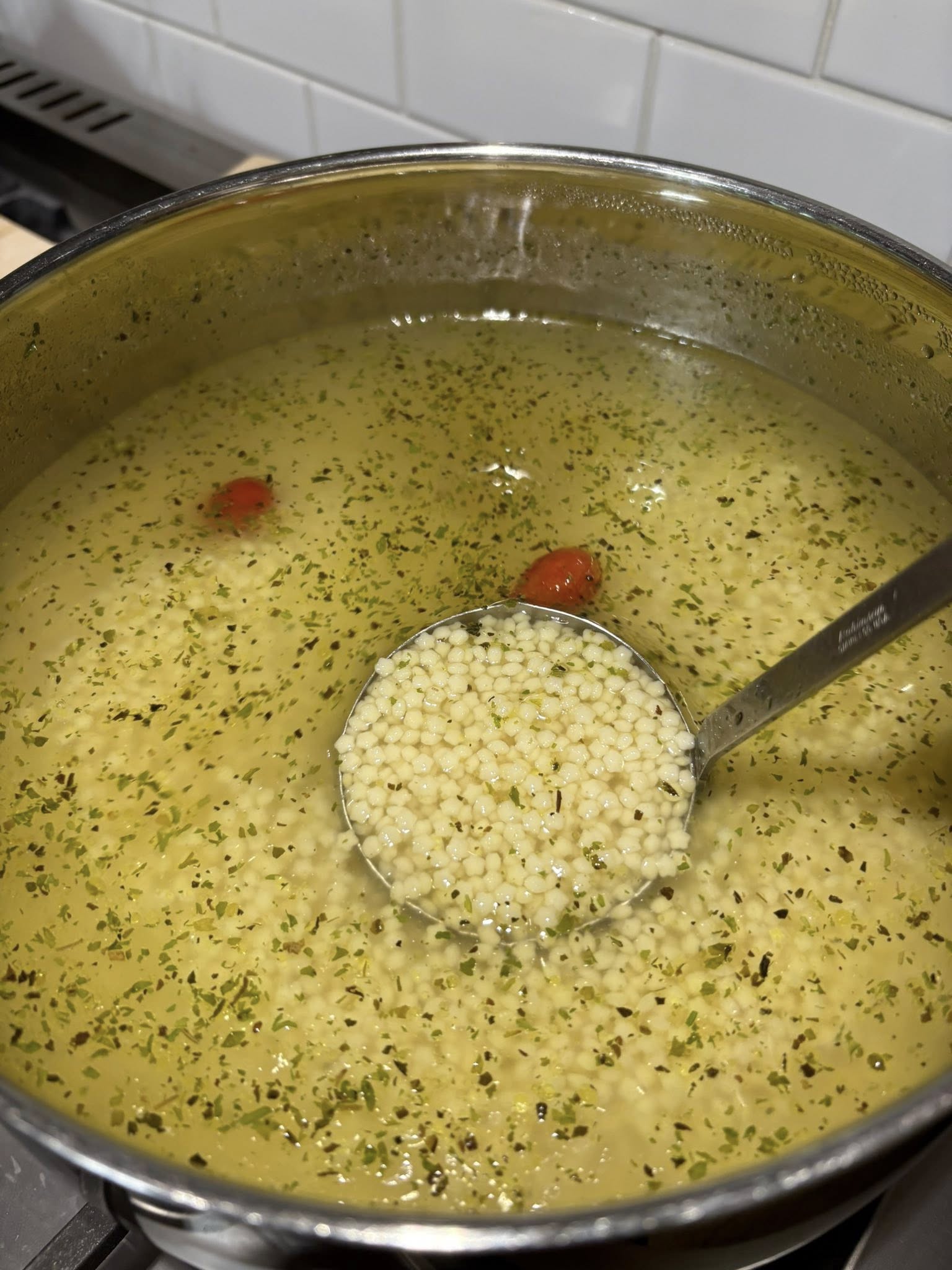
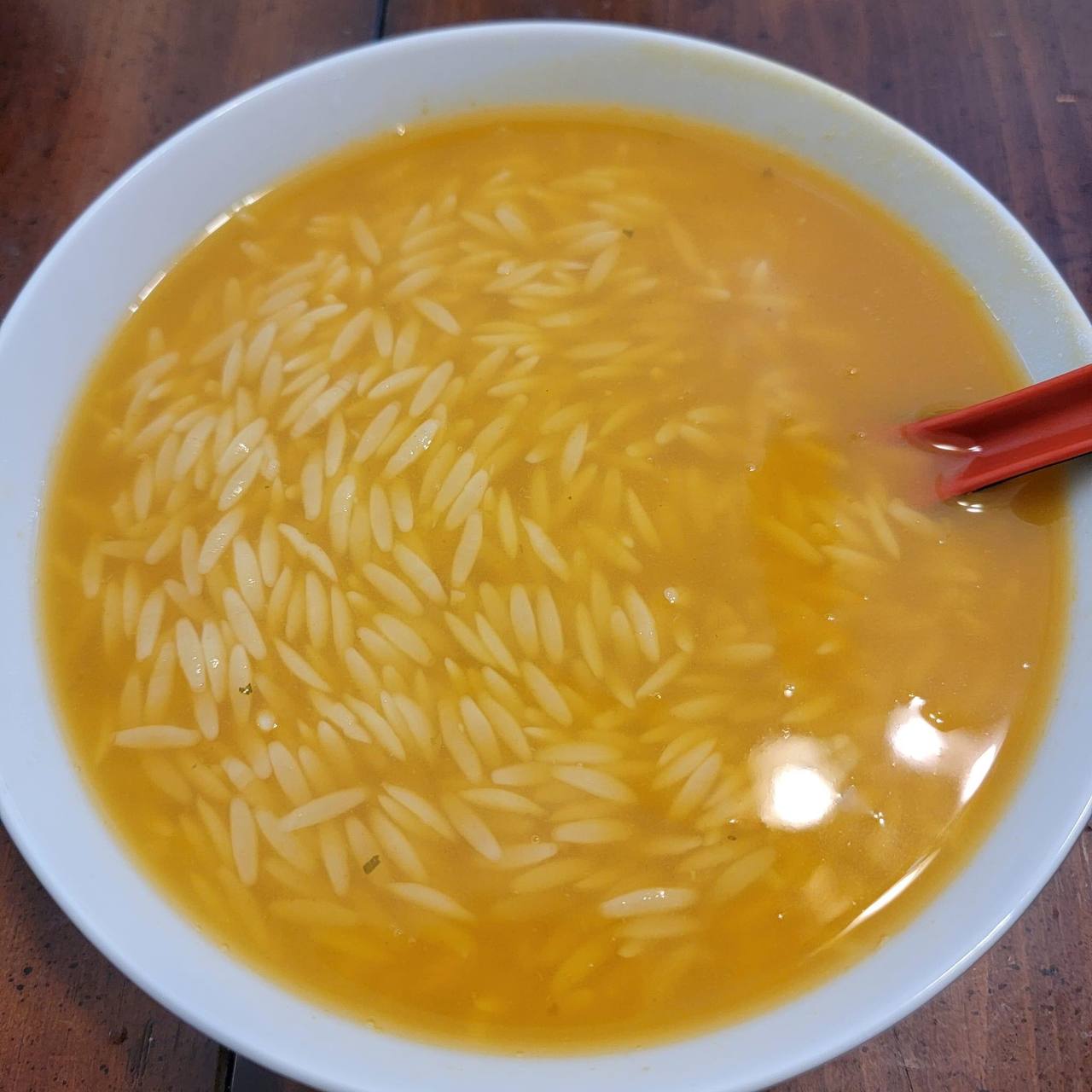
Italian Penicillin Soup is a simple, soothing, and deeply comforting bowl made with warm broth, tiny pastina pasta, cherry tomatoes, Parmesan cheese, olive oil, and black pepper.
This soup is often the kind of food people crave when they want something gentle, cozy, and nourishing. The broth warms the body, the pastina makes it soft and satisfying, and the Parmesan melts into the soup to create a delicate savory richness.
It is humble, quick, and full of heart. Perfect for cold days, sick days, quiet dinners, or anytime you need a bowl that feels like comfort and care.
Why People Will Love Italian Penicillin Soup Recipe
It is warm, simple, and deeply comforting.
Pastina gives the soup a soft, tender texture.
Broth creates a soothing, savory base.
Cherry tomatoes add freshness, light sweetness, and color.
Parmesan cheese adds richness and salty depth.
A drizzle of olive oil makes the soup smooth and comforting.
It is quick to make with only a few ingredients.
It feels gentle enough for sick days or cold evenings.
It can be made with chicken, vegetable, or beef broth.
Fresh herbs can easily be added for more aroma.
It is kid-friendly, family-friendly, and easy to digest.
Every spoonful feels warm, cozy, simple, and healing.
Key Ingredients
Pastina Pasta:
Pastina is the heart of this soup. Its tiny shape cooks quickly and gives the broth a soft, comforting texture.
Broth:
Broth forms the base of the soup. Chicken broth gives a classic comforting flavor, vegetable broth keeps it light, and beef broth makes it deeper and richer.
Cherry Tomatoes:
Cherry tomatoes add a fresh, tangy sweetness. Peeling them gives the soup a smoother texture and a more delicate finish.
Parmesan Cheese:
Parmesan melts into the hot soup and adds salty, nutty richness. It makes the broth taste fuller without making the soup heavy.
Salt and Black Pepper:
Salt brings the flavors together, while freshly ground black pepper adds warmth and a gentle bite.
Olive Oil:
A drizzle of olive oil adds smoothness, richness, and a beautiful finishing flavor.
Fresh Herbs:
Rosemary, basil, parsley, or bay leaf can add extra aroma and make the soup taste more homemade.
Expert Tips
Use a flavorful broth because the soup has very few ingredients.
Peel the cherry tomatoes for a softer, smoother texture.
Cut or mash the tomatoes slightly so their flavor blends into the broth.
Add the pastina only when the broth is boiling.
Stir often after adding pastina so it does not stick together.
Cook the pasta just until tender to avoid a mushy texture.
Turn off the heat before adding Parmesan so it melts gently.
Add olive oil at the end for the best flavor.
Taste before adding salt because broth and Parmesan may already be salty.
Add fresh herbs for more depth and aroma.
Serve immediately while the soup is hot and the pasta is tender.
Add extra broth when reheating leftovers because pastina absorbs liquid as it sits
Italian Penicillin Soup
Ingredients
1.5 cups Pastina pasta (small pasta shapes)
6 cups Broth
6 Cherry tomatoes
2 tablespoons Parmesan cheese
Salt and black pepper to taste
Instructions
In a large pot, bring the broth of choice to boil at high heat.
Wash the cherry tomatoes and make an X-shaped incision at the bottom. Heat some water in the kettle. Transfer hot water to a bowl and soak cherry tomatoes for 2 to 3 minutes.
Using a knife, remove the skin from the cherry tomatoes.
Add the chopped cherry tomatoes to the broth.
When the broth is boiling, add the pastina. Cook at medium heat and follow the cooking times given in the package.
When the pasta is ready, turn off the heat and add Parmesan cheese and a drizzle of oil and mix well with a wooden spoon.
Also add a sprinkle of freshly ground black pepper and some salt if any is needed.
Serve this soul warming soup piping hot in a soup bowl.
Important Notes When Making Italian Penicillin Soup
Pastina cooks very quickly, so watch it closely.
The soup will thicken as the pasta absorbs broth.
If the soup becomes too thick, add more broth or hot water.
Peeling the tomatoes is optional, but it gives a smoother texture.
Parmesan should be added off the heat to prevent clumping.
Freshly grated Parmesan melts better than pre-grated cheese.
The final flavor depends heavily on the quality of the broth.
Leftovers may become more like a soft pasta dish than a soup.
Reheat gently and add extra broth to loosen the texture.
This soup is best enjoyed fresh and hot.
How to Enjoy Italian Penicillin Soup After Cooking
After the Italian Penicillin Soup finishes cooking, serve it immediately while the broth is hot and the pastina is soft and tender.
Ladle the soup into warm bowls and finish with extra Parmesan cheese, freshly ground black pepper, and a small drizzle of olive oil. These simple toppings make the soup taste richer and more complete.
For a brighter flavor, add a tiny squeeze of lemon juice or a few torn basil leaves before serving. If you want a more comforting bowl, add extra Parmesan and let it melt into the broth.
This soup pairs beautifully with toasted bread, garlic bread, crusty Italian bread, focaccia, or a simple side salad. The bread is perfect for dipping into the warm broth.
It is especially good on cold days, when you are feeling tired, or when you want something gentle but satisfying. Enjoy it slowly, while it is steaming hot and the broth is still light and soothing.
Nutrition Information
Approximate nutrition per serving, based on 2 servings:
Calories: 540 kcal | Total Fat: 12 g | Saturated Fat: 3 g | Monounsaturated Fat: 6 g | Polyunsaturated Fat: 1.5 g | Cholesterol: 25 mg | Sodium: 850–1,450 mg depending on broth, Parmesan cheese, and added salt | Total Carbohydrates: 77 g | Dietary Fiber: 4 g | Sugars: 14 g | Protein: 29 g
Additional estimate:
Calcium: 180–320 mg | Potassium: 450–750 mg | Iron: 2.5–4 mg | Vitamin A: 400–900 IU | Vitamin C: 12–25 mg
Frequently Asked Questions:
Can I use a different type of pasta if I don’t have pastina?
Yes, you can substitute pastina with other small pasta shapes like orzo, small shells, or ditalini.
Just adjust the cooking time based on the pasta you choose.
Is there a recommended type of broth to use for this soup?
You can use chicken, vegetable, or even beef broth based on your preferences.
Chicken and vegetable broth tend to be popular choices for this soup.
Can I use regular tomatoes instead of cherry tomatoes for this recipe?
While cherry tomatoes add a unique flavor and texture, you can use regular tomatoes if that’s what you have available.
Simply peel and chop them before adding to the soup.
Is Parmesan cheese the only cheese I can use, or can I experiment with others?
Parmesan cheese is a traditional choice, but you can certainly experiment with other cheeses like Pecorino Romano or Asiago for different flavor profiles.
Can I prepare a larger batch of this soup and store leftovers?
Absolutely! You can double or triple the recipe to make a larger batch.
Leftovers can be refrigerated and reheated when you’re ready to enjoy this comforting soup again.
Can I use homemade broth for this recipe, or should I use store-bought?
You can certainly use homemade broth if you have it available.
It can add a rich and flavorful dimension to the soup.
How do I know when the pastina pasta is cooked perfectly?
The best way to determine if the pastina is cooked to your liking is to taste it.
Follow the cooking times on the package as a guideline, and when it reaches your preferred level of tenderness, it’s ready.
Can I add vegetables or herbs to this soup to enhance the flavor?
Absolutely! You can customize the soup by adding vegetables like carrots, celery, or spinach, and herbs like basil or parsley to enhance the flavor.
Is it necessary to peel the cherry tomatoes, or can I leave the skin on?
Peeling the cherry tomatoes can create a smoother texture in the soup, but you can leave the skin on if you prefer.
It’s a matter of personal preference.
How can I store any leftover soup, and how long will it keep?
Leftover soup can be stored in an airtight container in the refrigerator for up to 3-4 days.
Reheat it on the stovetop or in the microwave when you’re ready to enjoy it again.