Ground Beef and Vegetable Soup
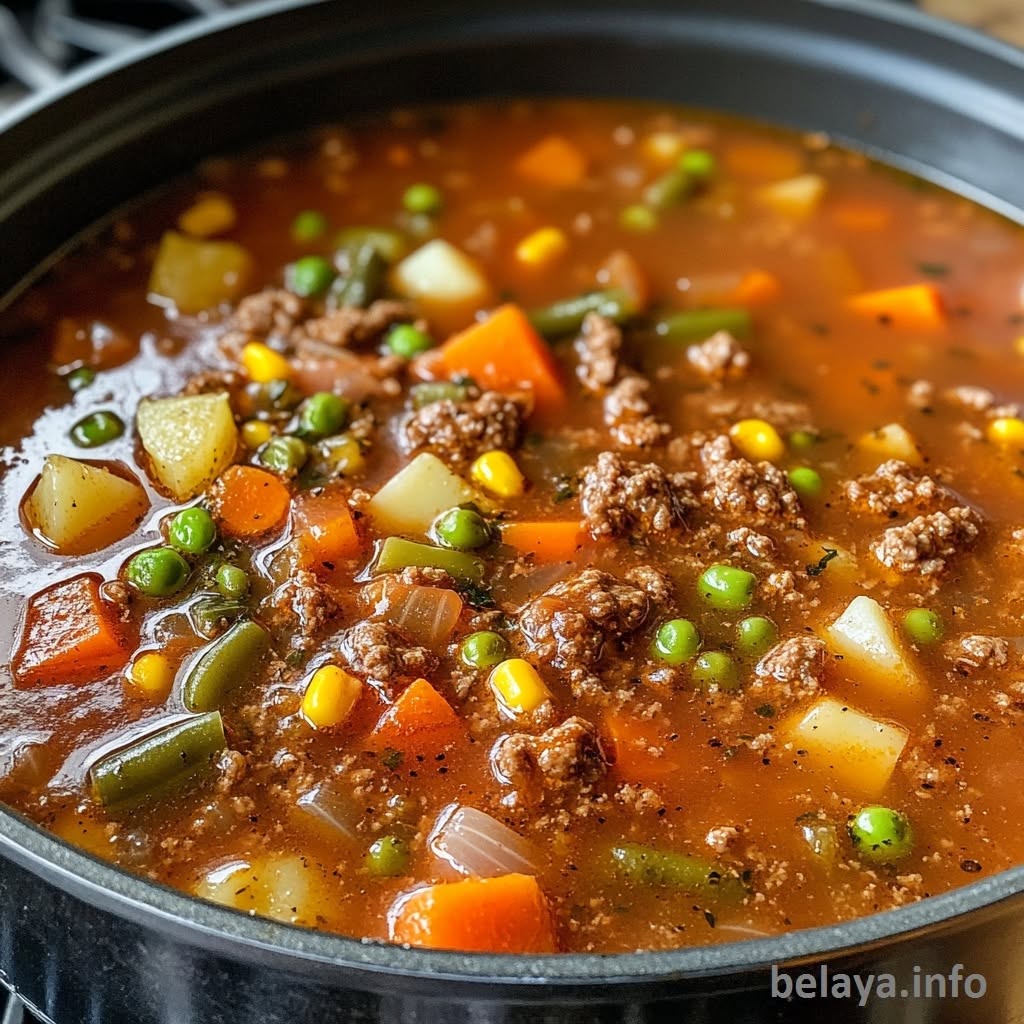
Ground Beef and Vegetable Soup is a hearty, warming, and deeply comforting soup made with browned ground beef, savory broth, tomatoes, herbs, onions, and a generous mix of vegetables. It is the kind of simple, homemade soup that feels practical, nourishing, and satisfying on a cold or rainy day.
What makes this recipe special is its flexibility and depth. The ground beef creates a rich base, the optional Italian sausage adds extra seasoning and boldness, and the vegetables bring color, texture, and natural sweetness. With beef broth, tomatoes, herbs, and Better Than Bouillon, the soup develops a savory, slow-simmered flavor even though it comes together easily.
This is a soup that feels like a full meal in a bowl. It is warm, filling, easy to customize, and perfect for leftovers.
Why People Will Love Ground Beef and Vegetable Soup Recipe
It is hearty and filling: Ground beef, vegetables, broth, tomatoes, and optional sausage make this soup satisfying enough for lunch or dinner.
It has deep savory flavor: Browning the meat first adds richness, while beef broth, tomatoes, herbs, and bouillon create a flavorful base.
It is easy to customize: You can use fresh, frozen, or canned vegetables and adjust the seasonings to match your taste.
It is perfect for cold or rainy days: The warm broth, tender vegetables, and seasoned beef make it especially comforting.
It works well for meal prep: The soup stores well, reheats easily, and often tastes even better the next day.
It is family-friendly: The flavors are familiar, simple, and comforting, making it a good recipe for both kids and adults.
It can be made richer or lighter: Use Italian sausage for extra depth, or use lean ground beef, turkey, or chicken for a lighter version.
Key Ingredients
Ground beef: The main protein of the soup. Browning it first creates a rich, savory foundation.
Italian sausage: Optional, but it adds deeper seasoning, a slightly spicy flavor, and more body to the soup.
Onion: Adds sweetness and aroma when sautéed before the broth is added.
Beef broth: Creates the main soup base and supports the flavor of the ground beef.
Diced tomatoes or stewed tomatoes: Add acidity, brightness, and a rustic homemade texture.
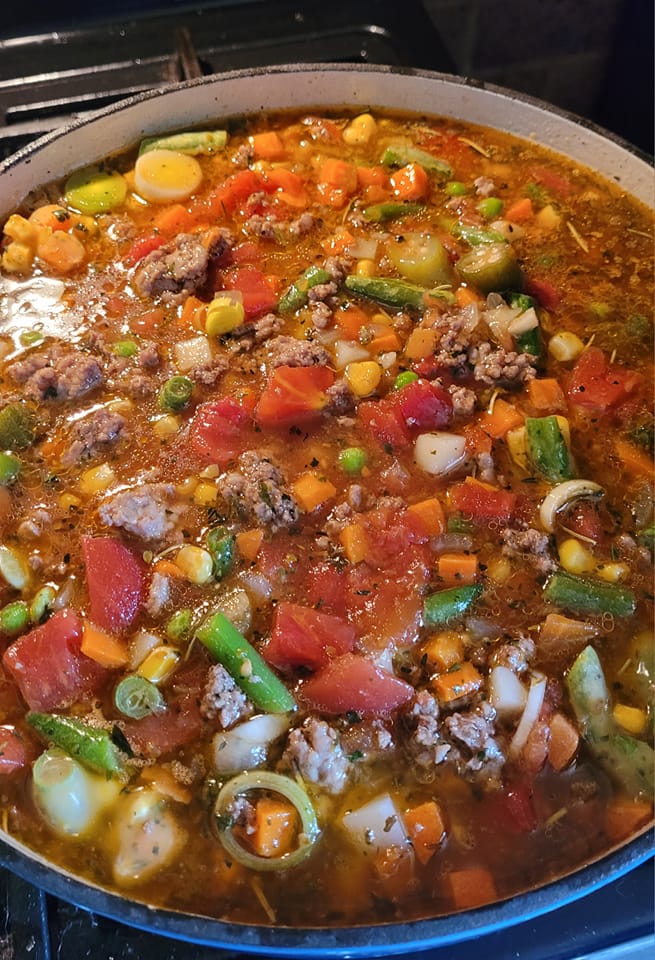
Mixed vegetables: Fresh, frozen, or canned vegetables all work well. They add color, texture, and nutrition.
Frozen soup vegetables: A mix with okra, lima beans, and potatoes gives the soup extra heartiness and Southern-style comfort.
Better Than Bouillon: Adds a concentrated savory flavor. Beef, roasted garlic, and sautéed onion flavors make the broth taste deeper and richer.
Dried basil, oregano, thyme, and parsley: These herbs give the soup warmth, aroma, and a classic homestyle flavor.
Salt and pepper: Essential for balancing the broth and bringing all the flavors together.
Expert Tips
Brown the meat well: Let the beef develop color before adding the broth. This creates a deeper, richer soup.
Drain excess grease: If the meat releases too much fat, drain it so the broth stays clean and balanced.
Sauté the onion first: Softening the onion builds sweetness and gives the soup a better flavor base.
Use low-sodium broth if possible: Bouillon and sausage can be salty, so low-sodium broth gives you more control.
Add vegetables based on texture: Harder vegetables need more time, while canned vegetables should be added later so they do not become too soft.
Taste after simmering: Herbs, tomatoes, broth, and bouillon need time to blend, so adjust seasoning near the end.
Add extra broth if needed: Frozen vegetables and potatoes can absorb liquid, so add more broth or water if the soup becomes too thick.
Let it rest before serving: A few minutes off the heat helps the flavors settle and taste more balanced.
Ground Beef and Vegetable Soup
Ingredients:
1 medium onion, diced
1 tbsp oil (olive oil or vegetable oil)
1 lb ground beef
1/2 lb Italian sausage (optional)
4 cups beef broth
1 can (14.5 oz) diced tomatoes or home-canned stewed tomatoes
1 tsp dried basil
1 tsp dried oregano
1/2 tsp dried thyme
1 tsp dried parsley
Salt and pepper to taste
2 cups mixed vegetables (fresh, frozen, or canned)
1 small bag of frozen soup vegetables (with okra, lima beans, and potatoes)
1 tbsp Better Than Bouillon (beef, roasted garlic, and sautéed onion flavors)
Instructions:
Sauté the Onion:
Heat the oil in a large soup pot over medium heat. Add the diced onion and sauté until softened and translucent, about 5 minutes.
Brown the Meat:
Add the ground beef and Italian sausage (if using) to the pot. Cook until the meat is browned, breaking it up as it cooks. Drain off any excess grease.
Add Broth and Tomatoes:
Pour in the beef broth and add the diced tomatoes or stewed tomatoes. Stir to combine.
Season the Soup:
Add the dried basil, oregano, thyme, parsley, salt, and pepper. Stir well to incorporate the spices.
Add Vegetables:
Add the mixed vegetables and the bag of frozen soup vegetables (including okra, lima beans, and potatoes). Stir to combine.
Enhance with Bouillon:
Add the Better Than Bouillon (beef, roasted garlic, and sautéed onion flavors) to the pot. Stir until the bouillon is fully dissolved.
Simmer the Soup:
Bring the soup to a gentle boil, then reduce the heat to low and let it simmer for 20-30 minutes, stirring occasionally, until the vegetables are tender and the flavors are well blended.
Serve:
Ladle the soup into bowls and serve hot. Enjoy the hearty, warming flavors of this comforting soup, perfect for a chilly, soggy day!
Note: This recipe is versatile, so feel free to adjust the vegetables and seasonings to your taste.
Important Notes When Making Ground Beef and Vegetable Soup
This recipe is very flexible, so the vegetable mix can be changed based on what you have.
Italian sausage adds flavor, but it can be skipped for a lighter soup.
Better Than Bouillon is concentrated, so add it gradually and taste before adding extra salt.
If using canned vegetables, drain them first unless you want the extra liquid in the soup.
If using frozen vegetables, they can usually go straight into the pot without thawing.
The soup will thicken slightly as it sits, especially if it contains potatoes, okra, pasta, or rice.
Leftovers should be stored in an airtight container in the refrigerator.
This soup freezes well, but potatoes may soften slightly after thawing.
How to Enjoy Ground Beef and Vegetable Soup After Cooking
Serve Ground Beef and Vegetable Soup hot, after the vegetables are tender and the broth has had time to absorb the flavor of the beef, tomatoes, herbs, and bouillon. Let the soup rest for about 5 minutes before ladling it into bowls.
For the best serving, make sure each bowl has a good mix of ground beef, vegetables, tomatoes, potatoes, okra, lima beans, and broth. The soup should feel colorful, hearty, and full of texture.
This soup is delicious on its own, but it becomes even more comforting with crusty bread, cornbread, garlic toast, dinner rolls, crackers, or a grilled cheese sandwich. The bread is perfect for soaking up the savory tomato-beef broth.
For a more filling meal, serve the soup over cooked rice, pasta, or mashed potatoes. You can also finish each bowl with grated Parmesan cheese, chopped parsley, black pepper, or a splash of Worcestershire sauce.
If you enjoy a little heat, add red pepper flakes, hot sauce, or spicy sausage. If you prefer a brighter flavor, add a small squeeze of lemon juice or a splash of vinegar at the end.
Leftovers can be reheated on the stove or in the microwave. Add a little extra broth or water if the soup has thickened in the refrigerator.
Nutrition Information
Approximate nutrition per serving, based on 6 servings:
Calories: 250 kcal | Total Fat: 15 g | Saturated Fat: 5 g | Monounsaturated Fat: 6 g | Polyunsaturated Fat: 1.5 g | Cholesterol: 50 mg | Sodium: 800–1,150 mg, depending on broth, bouillon, sausage, and added salt | Total Carbohydrates: 15 g | Dietary Fiber: 3 g | Sugars: 4 g | Protein: 15 g
Frequently Asked Questions:
Can I use a different type of meat instead of ground beef?
Yes, you can substitute ground beef with ground turkey, chicken, or even a plant-based meat alternative.
Keep in mind that this may slightly change the flavor and nutritional content.
How can I make this soup lower in sodium?
Use low-sodium beef broth, choose a low-sodium or salt-free Italian sausage, and reduce or omit the Better Than Bouillon.
You can also season with herbs and spices instead of salt.
Can I make this soup in a slow cooker?
Yes, after browning the meat and sautéing the onions, transfer everything to a slow cooker.
Cook on low for 6-8 hours or on high for 3-4 hours until the vegetables are tender.
What vegetables can I add to this soup?
You can add any vegetables you like.
Common additions include carrots, celery, green beans, zucchini, or bell peppers.
The frozen soup vegetables you mentioned (okra, lima beans, potatoes) are also a great choice.
Can I freeze this soup?
Yes, this soup freezes well.
Allow it to cool completely before transferring to airtight containers. It can be frozen for up to 3 months.
Thaw in the refrigerator overnight and reheat on the stove.
What can I serve with this soup?
This soup pairs well with crusty bread, a side salad, or a grilled cheese sandwich.
You can also serve it with crackers or cornbread for a hearty meal.
Can I add pasta or rice to this soup?
Yes, you can add cooked pasta or rice to the soup to make it more filling.
Add them during the last 10-15 minutes of cooking so they don’t become mushy.
How do I thicken the soup if it’s too thin?
If you prefer a thicker soup, you can mix a tablespoon of cornstarch with a little cold water and stir it into the soup.
Let it simmer for a few minutes until it thickens.
You can also puree a portion of the soup and stir it back in.
Can I make this soup vegetarian?
Yes, you can omit the meat and use vegetable broth instead of beef broth.
Add more beans, lentils, or tofu for protein.
How long will the soup last in the refrigerator?
The soup will keep in the refrigerator for 3-4 days when stored in an airtight container.
Reheat it on the stove or in the microwave before serving.