Green Chile Pork Carnitas
These Green Chile Pork Carnitas capture everything people love about slow-cooked comfort food—layers of tender pork, roasted Hatch green chiles, warm spices, and deep, earthy aromatics that build flavor over hours, not minutes.
This recipe transforms simple cuts of pork into something extraordinary: a melt-in-your-mouth carnitas dish infused with smoky heat, subtle acidity, and the unmistakable fragrance of slow-braised chiles.
Inspired by classic Southwestern cooking, these carnitas celebrate patience and simplicity. Each step—from the golden sear to the slow oven braise—adds another dimension of richness. The result is a deeply savory, soul-warming pork that’s as perfect for tacos and burritos as it is piled over rice, tucked into bowls, or enjoyed straight from the pot.
This is the kind of recipe that fills your kitchen with warmth, feeds a crowd, and tastes even better the next day—food meant to bring people together around unforgettable flavor.
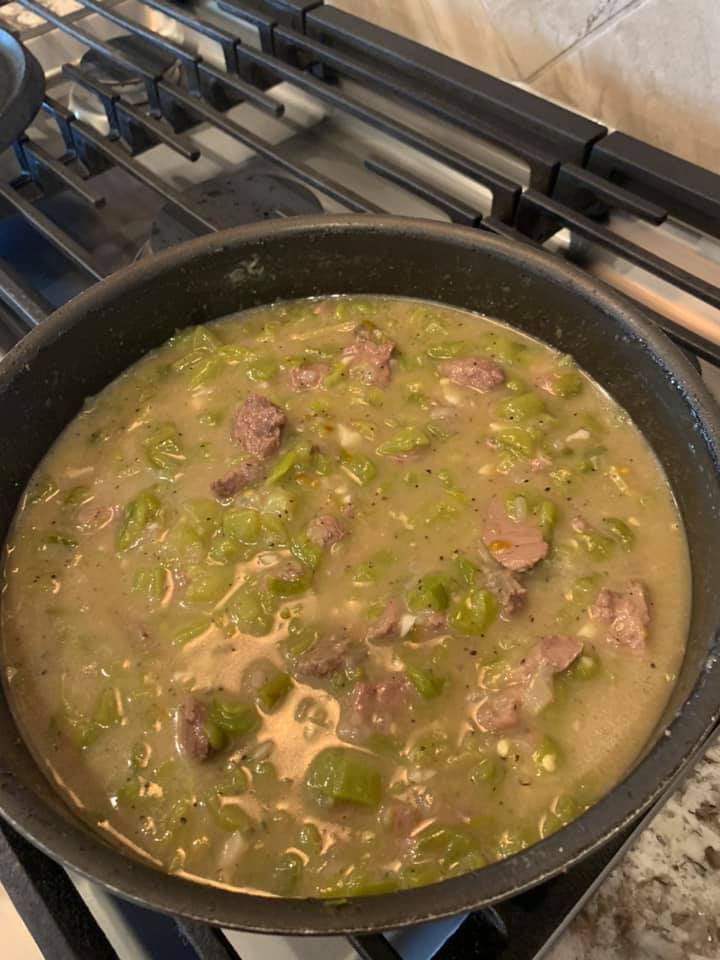
Why People Will Love Green Chile Pork Carnitas Recipe
It delivers incredible depth of flavor with minimal ingredients, relying on slow cooking and natural richness instead of complicated techniques.
The combination of fatty and lean cuts creates unmatched tenderness, giving the carnitas a perfect balance of melt-in-your-mouth bites and meaty texture.
Roasted Hatch green chiles infuse the pork with authentic Southwestern character, adding smoky heat and bright acidity that make every bite unforgettable.
It’s a crowd-pleasing, make-ahead recipe—ideal for feeding families, parties, or meal prep, with flavor that only gets better the next day.
The dish is extremely versatile, working beautifully in tacos, burritos, enchiladas, rice bowls, nachos, or simply served with warm tortillas.
Long, slow cooking transforms humble ingredients into something luxurious, creating a sense of comfort, nostalgia, and slow-crafted goodness.
The braising juices become their own sauce, deeply seasoned and perfect for drizzling over the shredded pork to keep it moist and flavorful.
It’s a recipe that invites personalization, letting cooks adjust heat levels, seasoning, or serving styles to make it their own.
Key Ingredients:
Pork Loin + Pork Shoulder:
This blend of lean and fatty cuts creates a perfect harmony—tender, juicy shreds from the shoulder balanced by the clean, mild flavor of the loin. As they cook together, the meat absorbs the chiles and aromatics, transforming into rich, fall-apart carnitas.
Roasted Hatch Green Chiles:
The star of the dish. These New Mexico chiles bring smoky heat, natural sweetness, and a bright vegetal depth that no other pepper can replicate. Their roasted character infuses every fiber of the pork with Southwestern soul.
Diced Tomatoes:
They contribute gentle acidity and moisture, helping break down the pork while adding body to the braising liquid. As they simmer, they meld seamlessly into the sauce, enhancing the overall richness.
Garlic:
Roughly chopped cloves slowly soften in the braise, releasing earthy warmth and aromatics that deepen the pork’s flavor without overpowering the green chile essence.
Rice Vinegar:
A subtle but essential ingredient. It cuts through the fattiness of the pork with a clean, bright acidity that balances the entire dish and elevates every bite.
Ancho Chile Powder:
Smoky, dark, and slightly sweet, this seasoning anchors the dish with a quiet depth. It enhances both the roasted chiles and the seared pork, adding complexity that develops throughout the slow cook.
Expert Tips:
Use a blend of lean and fatty cuts for perfect texture.
Pork loin provides structure, while shoulder or country-style ribs introduce fat that slowly renders, coating the meat in richness. This balance prevents the carnitas from becoming dry or overly greasy.
Take your time with the sear—it builds the foundation of flavor.
Browning the pork deeply on all sides creates a caramelized crust that enhances the final dish. Avoid rushing this step; proper searing can add more flavor than any seasoning blend.
Layer your flavors, don’t just mix them.
Add the tomatoes, chiles, garlic, and vinegar directly over the seared pork without stirring too aggressively. As the braise begins, these ingredients release their juices slowly and naturally permeate the meat.
Cook low and slow—don’t raise the heat to speed up the process.
The connective tissue in the pork breaks down only with gentle heat over several hours. Maintaining a steady 300°F allows the meat to become fork-tender without drying out.
Taste the broth halfway through and adjust seasoning early.
As the pork cooks, the braising liquid intensifies. Testing it at the 3–4 hour mark gives you time to add salt or additional chile powder so the final flavors are balanced and bold.
Skim the fat but don’t remove all of it.
A thin layer of fat adds silkiness and depth to the shredded pork. Remove only the excess after cooking to keep the carnitas rich without feeling heavy.
Mix the shredded pork back into the braising juices for maximum moisture.
This step ensures every strand absorbs flavor and stays succulent, especially if you plan to crisp or reheat the carnitas later.
For tacos, crisp small batches in a hot skillet.
Letting the pork caramelize a second time creates irresistible crispy edges while preserving a tender interior—a signature carnitas texture.
Green Chile Pork Carnitas
Ingredients
For the Pork:
10-12 lbs of pork (a mix of lean and fatty cuts):
5-6 lbs Pork Loin
5-6 lbs Boneless Country Style Ribs or Boneless Pork Shoulder
40 oz jar of Roasted Hatch Green Chile (Medium Heat, such as 505 Brand)
28 oz can of Diced Tomatoes or Fire Roasted Diced Tomatoes
5 cloves garlic, roughly chopped
1/4 cup rice vinegar
For the Pork Rub Seasoning:
6 tablespoons sea salt
2 tablespoons black pepper
2 tablespoons ancho chile powder
2 teaspoons granulated garlic
Pantry Seasonings:
Salt
Black pepper
Ancho chile powder
Granulated garlic
Vegetable oil (for searing)
Instructions
1. Prepare the Pork:
Cut the pork into 3-inch cubes or strips, depending on the cut.
Mix the sea salt, black pepper, ancho chile powder, and granulated garlic to create the pork rub seasoning.
Season all sides of the pork cubes evenly with the rub.
2. Sear the Pork:
Heat a large dutch oven or an 8-quart pot over medium heat.
Add a few tablespoons of vegetable oil to the pot.
Sear the pork in batches, adding more oil as needed. Avoid overcrowding the pot to achieve a nice golden-brown crust on each piece.
Turn the pork every 3-4 minutes to sear all sides. Set aside after searing each batch.
3. Slow Cooking:
Once all pork is seared, return it to the dutch oven or pot.
Pour the diced tomatoes, chopped garlic, roasted green chiles, and rice vinegar over the pork.
Gently mix to distribute the ingredients.
Cover the pot and place it in the oven. Cook at 300°F (150°C) for 5-6 hours.
At the 3-4 hour mark, check the braising liquid and taste the pork. Adjust seasoning with additional salt if needed.
When done, the pork will be swimming in liquid. Skim off any excess fat from the top with a spoon before shredding the meat.
Shred the pork and mix it back into the juices for a tender, juicy result.
4. Serve:
Enjoy the carnitas in tacos, burritos, or as a flavorful topping for rice and beans.
Important Notes When Making Green Chile Pork Carnitas
The cut of pork determines the soul of the dish.
Using both lean (loin) and fatty (shoulder or country ribs) cuts allows the meat to cook evenly without becoming dry. If you use only lean cuts, the carnitas will lack richness; if you use only fatty cuts, the dish may become overly heavy. Balance is key.
Don’t skip the seasoning rub—or under-season it.
The initial rub is not just surface flavor; it penetrates the meat during the long cooking process. Under-seasoning at the start can result in muted flavor later, even if you try to adjust afterward.
Searing is not optional—it’s transformative.
Proper browning adds dimension and complexity. This Maillard reaction creates the deep, savory base that the green chile braise builds upon. Failing to sear will noticeably flatten the overall flavor.
Slow cooking creates its own broth—do not drain it.
The juices that form during braising become a concentrated elixir of roasted chiles, pork drippings, acidity, and aromatics. These juices are gold. Shred the pork back into them so every bite stays moist and deeply seasoned.
The dish evolves throughout the cook—taste strategically.
At the 3–4 hour mark, the flavors begin to reveal their direction. This is the ideal time to correct salt or add more ancho chile. Waiting until the end limits the ability of the flavors to integrate.
Excess fat should be skimmed, not removed entirely.
Some fat is essential to mouthfeel and authenticity. Removing too much will make the meat taste flat and dry. Skim the top lightly to strike the right balance.
The pork will appear overly liquid at the end—this is intentional.
Carnitas are meant to be shredded into their braising juices. The extra liquid ensures the pork remains succulent, reheats beautifully, and crisps perfectly if pan-fried later.
This recipe improves dramatically overnight.
The flavors meld, deepen, and settle after resting in the refrigerator. If possible, prepare the carnitas a day ahead for maximum richness.
How to Enjoy Green Chile Pork Carnitas After Cooking
Start by letting the pork rest in its own juices.
After shredding the carnitas, allow the meat to sit in the warm braising liquid for at least 10–15 minutes. This resting period lets the pork reabsorb moisture, deepen in flavor, and develop that luscious, melt-in-your-mouth texture.
Stir before serving to redistribute the flavors.
The chiles, tomatoes, garlic, and rendered pork fat naturally settle in layers. Gently mix the pot so every serving captures the full spectrum of richness—from the smoky green chile aroma to the silky, savory broth.
Choose your serving style based on the experience you want:
Soft & Juicy: Spoon the carnitas directly onto plates or tortillas straight from the pot, dripping with chile-infused broth.
Crispy & Caramelized: Heat a skillet and fry small batches until the edges crisp and the juices caramelize, creating the classic carnitas texture.
Build tacos that highlight its complexity.
Warm corn tortillas over a flame or in a skillet. Top with the carnitas, a spoonful of its own juices, and simple garnishes—diced onions, cilantro, lime, and maybe a crumble of cotija. The simplicity allows the green chile flavor to shine.
Transform leftovers into new dishes with character:
- Layer into burritos with rice and beans.
- Serve over cilantro-lime rice for a hearty bowl.
- Add to quesadillas with melty cheese.
- Spoon over roasted potatoes or breakfast hash.
- Use as a topping for nachos or stuffed peppers.
Pair with bright, fresh condiments to balance richness.
The deep savoriness pairs beautifully with acidity and crunch. Consider salsa verde, pickled red onions, tomatillo salsa, shredded cabbage, or lime crema to add contrast and lift each bite.
Don’t forget the braising liquid—it’s liquid gold.
Drizzle it over the carnitas when plating to amplify flavor. For bowls or rice dishes, spoon extra broth underneath the meat for a “wet carnitas” experience full of depth and aroma.
Enjoy it again the next day for even more flavor.
Carnitas deepen beautifully overnight as the meat absorbs every nuance of chile, garlic, and spice. Simply reheat gently in a pot with a splash of the reserved liquid—or crisp it in a skillet for a new texture experience.
Nutrition Information:
For Green Chile Pork Carnitas, based on a 6-ounce serving (typical for tacos, bowls, etc.).
Calories: 345 kcal | Total Fat: 18.6 g | Saturated Fat: 6.4 g | Monounsaturated Fat: 8.1 g | Polyunsaturated Fat: 2.1 g | Cholesterol: 112 mg | Sodium: 420–580 mg (depending on seasoning & chile brand) | Total Carbohydrates: 4.8 g | Dietary Fiber: 1.2 g | Sugars: 2.6 g | Protein: 38.5 g
Frequently Asked Questions:
Can I use only pork shoulder instead of mixing different cuts?
Yes. Pork shoulder alone works beautifully and is the most common cut for carnitas. However, using a mix of loin and shoulder creates a balance of lean and fatty textures. If using only shoulder, expect richer, juicier carnitas with slightly more fat.
How spicy will the carnitas be with Hatch green chiles?
Medium Hatch chiles add warmth and depth but not intense heat. The dish will be flavorful rather than spicy.
For more heat: use hot Hatch chiles or add jalapeños.
For less heat: blend in mild green chiles or reduce the overall amount.
Can I make this recipe in a slow cooker instead of the oven?
Absolutely. After searing the pork, transfer everything into a slow cooker. Cook on LOW for 8–10 hours or HIGH for 5–6 hours. The texture will be equally tender, though oven braising develops slightly deeper flavor.
My carnitas seem watery after cooking—did I do something wrong?
No. It’s normal for the pork to release a large amount of liquid during braising. This broth becomes part of the final dish—rich, flavorful, and perfect for mixing into the shredded pork or drizzling over tacos. Simply skim excess fat before serving.
How do I store and reheat the carnitas without losing moisture?
Store the shredded meat in its braising liquid in an airtight container.
Reheat gently on the stovetop or in the microwave with some of the juices.
For crispy carnitas: add to a hot skillet and let the edges caramelize while spooning broth over the top to keep the inside tender.
Do I really need to sear the pork before slow cooking, or can I skip that step?
Searing is highly recommended. Browning the pork develops deep caramelized flavor through the Maillard reaction, which adds richness that slow cooking alone cannot achieve. Skipping it won’t ruin the dish, but the flavor will be noticeably flatter.
How do I prevent the pork from drying out during the long cook?
Make sure the pot stays covered and the heat remains low. The mixture of tomatoes, green chiles, and rendered pork fat naturally creates enough liquid to keep the meat moist. Using a combination of lean and fatty cuts also helps maintain juiciness.
Should I stir the pork during cooking?
No stirring is needed for the first several hours. Disturbing the meat too early can interrupt browning and moisture retention. Around the 3–4 hour mark, check seasoning and gently fold the meat so flavors distribute evenly.
How do I know when the pork is done and ready to shred?
The pork is ready when it easily falls apart with light pressure from a fork. If resistance remains, it needs more time. Properly cooked carnitas should shred effortlessly and reabsorb their cooking juices.
What’s the best way to crisp the carnitas without drying them out?
Heat a skillet over medium-high heat, add a small amount of the braising liquid, then spread a thin layer of shredded pork. Let it cook undisturbed for 2–3 minutes so it crisps on the bottom while staying juicy on top. Avoid over-stirring—crispy edges come from contact with high heat.