Ragù d’Anatra con Tagliatelle
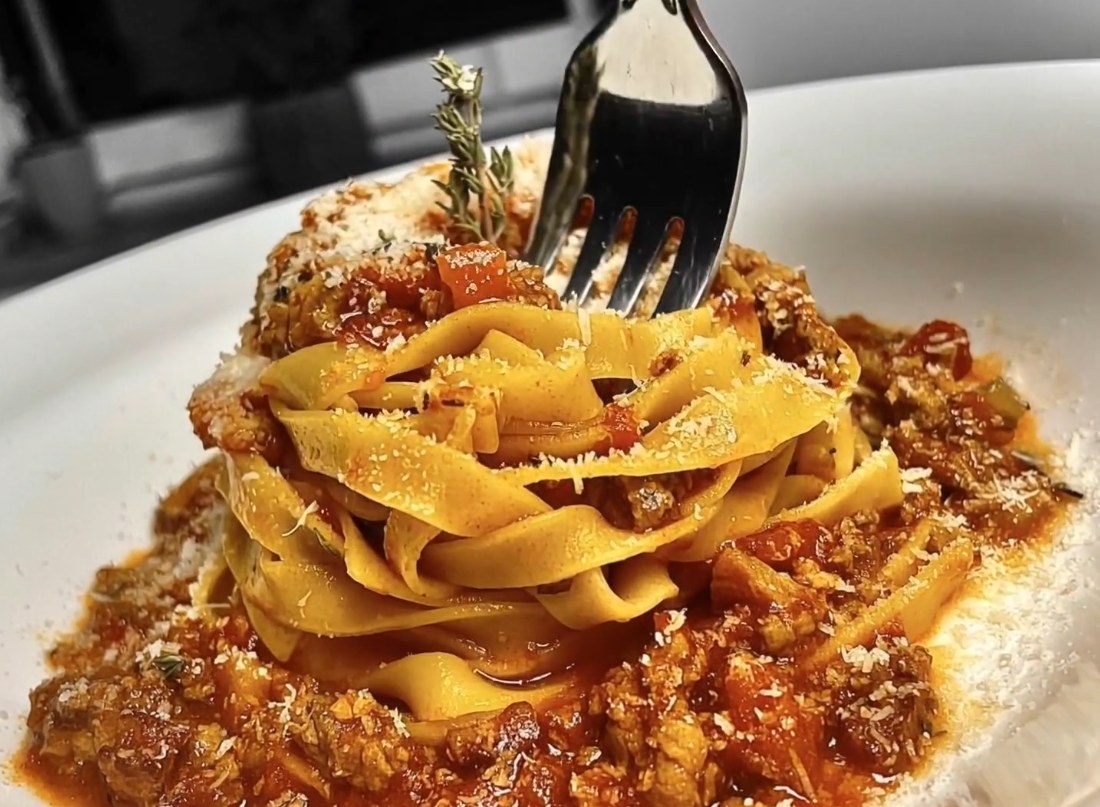
Ragù d’Anatra con Tagliatelle is a deeply traditional Italian dish that celebrates slow cooking, patience, and layered flavor.
Rich duck meat, delicate duck livers, and aromatic vegetables simmer gently in wine and broth, creating a sauce that is both rustic and refined.
Paired with fresh egg tagliatelle, this ragù clings beautifully to the pasta, delivering a luxurious, savory experience that feels at once comforting and elegantly old-world—perfect for a special family meal or a quiet indulgent dinner.
Why People Will Love Ragù d’Anatra con Tagliatelle
Deep, Slow-Developed Flavor:
The long, gentle simmer allows duck meat and livers to release rich, savory depth, creating a ragù that tastes layered, complex, and deeply satisfying.
Perfect Balance of Rustic and Elegant:
This dish feels comforting and homey while still carrying the refinement of classic Italian cucina—ideal for both special occasions and indulgent weekend meals.
Exceptional Sauce-to-Pasta Harmony:
Fresh egg tagliatelle absorbs and holds the ragù beautifully, ensuring every bite delivers sauce, meat, and pasta in perfect balance.
Luxurious Without Being Heavy:
Duck provides richness and silkiness without the heaviness of cream-based sauces, resulting in a dish that feels indulgent yet well-rounded.
Authentic Italian Character:
Traditional aromatics, wine deglazing, and slow cooking techniques give this recipe a true regional Italian soul that food lovers appreciate.
Complex Yet Honest Ingredients:
Every component—from duck livers to bay leaf—has a purpose, contributing depth without masking the natural flavor of the duck.
Restaurant-Quality at Home:
This is the kind of dish people expect at a high-end trattoria, making it especially rewarding to prepare and serve at home.
Memorable and Distinctive:
Duck ragù stands out from more common beef or pork sauces, offering something unique that guests are unlikely to forget.
Comfort with Sophistication:
The warm, savory aroma and silky texture provide comfort, while the refined flavor profile keeps it exciting and elevated.
Perfect for Sharing:
This is a dish meant to be savored slowly and enjoyed together, making it ideal for family dinners, guests, or celebratory meals.
Key Ingredients:
Duck Meat:
The heart of the ragù, duck provides a rich yet refined flavor with natural fat that melts slowly into the sauce, giving it depth, silkiness, and unmistakable character.
Duck Livers:
Used sparingly, they add subtle earthiness and umami, enriching the ragù without overpowering it and lending a velvety, almost luxurious undertone.
Fresh Egg Tagliatelle:
Wide, tender ribbons of pasta that cling beautifully to the sauce, ensuring each bite captures the full richness of the ragù.
Vegetable Purée (Celery, Carrot, Onion):
This classic soffritto forms the aromatic base, gently sweetening the sauce and balancing the intensity of the duck.
Extra-Virgin Olive Oil:
Provides a clean, fruity foundation for sautéing and carries the flavors of herbs and meat throughout the dish.
Red Wine:
Deglazing with wine lifts browned bits from the pan, adding acidity and complexity that brighten the richness of the duck.
Vegetable Broth:
Creates a gentle, savory liquid that allows the ragù to simmer slowly and develop harmony rather than heaviness.
Bay Leaf, Peppercorns, and Aromatic Herbs:
These subtle seasonings infuse warmth and depth, enhancing the duck’s flavor without masking its natural taste.
Grated Scamorza:
Adds a lightly smoky, creamy finish that melts into the pasta, tying together the sauce with an elegant final note.
Expert Tips:
Dice the Duck Finely and Evenly:
Small, uniform pieces ensure the meat breaks down gently during simmering, creating a ragù that coats the pasta smoothly rather than feeling chunky.
Use Duck Livers Sparingly and Early:
Adding the livers early allows them to melt into the sauce, enriching it with depth and silkiness without creating a strong liver flavor.
Brown, Don’t Rush:
Let the duck develop color before adding liquids. Proper browning builds a deep, savory base that defines the final flavor of the ragù.
Deglaze Thoroughly with Wine:
Scrape the pan well after adding wine to capture all the caramelized bits. Allow the wine to fully reduce so its acidity enhances, rather than dominates, the sauce.
Keep the Simmer Gentle:
The ragù should barely bubble. A slow, quiet simmer allows collagen and fat to render smoothly, producing a rich yet refined texture.
Adjust Liquid Gradually:
Add broth a little at a time. The sauce should be moist and spoonable, not soupy—thick enough to cling to the pasta.
Season Near the End:
Duck concentrates flavor as it cooks. Final seasoning at the end prevents oversalting and preserves balance.
Cook Pasta Just Al Dente:
Slightly firm tagliatelle will finish cooking when tossed with the ragù, absorbing flavor without becoming soft.
Rest the Ragù Before Serving:
Letting the sauce sit off heat for 10–15 minutes allows flavors to settle and deepen before combining with pasta.
Finish with Heat and Movement:
Toss pasta and ragù together over low heat for a minute, adding a spoonful of pasta water if needed to create a glossy, cohesive finish.
Ragù d’Anatra con Tagliatelle
Ingredients:
fresh egg pasta sheets: 480 grams
duck meat: 250 grams, diced
duck livers: 50 grams, diced
grated scamorza: 50 grams
extra virgin olive oil (evo): 3 tablespoons
vegetable broth: 200 ml
vegetable puree (celery, carrot, and onion): 80 grams
garlic clove: 1, crushed
bay leaf: 1
mixed aromatic herbs: 2 tablespoons
black peppercorns: 3
red wine: ½ glass
salt: to taste
Instructions:
Prepare the Vegetables:
In a saucepan, heat the extra virgin olive oil over medium heat.
Add the chopped vegetables (celery, carrot, onion) and the crushed garlic clove. Cook until the vegetables are tender and fragrant.
Cook the Duck:
Add the diced duck meat to the pan. Brown the meat until it is no longer pink and has a nice color.
Add Duck Livers:
Incorporate the diced duck livers into the pan. Cook for an additional 5 minutes, allowing the livers to brown slightly.
Deglaze and Season:
Pour the red wine into the pan. Stir and let it cook until the wine has evaporated.
Season with salt, add the bay leaf, black peppercorns, and the mixed aromatic herbs.
Simmer the Ragù:
Add the vegetable broth to the pan. Stir well to combine all ingredients.
Reduce the heat to low and let the ragù simmer for 1 hour, stirring occasionally, until the meat is tender and the flavors are well blended.
Prepare the Pasta:
While the ragù is simmering, roll out the fresh egg pasta sheets and cut them into tagliatelle.
Cook the tagliatelle in a large pot of boiling salted water until al dente. Drain the pasta well.
Combine and Serve:
Toss the cooked tagliatelle with the ragù until well coated.
Serve immediately, garnished with a sprinkling of grated scamorza cheese.
Important Notes When Making Ragù d’Anatra con Tagliatelle
This Is a Slow-Cooked Dish by Nature:
Duck ragù is not meant to be rushed. The long simmer is essential for breaking down connective tissue and developing the deep, rounded flavor that defines the dish.
Duck Is Rich but Delicate:
While flavorful, duck can become greasy if cooked too aggressively. Keep the heat low and skim excess fat if needed to maintain balance.
Livers Are for Depth, Not Dominance:
Duck livers should enhance the ragù subtly. Using more than recommended can overpower the sauce and shift the flavor profile.
Texture Should Be Spoonable, Not Thick:
Unlike heavy meat sauces, duck ragù should remain silky and fluid enough to coat pasta rather than sit on top of it.
Fresh Pasta Changes the Outcome:
Fresh egg tagliatelle absorbs sauce differently than dried pasta. If substituting dried pasta, reserve extra cooking water to help bind the sauce.
Wine Quality Matters:
Use a red wine you would drink. Harsh or overly tannic wines can make the sauce bitter after reduction.
Herbs Should Support, Not Compete:
Keep aromatics restrained. Duck has a naturally bold flavor, and heavy seasoning can mask its elegance.
Resting Enhances Flavor:
Allowing the ragù to rest off heat before serving improves cohesion and depth, much like a stew.
Better the Next Day:
The ragù develops even more complexity after resting overnight, making it ideal for advance preparation.
Respect Simplicity:
This dish relies on technique rather than excess ingredients. Precision and restraint are what elevate it.
How to Enjoy Ragù d’Anatra con Tagliatelle After Cooking
1. Let the Ragù Rest Before Serving
Once the ragù is finished, turn off the heat and let it rest for 10–15 minutes. This allows the duck fat, broth, and aromatics to settle into a cohesive, silky sauce. The flavor will taste rounder and more integrated.
2. Reheat Gently (If Needed)
If the ragù has cooled or was made ahead, reheat it slowly over low heat. Avoid boiling—gentle warmth preserves the delicate richness of the duck and prevents separation.
3. Cook Pasta Fresh and Al Dente
Prepare the tagliatelle just before serving. Cook until al dente, then drain, reserving a cup of pasta water. Fresh pasta should be tender yet structured, ready to absorb sauce without becoming soft.
4. Marry Pasta and Sauce Properly
Add the cooked tagliatelle directly to the ragù pan over low heat. Toss gently for 1–2 minutes, adding small splashes of pasta water as needed to create a glossy, cohesive coating. This step is essential—it transforms two components into one dish.
5. Finish with Balance, Not Excess
Sprinkle grated scamorza lightly over the pasta. The cheese should melt subtly into the heat, adding creaminess and a faint smokiness without overwhelming the duck.
6. Plate with Intention
Twirl the tagliatelle into warm bowls or shallow plates. Spoon a small amount of extra ragù over the top, ensuring visible pieces of duck for visual appeal.
7. Optional Final Touches
A light crack of fresh black pepper for warmth
A drizzle of high-quality extra-virgin olive oil for aroma
A few fresh herbs only if desired—keep it restrained
8. Pair Thoughtfully
Serve with a medium-bodied red wine (Sangiovese, Barbera, or Montepulciano) that complements richness without overpowering it. A simple green salad with lemon vinaigrette provides contrast and freshness.
9. Eat Slowly, While Hot
This dish is best enjoyed hot, when the sauce is silky and aromatic. Take time between bites—the depth of flavor reveals itself gradually.
10. Enjoy Leftovers with Care
If serving the next day, gently reheat the ragù and toss with freshly cooked pasta. The flavors will be deeper, richer, and even more harmonious.
Nutrition Information:
Based on ~4 servings; values are approximate and vary by pasta thickness, cheese amount, and duck fat content
Calories: 620–680 kcal | Total Fat: 26–30 g | Saturated Fat: 7–9 g | Monounsaturated Fat: 13–16 g | Polyunsaturated Fat: 3–4 g | Cholesterol: 165–190 mg | Sodium: 650–850 mg (depending on broth, cheese, and added salt) | Total Carbohydrates: 62–68 g | Dietary Fiber: 4–6 g | Sugars: 4–6 g | Protein: 32–36 g
Frequently Asked Questions:
Can I use a different type of pasta instead of tagliatelle?
Yes, you can use other pasta types like pappardelle, fettuccine, or even linguine.
Just adjust the cooking time as needed.
Can I substitute duck meat with another type of meat?
Yes, you can use beef, pork, or chicken.
Each will provide a different flavor profile, but the cooking time may vary.
What if I can’t find duck livers?
If duck livers are unavailable, you can omit them or use chicken livers as a substitute.
They add a rich flavor to the sauce.
Is it necessary to use red wine in the recipe?
Red wine adds depth to the ragù, but you can substitute it with additional broth or a splash of balsamic vinegar if you prefer.
Can I make this dish ahead of time?
Yes, the ragù can be made ahead of time and stored in the refrigerator for up to 3 days or frozen for up to 3 months.
Reheat thoroughly before serving.
How can I make this recipe gluten-free?
Use gluten-free pasta and ensure that the vegetable broth and other ingredients are gluten-free.
Can I use pre-made pasta?
Yes, you can use store-bought pasta if you prefer.
Just follow the package instructions for cooking time.
What can I use instead of vegetable broth?
You can use chicken broth or beef broth as an alternative.
Each will slightly alter the flavor of the dish.
How can I adjust the spiciness of the dish?
The recipe doesn’t specify spiciness, but you can adjust by adding or reducing the amount of black pepper or adding a pinch of red pepper flakes.
Can I make this dish in a slow cooker or pressure cooker?
Yes, you can adapt the recipe for a slow cooker by cooking on low for 6-8 hours or a pressure cooker by following the manufacturer’s instructions for cooking meat dishes.