Spaghetti with Butter and Parmesan
Spaghetti with Butter and Parmesan is a quiet masterclass in simplicity—where just a few humble ingredients come together to create something deeply comforting and timeless.
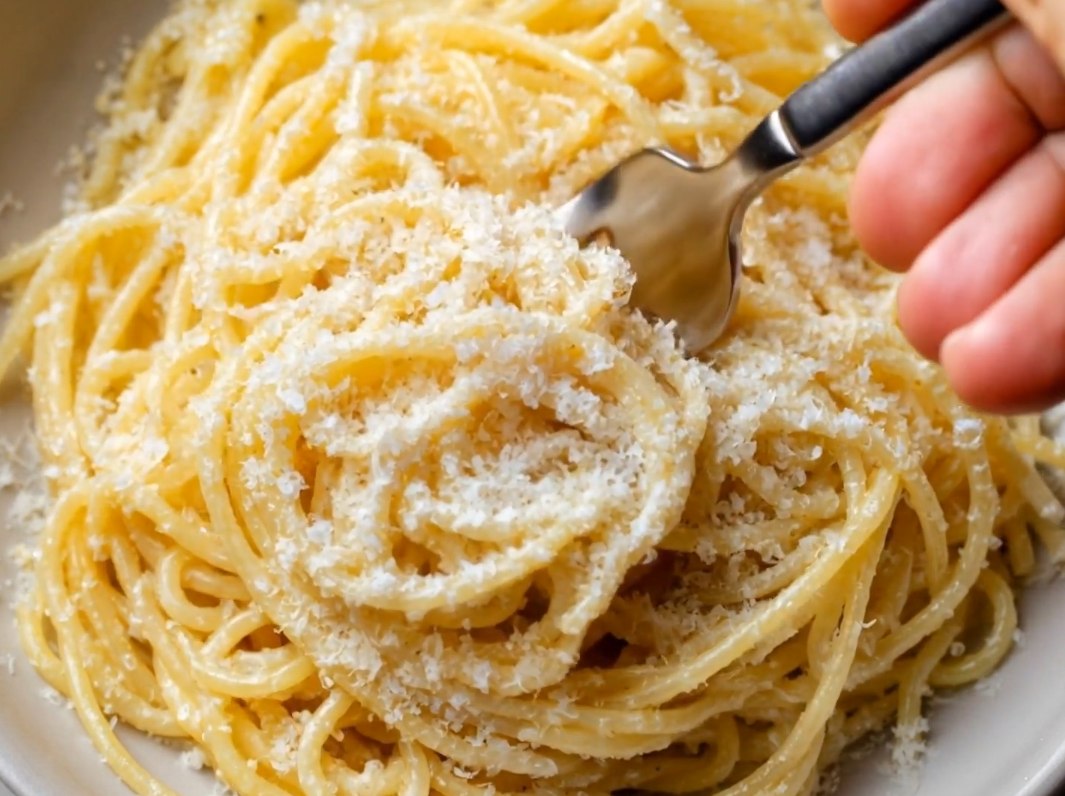
Rich, silky butter coats each strand of pasta, while freshly grated Parmesan melts in, adding savory depth and warmth. It’s the kind of dish that proves less truly can be more, offering pure, nostalgic comfort in every bite.
Why People Will Love This Spaghetti with Butter and Parmesan:
Pure comfort through simplicity – With just butter, cheese, and pasta, this dish delivers warmth and satisfaction without distraction or complexity.
Rich, silky texture – Melted butter coats every strand of spaghetti, creating a smooth, luxurious mouthfeel that feels indulgent yet light.
Deep savory flavor – Parmesan adds salty, nutty umami that transforms simple ingredients into something crave-worthy.
Timeless and nostalgic – This recipe brings back memories of cozy meals and childhood comfort, making it emotionally satisfying as well as delicious.
Perfectly balanced seasoning – Salty cheese, rich butter, and freshly cracked black pepper work together in quiet harmony.
Quick and effortless – It comes together in minutes, making it ideal for busy nights or when you want something comforting without effort.
Versatile and customizable – Enjoy it as-is or build on it with herbs, lemon zest, or protein while preserving its simple soul.
Elegant in its restraint – Minimal ingredients allow quality to shine, making it feel refined rather than plain.
Loved by all ages – Its gentle flavors appeal to kids and adults alike, making it a universal favorite.
Proof that less is more – This dish celebrates technique and balance, showing how simplicity can be deeply satisfying.
Key Ingredients:
Spaghetti noodles – Long, tender strands that act as the perfect canvas, holding onto butter and cheese while delivering a satisfying bite when cooked al dente.
Unsalted butter – Rich and silky, butter is the heart of the dish, coating each strand with warmth and luxurious flavor without overpowering the pasta.
Parmesan cheese – Nutty, salty, and umami-rich, freshly grated Parmesan melts gently into the hot pasta, adding depth and savoriness.
Freshly ground black pepper – A subtle yet essential finish, black pepper adds gentle heat and aromatic contrast that balances the richness.
Salted pasta water – Though not plated, properly salted water seasons the pasta from within, ensuring the final dish tastes full and well-rounded.
Expert Tips:
Salt the pasta water generously – Well-seasoned water is essential; it flavors the pasta from the inside and prevents the final dish from tasting flat.
Cook the pasta al dente – Slight firmness gives the spaghetti structure and allows it to hold the butter and cheese more effectively.
Use high-quality butter – With so few ingredients, the flavor of the butter matters. Choose a good-quality unsalted butter for clean, rich taste.
Grate Parmesan fresh – Freshly grated Parmesan melts smoothly and tastes more aromatic than pre-grated varieties.
Reserve a little pasta water – A splash of starchy water can help emulsify the butter and cheese into a silky coating if needed.
Toss pasta while it’s hot – Heat helps the butter melt evenly and allows the cheese to soften without clumping.
Add cheese off direct heat – Mixing in Parmesan after removing the pot from high heat prevents it from becoming grainy.
Finish with freshly ground pepper – Grinding pepper at the end releases its oils and enhances aroma.
Serve immediately – This dish shines when hot and freshly tossed, with perfect texture and flavor balance.
Keep it simple – Resist overloading with extras; the beauty of this recipe lies in restraint and balance.
Spaghetti with Butter and Parmesan
Ingredients
1 package (16 ounces) spaghetti noodles
10 tablespoons unsalted butter
1 cup grated Parmesan cheese
Freshly ground black pepper, to taste
Instructions
Cook the pasta
Bring a large pot of water to a boil.
Add about 2 tablespoons of salt to the water, then stir in the spaghetti noodles.
Cook according to the package instructions until al dente.
Drain the pasta in a colander—do not rinse.
Butter the noodles
While the pasta drains, return the pot to the stove and add the butter.
Let it melt completely, then return the hot spaghetti to the pot.
Toss the noodles in the melted butter until they’re evenly coated.
Add cheese and finish
Sprinkle in the grated Parmesan cheese and mix well until the cheese is evenly distributed and slightly melted.
Serve
Divide the buttery, cheesy spaghetti into serving bowls.
Add freshly ground black pepper to taste and serve warm.
Important Notes When Making This Spaghetti with Butter and Parmesan:
Ingredient quality is everything – With so few components, each one is fully exposed. Good butter and real Parmesan make a noticeable difference.
Proper pasta cooking sets the foundation – Undercooked pasta won’t absorb flavor, while overcooked pasta turns soft and loses its structure.
Parmesan should melt, not clump – Adding cheese off high heat and tossing gently prevents it from seizing or becoming grainy.
Butter-to-pasta ratio matters – Too little butter leaves the dish dry; too much can make it greasy. Balance is key.
Pasta water is your secret tool – A small splash helps emulsify the butter and cheese into a cohesive sauce.
Black pepper is not optional – It provides contrast and depth that lifts the richness of butter and cheese.
Serve immediately for best texture – As it sits, the butter firms and the cheese tightens, changing the mouthfeel.
This dish is meant to be subtle – Avoid overpowering additions; the elegance comes from restraint.
Salt adjustment happens at the end – Parmesan adds saltiness, so taste before adding more.
Simplicity requires attention – The fewer the ingredients, the more important timing and technique become.
How to Enjoy Spaghetti with Butter and Parmesan After Cooking
Serve immediately while hot
This dish is at its best right after tossing, when the butter is silky and the Parmesan is softly melted into the pasta.
Toss gently before plating
Give the spaghetti a final gentle toss to ensure every strand is evenly coated and glossy.
Finish with freshly ground black pepper
Add pepper at the table so its aroma stays bright and contrasts beautifully with the richness.
Taste before adding extra salt
Parmesan provides natural saltiness, so adjust seasoning carefully to keep balance.
Enjoy the texture first
Take a moment to appreciate the al dente bite and the smooth coating of butter and cheese.
Pair with something light
A simple green salad, sautéed greens, or a glass of water or light wine complements without overpowering.
Eat slowly and mindfully
This is a dish meant to be savored, where each bite highlights restraint and harmony.
Keep portions moderate
Its richness is satisfying, and smaller portions allow you to enjoy it fully without heaviness.
Avoid reheating if possible
Reheating can cause the butter to separate and the cheese to clump. If needed, reheat gently with a splash of water.
Appreciate its simplicity
Let the dish be what it is—quiet, comforting, and deeply satisfying without embellishment.
Nutrition Information:
Approximate values per serving, assuming the recipe serves 4
Calories: 520–560 kcal | Total Fat: 28–32 g | Saturated Fat: 17–19 g | Monounsaturated Fat: 8–10 g | Polyunsaturated Fat: 1.5–2 g | Cholesterol: 75–90 mg | Sodium: 650–850 mg (depending on Parmesan and added salt) | Total Carbohydrates: 55–60 g | Dietary Fiber: 2–3 g | Sugars: 3–4 g | Protein: 16–18 g
Frequently Asked Questions:
Why does my Parmesan sometimes clump instead of melting smoothly?
This usually happens when the cheese is added over high heat or when pre-grated Parmesan is used. Add freshly grated Parmesan off the heat and toss gently so it melts into the butter instead of seizing.
Should I rinse the pasta after draining?
No. Rinsing removes the starch that helps the butter and cheese cling to the noodles. Draining without rinsing gives you a silkier, more cohesive dish.
Can I use salted butter instead of unsalted?
Yes, but reduce the salt in the pasta water slightly and taste before seasoning at the end. Parmesan already adds saltiness, so balance is important.
Is this dish meant to be a main course or a side?
It can be either. Served in larger portions, it’s a comforting main; in smaller portions, it works beautifully as a simple side or first course.
Can I add extra ingredients without ruining the dish?
Yes, but keep additions minimal. A little lemon zest, fresh herbs, or sautéed garlic can enhance the flavor while preserving the dish’s simple character.
How salty should the pasta water be?
The water should taste like the sea. Properly salted water seasons the pasta from the inside and is essential for good flavor in such a simple dish.
When is the best time to add the butter?
Add the butter immediately after draining the pasta while the noodles are still very hot. The residual heat helps the butter melt evenly and coat each strand.
Should the cheese be added over heat or off heat?
Add Parmesan off direct heat. High heat can cause the cheese to clump or turn grainy instead of melting smoothly.
What should I do if the pasta looks dry?
Add a small splash of reserved pasta water and toss gently. The starch in the water helps emulsify the butter and cheese into a silky coating.
How do I avoid greasy pasta?
Use the butter amount carefully and toss thoroughly. Even distribution creates richness without pooling or oiliness.