Authentic Chili Verde
Authentic Chili Verde is a dish built on fire-roasted flavor and slow-simmered comfort — a celebration of Mexican home cooking at its most soulful.
The bright acidity of blistered tomatillos, the mellow heat of poblanos and jalapeños, and the herbaceous depth of fresh cilantro come together to create a sauce that is both vibrant and rustic. As the pork gently braises for hours, it absorbs every layer of this green magic, turning impossibly tender and richly infused.
Each bowl captures that perfect balance of tang, heat, and savory depth — the kind of flavor that only comes from patience, real ingredients, and tradition passed down through kitchens for generations.
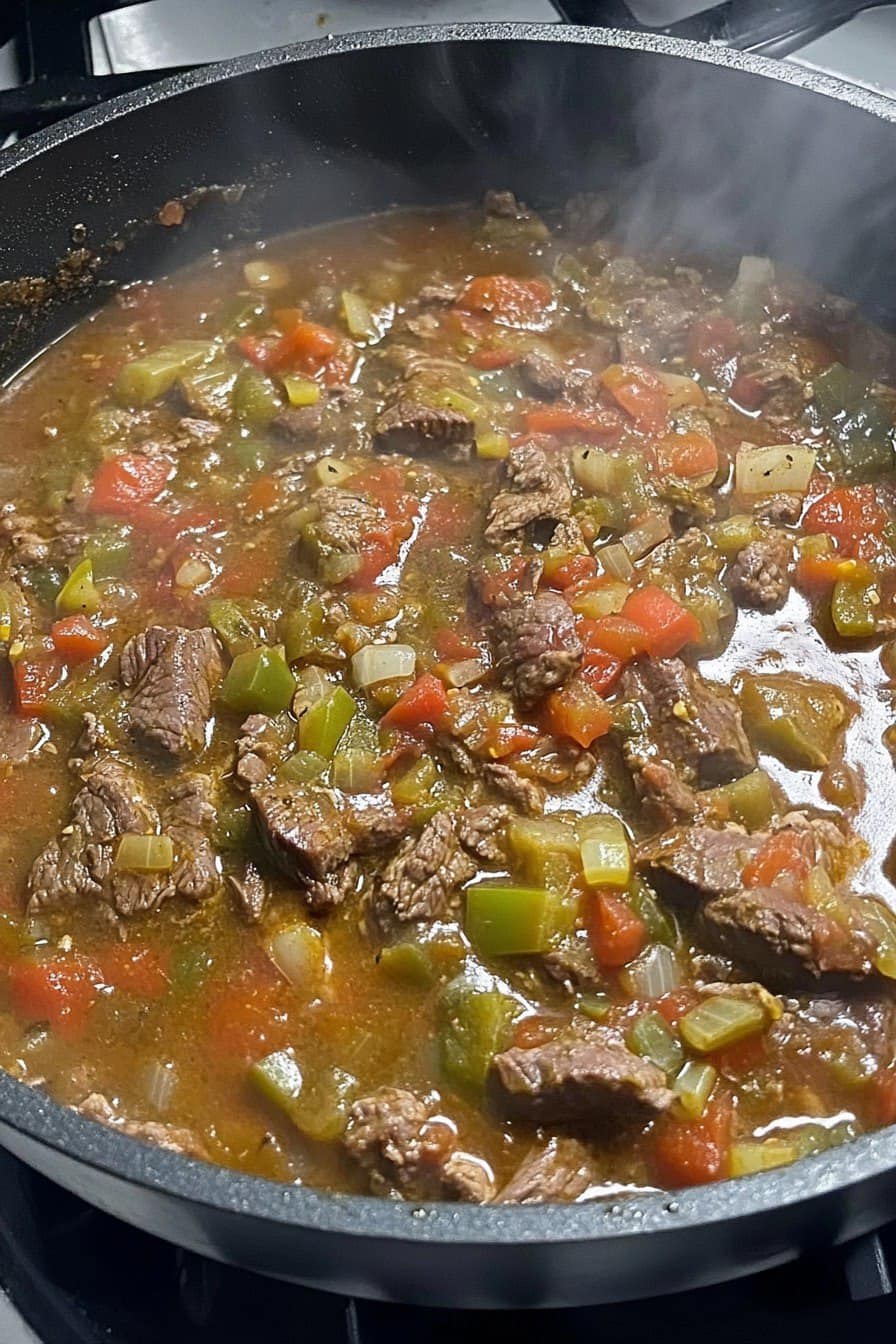
Why People Will Love Authentic Chili Verde Recipe:
A true taste of authenticity:
The recipe builds flavor the traditional way — roasting tomatillos, charring peppers, and simmering pork low and slow — giving every bite a depth you simply can’t get from shortcuts or canned sauces.
A perfect balance of tang, heat, and savory richness:
The acidity of tomatillos, the gentle heat of jalapeños, the earthiness of poblanos, and the melt-in-your-mouth pork create a harmony of flavors that’s bold yet incredibly comforting.
Slow-cooked tenderness that feels luxurious:
After hours of simmering, the pork becomes unbelievably soft, shredding at the touch and soaking up the vibrant green chile sauce like a sponge.
A versatile dish that fits any meal:
Serve it over rice, stuff it into tacos, ladle it onto burritos, spoon it over eggs, or enjoy it as a hearty stew — Chili Verde adapts effortlessly to your cravings.
Layers of freshness that keep it bright:
The final touches of lime, cilantro, and roasted aromatics lift the stew from heavy to lively, making it satisfying without feeling greasy.
Deeply comforting yet energizing:
It has the warmth of a slow-braised dish but with the invigorating brightness of green chiles, creating a bowl that soothes the soul while waking up the senses.
A recipe that rewards patience:
Each step — from roasting to browning to long simmering — transforms simple ingredients into something impressive, making the final result feel truly special and worth the wait.
Key Ingredients:
Tomatillos – The soul of Chili Verde. Their natural tartness melts into a bright, citrusy backbone that gives the stew its signature tang and vivid green color.
Poblano and Jalapeño Peppers – A duo that creates layered heat. Poblanos add smoky depth and earthiness, while jalapeños contribute a lively kick without overwhelming the palate.
Fresh Cilantro – Blended into the sauce and stirred in at the end, cilantro brings a clean, herbal lift that keeps the stew vibrant and aromatic.
Pork Shoulder (or Pork Butt) – A richly marbled cut that becomes buttery soft when slow-braised, absorbing every nuance of the roasted chile sauce.
Onion and Garlic – Foundational aromatics that round out the sauce with sweetness, savoriness, and roasted warmth.
Cumin & Oregano – Gentle but essential spices that introduce earthy undertones and a subtly Mexican profile without overpowering the fresh green flavors.
Lime Juice & Soy Sauce (or Salt) – The finishing touches that sharpen the stew’s flavor. Lime brightens, soy adds umami depth, and together they balance the acidity and heat perfectly.
Expert Tips:
Char your vegetables darker than you think.
Don’t be afraid of deep blistering on the tomatillos and peppers — that smoky edge is what gives Chili Verde its signature depth. Lightly charred = bright. Deeply charred = complex and restaurant-quality.
Blend the sauce while the vegetables are still warm.
Warm ingredients emulsify better, creating a smoother, silkier green sauce that clings beautifully to the pork instead of separating.
Brown the pork in batches for maximum flavor.
Crowding the pot will steam the meat instead of searing it. Allowing each piece to form a deep brown crust builds the stew’s foundational richness.
Deglaze the pot before simmering.
After browning the pork, add a splash of broth and scrape up the browned bits. Those little caramelized fragments dissolve into the sauce and amplify the overall flavor.
Use homemade broth if possible.
Chicken or ham broth made from bones adds collagen and natural body, giving the stew a richer mouthfeel and more satisfying texture.
Let it simmer low and slow — don’t rush it.
Chili Verde transforms during the final hour of cooking. The pork becomes buttery soft, the chiles mellow, and the acidity finds balance. Time is an ingredient here.
Finish with acid and herbs only at the end.
Lime juice and fresh cilantro should never cook for long; adding them at the end keeps the stew bright, lively, and layered.
Rest the stew before serving.
Letting Chili Verde sit for 10–15 minutes off the heat allows flavors to meld and intensify — and it tastes even better the next day.
Skim the fat only if needed.
Some fat is essential for richness. Remove only excess oil that rises to the top, not all of it, to keep the stew balanced and velvety.
Authentic Chili Verde
Ingredients:
2 pounds tomatillos, husks removed and washed
2 poblano peppers, cut in half lengthwise and seeds removed
2 jalapeno peppers, cut in half lengthwise and seeds removed
1 large white onion, cut into 8 wedges
4 cloves garlic
1 cup cilantro, loosely packed
2 tablespoons oil (or bacon grease)
3 pounds pork butt or shoulder, cut into 1-inch cubes
2 cups chicken broth or ham broth
1 teaspoon cumin seeds, toasted and ground (optional)
2 teaspoons oregano
1 tablespoon soy sauce (or fish sauce, or salt to taste)
2 tablespoons lime juice
1/4 cup cilantro, chopped
Instructions:
Roast the Vegetables:
Preheat the broiler.
Place the tomatillos, poblano peppers (cut side down), jalapenos, onion wedges, and garlic on a baking sheet.
Broil for 10-15 minutes, or until the skins are blistered and blackened.
Once done, let cool slightly.
Then, transfer everything to a blender with 1 cup of cilantro and blend until smooth.
Set the sauce aside.
Brown the Pork:
Heat the oil or bacon grease in a large, heavy-bottomed pot or Dutch oven over medium-high heat.
Add the pork cubes and brown on all sides.
Remove the pork from the pot and set aside.
Simmer the Chili Verde:
To the same pot, add the chicken or ham broth, ground cumin (if using), oregano, and the roasted tomatillo sauce.
Stir to combine, then return the browned pork to the pot.
Bring the mixture to a boil, then reduce the heat to low.
Cover and simmer for 2-3 hours, until the pork is tender and easily shreddable.
Alternatively, you can roast in a 350°F (180°C) oven, or transfer to a slow cooker and cook on low for 8-10 hours or high for 4-5 hours.
Final Seasoning:
Once the pork is tender, remove the pot from heat.
Stir in soy sauce (or salt to taste), lime juice, and chopped cilantro.
Taste and adjust seasoning if needed.
Serve:
Serve your Chili Verde hot with rice, tortillas, or as a topping for tacos.
Garnish with more cilantro and lime wedges if desired.
Enjoy the bold flavors of this comforting and tangy Chili Verde!
Important Notes When Making Authentic Chili Verde:
The flavor depends heavily on roast quality.
Lightly roasted vegetables yield a fresher, greener sauce, while deeply charred tomatillos and peppers create a richer, smokier stew. Both are correct — choose based on the flavor profile you want.
Heat level is customizable without changing the recipe’s structure.
Keep the seeds in one jalapeño for medium heat, or leave all seeds out for a milder version. Add a serrano pepper to increase intensity without altering the flavor balance.
Pork shoulder is the ideal cut — don’t substitute lean cuts.
Lean pork loin or tenderloin will turn dry and stringy during long cooking. The fat in pork shoulder is what makes the meat tender, succulent, and deeply flavorful.
The sauce will thicken naturally as it simmers.
Tomatillos are high in natural pectin. As they cook down, the stew slowly transitions from thin to velvety — no flour or cornstarch needed.
Salt at the end, not the beginning.
The acidity from tomatillos and lime evolves as the stew reduces. Adding salt too early can throw off the balance. Finish with soy sauce (or salt) only after the pork is tender.
Chili Verde improves dramatically overnight.
The flavors deepen, the heat mellows, and the pork absorbs even more sauce. If serving for guests, making it a day ahead is a secret advantage.
Broth choice changes the final flavor profile.
Chicken broth creates a bright, classic Chili Verde. Ham broth adds smoky, savory undertones and a more robust finish — perfect for those who love deeper, meatier stews.
Don’t overblend the cilantro.
Cilantro should be vibrant, not bitter. Blend just until smooth; overprocessing can release harsher flavors and dull the sauce’s freshness.
Stir occasionally during long simmering.
Because the sauce is naturally thick, it can settle and cling to the bottom. Gentle stirring prevents scorching and ensures even reduction.
How to Enjoy Authentic Chili Verde After Cooking:
Serve it the traditional way — as a warm, comforting stew.
Ladle the Chili Verde into a deep bowl and let the tender pork rest in a pool of silky green sauce. Add a squeeze of fresh lime, a sprinkle of cilantro, and enjoy it with warm tortillas on the side for dipping, tearing, or scooping.
Pair it with steamed rice for a fuller, heartier meal.
Spoon the Chili Verde over a bed of fluffy white rice or Mexican rice. The grains soak up the bright, tangy sauce, turning every bite into a perfect balance of acidity, heat, and richness.
Make unforgettable tacos with it.
Fill warm flour or corn tortillas with chunks of pork and a splash of green sauce. Add diced onions, cilantro, lime, or even pickled jalapeños for extra brightness. This transforms the stew into a handheld flavor bomb.
Use it as a topping for burritos, enchiladas, or nachos.
Pour the Chili Verde over a stuffed burrito for a “wet burrito” style dish, or drizzle it across tortilla chips with melted cheese for next-level green chile nachos.
Serve it with eggs for a breakfast upgrade.
Spoon Chili Verde over scrambled eggs, fried eggs, or in a breakfast burrito. The acidity and heat cut through the richness of eggs beautifully.
Make a Chili Verde “bowl.”
Layer rice or quinoa, beans, shredded lettuce, pork, and green chile sauce in a bowl. Top with avocado, radishes, and lime for a fresh, modern version.
Enjoy it as a low-carb option.
Skip the rice or tortillas and serve the stew on its own with extra broth. The bold flavors are satisfying enough without any starch.
Let it rest and enjoy it again the next day.
Chili Verde becomes deeper and more cohesive after a night in the fridge. The pork absorbs even more of the roasted chile sauce, and the flavors become rounder and richer — making leftovers arguably better than the first serving.
Freeze portions for future quick meals.
Chili Verde freezes beautifully. Store in airtight containers for up to 3 months. It reheats into the same velvety, savory stew, perfect for busy days when you want something comforting without cooking.
Nutrition Information:
For Authentic Chili Verde
Based on a typical serving of pork-based Chili Verde, approximately 1 cup.
Calories: 265 kcal | Total Fat: 15.8 g | Saturated Fat: 5.2 g | Monounsaturated Fat: 7.1 g | Polyunsaturated Fat: 1.4 g | Cholesterol: 95 mg | Sodium: 480–650 mg (depending on broth & soy sauce) | Total Carbohydrates: 10.4 g | Dietary Fiber: 2.3 g | Sugars: 3.8 g | Protein: 24.6 g
Frequently Asked Questions:
Can I make Chili Verde without roasting the vegetables?
Yes, but the flavor won’t be the same. Roasting caramelizes the tomatillos and peppers, adding smoky depth and reducing raw acidity. If you must skip roasting, sauté the vegetables until softened and lightly browned to build at least some of that flavor.
What’s the best substitute if I can’t find fresh tomatillos?
Canned tomatillos work surprisingly well — just drain them and roast under the broiler for a few minutes to develop some char. Salsa verde can be used in emergencies, but it will produce a thinner, less complex stew.
How do I keep the sauce from turning bitter?
Over-blending cilantro or charring peppers too aggressively can introduce bitterness. Blend just until smooth, remove overly burnt pepper skins, and always add fresh herbs and lime juice at the end, not during simmering.
Can I use chicken instead of pork?
Absolutely. Boneless, skinless chicken thighs are the best substitute because they stay juicy during long simmering. Reduce simmer time to about 45–60 minutes, or until the chicken easily shreds.
Why is my Chili Verde thicker (or thinner) than expected?
Tomatillos vary in water content. If your stew is too thick, stir in extra broth a little at a time. If it’s too thin, remove the lid and simmer uncovered for 10–15 minutes to naturally reduce and concentrate the sauce.
Do I need to peel the skins off the roasted peppers before blending?
You don’t have to, but removing the most heavily charred portions will give you a cleaner, smoother sauce. Leaving some skin adds smoky depth. For the best balance, peel off the thickest blackened patches and keep the rest.
How do I prevent the pork from drying out during the long simmer?
Use pork shoulder or pork butt only — never lean cuts. Also, make sure there’s enough liquid to surround at least two-thirds of the meat. Stir occasionally to keep the pieces submerged and tender.
Can I make the sauce ahead of time to save prep work?
Yes. The roasted tomatillo–pepper sauce can be made up to 3 days in advance and stored in the refrigerator. It actually tastes better after resting, and it speeds up your cooking day significantly.
How do I know when the pork is fully cooked and ready?
The pork is done when it becomes effortlessly tender — meaning you can press it with a spoon and it begins to break apart. This typically takes 2–3 hours on the stovetop, or 8–10 hours on low in a slow cooker.
Can I thicken the Chili Verde if I prefer a richer, heavier consistency?
Yes, but avoid flour or cornstarch. Instead, remove the lid and simmer the stew uncovered to reduce naturally, or blend a small scoop of cooked tomatillos and broth back into the pot to reinforce thickness without altering the flavor.