Shrimp Scampi With Pasta
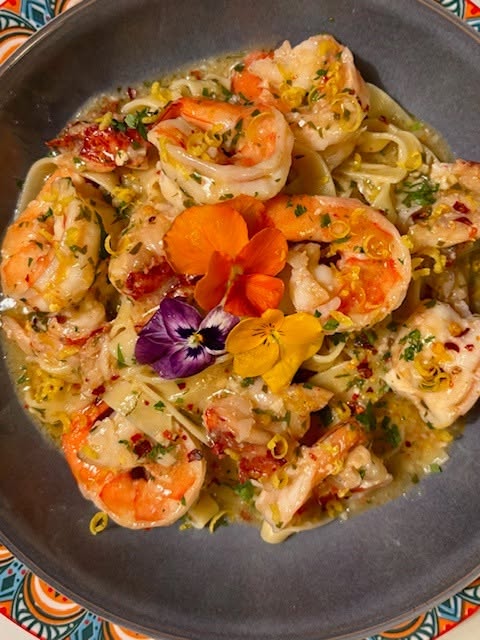
Shrimp Scampi with Pasta is a bright, buttery, garlic-forward seafood pasta made with tender shrimp, olive oil, dry vermouth, fresh lemon, parsley, and a silky butter sauce that clings beautifully to linguine or spaghetti.
What makes this version especially flavorful is the balance between richness and freshness. Butter and olive oil create a luxurious sauce, while vermouth adds aromatic depth, lemon brings acidity, and red pepper flakes provide just enough heat to keep the dish lively. The pasta is finished directly in the skillet with reserved pasta water, helping the sauce emulsify into a glossy coating rather than pooling at the bottom.
It is elegant enough for a special dinner but quick enough for a weeknight meal, especially when you want something that feels restaurant-quality without relying on heavy cream.
Why People Will Love Shrimp Scampi With Pasta Recipe
The shrimp stay juicy, tender, and lightly golden.
Garlic is a major flavor component, making the sauce deeply aromatic.
Butter gives the pasta a rich, luxurious finish.
Extra-virgin olive oil adds fruitiness and helps create a smooth sauce.
Dry vermouth contributes subtle herbal and wine-like complexity.
Fresh lemon juice balances the richness with bright acidity.
Lemon zest adds citrus aroma without adding extra liquid.
Red pepper flakes provide gentle warmth rather than overwhelming spice.
Parsley adds freshness and color at the very end.
Pasta water helps create a silky, restaurant-style sauce.
The shrimp cook quickly, so the whole dish can come together relatively fast.
There is no heavy cream, so the sauce feels rich but not overly heavy.
Linguine and spaghetti both pair beautifully with the garlicky sauce.
The recipe is elegant enough for entertaining but approachable for home cooking.
Every bite combines buttery, garlicky, citrusy, savory, and slightly spicy flavors.
Key Ingredients
Large Shrimp:
Large shrimp provide the sweet, delicate seafood flavor at the center of the dish. Cooking them quickly over high heat helps keep them tender rather than rubbery.
Baking Soda:
A very small amount helps the shrimp maintain a firmer, snappier texture during cooking and promotes better browning.
Extra-Virgin Olive Oil:
Olive oil is used in several stages, helping cook the shrimp and garlic while also contributing body and richness to the final sauce.
Garlic:
With 10 cloves, garlic is intentionally prominent. It provides the classic savory character expected from shrimp scampi.
Dry Vermouth:
Dry vermouth adds acidity, herbal complexity, and depth while also helping loosen the browned bits from the skillet.
Unsalted Butter:
Butter is emulsified with the wine, olive oil, and pasta water to create the silky sauce that coats the noodles.
Fresh Lemon Juice:
Lemon juice adds acidity that cuts through the butter and olive oil and enhances the natural sweetness of the shrimp.
Lemon Zest:
Zest provides concentrated citrus aroma and gives the finished pasta an especially fresh finish.
Red Pepper Flakes:
A generous pinch adds mild heat and keeps the rich sauce from tasting flat.
Parsley:
Fresh parsley gives the pasta color and a clean herbal note at the end.
Linguine or Spaghetti:
Long pasta works especially well because the glossy scampi sauce clings to the strands.
Expert Tips
Pat the shrimp dry before seasoning for better browning.
Do not skip the short baking soda rest if you want firmer shrimp.
Avoid cooking the shrimp completely during the first sear; they will return to the skillet later.
Use a large skillet so the shrimp can cook in one relatively even layer.
Watch the garlic closely because finely minced garlic can burn very quickly.
Reduce the heat immediately if the garlic begins browning too fast.
Let the vermouth reduce before adding the butter so the sauce does not taste harsh.
Add the butter in pieces rather than all at once for easier emulsification.
Swirl and stir the skillet as the butter melts to help create a smooth sauce.
Cook the pasta slightly under al dente before transferring it to the skillet.
Reserve more pasta water than you think you will need.
Add pasta water gradually rather than pouring in too much at once.
Toss the pasta vigorously in the skillet to help the starch emulsify with the fat.
Return the shrimp only at the end so they do not overcook.
Add lemon zest and parsley after most of the cooking is finished to preserve their freshness.
Shrimp Scampi With Pasta
Ingredients
1 pound (450 g) large shrimp, peeled, deveined, and butterflied along the back
¾ teaspoon kosher salt for seasoning the shrimp, plus more as needed
¼ teaspoon baking soda
8 tablespoons (120 ml) extra-virgin olive oil, divided
10 medium garlic cloves, very finely minced
1 generous pinch crushed red pepper flakes
¾ cup (180 ml) dry vermouth
6 tablespoons (85 g) unsalted butter, cut into tablespoon-size pieces
2 tablespoons (30 ml) fresh lemon juice
1 teaspoon finely grated lemon zest
1 pound (450 g) dried linguine or spaghetti
1 loosely packed cup fresh parsley leaves and tender stems, finely chopped
Reserved pasta cooking water, as needed for finishing the sauce
Instructions
Prepare the Shrimp:
Cut each shrimp in half crosswise.
Place the shrimp in a large bowl and toss with ¾ teaspoon kosher salt and the baking soda until evenly coated.
Let the shrimp rest for at least 10 minutes, or up to 1 hour, before cooking.
Sear the Shrimp:
Heat 3 tablespoons olive oil in a large 12-inch skillet or sauté pan over high heat until shimmering.
Add the shrimp in a single layer and cook for about 2 minutes, stirring and turning occasionally, until pink, just cooked through, and lightly golden in spots.
Remove the shrimp from the skillet and transfer to a plate.
Cook the Garlic and Red Pepper Flakes:
Add another 3 tablespoons olive oil to the same skillet.
Add the minced garlic and red pepper flakes.
Cook over medium-high heat for about 1 minute, stirring frequently, until the garlic just begins to turn golden. Lower the heat if necessary to prevent the garlic from burning.
Deglaze with Vermouth:
Pour in the dry vermouth.
Increase the heat to high and bring to a boil.
Cook for about 4 minutes, stirring and scraping up any browned bits from the bottom of the skillet, until the vermouth has reduced by roughly half and the harsh alcohol aroma has mostly cooked away.
Make the Butter Sauce:
Add the butter pieces to the skillet.
Stir and swirl the pan continuously as the butter melts, helping it blend with the wine and olive oil into a smooth, silky sauce.
Remove the skillet from the heat.
Stir in the fresh lemon juice and season lightly with salt.
Cook the Pasta:
Meanwhile, bring a large pot of salted water to a boil.
Add the linguine or spaghetti and stir frequently during the first 30 seconds to prevent sticking.
Cook until the pasta is just shy of al dente, about 2 minutes less than the package directions.
Before draining, reserve at least 1 cup of pasta cooking water.
Finish the Pasta in the Sauce:
Transfer the pasta directly to the skillet with the scampi sauce.
Add about ¼ cup reserved pasta water.
Place the skillet over high heat and toss the pasta continuously for about 2–3 minutes, until it reaches al dente and the sauce becomes slightly thickened and glossy.
Add additional pasta water, about ¼ cup at a time, if the sauce becomes too thick or dry.
Return the Shrimp:
Add the cooked shrimp and any juices from the plate back to the skillet.
Add the lemon zest, chopped parsley, and the remaining 2 tablespoons olive oil.
Toss everything together until the shrimp and pasta are evenly coated in the sauce.
Taste and Serve:
Remove the skillet from the heat.
Taste and adjust the salt if needed.
Divide the pasta and shrimp among serving bowls and serve immediately while hot.
Important Notes When Making Shrimp Scampi With Pasta
Shrimp cook very quickly and can become rubbery if left over heat too long.
Baking soda should be used in a very small amount; more is not better.
Salt should be adjusted carefully because the pasta water is also salted.
Dry vermouth can be replaced with a dry white wine if needed.
The vermouth is reduced during cooking, but some alcohol may remain.
Garlic should become lightly golden, not dark brown.
Burnt garlic can make the entire sauce bitter.
The sauce should look glossy and lightly creamy even though it contains no cream.
Pasta water is essential for creating the proper emulsified texture.
The sauce will thicken as it sits.
If it becomes too tight, loosen it with additional warm pasta water.
Add lemon juice off strong heat to maintain a fresh citrus flavor.
Fresh parsley should be added near the end.
Serve immediately because the sauce is best while warm and emulsified.
Leftover pasta may absorb more sauce and become drier during refrigeration.
How to Enjoy Shrimp Scampi With Pasta After Cooking
Once the shrimp have been returned to the skillet and the pasta is glossy and evenly coated, remove the pan from the heat and serve immediately.
Twirl the linguine or spaghetti into warm shallow bowls, making sure each serving contains plenty of shrimp and garlic-butter sauce.
Finish each bowl with a little extra chopped parsley and freshly grated lemon zest for brightness.
A squeeze of fresh lemon can be added at the table for anyone who prefers a sharper citrus flavor.
For more heat, sprinkle a small amount of crushed red pepper flakes over the top.
Serve with crusty Italian bread, garlic bread, or toasted baguette slices to soak up the remaining butter and vermouth sauce.
For a lighter contrast, pair the pasta with roasted asparagus, broccoli, green beans, or a simple arugula salad dressed with lemon.
For the best bite, combine a piece of shrimp with a forkful of pasta and some of the glossy garlic-lemon sauce so you experience the rich, bright, and slightly spicy flavors together.
If you have leftovers, reheat gently with a splash of water or broth. Avoid prolonged heating so the shrimp remain tender.
Nutrition Information
Approximate nutrition per serving, based on about 6 servings:
Calories: 610 kcal | Total Fat: 30 g | Saturated Fat: 10 g | Monounsaturated Fat: 15 g | Polyunsaturated Fat: 3 g | Cholesterol: 135 mg | Sodium: 650–850 mg depending on pasta water and added salt | Total Carbohydrates: 59 g | Dietary Fiber: 3 g | Sugars: 3 g | Protein: 26 g
Additional estimate:
Calcium: 90–130 mg | Potassium: 450–600 mg | Iron: 3–4 mg | Vitamin A: 700–1,000 IU | Vitamin C: 12–18 mg | Vitamin B12: 1.5–2.5 mcg
Note: Nutrition will vary depending on how much olive oil and butter remains in the finished sauce, the amount of pasta water used, shrimp size, and final serving size.
Frequently Asked Questions:
What does Shrimp Scampi with Pasta taste like?
It tastes buttery, garlicky, bright, savory, and slightly spicy, with fresh lemon balancing the richness of olive oil and butter.
What pasta works best with Shrimp Scampi?
Linguine and spaghetti are excellent because the long strands hold the glossy sauce well. Angel hair can also work but cooks much faster.
Is Shrimp Scampi made with cream?
Traditionally, no. The creamy-looking texture comes from emulsifying butter, olive oil, wine, and starchy pasta water.
What should I serve with Shrimp Scampi Pasta?
Garlic bread, crusty bread, roasted asparagus, broccoli, green beans, or a simple green salad all pair beautifully.
Is Shrimp Scampi spicy?
Only mildly. The red pepper flakes provide gentle warmth, and you can easily increase or reduce them.
Why is baking soda added to the shrimp?
A small amount helps the shrimp retain a firmer, springier texture and can improve browning during the quick sear.
Why should I undercook the pasta before adding it to the skillet?
The pasta finishes cooking in the sauce, allowing it to absorb flavor while releasing starch that helps thicken and emulsify the sauce.
What can I substitute for dry vermouth?
A dry white wine such as Sauvignon Blanc or Pinot Grigio is a good substitute. For an alcohol-free version, use chicken or seafood broth with a small amount of extra lemon juice.
Why did my sauce turn oily instead of creamy?
The fat and liquid may not have emulsified properly. Toss the pasta vigorously with a little hot pasta water until the sauce becomes glossy and cohesive.
How do I keep the shrimp from becoming rubbery?
Sear them only until barely cooked, remove them from the skillet, and add them back at the very end just long enough to warm through.