Prawn Pasta
Prawn Pasta is a light, fresh, and deeply flavorful dish made with tender prawns, garlic, olive oil, lemon juice, parsley, and perfectly cooked pasta. It is simple in ingredients but elegant in taste, allowing the natural sweetness of the prawns to shine through.
This recipe is all about balance. The garlic gives the prawns a savory base, the lemon adds brightness, the parsley brings freshness, and the pasta water helps everything come together into a light, silky coating. It is not a heavy cream-based pasta, but it still feels satisfying and complete.
It is the kind of meal that feels quick enough for a weeknight but special enough for a relaxed dinner. Every bite is fresh, garlicky, lightly citrusy, and full of clean seafood flavor.
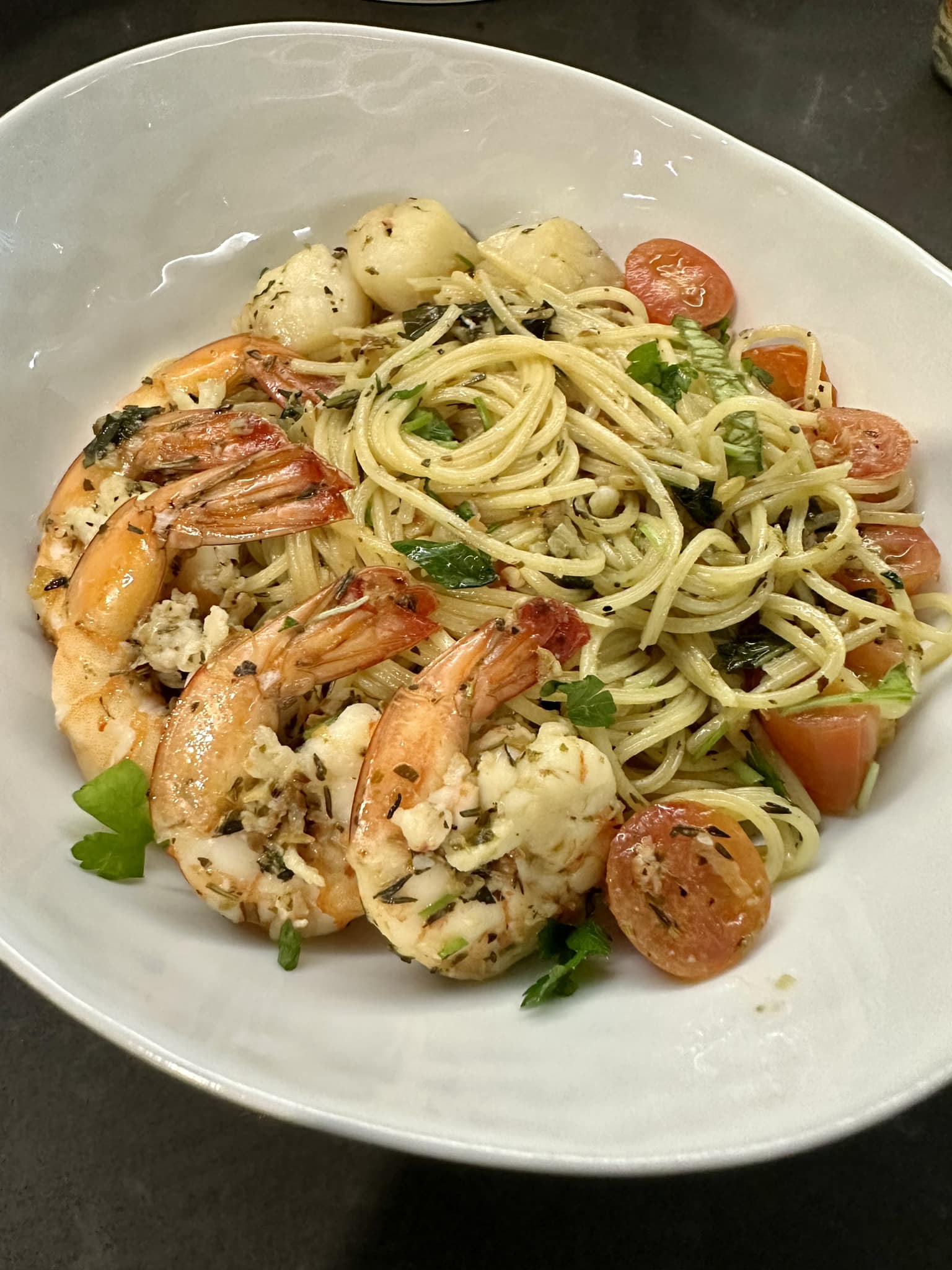
Why People Will Love Prawn Pasta Recipe
It is fresh, light, and satisfying. The dish has bright lemon, fresh parsley, tender prawns, and pasta without feeling too heavy.
The prawns cook quickly. This recipe comes together fast, making it perfect for busy nights when you still want something delicious.
It has simple ingredients with strong flavor. Garlic, olive oil, lemon, parsley, salt, and pepper create a clean but deeply tasty sauce.
The pasta water creates a silky finish. Reserved starchy pasta water helps coat the pasta and brings the garlic, lemon, olive oil, and prawn juices together.
It feels elegant without being complicated. The dish looks and tastes restaurant-style, but the steps are easy and practical.
The lemon keeps the flavor bright. Lemon juice cuts through the richness of the olive oil and makes the prawns taste sweeter and fresher.
It is easy to customize. You can add chili flakes, cherry tomatoes, spinach, zucchini, butter, Parmesan, or extra herbs.
It is perfect for seafood lovers. The prawns are the star of the dish, with just enough seasoning to support their natural flavor.
Key Ingredients
Raw Prawns:
Prawns are the main protein and bring a naturally sweet, delicate seafood flavor. Using raw prawns is best because they cook quickly and stay juicy when sautéed properly.
Spaghetti or Pasta of Choice:
Spaghetti works beautifully because it catches the light garlic-lemon sauce. Other pasta shapes such as linguine, fettuccine, angel hair, or penne can also work well.
Garlic:
Garlic gives the prawns a savory, aromatic base. It should be minced finely so it spreads evenly through the marinade and flavors the oil.
Olive Oil:
Olive oil helps marinate the prawns, carries the garlic flavor, and creates the light sauce that coats the pasta.
Fresh Parsley:
Parsley adds freshness, color, and a clean herbal finish. It balances the richness of the olive oil and seafood.
Lemon Juice:
Lemon juice adds brightness and acidity. It lifts the flavor of the prawns and keeps the dish tasting fresh.
Reserved Pasta Water:
Starchy pasta water is important because it helps the sauce cling to the noodles. It turns the olive oil, lemon, and prawn juices into a light coating.
Salt and Black Pepper:
Salt seasons the pasta and prawns, while black pepper gives the dish warmth and a gentle bite. A generous amount of pepper works especially well here.
Expert Tips
Use raw prawns instead of pre-cooked prawns. Raw prawns absorb the garlic marinade better and stay more tender when cooked quickly.
Do not overcook the prawns. Prawns only need a short time in the pan. Overcooking can make them rubbery.
Salt the pasta water well. Properly seasoned pasta water gives the pasta flavor from the inside.
Reserve pasta water before draining. The starchy water helps loosen the pasta and create a light sauce.
Cook the prawns over medium-high heat. This helps them cook quickly and develop better flavor without releasing too much liquid.
Add lemon juice near the end. Lemon tastes brighter when it is not cooked too long.
Toss the pasta thoroughly. Stirring the pasta with the prawns and pasta water helps the sauce coat every strand.
Add parsley after turning off the heat. This keeps the parsley fresh, green, and fragrant.
Serve immediately. Prawn pasta tastes best right after cooking, while the prawns are tender and the sauce is glossy.
Prawn Pasta
Ingredients
300 g raw prawns peeled, deveined (Note 1)
250 g dried spaghetti or your favourite pasta
2 tablespoon olive oil
½ cup fresh parsley roughly chopped
juice of ½ lemon about 1 tablespoon
salt & pepper
Prawn marinade
2 cloves garlic minced
1 tablespoon olive oil
salt & pepper
Instructions:
Cook pasta according to packet instructions. Ensure to season the water with salt. About 1 tbsp.
Whilst pasta is cooking, mix prawn marinade with prawns and set aside.
Once pasta is cooked to al dente, drain and reserve ½ cup of pasta cooking water.
Saute marinated prawns with 2 tablespoon of olive oil on a large, non-stick pan on medium/high heat. Cook for 1 minute.
Squeeze in lemon juice, stir for 10 seconds then mix in cooked pasta and reserved pasta cooking water. Stir thoroughly for 1 minute. (Note 2)
By now, the pasta cooking water should have been mostly absorbed.
Turn heat off, mix in parsley and season with salt and pepper to taste. I like to go heavy on the pepper.
Serve immediately, with a wedge of lemon.
Important Notes When Making Prawn Pasta
Prawns cook very fast. Watch them closely. They are usually done when they turn pink and opaque.
Do not let the garlic burn. Burnt garlic can make the dish taste bitter.
The pasta should be al dente. Slightly firm pasta holds its shape better when tossed with the sauce.
The sauce is light, not creamy. This recipe uses olive oil, lemon, prawn juices, and pasta water to create a simple coating.
Fresh lemon is best. Bottled lemon juice can taste flat compared with fresh lemon.
Adjust pepper to taste. A heavier amount of black pepper gives the dish more depth and warmth.
Serve with extra lemon wedges. A final squeeze of lemon makes the dish taste brighter and fresher.
How to Enjoy This Prawn Pasta After Cooking
Serve the Prawn Pasta immediately after cooking while it is hot, glossy, and fragrant. Use a warm pasta bowl or plate so the noodles stay soft and the prawns remain tender.
Twirl the pasta gently with a fork to catch the light garlic-lemon sauce. Each bite should include pasta, a piece of prawn, a little parsley, and a touch of black pepper. The flavor should be clean, fresh, lightly garlicky, and bright from the lemon.
For a simple finish, add a squeeze of fresh lemon over the top just before eating. You can also drizzle a small amount of olive oil over the pasta for extra richness. If you enjoy spice, sprinkle on a few red pepper flakes.
This dish pairs beautifully with garlic bread, crusty bread, roasted asparagus, sautéed spinach, a green salad, or grilled vegetables. A crisp salad with lemon vinaigrette is especially good because it matches the light, fresh flavor of the pasta.
If serving for dinner, pair it with sparkling water with lemon, iced tea, or a dry white wine such as Pinot Grigio or Sauvignon Blanc. Keep the sides simple so the prawns remain the focus.
Leftovers can be stored in an airtight container in the refrigerator. Reheat gently in a pan with a splash of water or olive oil. Avoid high heat because prawns can become tough if reheated too aggressively.
Nutrition Information
Calories: 420–560 kcal | Total Fat: 13–20 g | Saturated Fat: 2–4 g | Monounsaturated Fat: 8–13 g | Polyunsaturated Fat: 1.5–3 g | Cholesterol: 150–220 mg | Sodium: 550–950 mg, depending on added salt and prawns | Total Carbohydrates: 48–65 g | Dietary Fiber: 2–4 g | Sugars: 1–3 g | Protein: 25–38 g
Frequently Asked Questions:
Can I use fresh prawns instead of raw ones?
Yes, you can use fresh prawns instead of raw ones.
Simply adjust the cooking time accordingly, as fresh prawns may cook faster than raw ones.
Is it necessary to reserve pasta cooking water?
Yes, reserving pasta cooking water is important as it helps create a silky sauce when combined with the other ingredients.
It contains starch that helps bind the sauce together.
Can I use other herbs instead of parsley?
Absolutely! While parsley adds a fresh flavor to the dish, you can experiment with other herbs such as basil, cilantro, or chives according to your preference.
Is there a substitute for olive oil in the prawn marinade?
Yes, you can use other types of oil such as vegetable oil or canola oil as a substitute for olive oil in the prawn marinade.
However, keep in mind that the flavor may vary slightly.
Can I make this recipe vegetarian by omitting the prawns?
Yes, you can make a vegetarian version of this pasta by omitting the prawns and focusing on the other ingredients.
You can add extra vegetables like cherry tomatoes, spinach, or mushrooms for added flavor and texture.
What can I substitute for parsley if I don’t have it?
If you don’t have parsley, you can use other fresh herbs like basil, cilantro, or chives for a similar flavor profile.
Can I use a different type of pasta?
Absolutely! Feel free to use your favorite type of pasta such as linguine, fettuccine, or penne instead of spaghetti.
Can I add vegetables to this dish?
Certainly! You can enhance the dish by adding vegetables like cherry tomatoes, spinach, bell peppers, or mushrooms for extra flavor and nutrition.
Can I use pre-cooked prawns instead of raw ones?
Yes, you can use pre-cooked prawns if you prefer.
Just add them towards the end of cooking to avoid overcooking and ensure they are heated through.
How do I know when the prawns are cooked?
Prawns are cooked when they turn pink and opaque.
Be careful not to overcook them, as they can become tough and rubbery.
Can I make this dish spicy?
Absolutely! You can add chili flakes, chopped chili peppers, or a dash of hot sauce to add a spicy kick to the dish.
Is there a substitute for olive oil in the marinade?
Yes, you can use other oils like vegetable oil or avocado oil as a substitute for olive oil in the prawn marinade.
How long can I store leftovers?
Leftover prawn pasta can be stored in an airtight container in the refrigerator for up to 3 days.
Reheat it gently on the stovetop or in the microwave before serving.