Navajo Tacos with New Mexico Green Chile
Navajo Taco with New Mexico Green Chile is a bold, deeply rooted Southwestern dish that brings together rich cultural tradition and unforgettable flavor.
At its heart is the contrast between crispy, golden fry bread and a slow-simmered green chile pork stew that is smoky, spicy, and incredibly tender. The pork shoulder cooks low and slow until it falls apart, absorbing the vibrant heat of roasted green chiles and aromatic spices, creating a sauce that is both comforting and full of character.
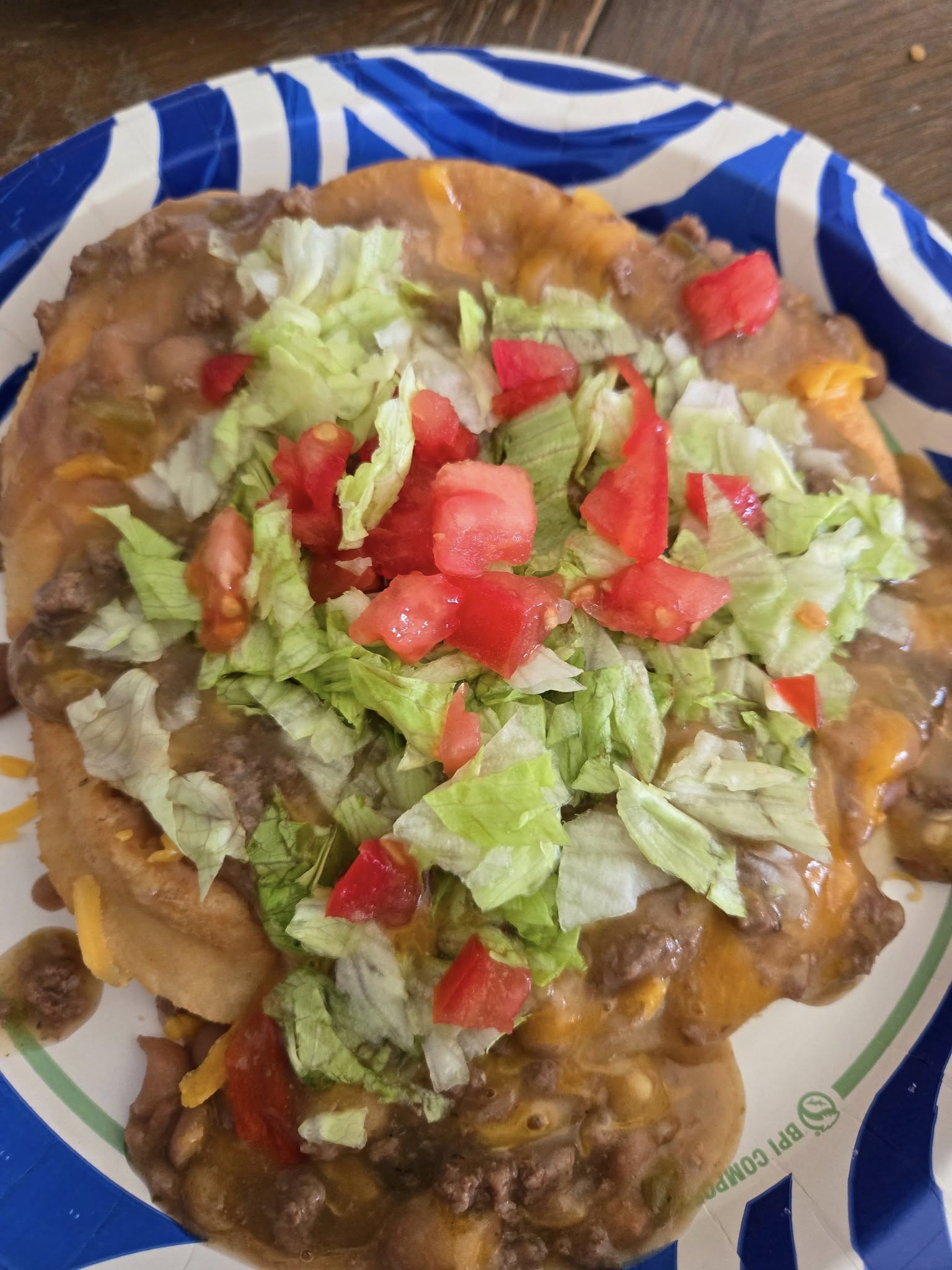
This dish is more than just a meal—it reflects the heritage of Native American and New Mexican cuisine, where simple ingredients are transformed through time, technique, and flavor layering. The fry bread serves as both the base and the vessel, holding the savory green chile pork while adding a satisfying crunch. Topped with fresh ingredients like lettuce, tomatoes, cheese, and sour cream, each bite offers a perfect balance of textures and flavors—crispy, tender, spicy, and creamy. It’s a hearty, soulful dish that feels both rustic and indulgent, ideal for sharing and celebrating bold, traditional cooking.
Why You’ll Love Navajo Taco with New Mexico Green Chile
Deep, slow-cooked flavor that can’t be rushed
The pork shoulder simmers for hours until it becomes incredibly tender, absorbing the smoky, earthy heat of roasted green chiles. This long cooking process creates a rich, layered flavor that feels bold, authentic, and deeply satisfying.
A perfect contrast of textures
One of the most exciting parts of this dish is the texture combination—crispy, golden fry bread paired with juicy, fall-apart pork and thick green chile sauce. Add fresh toppings, and you get crunch, creaminess, and tenderness in every bite.
Authentic Southwestern and Native American roots
This recipe carries cultural depth, blending Navajo fry bread tradition with New Mexican green chile cooking. It’s not just food—it’s a reflection of heritage, history, and regional identity.
Customizable like a taco, but more indulgent
You can build your Navajo taco exactly how you like it. Add lettuce, tomatoes, cheese, sour cream, avocado, or even extra chile. It offers the flexibility of tacos but with a richer, more satisfying base.
Fry bread elevates the entire dish
Unlike tortillas, fry bread is thick, slightly chewy inside, and crisp on the outside. It soaks up the green chile sauce while still holding its structure, making each bite hearty and indulgent.
Bold, balanced heat from green chiles
New Mexico green chiles provide a unique type of heat—more earthy and smoky than sharp or overwhelming. This creates a warmth that enhances the dish without overpowering the other flavors.
A complete, filling meal in one dish
With protein-rich pork, satisfying fry bread, and fresh toppings, this recipe delivers everything you need in one plate. It’s hearty enough to stand alone as a full meal.
Perfect for gatherings and sharing
This dish is ideal for feeding a group. You can prepare the green chile pork in advance and let everyone assemble their own tacos, making it interactive and fun.
A memorable, restaurant-quality experience at home
The combination of slow-braised meat, homemade fry bread, and vibrant toppings creates a dish that feels special and impressive—something you might expect at a great Southwestern restaurant.
Comfort food with bold personality
While it’s deeply comforting and satisfying, this dish also stands out with its strong flavors and textures. It’s the kind of meal that feels both familiar and exciting at the same time.
Key Ingredients:
Pork Shoulder (Bone-In Preferred)
Pork shoulder is the foundation of the green chile component. This cut is rich in connective tissue and fat, which slowly breaks down during long cooking, resulting in tender, juicy, fall-apart meat. As it braises, it releases deep, savory flavor into the sauce, creating a rich and hearty base.
Roasted Green Chiles
Roasted green chiles are the signature ingredient that defines the dish. They bring a smoky, earthy heat that is distinct from typical chili peppers. Their flavor is bold yet balanced, adding warmth and depth without overwhelming the dish.
Onion and Garlic
These aromatics form the backbone of the flavor. The onion adds natural sweetness and body, while garlic contributes a savory depth that enhances both the pork and the chile sauce.
Red Chile Powder and Rotel Tomatoes
Red chile powder adds an additional layer of warmth and complexity, complementing the green chiles. Rotel tomatoes introduce acidity, slight spice, and a hint of freshness that balances the richness of the pork.
Chicken Base and Seasonings
Chicken base intensifies the savory depth of the broth, while ingredients like oregano, bay leaf, garlic salt, and black pepper build layers of herbal and aromatic flavor that develop during the long simmer.
Cornstarch Slurry
The cornstarch mixed with water is used to thicken the sauce at the end of cooking. This creates a rich, slightly velvety consistency that helps the green chile mixture cling to the fry bread.
Flour and Baking Powder (Fry Bread Base)
These ingredients form the structure of the fry bread. Baking powder helps the dough puff slightly when fried, creating a soft interior and crisp exterior that is perfect for holding toppings.
Oil for Frying
Hot oil is essential for achieving the characteristic golden, crispy texture of fry bread. Proper frying creates a light, airy interior with a slightly crisp outer layer.
Optional Fresh Toppings
Ingredients like lettuce, tomatoes, cheese, sour cream, and avocado add freshness, creaminess, and contrast. They balance the richness of the pork and fry bread, making the dish more dynamic and satisfying.
Expert Tips:
Sear the pork deeply for a richer base
Take time to brown the pork shoulder on all sides until a deep golden crust forms. This step builds foundational flavor through caramelization, which will carry through the entire green chile sauce during the long simmer.
Roast and handle green chiles properly
If using fresh green chiles, roast them until the skins blister, then steam them in a covered container before peeling. Avoid rinsing them under water, as this washes away their natural oils and smoky flavor.
Balance heat and flavor carefully
Green chiles vary in heat. Taste them before adding and adjust accordingly. You can control the spice level by removing more seeds for a milder flavor or leaving some in for extra heat.
Simmer low and slow for tender meat
Keep the heat at a gentle simmer rather than a boil. This allows the pork to break down slowly and become fork-tender without drying out, while also giving the sauce time to develop deep, layered flavors.
Let the sauce reduce naturally before thickening
Before adding the cornstarch slurry, allow the sauce to simmer uncovered for a while so it naturally concentrates. This enhances flavor and prevents the sauce from tasting diluted.
Use the cornstarch slurry gradually
Add the slurry a little at a time, stirring constantly. This gives you better control over the thickness and prevents the sauce from becoming too thick or gummy.
Do not overwork the fry bread dough
Knead the dough just until it becomes smooth. Over-kneading can make the fry bread tough instead of light and tender inside.
Rest the dough for better texture
Allowing the dough to rest for at least 30 minutes relaxes the gluten, making it easier to shape and resulting in a softer, more tender fry bread.
Maintain proper oil temperature when frying
Keep the oil around 375°F (190°C). If the oil is too hot, the outside will burn before the inside cooks. If too cool, the bread will absorb excess oil and become greasy.
Assemble just before serving for best texture
Fry bread is best when fresh and crisp. Assemble the tacos right before serving so the bread doesn’t become soggy from the sauce.
Layer flavors when assembling
Start with the green chile pork, then add toppings in layers—fresh vegetables, cheese, and creamy elements. This creates a balanced bite with contrast in every layer.
Taste and adjust seasoning at the end
After the long cooking process, always taste the green chile and adjust salt, pepper, or even a touch of acidity if needed. This final adjustment brings the entire dish into balance.
Navajo Taco with New Mexico Green Chile
Ingredients
For the Green Chile:
1 3-4 lb pork shoulder (preferably bone-in)
3 tbsp vegetable oil
4 roasted green chiles
½ medium onion, chopped and pureed
2 cloves garlic
1 bay leaf
4 sprigs fresh oregano
1 tbsp medium heat red chile powder
1 can Rotel tomatoes
1-2 tbsp chicken base
1 tsp garlic salt
4-7 cups water
¼ cup cornstarch
3-4 tsp cold water
Salt and pepper to taste
For the Navajo Fry Bread (Navajo Taco):
3 cups flour
½ cup dry powdered milk (substitute regular milk if powdered is unavailable)
1 tbsp baking powder
½ cup warm water or milk
Enough oil for frying (about 1-2 quarts)
Instructions
For the Green Chile:
Heat vegetable oil in a large stockpot over medium heat.
Season the pork shoulder roast with salt and pepper on all sides.
While the roast is browning, prepare the green chiles. Wear gloves to avoid irritation. Cut off the stem and gently squeeze out the seeds. Avoid washing the chiles with water to preserve the flavor.
Peel off the skin as you go, leaving a few seeds and skin for added flavor.
Chop the roasted chiles and set them aside.
Remove the roast from the pot and place it on a rimmed dish to catch juices.
Add onions to the pot and sauté for a few seconds until translucent.
Add garlic, stirring briefly, being careful not to burn it.
Deglaze the pot with 1 cup of water, then add chicken base, bay leaf, oregano, garlic salt, red chile powder, chopped green chile, and Rotel.
Return the roast to the pot, add enough water to nearly cover the roast, and bring to a boil. Stir occasionally, then reduce heat and cover. Simmer for about 3 hours.
Taste the broth and adjust seasoning with salt and pepper. Once the roast is tender and the meat falls off the bone, remove the roast from the pot and shred it using two large forks.
Return the shredded meat to the pot and cook over low heat for an additional hour.
Mix cornstarch with cold water to make a slurry and add it to the pot, stirring until the sauce thickens to your liking.
For the Fry Bread:
In a large bowl, combine the flour, powdered milk, baking powder, and mix with a fork until the dough starts to come together. Add more flour if the dough is sticky.
Knead the dough until soft and smooth, being careful not to overwork it, or the bread may turn tough.
Cover the bowl with a clean, damp cloth and allow the dough to rest for 30 minutes to 2 hours.
Heat oil in a deep fryer or cast iron pan to 375°F.
Take golf ball-sized portions of dough, flatten each piece with your hands to about ¼-inch thick. For a puffier taco, you can roll the dough out thinly on a floured surface.
Fry the dough in hot oil for about 1 minute per side or until golden brown. Drain on paper towels.
To Assemble the Navajo Taco:
Place the fry bread on a plate.
Top with a generous amount of green chile and pork mixture.
Add your favorite taco toppings such as lettuce, tomatoes, cheese, sour cream, or avocado.
Enjoy your homemade Navajo Taco with New Mexico Green Chile!
Important Notes When Making Navajo Taco with New Mexico Green Chile
This is a time-intensive recipe with layered cooking stages
The green chile pork requires several hours of slow cooking to achieve the proper tenderness and depth of flavor. Plan ahead, as rushing the process will result in less tender meat and a less developed sauce.
Green chiles are the defining flavor—choose wisely
The quality and type of green chiles will greatly impact the final dish. Authentic New Mexico green chiles offer a unique smoky, earthy heat that cannot be easily replicated with other peppers.
Do not rinse roasted chiles
After roasting and peeling, avoid washing the chiles under water. Rinsing removes the natural oils and smoky flavor that are essential to the character of the dish.
Fry bread is best made fresh
Fry bread should be prepared just before serving. If made too early, it can lose its crisp exterior and become soft or greasy. Freshly fried bread provides the ideal texture contrast to the saucy pork.
Oil temperature is critical for fry bread
Maintaining the correct frying temperature ensures proper texture. Oil that is too hot will burn the outside while leaving the inside undercooked, while oil that is too cool will result in greasy, heavy bread.
The sauce should be thick but not heavy
The green chile sauce should have enough body to coat the meat and stay on the fry bread, but it should not be overly thick or pasty. Adjust the cornstarch carefully to achieve a balanced consistency.
Taste and adjust seasoning throughout cooking
Because the dish cooks for a long time, flavors can change as liquid reduces. Taste the broth periodically and adjust salt, pepper, and spice levels as needed.
This dish is meant to be assembled just before eating
To preserve texture, assemble the Navajo tacos right before serving. Adding the green chile too early can make the fry bread soggy.
Customize toppings for balance
The richness of the pork and fry bread benefits from fresh, cooling toppings like lettuce, tomatoes, sour cream, or avocado. These elements add contrast and balance to the dish.
A rustic dish with natural variation
This recipe is traditionally rustic, meaning small variations in texture, spice level, and presentation are expected. Embrace the imperfections—they are part of what makes the dish authentic and enjoyable.
How to Enjoy Navajo Taco with New Mexico Green Chile After Cooking
Let the green chile pork rest briefly
After cooking, allow the green chile pork to sit for about 10–15 minutes. This helps the meat reabsorb juices and allows the sauce to settle and slightly thicken, making it easier to serve and more flavorful.
Fry the bread fresh for the best experience
Fry bread should be made just before serving. Freshly fried bread has a crispy exterior and soft interior, which is essential for the full texture contrast of the dish.
Assemble right before eating
Place the fry bread on a plate and immediately top it with a generous portion of the hot green chile pork. Assembling at the last moment prevents the bread from becoming soggy and keeps the textures balanced.
Layer toppings for flavor balance
Add toppings thoughtfully to create contrast:
- Lettuce and tomatoes for freshness and crunch
- Cheese for richness and melt
- Sour cream or crema for a cooling effect
- Avocado for creamy texture
These elements balance the heat and richness of the pork.
Enjoy the contrast of textures in each bite
When eating, aim to get a bit of everything—crispy fry bread, tender pork, thick sauce, and fresh toppings. This combination is what makes the dish truly satisfying and dynamic.
Serve with simple sides if desired
While the dish is filling on its own, it pairs well with:
- Rice or beans for a more complete Southwestern meal
- A light salad to balance the richness
- Fresh lime wedges for a touch of brightness
Customize heat and flavor at the table
Offer extra toppings like hot sauce, additional green chile, or lime juice so each person can adjust the spice level and flavor to their liking.
Eat immediately for best quality
Navajo tacos are best enjoyed right away. As they sit, the fry bread will soften and lose its crisp texture, which is a key part of the experience.
Store components separately for leftovers
If you have leftovers, store the green chile pork and fry bread separately. Reheat the pork gently on the stovetop and make fresh fry bread if possible for the best results.
Turn leftovers into new meals
Leftover green chile pork can be used in:
- Burritos or tacos with tortillas
- Breakfast dishes with eggs
- Rice bowls or nachos
This makes the recipe versatile beyond the initial meal.
Nutrition Information:
Yields: 6–8 servings
Serving size: 1 Taco
Calories: 650–750 kcal | Total Fat: 38–45 g | Saturated Fat: 10–13 g | Monounsaturated Fat: 18–22 g | Polyunsaturated Fat: 6–8 g | Cholesterol: 95–120 mg | Sodium: 900–1200 mg (depending on seasoning and chicken base used) | Total Carbohydrates: 45–55 g | Dietary Fiber: 3–5 g | Sugars: 4–6 g | Protein: 30–36 g
Frequently Asked Questions:
What is a Navajo taco and how is it different from a regular taco?
A Navajo taco uses fry bread instead of a tortilla as the base. The fry bread is thicker, crispy on the outside, and soft inside, making it more substantial and able to hold hearty toppings like green chile pork.
Can I make the green chile pork ahead of time?
Yes, the green chile pork can be made in advance and actually tastes even better the next day as the flavors continue to develop. Simply reheat it gently on the stovetop before serving.
What type of green chiles should I use?
Authentic New Mexico green chiles are the best choice because of their unique smoky and earthy flavor. If unavailable, you can substitute with other roasted green chiles, but the flavor may differ slightly.
Can I bake the fry bread instead of frying it?
Traditional fry bread is deep-fried to achieve its signature texture. Baking is possible, but it will not produce the same crispy exterior and soft interior, so the overall experience will be different.
What toppings work best with Navajo tacos?
Common toppings include lettuce, tomatoes, shredded cheese, sour cream, and avocado. These fresh and creamy additions balance the richness and spice of the green chile pork, creating a well-rounded dish.
Why is it important to brown the pork before simmering?
Browning the pork creates a deep, caramelized crust that adds rich, savory flavor to the entire dish. This step builds the foundation of the sauce, making the final green chile much more complex than if the meat were simply boiled.
How do I know when the pork is fully cooked and ready to shred?
The pork is ready when it becomes fork-tender and easily pulls apart with minimal effort. This usually happens after several hours of slow simmering, when the connective tissue has broken down and the meat is soft and juicy.
What is the best way to handle roasted green chiles?
After roasting, let the chiles steam in a covered container to loosen the skins. Then peel them gently without rinsing under water, as washing can remove their natural oils and reduce their smoky flavor.
How can I keep the fry bread from becoming greasy?
Make sure the oil is heated to about 375°F (190°C) before frying. If the oil is too cool, the dough will absorb excess oil and become greasy. Proper temperature ensures a crisp exterior and light interior.
How do I get the fry bread dough to the right texture?
The dough should be soft and slightly elastic, but not sticky. If it feels too wet, add a little more flour; if too dry, add a small amount of water or milk. Letting the dough rest is also important, as it relaxes the gluten and makes shaping easier.