Italian Ricotta Cookies
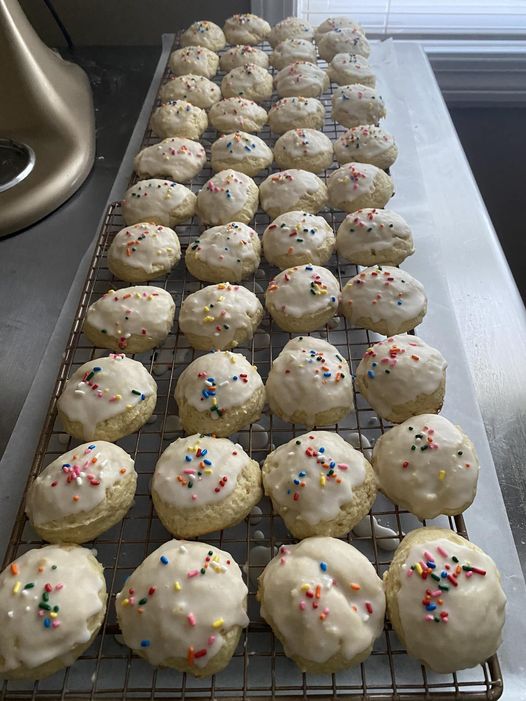
Italian Ricotta Cookies are the kind of timeless treat that wrap you in comfort from the very first bite. Soft, tender, and delicately cake-like, these cookies celebrate the beauty of simple ingredients transformed through tradition.
The ricotta lends an almost cloud-like texture—moist, pillowy, and subtly rich—while hints of vanilla and lemon create a bright, fragrant sweetness that feels both nostalgic and refreshing. Finished with a silky, sweet glaze that gently cracks as it sets, these cookies embody the essence of Italian home baking: humble, inviting, and made to be shared across generations.
Whether served during holidays or enjoyed with an afternoon coffee, they leave behind a warmth that lingers long after the last crumb.
Why People Will Love Italian Ricotta Cookies Recipe
They offer a melt-in-your-mouth softness that feels almost like a tiny, delicate cake—light, pillowy, and irresistibly tender thanks to the ricotta.
The flavor is comforting yet refined, blending vanilla, lemon zest, and sweet glaze into a cookie that feels both nostalgic and elegant.
Ricotta adds a unique richness without making the cookies heavy, creating a luxurious texture that stands apart from traditional sugar cookies.
They are perfect for celebrations and holidays, bringing a classic Italian charm to dessert tables, cookie exchanges, and family gatherings.
The glaze adds a glossy, sweet finish, creating a gentle contrast with the soft cookie beneath and offering customizable flavors and decorations.
They stay tender for days, making them ideal for gifting, prepping ahead, or enjoying slowly throughout the week.
The recipe is simple yet feels special, delivering bakery-quality cookies with familiar, accessible ingredients and minimal complexity.
Key Ingredients:
Ricotta Cheese: The soul of these cookies—its creamy, delicate richness transforms the dough into something tender, moist, and almost cloud-like. Ricotta creates the signature soft crumb that sets these cookies apart from all others.
Unsalted Butter: With its smooth, mellow flavor, butter adds warmth and depth to the dough, helping create a luxurious texture while allowing the lemon and vanilla to shine.
Granulated Sugar: Not just a sweetener, sugar helps aerate the butter during creaming, contributing to the cookies’ light structure and gentle rise.
Lemon Zest: Bright, fragrant, and uplifting, lemon zest infuses the dough with a whisper of citrus that balances the sweetness and enhances the fresh, delicate aroma.
Vanilla Extract: A classic, comforting note that adds warmth and roundness, grounding the citrus and creating a beautifully layered flavor profile.
All-Purpose Flour & Baking Powder: The foundation of the cookie—flour provides structure while baking powder ensures the cookies rise into soft, pillowy mounds rather than dense rounds.
Powdered Sugar Glaze: Smooth, sweet, and silky, the glaze finishes each cookie with a soft sheen and a faint crackle. It adds sweetness without heaviness, tying together every bite.
Expert Tips:
Cream the butter, sugar, and lemon zest thoroughly.
This step builds the foundation of the cookie’s texture. Proper creaming traps air in the dough, giving the cookies their signature soft, cake-like lift and ensuring the lemon zest infuses fully into the fat for maximum aroma.
Use whole-milk ricotta for the richest texture.
Low-fat ricotta contains more moisture and less cream, which can make the dough too wet and lead to spreading. Whole-milk ricotta delivers the velvety, tender crumb these cookies are known for.
Drain ricotta if it’s too wet.
Some brands contain excess liquid. If the ricotta sits in the container with visible water, strain it through cheesecloth for 10–15 minutes. This prevents the dough from becoming sticky or loose.
Chill the dough to develop structure and prevent spreading.
Ricotta cookies are naturally soft; chilling solidifies the butter and thickens the dough, helping the cookies hold their shape in the oven and bake into perfect domes.
Avoid overmixing once the flour is added.
Overworking the dough after adding flour activates gluten, which can turn these delicate cookies tough. Mix on low just until the flour disappears.
Bake on parchment-lined light baking sheets.
Dark pans brown the bottoms too quickly. Parchment ensures even cooking and prevents sticking, preserving the delicate texture.
Glaze while the cookies are fully cooled.
Warm cookies will cause the glaze to melt and run off. Cooling allows the icing to cling beautifully and set into that classic soft sheen.
Adjust glaze thickness intentionally.
A thicker glaze creates a more luxurious coating that cracks softly when you bite. A thinner glaze gives a lighter, more delicate finish. Add milk in tiny amounts—a little goes a long way.
Italian Ricotta Cookies
Ingredients
3 1/2 cups (495g) all-purpose flour*
2 1/2 tsp baking powder**
3/4 tsp salt
1 cup (226g) unsalted butter, at room temperature
1 3/4 cups (350g) granulated sugar
1 tsp lemon zest
15 oz ricotta, whole milk or fresh (1 3/4 cups)
1 Tbsp vanilla extract
2 large eggs
Icing
1 Tbsp butter (salted or unsalted), melted
3 1/2 cups (420g) powdered sugar
2 Tbsp fresh lemon juice
1 tsp vanilla extract
4 – 6 Tbsp milk
Instructions
For the cookies:
In a mixing bowl whisk together flour, baking powder and salt for 20 seconds, set aside.
In the bowl of an electric stand mixer fitted with the paddle attachment whip together butter, granulated sugar and lemon zest until pale and fluffy (scrape down sides and bottom of bowl occasionally throughout entire mixing process).
Mix in ricotta and vanilla extract then blend in eggs one at a time. Set mixer on low speed and slowly add in flour mixture and mix just until combined. Cover bowl with plastic wrap and chill 2 hours or up to 2 days. Preheat oven to 350 degrees during last 20 minutes of dough chilling.
Scoop chilled dough out 1 Tbsp at a time and shape into balls (if it’s too sticky just drop onto sheet using two spoons), drop onto a baking sheet lined with parchment paper (don’t use dark baking sheets).
Bake in preheated oven until set, 12 – 14 minutes (bottoms will be lightly golden brown). Cool on baking sheet several minutes then transfer to a wire rack to cool completely.
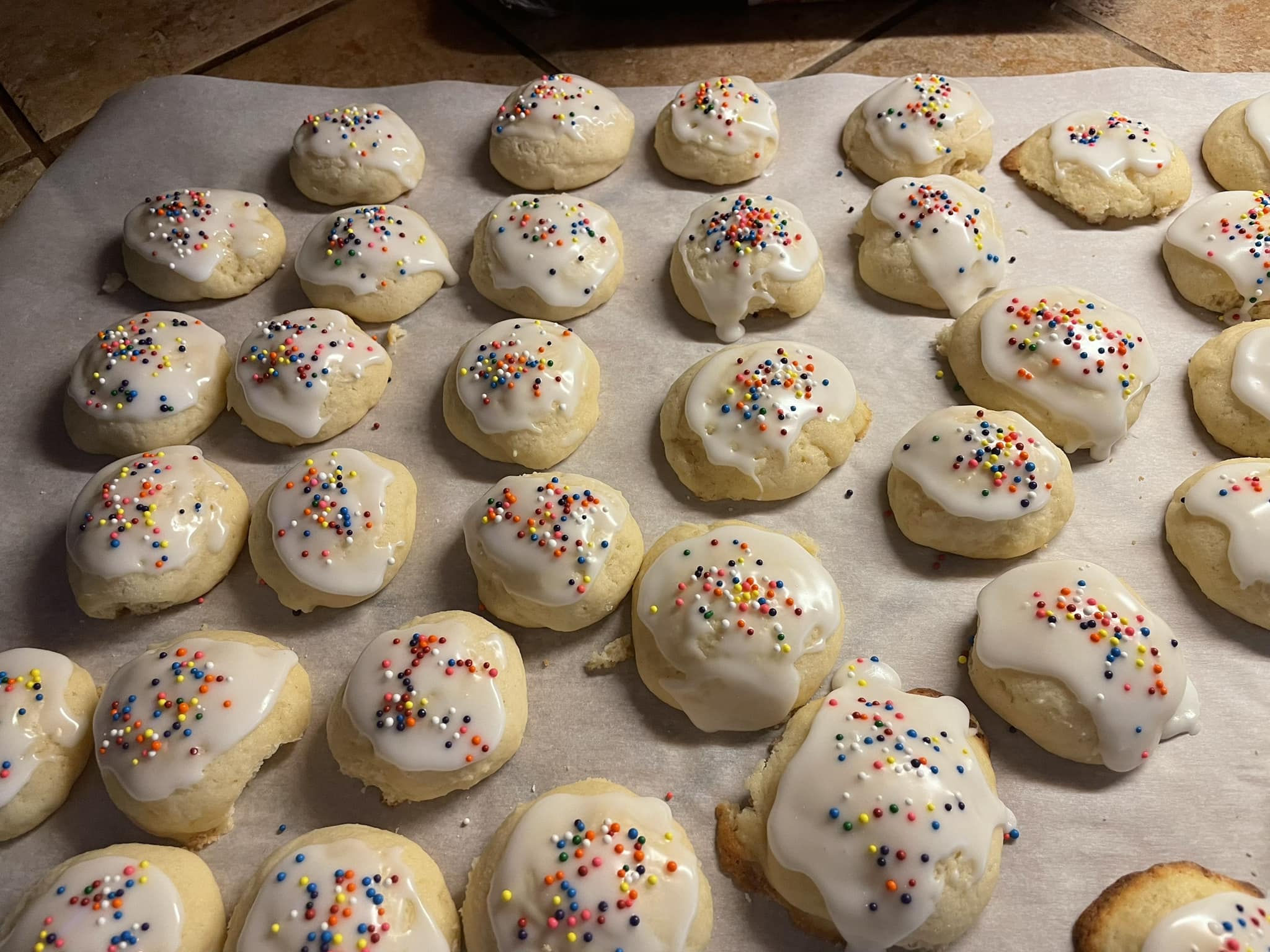
Once cool spoon icing over cookies and return to wire rack, immediately add sprinkles if using.
Allow icing to set at room temperature. Store in an airtight container preferably in a single layer and preferably store in the fridge (bring to room temperature before serving).
For the glaze:
In a mixing bowl whisk together powdered sugar, melted butter, lemon juice or almond extract, vanilla and 4 Tbsp milk until smooth.
Add in more milk 1 tsp at a time to thin as needed (you don’t want it to be very thin, it should be quite a bit thicker than a doughnut glaze).
Important Notes When Making Italian Ricotta Cookies
The texture of your ricotta matters more than you think.
Ricotta with excess moisture will make the dough sticky and cause the cookies to spread. If your ricotta looks wet or watery, strain it briefly—this simple step preserves the cookies’ signature domed shape and pillowy crumb.
Chilling the dough is not optional.
Because the dough is soft and enriched with ricotta and butter, chilling allows it to firm up, deepen in flavor, and bake evenly. Skipping this step can lead to flat, overly soft cookies instead of the tender mounds you’re hoping for.
Do not overbake—pale is perfect.
These cookies should remain light in color. Browning them too much dries out their interior and diminishes that delicate, cake-like softness that makes ricotta cookies so beloved.
Use a light-colored baking sheet for even results.
Dark pans conduct heat more aggressively, causing bottoms to overbrown while the centers remain underbaked. Light pans with parchment give consistent, gentle heat.
Measure flour carefully to avoid heaviness.
Too much flour creates dense cookies. Fluff your flour, then spoon and level it for accuracy. Ricotta dough is naturally soft—embrace it rather than trying to over-thicken.
Let the cookies cool completely before glazing.
Applying glaze to warm cookies causes it to melt and absorb, losing the glossy finish. Fully cooled cookies allow the icing to cling beautifully and set with that classic soft crackle.
Adjust glaze thickness for your preferred finish.
A thicker glaze sets into a luxurious, opaque layer; a thinner glaze creates a delicate sheen. Add milk drop by drop—glaze thins very quickly.
Store in a single layer for preservation.
Ricotta cookies are tender and the glaze is delicate; stacking them can cause smudging or sticking. A single layer keeps them pristine and bakery-beautiful.
How to Enjoy Italian Ricotta Cookies After Cooking
Allow the cookies to cool fully before glazing.
This ensures the icing settles into a smooth, velvety layer that gently clings to the surface without melting or sliding off—creating the classic soft sheen that ricotta cookies are known for.
Give the glaze time to set at room temperature.
As it rests, the glaze develops a light, delicate shell that contrasts beautifully with the tender, cake-like interior. This subtle crackle makes each bite more delightful.
Serve them at room temperature to appreciate the full texture.
The cookies become incredibly soft once settled—moist, pillowy, and aromatic. Cold cookies will firm up, while warm cookies may crumble or feel too fragile.
Pair with simple, comforting beverages.
Enjoy them alongside a cup of coffee, espresso, cappuccino, hot tea, or even a cold glass of milk for a nostalgic, bakery-style pairing. The cookies’ gentle sweetness shines with any mild, warming drink.
Savor slowly to appreciate the layers of flavor.
Notice the delicate aroma from the lemon zest, the warmth of the vanilla, and the slight tang the ricotta contributes. The experience is subtle but incredibly soothing.
Perfect for gatherings and gifting.
These cookies stay soft for days, making them ideal for holiday platters, family celebrations, or boxed cookie gifts. Their gentle beauty and universal appeal make them crowd favorites.
Store carefully to preserve texture.
Place them in a single layer in an airtight container. Storing them chilled keeps them fresh longer; just bring them to room temperature before serving to restore their tenderness.
Enjoy them the next day for even better flavor.
Like many ricotta-based desserts, the cookies become even more tender and flavorful after resting overnight as the flavors meld and the texture settles into its perfect softness.
Nutrition Information:
For Italian Ricotta Cookies, based on one cookie (assuming ~36 cookies per batch)
Calories: 130 kcal | Total Fat: 5.4 g | Saturated Fat: 3.2 g | Monounsaturated Fat: 1.5 g | Polyunsaturated Fat: 0.3 g | Cholesterol: 22 mg | Sodium: 55–85 mg (depending on icing and butter brand) | Total Carbohydrates: 19.6 g | Dietary Fiber: 0.3 g | Sugars: 12.8 g | Protein: 1.8 g
Frequently Asked Questions:
Can I use part-skim ricotta instead of whole milk ricotta?
Yes, you can use part-skim ricotta if you prefer.
However, whole milk ricotta will typically give the cookies a richer texture.
Can I substitute lemon zest with orange zest?
Yes, you can substitute lemon zest with orange zest for a different citrus flavor in the cookies.
How long can I chill the cookie dough?
You can chill the cookie dough for at least 2 hours, up to 2 days, which helps enhance the flavor and texture of the cookies.
Can I freeze the cookie dough?
Yes, you can freeze the cookie dough after chilling it.
Wrap it tightly in plastic wrap and then in foil or a freezer bag.
Thaw overnight in the refrigerator before baking.
Should I use parchment paper on the baking sheet?
Yes, using parchment paper helps prevent the cookies from sticking to the baking sheet and makes cleanup easier.
Can I skip the icing and just sprinkle powdered sugar on the cookies?
Yes, you can omit the icing and dust the cooled cookies with powdered sugar instead for a simpler finish.
How should I store the cookies once they are iced?
Store the cookies in an airtight container, preferably in a single layer to prevent sticking, and keep them at room temperature or in the refrigerator.
Can I use almond extract instead of vanilla in the glaze?
Yes, you can substitute almond extract for vanilla extract in the glaze for a different flavor profile.
What if my dough is too sticky to shape into balls?
If the dough is too sticky to handle, lightly flour your hands or use a cookie scoop to drop spoonfuls onto the baking sheet.
How long does the icing take to set?
The icing will set at room temperature in about 1-2 hours.
If you need to speed up the process, you can place the cookies in the refrigerator for 15-30 minutes.