Mafalda Soup (Lasagne Soup)
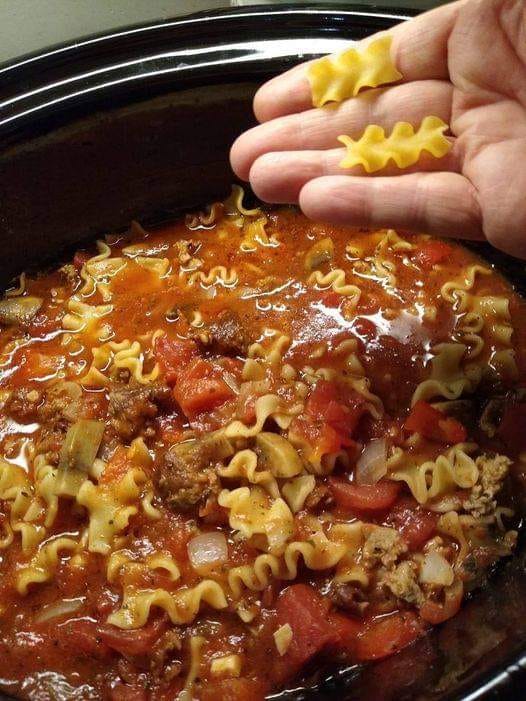
Mafalda Soup, often known as lasagne soup, is the ultimate transformation of a beloved classic into a rich, comforting bowl of warmth. It captures everything people love about traditional lasagna—the savory meat, the layered tomato base, and the creamy, melted cheese—but reimagines it in a cozy, spoonable form that feels both familiar and exciting.
What makes this dish truly special is its depth and indulgence. As it simmers, the flavors of seasoned beef, herbs, and tomatoes blend into a robust, aromatic broth, while the broken lasagna noodles soften and absorb every bit of that richness. The finishing touch of cream and melted cheeses creates a velvety texture that mirrors the layered decadence of baked lasagna.
This is more than just a soup—it’s comfort food at its most satisfying, offering the same hearty, nostalgic experience of lasagna in a simpler, more relaxed, and deeply comforting way.
Why People Will Love This Mafalda Soup
All the flavors of lasagna—without the effort
It delivers the rich, layered taste of traditional lasagna in a much simpler, one-pot format, saving time while keeping all the comfort.
Deep, hearty, and incredibly satisfying
With seasoned ground beef, tender pasta, and a robust tomato base, every spoonful feels filling and comforting.
Creamy, cheesy indulgence in every bite
The addition of heavy cream, Parmesan, and mozzarella creates a luscious, velvety texture that mimics melted layers of cheese in classic lasagna.
Perfect balance of richness and acidity
The tomato base provides brightness that cuts through the richness of the meat and cheese, creating a well-rounded, flavorful dish.
Comfort food at its finest
Warm, cozy, and deeply nostalgic, this soup offers the same emotional satisfaction as a baked lasagna but in a more relaxed form.
One-pot convenience
Everything cooks in a single pot, making cleanup easy and the cooking process straightforward and efficient.
Great for families and crowds
It’s a universally loved flavor profile that appeals to both kids and adults, making it ideal for shared meals.
Perfect for leftovers and meal prep
The flavors deepen over time, often making it even more delicious the next day.
Customizable to taste
You can adjust the spice level, swap meats, or add vegetables to suit your preferences without losing the essence of the dish.
A fun twist on a classic favorite
It feels familiar yet new, offering a creative way to enjoy lasagna in a comforting, spoonable format.
Key Ingredients:
Ground Beef
The foundation of the soup’s richness. As it browns, it develops deep, savory flavors that form the backbone of the dish, giving it that classic “lasagna” taste.
Lasagna Noodles (Broken Pieces)
These create the signature texture, mimicking the layered pasta of traditional lasagna. As they cook, they absorb the flavorful broth, becoming tender and satisfying.
Diced Tomatoes & Tomato Sauce
Together, they build a robust, slightly tangy base. The diced tomatoes add texture, while the sauce provides smoothness and depth, creating a balanced tomato profile.
Beef Broth
Acts as the liquid base, carrying and blending all flavors. It adds depth and transforms the dish from a thick pasta into a rich, hearty soup.
Onion & Garlic
Essential aromatics that create the flavor foundation. They add sweetness, warmth, and complexity as they cook into the beef.
Dried Basil & Oregano
These herbs bring classic Italian-inspired notes, enhancing the tomato base and giving the soup its familiar lasagna-like aroma.
Red Pepper Flakes
A subtle touch of heat that adds depth and liveliness without overpowering the dish.
Heavy Cream
Introduced at the end, it softens the acidity of the tomatoes and creates a creamy, velvety texture that elevates the soup.
Parmesan Cheese
Adds a salty, nutty richness and deep umami flavor, enhancing the overall complexity.
Mozzarella Cheese
Melts into the soup, creating a gooey, comforting texture that mirrors the cheesy layers of baked lasagna.
Expert Tips:
Brown the beef properly for maximum flavor
Let the ground beef develop a deep brown color instead of just cooking it until no longer pink. This caramelization builds a richer, more complex base.
Drain excess fat, but keep some for flavor
Removing too much fat can make the soup less rich, while leaving too much can make it greasy. Aim for a balanced, lightly coated texture.
Sauté aromatics until fragrant, not rushed
Give the onion and garlic enough time to soften and release their natural sweetness—this step adds depth and prevents a sharp, raw taste.
Simmer before adding pasta for better flavor development
Let the broth, tomatoes, and spices cook together first. This allows the base to fully develop before the noodles absorb the flavor.
Break noodles into uneven pieces for a rustic feel
Instead of perfectly uniform pieces, slightly varied sizes create a more natural, homemade texture and better mouthfeel.
Cook pasta just until tender
Avoid overcooking the noodles, as they will continue to soften in the hot soup. Slightly al dente is ideal.
Add cream at the end to preserve smoothness
Introducing cream too early can dull its richness or cause separation. Stir it in gently at the end for a silky finish.
Melt cheese gradually for a smoother texture
Add Parmesan and mozzarella slowly while stirring to ensure they melt evenly into the soup instead of clumping.
Adjust thickness to your preference
If the soup becomes too thick, add a bit of warm broth. If too thin, let it simmer uncovered for a few extra minutes.
Balance acidity and richness carefully
Tomatoes can be slightly acidic—if needed, a small pinch of sugar or extra cream can help round out the flavor.
Let the soup rest briefly before serving
A short rest allows flavors to meld and the texture to settle, making the soup more cohesive.
Cook pasta separately for leftovers (optional pro tip)
If you plan to store the soup, cook noodles separately and add them when serving to prevent them from becoming overly soft.
Finish with extra cheese or herbs for impact
A final sprinkle of Parmesan or fresh herbs adds both visual appeal and a burst of flavor right before serving.
Mafalda Soup (Lasagne Soup)
Ingredients:
1 lb ground beef
1 onion, diced
3 cloves garlic, minced
2 cups beef broth
1 can (14.5 oz) diced tomatoes
1 can (15 oz) tomato sauce
1 tsp dried basil
1 tsp dried oregano
1/2 tsp red pepper flakes
1/2 tsp salt
1/4 tsp black pepper
8 oz lasagna noodles, broken into pieces
1 cup heavy cream
1 cup grated Parmesan cheese
1 cup shredded mozzarella cheese
Instructions:
In a large pot or Dutch oven, cook the ground beef over medium-high heat until it is browned and no longer pink. Drain any excess fat from the pot.
Add the diced onion and minced garlic to the pot, cooking for 2-3 minutes until they are tender and fragrant.
Pour in the beef broth, diced tomatoes, tomato sauce, dried basil, dried oregano, red pepper flakes, salt, and black pepper. Stir everything together until well mixed.
Bring the mixture to a boil, then lower the heat to a simmer and let it cook for 10-15 minutes to allow the flavors to meld.
Add the broken lasagna noodles into the pot and stir to incorporate. Continue to simmer for an additional 10-15 minutes, or until the noodles are fully cooked.
Mix in the heavy cream, grated Parmesan, and shredded mozzarella cheese. Stir until the cheese has melted and the soup is heated through.
Serve the soup hot and enjoy!
Important Notes for Mafalda Soup (Lasagne Soup)
This is a texture-sensitive dish
The balance between broth, pasta, and cheese is crucial. Too much pasta can make it overly thick, while too much liquid can dilute the rich, lasagna-like experience.
Pasta continues to absorb liquid after cooking
Even after turning off the heat, the noodles will keep soaking up the broth, thickening the soup significantly. Be prepared to add more broth when reheating.
The order of adding ingredients matters
Building the flavor base first (meat, aromatics, broth, and tomatoes) ensures depth. Adding pasta or dairy too early can disrupt texture and flavor development.
Cheese can clump if not handled properly
Adding cheese too quickly or at high heat can cause it to clump instead of melting smoothly. Always reduce heat and stir gradually when incorporating.
Cream is for balance, not heaviness
The purpose of cream is to soften the acidity of tomatoes and add silkiness—not to make the soup overly rich. Use it thoughtfully.
Salt levels change as the soup reduces
As the liquid simmers and concentrates, flavors—including salt—become stronger. Final seasoning should always be adjusted at the end.
Broth quality directly impacts the final result
A rich, well-seasoned beef broth enhances the entire dish. A weak broth will result in a less satisfying soup.
This dish thickens quickly over time
What starts as a soup can become almost stew-like if left sitting. Adjust consistency with warm broth as needed.
Best enjoyed fresh, but improves in flavor
The soup tastes excellent right after cooking, but the flavors deepen after a few hours or overnight—though the texture will need adjusting.
Balance between acidity and richness is key
Tomatoes bring brightness, while meat and cheese add richness. The best version of this dish keeps these elements in harmony.
Heat level should remain subtle
Red pepper flakes are meant to enhance, not dominate. Keep the spice balanced so it complements the dish rather than overpowering it.
This is a one-pot dish—but technique still matters
Even though it’s simple, careful control of heat, timing, and ingredient layering is what turns it from basic to exceptional.
How to Enjoy Mafalda Soup (Lasagne Soup) After Cooking
Let it rest briefly before serving
Allow the soup to sit for 5–10 minutes after cooking. This helps the flavors settle and the texture slightly thicken, creating a more cohesive and comforting bowl.
Stir well before serving
Give the soup a gentle stir to evenly distribute the pasta, meat, and melted cheese so each serving has a balanced mix of ingredients.
Serve hot for the best experience
This soup is meant to be enjoyed warm and cozy. The heat enhances the aroma of the herbs and keeps the cheese perfectly melted and creamy.
Finish with fresh toppings
Add a sprinkle of grated Parmesan, a handful of fresh herbs like basil or parsley, and a crack of black pepper to elevate both flavor and presentation.
Adjust richness per bowl
For an extra indulgent touch, add a small drizzle of cream or a bit more cheese. For a lighter feel, add a splash of broth to loosen the texture.
Pair with complementary sides
Serve with crusty bread or garlic bread to soak up the rich broth, and a light salad to balance the dish with freshness.
Enjoy slowly to appreciate layers of flavor
Notice how each bite combines savory beef, tender pasta, creamy cheese, and aromatic herbs—offering a full lasagna experience in soup form.
Control portion size for comfort
This is a rich and filling dish, so moderate portions allow you to enjoy it fully without feeling too heavy.
Reheat gently for leftovers
Warm over low heat, adding a splash of broth or water to adjust consistency, as the pasta will have absorbed liquid.
Refresh flavors when reheating
A little extra Parmesan, fresh herbs, or even a pinch of seasoning can bring the soup back to life.
Turn leftovers into a thicker dish if desired
As it thickens, it can resemble a pasta stew—perfect for a different but equally comforting experience.
Create a cozy dining setting
Serve in deep bowls with warm bread and a relaxed atmosphere—this dish is best enjoyed as a comforting, satisfying meal.
Best enjoyed fresh, but rewarding over time
While the texture is ideal right after cooking, the flavor deepens the next day, making it just as enjoyable with small adjustments.
Nutrition Information:
YIELDS: 6 | SERVING SIZE: 1
Calories: 380 | Total Fat: 24g | Saturated Fat: 12g | Cholesterol: 80mg | Sodium: 800mg | Total Carbohydrates: 25g | Dietary Fiber: 2g | Sugars: 4g | Protein: 20g
Frequently Asked Questions:
Can I make this soup ahead of time?
Yes, you can prepare the soup ahead of time. It stores well in the refrigerator for up to 3 days.
The flavors will deepen as it sits, making it even more delicious!
Can I freeze Mafalda Soup?
Absolutely! This soup freezes well.
Let it cool completely, then transfer it to an airtight container or freezer bag.
It can be frozen for up to 3 months.
When ready to eat, thaw it overnight in the fridge and reheat on the stove.
What if I don’t have beef broth?
If you don’t have beef broth, you can use chicken broth or vegetable broth as substitutes.
Each will give the soup a slightly different flavor but will still work well.
Can I add more vegetables to the soup?
Definitely! You can enhance the nutritional value and flavor by adding vegetables like spinach, bell peppers, or mushrooms.
Just sauté them with the onion and garlic before adding the broth.
How can I adjust the spiciness of the soup?
To control the heat, you can adjust the amount of red pepper flakes.
For a milder soup, reduce the amount or omit them entirely.
For extra spice, consider adding a dash of hot sauce or more red pepper flakes.
How do I know when the noodles are cooked in the soup?
The noodles are cooked when they are tender but still slightly firm to the bite (al dente).
This usually takes about 10-15 minutes of simmering.
Keep an eye on them, as cooking times may vary based on the thickness of the noodles.
Can I use no-boil lasagna noodles?
Yes, you can use no-boil lasagna noodles!
Just break them into pieces and add them directly to the soup.
They will soften as they cook in the broth.
What can I do if the soup becomes too thick?
If the soup thickens too much, simply add more beef broth or water to reach your desired consistency.
Stir well and heat until everything is warmed through.
Is it necessary to add cream to the soup?
While heavy cream adds richness, you can omit it for a lighter version or substitute it with milk, half-and-half, or even a dairy-free alternative.
Just know that the soup will be less creamy.
How should I store any leftovers?
Store leftovers in an airtight container in the refrigerator for up to 3 days.
Reheat gently on the stove or in the microwave, adding a splash of broth or water if needed to loosen the soup.