Figs With Ricotta, Pistachios And Honey
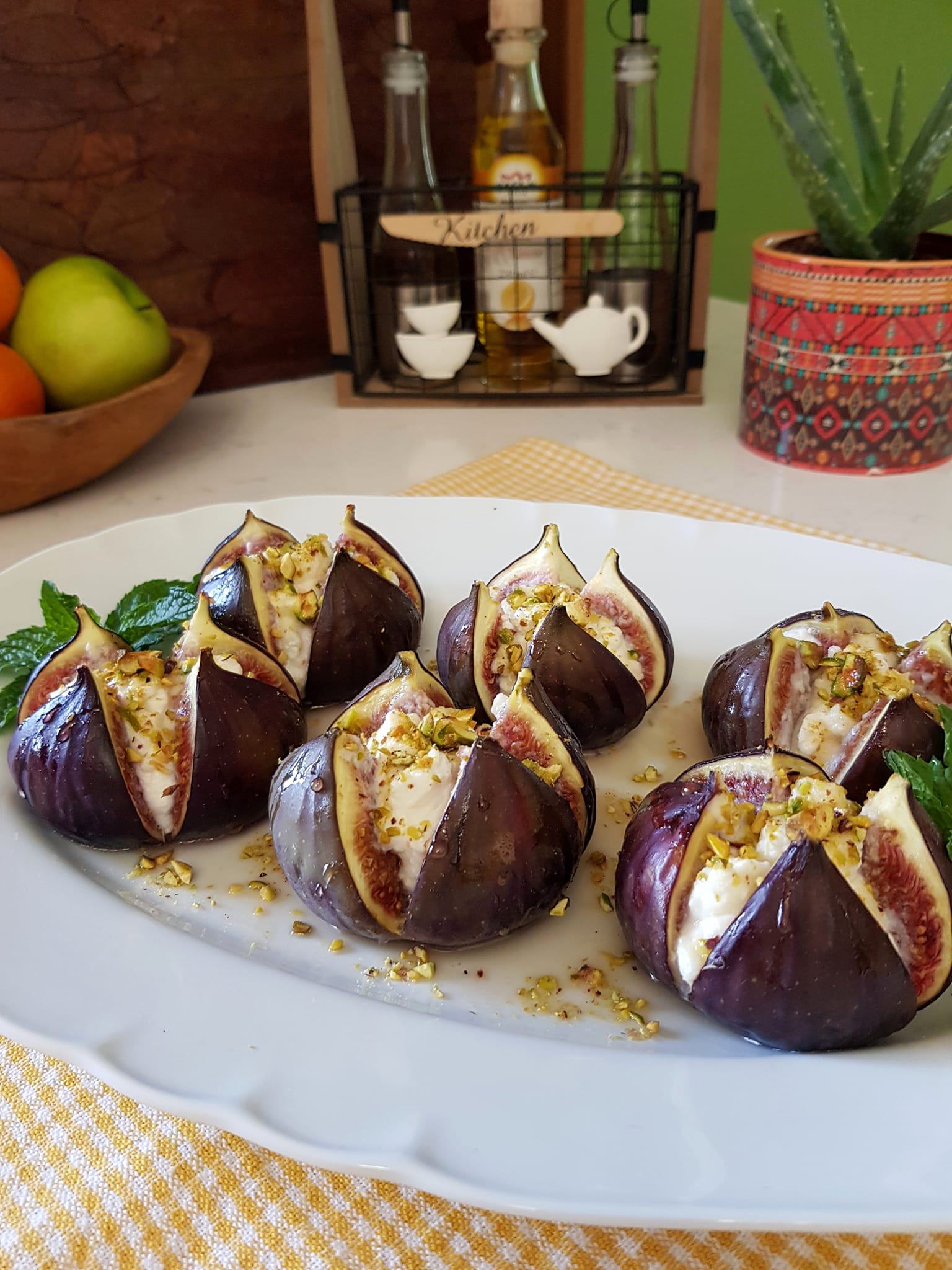
Figs with Ricotta, Pistachios, and Honey is a simple yet elegant dessert that celebrates natural sweetness, creamy texture, and delicate contrast. Fresh figs are opened gently, filled with amaretto-scented ricotta, sprinkled with pistachios, and finished with a golden drizzle of honey.
This recipe feels luxurious without being complicated. The figs become warm and soft under the broiler, the ricotta turns creamy and fragrant, the pistachios add crunch, and the honey ties everything together with floral sweetness.
It is a beautiful dish for summer dinners, holiday platters, brunch, cheese boards, or light desserts. Every bite feels fresh, refined, and balanced—sweet, creamy, nutty, and gently warm.
Why People Will Love Figs With Ricotta, Pistachios And Honey Recipe
It looks elegant with very little effort. Fresh figs naturally look beautiful, and the ricotta, pistachios, and honey make them feel special.
The flavor is naturally sweet and delicate. Figs already have a honey-like sweetness, so the dessert tastes rich without needing too much sugar.
The ricotta adds creamy softness. Ricotta gives the figs a smooth, mild, and slightly milky filling that balances the fruit.
The amaretto adds aroma and depth. A small amount of amaretto gives the ricotta a warm almond-like fragrance that pairs beautifully with figs.
The pistachios add crunch and color. Their nutty flavor and green color make the dessert more interesting and visually appealing.
The honey gives a glossy finish. Honey adds sweetness, shine, and a luxurious final touch.
It is light but satisfying. This dessert feels indulgent without being heavy.
It works for many occasions. Serve it as a dessert, brunch dish, appetizer, or part of a cheese and fruit board.
Key Ingredients
Fresh Figs:
Fresh figs are the heart of the recipe. They are soft, naturally sweet, and slightly jammy when warmed. Their delicate flavor pairs beautifully with creamy cheese, nuts, and honey.
Ricotta Cheese:
Ricotta adds a creamy, mild, and slightly sweet base. It gives the figs richness without overpowering their natural fruit flavor.
Amaretto:
Amaretto adds a gentle almond-like aroma and warmth to the ricotta. It makes the filling taste more refined and dessert-like.
Pistachios:
Pistachios bring crunch, nuttiness, and a beautiful green contrast. They help balance the softness of the figs and ricotta.
Honey:
Honey enhances the natural sweetness of the figs and gives the finished dish a glossy, elegant look. Floral or mild honey works especially well.
Expert Tips
Use ripe but firm figs. They should be soft enough to taste sweet, but firm enough to hold their shape after cutting and broiling.
Do not cut all the way through the figs. Slice them deeply enough to open, but keep the base attached so they hold the ricotta.
Drain the ricotta if it is watery. Thick ricotta gives a better filling and prevents the figs from becoming soggy.
Use amaretto lightly. A small amount adds fragrance, but too much can make the ricotta loose or overpower the figs.
Watch the figs closely under the broiler. They only need a few minutes to warm and soften.
Add honey after broiling. This keeps the honey fresh, glossy, and aromatic.
Chop some pistachios finely and crush some roughly. This gives both texture and a pretty finish.
Serve warm or slightly cooled. The figs taste best when the ricotta is soft and the fruit is gently warmed.
How to make Figs With Ricotta, Pistachios And Honey
Ingredients:
8 Fresh Figs
250g Ricotta
1 Tbls Amaretto
Chopped and crushed Pistachios
Honey
Instructions:
Trim the tops of the figs and cut in half crosswise but not to the bottom.
Mix the ricotta with the amaretto. Put some ricotta on each piece of the figs, sprinkle with pistachios and drizzle with honey.
Preheat oven 200C.
Place the figs on the top shelf of the oven and broil for a few minutes.
Enjoy!
Important Notes When Making Figs With Ricotta, Pistachios And Honey
Fresh figs are delicate. Handle them gently so they do not tear or collapse.
Broiling time should be short. Overcooking can make figs too soft and watery.
Ricotta texture matters. A thick, creamy ricotta will give a more elegant result.
Amaretto is optional. You can leave it out or replace it with a tiny splash of vanilla extract or almond extract.
Honey sweetness can vary. Start with a light drizzle and add more after tasting.
Pistachios should be fresh. Stale nuts can taste flat or bitter.
This dish is best served soon after broiling. The texture is most beautiful when the figs are warm and the topping is fresh.
How to Enjoy Figs With Ricotta, Pistachios And Honey After Cooking
After broiling, let the figs rest for 1 to 2 minutes so they are warm but not too hot. Arrange them on a small serving plate, then drizzle with honey and sprinkle with extra pistachios if desired.
Serve them as a light dessert after dinner, especially after pasta, grilled meats, seafood, or Mediterranean-inspired meals. Their sweetness feels refined and refreshing without being heavy.
For a more elegant presentation, serve the figs with a small spoonful of extra ricotta on the side, a drizzle of honey around the plate, and a few extra crushed pistachios over the top. You can also add a little orange zest, lemon zest, or fresh mint for brightness.
The best bite should include warm fig, creamy ricotta, sweet honey, aromatic amaretto, and crunchy pistachio. The flavors should feel soft, floral, nutty, and lightly luxurious.
These figs also pair beautifully with coffee, espresso, dessert wine, tea, or a cheese board with crackers and fresh fruit. Serve them warm or at room temperature for the best flavor.
Nutrition Information
Calories: 150–240 kcal | Total Fat: 7–14 g | Saturated Fat: 3–6 g | Monounsaturated Fat: 2–5 g | Polyunsaturated Fat: 1–2.5 g | Cholesterol: 15–35 mg | Sodium: 45–130 mg, depending on ricotta and added toppings | Total Carbohydrates: 18–32 g | Dietary Fiber: 3–5 g | Sugars: 14–25 g | Protein: 6–11 g
Frequently Asked Questions:
Can I use dried figs instead of fresh figs for this recipe?
While fresh figs are recommended for their juicy and sweet flavor, you can experiment with dried figs, rehydrating them if needed.
However, the texture and taste may differ.
Is Amaretto necessary for the ricotta mixture, or can I use a substitute?
Amaretto adds a distinct almond flavor, but if unavailable, you can substitute almond extract or skip it altogether.
Adjust quantities based on personal preference.
Can I prepare this dish without using an oven?
Yes, you can enjoy this dish without using an oven.
Simply assemble the figs with ricotta, pistachios, and honey without broiling. It’s equally delicious served fresh.
How should I choose ripe fresh figs for this recipe?
Look for figs that are plump, slightly soft, and have a rich color.
Avoid overly mushy or bruised figs.
Ripe figs enhance the overall taste and texture of the dish.
Can I prepare the ricotta mixture in advance and refrigerate it?
Absolutely! You can prepare the ricotta mixture ahead of time and refrigerate it until ready to use.
This allows for easy and quick assembly when serving.
Can I use frozen figs instead of fresh ones?
Fresh figs are recommended for their natural sweetness and texture.
While frozen figs may alter the texture, you can experiment by thawing and draining them before use.
Is there a substitute for Amaretto in the ricotta mixture?
Yes, if Amaretto is unavailable, you can use almond extract or skip it.
Adjust the quantity based on your preference for almond flavor.
Can I replace pistachios with a different nut?
Certainly! Feel free to substitute pistachios with almonds, walnuts, or your preferred nuts.
The choice of nuts can add different textures and flavors.
Is it necessary to broil the figs, or can I serve them without using the oven?
Broiling adds a caramelized touch, but you can skip this step if you prefer.
The dish is delicious even without broiling, maintaining a fresh and vibrant flavor.
Can I prepare the ricotta mixture in advance?
Absolutely! You can prepare the ricotta mixture ahead of time and refrigerate it.
This makes assembly quick and convenient when you’re ready to enjoy the dish.