Eggplant Parmesan Recipe
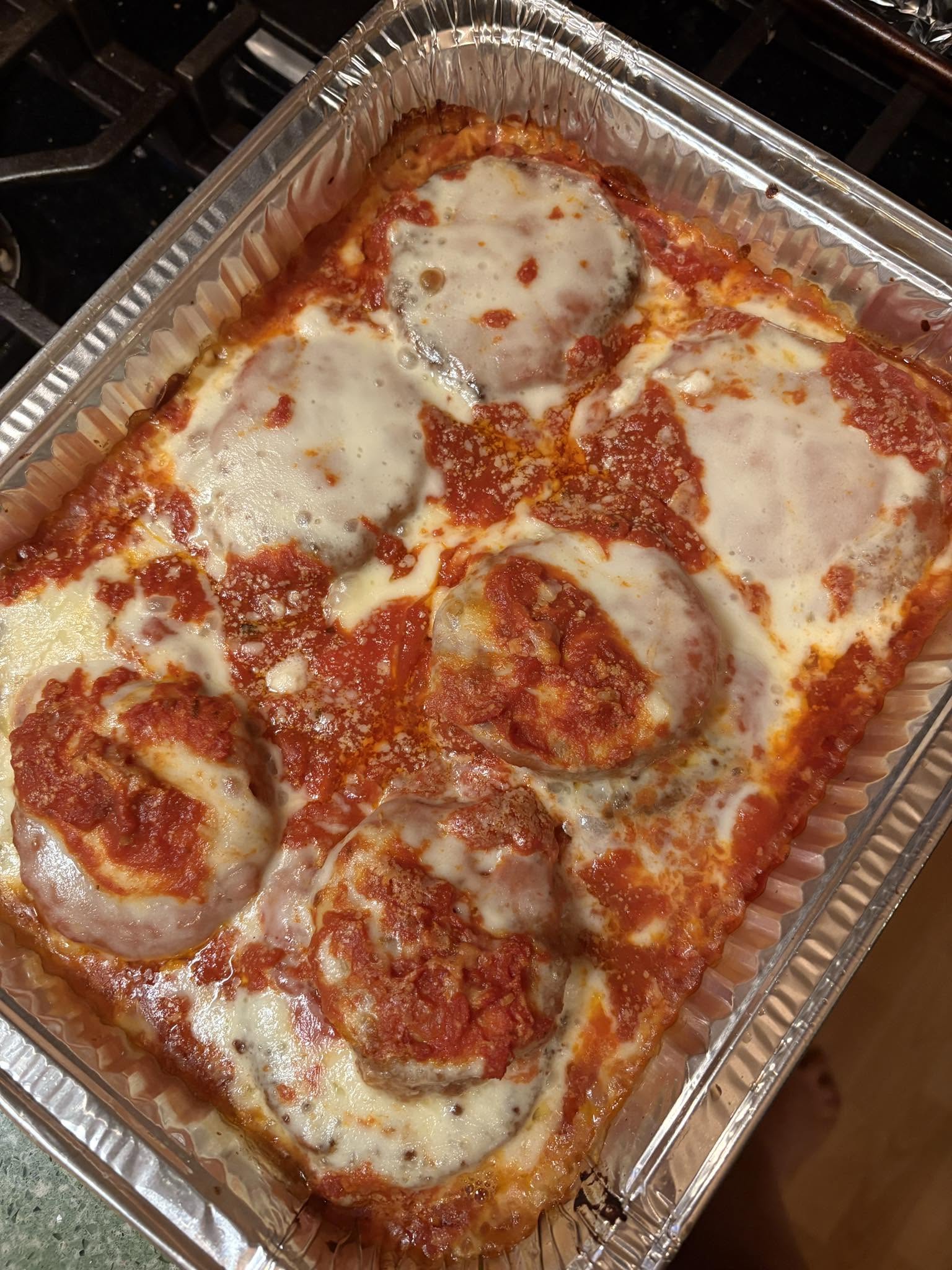
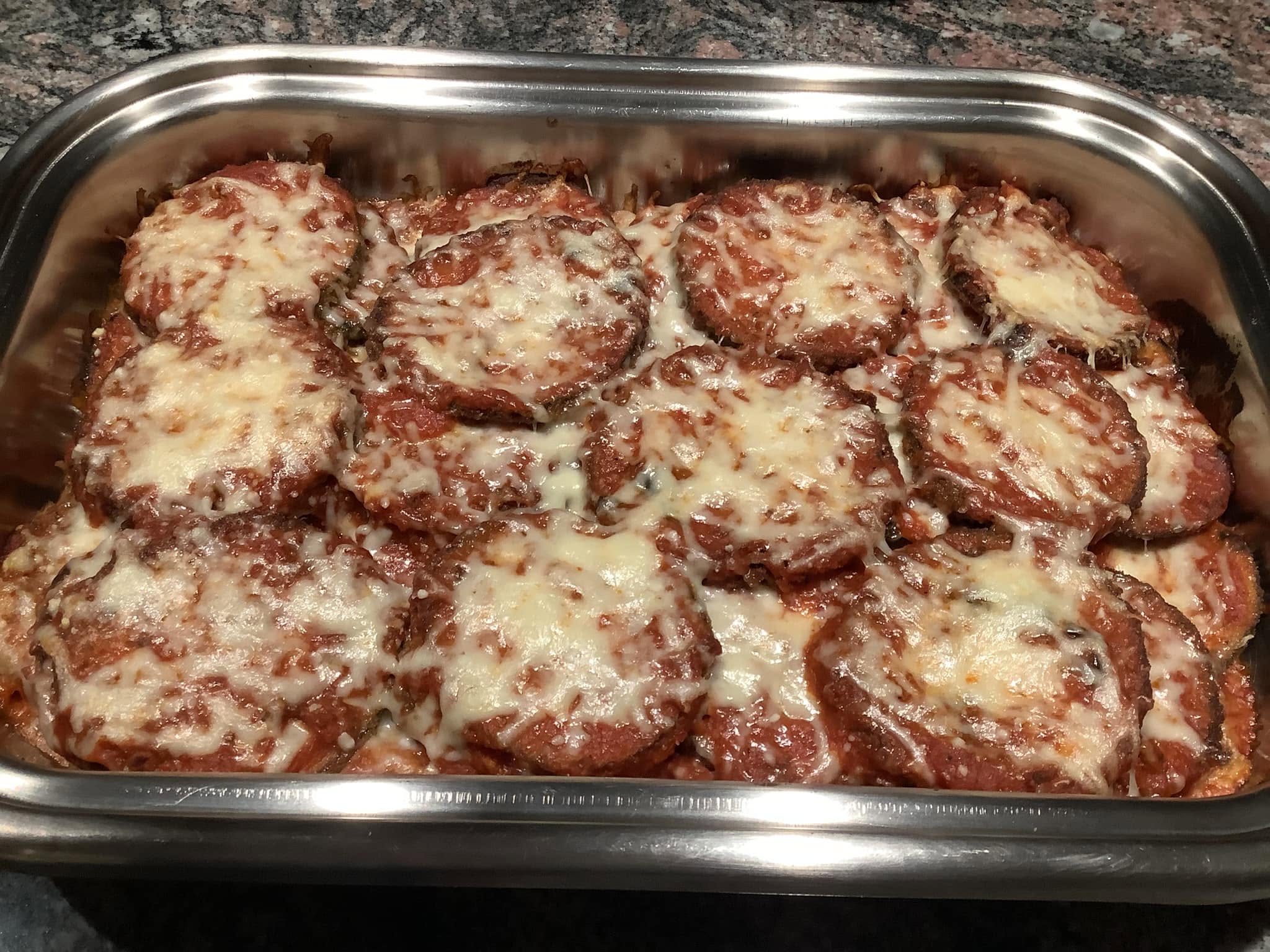
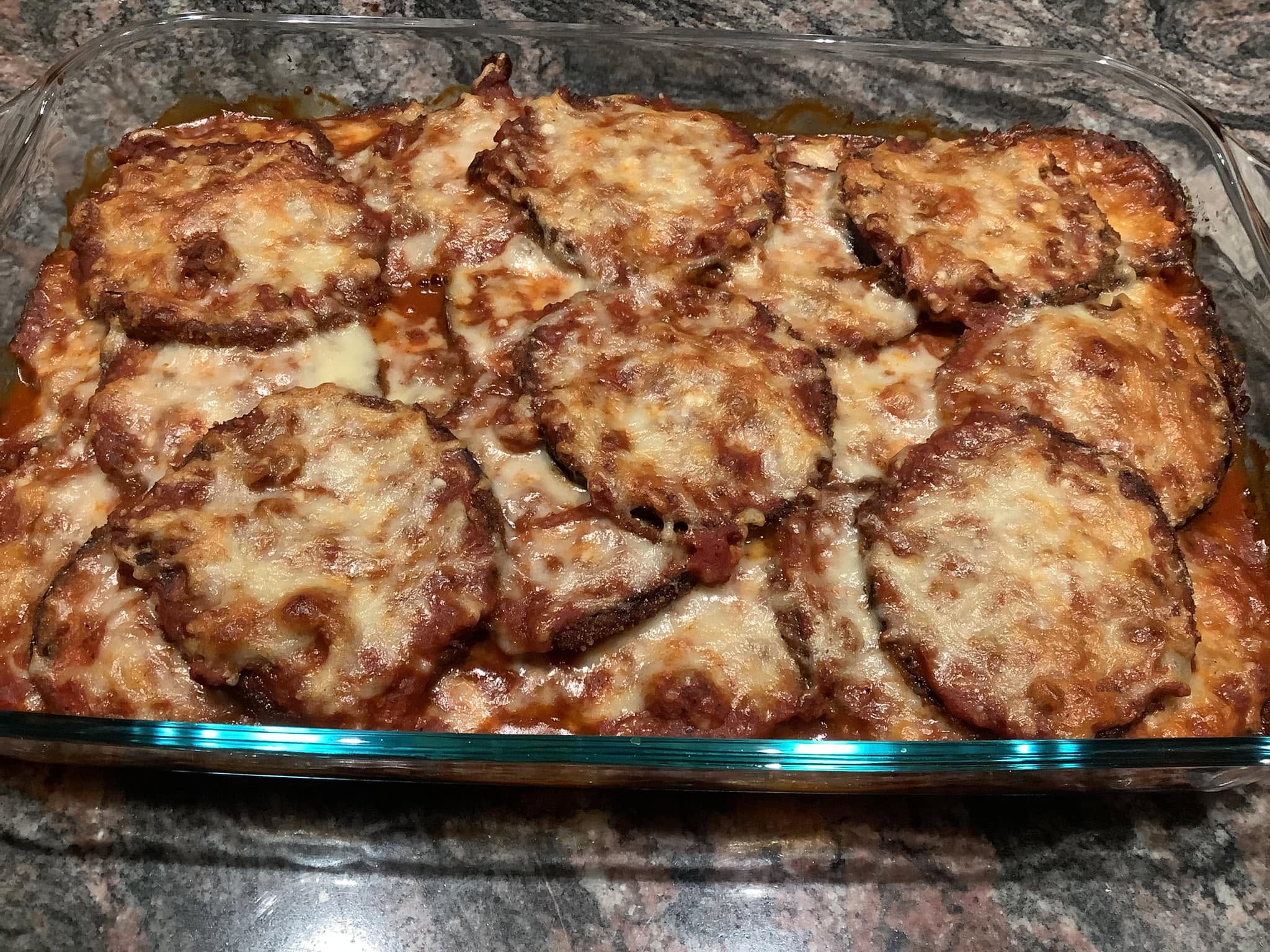
Eggplant Parmesan is a timeless Italian-inspired comfort dish where simple vegetables are transformed into something deeply satisfying and elegant.
Layers of tender, golden-breaded eggplant, rich homemade marinara, and melted mozzarella come together in perfect harmony—crispy, saucy, and creamy all at once.
It’s a recipe that rewards patience and care, delivering bold flavor, comforting warmth, and a classic, hearty meal that feels both rustic and refined.
Why People Will Love This Eggplant Parmesan Recipe:
Perfect balance of textures – Crispy breaded eggplant, rich tomato sauce, and creamy melted cheese create a deeply satisfying contrast in every bite.
Classic comfort with a homemade touch – From the slow-simmered marinara to the hand-breaded eggplant, this recipe delivers warmth, nostalgia, and real home-cooked flavor.
Eggplant done right – Salting and properly cooking the eggplant removes bitterness and excess moisture, resulting in tender, flavorful slices rather than soggy layers.
Rich without being heavy – Thoughtful layering and balanced seasoning keep the dish indulgent yet not overwhelming.
Full of Italian-inspired flavor – Garlic, herbs, Parmesan, and tomato work together to create depth without masking the natural sweetness of the eggplant.
Vegetarian-friendly and hearty – Even without meat, this dish feels filling and satisfying, making it appealing to vegetarians and meat-eaters alike.
Flexible and forgiving – Frying or baking the eggplant, homemade or store-bought sauce—this recipe adapts easily to different preferences and schedules.
Ideal for family meals and gatherings – It’s a crowd-pleaser that holds well, slices beautifully, and feeds multiple people comfortably.
Even better the next day – Like many layered dishes, the flavors continue to develop, making leftovers especially delicious.
A timeless classic – This recipe delivers the familiar comfort of a beloved dish while still feeling special and thoughtfully prepared.
Key Ingredients:
Eggplant – When properly salted and rested, eggplant transforms into a tender, creamy base that absorbs flavor beautifully while losing bitterness and excess moisture.
Breadcrumbs – Create a light, golden crust that adds crispness and structure, giving the eggplant its signature texture.
Parmigiano-Reggiano – Nutty, salty, and deeply savory, Parmesan enhances both the breading and the final layers with rich umami depth.
Fresh mozzarella – Soft and milky, it melts into luscious layers that bind the dish together and balance the acidity of the marinara.
Homemade marinara sauce – Slow-simmered with garlic, onion, and herbs, it provides bright acidity and robust flavor that anchors the entire dish.
Garlic and fresh herbs – Add aromatic warmth and complexity, reinforcing the classic Italian profile.
Olive oil – Used for frying or baking, it delivers richness and helps achieve a crisp, golden exterior.
Eggs – Act as the binder in the breading process, ensuring even coating and a satisfying crunch once cooked.
Fresh parsley – A final touch that adds freshness and color, lifting the richness of the finished dish.
Expert Tips:
Choose the right eggplant – Look for firm eggplants with smooth, shiny skin and minimal seeds. Younger eggplants tend to be less bitter and cook more evenly.
Don’t skip the salting step – Salting draws out excess moisture and bitterness. This step is key to achieving tender, flavorful eggplant with a better final texture.
Rinse and dry thoroughly – After salting, rinse off the excess salt and pat the slices completely dry. Any remaining moisture will prevent proper browning.
Slice evenly for consistent cooking – Aim for uniform ¼-inch slices so each round cooks at the same rate and layers evenly.
Season the breading generously – Eggplant itself is mild, so well-seasoned breadcrumbs ensure flavor in every bite.
Use moderate heat when frying – Too hot and the coating burns; too cool and the eggplant absorbs oil. Medium-low to medium heat gives golden, crisp results.
Avoid stacking hot eggplant – Place fried slices in a single layer on a rack or plate to keep them crisp before assembling.
Use a thick, well-reduced marinara – Watery sauce can lead to soggy layers. Simmer until rich and slightly thickened.
Layer lightly, not heavily – Overloading with sauce or cheese can overwhelm the eggplant. Balanced layers create a cleaner, more structured bake.
Let it rest before slicing – Resting for 10 minutes allows the layers to set, making the dish easier to serve and improving overall texture.
Eggplant Parmesan Recipe
Ingredients:
Eggplant
1 large eggplant sliced into ¼ inch thick rounds
1 teaspoon kosher salt
¼ cup breadcrumbs
3/4 cup grated parmesan cheese separated
2 teaspoons garlic powder
1 teaspoon dried thyme
¼ teaspoon salt
2 large eggs
2-3 tablespoons olive oil
Marinara Sauce
1 tablespoon olive oil
½ small white onion minced
2 tablespoon minced garlic
1 28-oz. can chunky tomato sauce we used Muir Glen
1 teaspoon dried parsley
1 teaspoon dried thyme
½ teaspoon ground oregano
½ teaspoon salt
¼ teaspoon ground pepper
1 tablespoon tomato paste
Other Ingredients
16 oz. fresh mozzarella cut into slices
2 tablespoons fresh parsley chopped
Instructions:
Step 1:
Begin by preparing the eggplant.
Place the eggplant rounds on a large baking sheet and sprinkle with kosher salt.
Massage the salt into the eggplant rounds and set aside.
Let the eggplant sit for at least 1 hour.*
Step 2:
Prepare the homemade marinara sauce.
Add 1 tablespoon olive oil to a pot and heat over medium/high heat.
Step 3:
When the olive oil is fragrant add the white onion and minced garlic to the pot and sprinkle with ¼ teaspoon salt.
Sauté for 2-3 minutes.
Step 4:
Add the rest of the sauce ingredients to the pot and stir.
Bring the saue to a boil and then turn the heat down to low and simmer for 15-20 minutes.
Remove from heat.
Step 5:
Once the eggplant has sat for at least an hour, rinse each eggplant round under water to remove the salt.
Pat dry and set aside.
Step 6:
Preheat the oven to 400ºF and grease a 9×13-inch casserole dish with nonstick cooking spray.
Set aside.
Step 7:
Prepare the eggplant parmesan rounds. In a large bowl, combine breadcrumbs, ½ cup grated parmesan, garlic powder, dried thyme and ¼ teaspoon salt.
Mix to combine.
In a medium bowl, whisk 2 eggs.
Step 8:
Dip each eggplant round in the egg wash, letting the excess egg drip off.
Then, dredge the eggplant in the breadcrumb mixture.
Make sure that each eggplant round is fully coated.
Step 9:
Heat 1/2 tablespoon olive oil in a large frying pan over medium/low heat.
When the olive oil is fragrant, add 3 to 4 eggplant rounds (depending on how big your pan is).
Let cook for around 1-2 minutes on each side or until golden brown.
Set aside.
Repeat this step until all the eggplant rounds are golden brown.
Step 10:
Assemble eggplant parmesan.
Scoop ½ cup of marinara sauce and place it in the bottom of the greased casserole dish.
Spread the sauce across the bottom of the dish.
Step 11:
Next, place half of the eggplant on top of the sauce and then cover the eggplant with half of the mozzarella slices.
Add 1.5 cups of marinara sauce to the top of the mozzarella slices and spread it out evenly.
Repeat this step.
Step 12:
Sprinkle the last ¼ cup of parmesan over the top of the eggplant parmesan and place it into the oven and bake for 20-22 minutes or until the mozzarella on top of the eggplant parmesan is melted.
Step 13:
Remove from the oven and let the eggplant parmesan rest for 10 minutes.
Serve with fresh parsley sprinkled on top.
Important Notes When Making Eggplant Parmesan Recipe:
Moisture control defines success – Properly salting, drying, and cooking the eggplant is essential to avoid soggy layers and achieve a satisfying final texture.
Eggplant quality matters – Fresh, firm eggplants with fewer seeds yield a sweeter, creamier result than older, seedy ones.
Breading is about balance, not thickness – A light, even coating gives crispness without overpowering the eggplant itself.
Sauce consistency is crucial – Marinara should be thick and well-simmered. Excess liquid will dilute flavor and soften the breaded layers.
Cheese should enhance, not dominate – Fresh mozzarella and Parmesan add richness and umami, but overusing them can make the dish heavy.
Layering affects structure – Even, restrained layers help the casserole hold together and slice cleanly after baking.
Resting time is part of the recipe – Allowing the dish to rest after baking improves texture and prevents it from falling apart when served.
Flavor develops over time – Eggplant Parmesan often tastes even better the next day as the components meld together.
Cooking method can be adjusted – Frying delivers maximum crispness, while baking reduces oil; both work well when done properly.
This dish rewards patience – Taking time with each step results in a refined, deeply comforting meal that feels thoughtfully prepared.
How to Enjoy Eggplant Parmesan After Cooking
Let it rest before serving
Allow the dish to rest for 10 minutes after baking. This helps the layers set, improves structure, and makes slicing clean and effortless.
Slice with care
Use a sharp knife or spatula to cut neat portions, preserving the layers of eggplant, sauce, and cheese.
Serve warm, not piping hot
Slight cooling enhances flavor perception and prevents the cheese from overpowering the palate.
Finish with freshness
Sprinkle chopped fresh parsley or basil on top just before serving to brighten the richness of the dish.
Pair with simple sides
A crisp green salad, steamed vegetables, or lightly dressed greens provide contrast to the richness.
Add bread thoughtfully
Serve with crusty Italian bread or garlic bread to soak up extra sauce, but avoid overly heavy sides.
Enjoy as a main or a centerpiece
Eggplant Parmesan stands beautifully on its own or alongside pasta for a heartier meal.
Eat slowly to appreciate the layers
Each bite should capture crisp eggplant, tangy sauce, and creamy cheese working together.
Revisit leftovers the next day
Gently reheated, the flavors deepen and often taste even better after resting overnight.
Savor the comfort
This is a dish meant to be enjoyed unhurriedly, offering warmth, satisfaction, and classic comfort with every bite.
Nutrition Information:
Approximate values per serving, based on 1 of 8 servings
Calories: 360–390 kcal | Total Fat: 24–27 g | Saturated Fat: 10–12 g | Monounsaturated Fat: 9–11 g | Polyunsaturated Fat: 2–3 g | Cholesterol: 105–120 mg | Sodium: 1,400–1,550 mg (depending on cheese, sauce, and added salt) | Total Carbohydrates: 18–22 g | Dietary Fiber: 4–6 g | Sugars: 7–9 g | Protein: 18–20 g
Frequently Asked Questions:
Can I skip the step of salting the eggplant rounds?
Salting the eggplant helps to draw out excess moisture and reduce bitterness.
It’s recommended to salt the eggplant rounds and let them sit for at least an hour before rinsing and patting dry for best results.
Is it necessary to use fresh mozzarella for this recipe, or can I use shredded mozzarella instead?
While fresh mozzarella provides a creamier texture, you can substitute shredded mozzarella if needed.
However, fresh mozzarella adds a unique flavor and texture to the dish.
Can I make the marinara sauce ahead of time?
Yes, you can prepare the marinara sauce in advance and store it in the refrigerator for up to a week or freeze it for longer storage.
This can save time when you’re ready to assemble the Eggplant Parmesan.
I don’t have all the herbs listed in the marinara sauce. Can I use dried Italian seasoning instead?
Yes, you can substitute dried Italian seasoning for the individual herbs listed in the marinara sauce.
Use about 1 to 2 teaspoons of dried Italian seasoning in place of the parsley, thyme, and oregano.
Can I bake the eggplant rounds instead of frying them?
Yes, you can bake the breaded eggplant rounds on a greased baking sheet at 400ºF for about 15-20 minutes, flipping halfway through, until they are golden brown and crispy.
This method reduces the amount of oil used in the recipe.
Why is it necessary to salt the eggplant rounds?
Salting the eggplant helps draw out excess moisture, which can make the eggplant soggy when cooked.
It also helps to reduce bitterness in the eggplant.
Can I skip the step of salting the eggplant?
While salting the eggplant is recommended for best results, if you’re short on time, you can skip this step.
However, the eggplant may retain more moisture and could be slightly bitter.
Can I use store-bought marinara sauce instead of making it from scratch?
Yes, you can substitute store-bought marinara sauce if you’re looking to save time.
However, homemade marinara sauce tends to have a fresher flavor and allows you to control the ingredients.
Is it necessary to use fresh mozzarella, or can I use shredded mozzarella?
Fresh mozzarella provides a creamier texture and richer flavor, but shredded mozzarella can be used as a substitute.
However, fresh mozzarella adds a unique touch to the dish.
Can I make this recipe ahead of time and bake it later?
Yes, you can assemble the eggplant parmesan ahead of time and refrigerate it until you’re ready to bake.
This is convenient for meal prep or entertaining.
Can I freeze leftover eggplant parmesan?
Yes, you can freeze leftover eggplant parmesan.
Wrap it tightly in plastic wrap or aluminum foil and store it in an airtight container.
It can be frozen for up to three months.
What can I serve with eggplant parmesan?
Eggplant parmesan pairs well with a variety of sides, including garlic bread, salad, or roasted vegetables.
It’s also delicious served with pasta or crusty Italian bread.
Can I make this recipe vegetarian?
Yes, you can make a vegetarian version of eggplant parmesan by omitting the ground beef and using vegetable broth instead of beef broth in the marinara sauce.
What should I do if my eggplant slices are too thick?
If your eggplant slices are too thick, you can adjust the cooking time accordingly to ensure they are fully cooked and tender.
Thinner slices will cook more quickly.
How can I make this recipe gluten-free?
To make this recipe gluten-free, use gluten-free breadcrumbs and ensure that all other ingredients, such as the marinara sauce and seasonings, are also gluten-free.