Colorado Pork Pozole Rojo
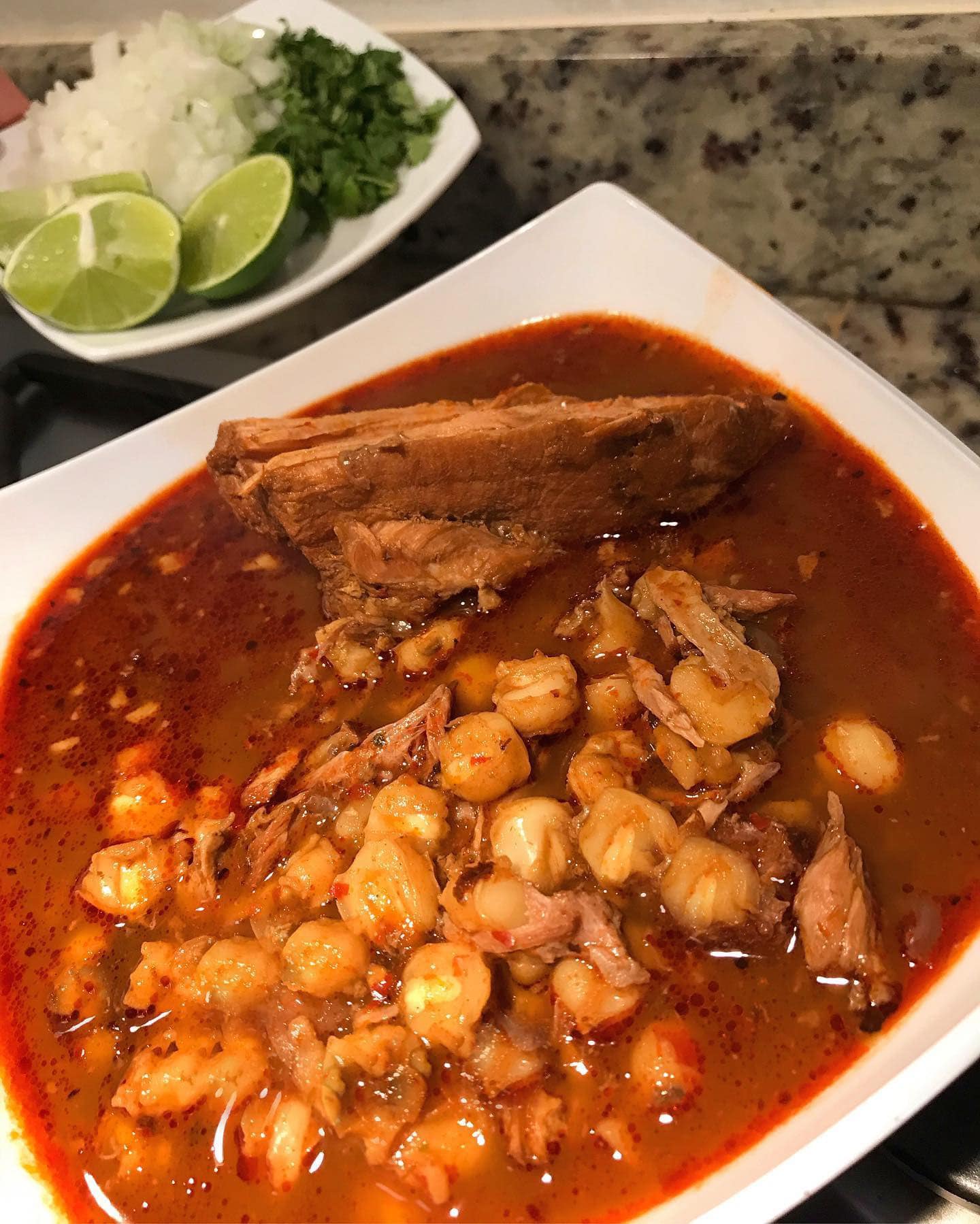
Colorado Pork Pozole Rojo is a bold, soul-warming stew rooted in Mexican tradition and made for gathering around the table.
Slow-simmered pork becomes meltingly tender in a rich, chile-forward broth, enriched with hominy and fragrant Mexican oregano. The deep red color comes from chile colorado sauce, giving the pozole its signature warmth and earthy depth.
Finished with crisp tortilla strips, fresh toppings, and bright lime, this dish is hearty, comforting, and meant to be enjoyed communally—one customizable bowl at a time.
Why People Will Love This Recipe
Deep, slow-simmered flavor – Hours of gentle cooking transform pork butt into tender, juicy shreds while infusing the broth with rich, savory depth.
Bold chile rojo character – The chile colorado sauce delivers warm heat, earthiness, and that iconic deep red color that defines authentic pozole rojo.
Hearty and comforting – Pork, hominy, and broth come together in a filling, soul-warming stew that’s perfect for cold days or feeding a crowd.
Perfect balance of textures – Tender pork and chewy hominy contrast beautifully with crunchy fried tortilla strips and crisp fresh garnishes.
Interactive, customizable serving – Guests can build their own bowl with onions, radishes, lime, queso fresco, and oregano, making every serving personal.
Rooted in tradition – This recipe honors classic Mexican cooking techniques and flavors, giving it an authentic, time-tested appeal.
Crowd-friendly and celebratory – Pozole is made for gatherings, holidays, and family meals, where one pot feeds many generously.
Bright, fresh finish – Lime, radishes, and onion cut through the richness, keeping the dish bold yet balanced.
Even better with time – Like many stews, pozole develops deeper flavor overnight, making leftovers especially satisfying.
Comfort food with soul – Warm, aromatic, and deeply nourishing, this is the kind of dish people crave again and again.
Key Ingredients
Boneless Pork Butt – The foundation of the dish. Its marbling breaks down during long simmering, producing tender, flavorful shredded pork and a rich broth.
Chicken Stock – Adds savory depth and body to the cooking liquid, enhancing the pork without overpowering the chile flavors.
Garlic – Simmered whole, it softens and sweetens, infusing the broth with warmth and subtle complexity.
Mexican Oregano – Earthy and slightly citrusy, it brings a distinctive herbal note that sets pozole apart from other soups.
Chile Colorado Sauce – The heart of pozole rojo, delivering deep red color, warmth, and bold chile flavor that defines the dish.
White Hominy – Plump and chewy, hominy adds texture, heartiness, and a mild corn sweetness that balances the rich broth.
Corn Tortillas (Fried) – Crisp tortilla strips provide crunch and a toasted corn flavor that contrasts the soft stew.
Fresh Garnishes (Onion, Radish, Lime) – Add brightness, crunch, and acidity, cutting through the richness and waking up the palate.
Queso Fresco – A mild, crumbly cheese that adds creamy contrast without overpowering the chile-forward broth.
Expert Tips:
Choose well-marbled pork – Pork butt (shoulder) is ideal because its fat slowly renders, keeping the meat juicy and enriching the broth with deep flavor.
Skim the foam early – Removing impurities at the beginning keeps the broth clean-tasting and prevents bitterness later.
Keep the simmer gentle – A slow, steady simmer (not a boil) allows collagen to break down properly, giving you tender pork and a silky broth.
Season in stages – Salt lightly at the start, then adjust after adding chile sauce and hominy. Flavors concentrate as the pozole cooks.
Shred the pork while warm – Warm pork pulls apart more easily and absorbs the broth better when returned to the pot.
Add chile sauce after the pork is tender – This prevents the chile from becoming bitter during long cooking and keeps its flavor vibrant.
Rinse hominy thoroughly – Draining and rinsing removes excess starch and canned flavor, keeping the broth clean and balanced.
Fry tortilla strips just before serving – Freshly fried strips stay crisp and add the best texture contrast.
Finish with fresh garnishes – Lime, radish, and onion are essential for balance; don’t skip them.
Let it rest before serving – A short rest off heat allows flavors to meld and the broth to settle for a more cohesive bowl.
Colorado Pork Pozole Rojo
Ingrediens:
One 6-pound boneless pork butt
1 quart chicken stock (low-sodium)
1 head garlic, separated into cloves and peeled
Salt
1 teaspoon dried whole Mexican oregano
2½ cup canned chile colorado sauce
Three 15-ounce cans white hominy, drained
For the Garnish:
Vegetable oil, for frying
8 corn tortillas, cut into thin strips
Finely chopped white onion
Thinly sliced radishes
Lime wedges
Queso Fresco
Dried whole Mexican oregano
Instructions:
Step 1:
Put the pork in a large heavy stockpot or Dutch oven.
Add 3 quarts of water, the chicken stock, garlic, and 1 teaspoon salt and bring to a boil.
Skim off and discard any foam that rises to the surface.
Stir in the oregano, reduce the heat, and simmer gently, uncovered, until the pork is tender, about 3 hours.
Step 2:
Lift the pork out of the broth onto a cutting board.
Shred the pork with two forks and return it to the broth along with the chile colorado sauce and hominy and another teaspoon of salt.
Step 3:
Bring to a boil, then reduce the heat and simmer for 30 minutes.
Step 4:
While the pozole cooks, line a baking sheet with paper towels.
Pour ½ inch of vegetable oil into a large skillet over medium-high heat.
When the surface shimmers but the oil is not smoking (if it is, reduce the heat!), fry the tortilla strips in batches – so you don’t crowd the skillet – just until they’re golden brown, about 3 minutes per batch.
Transfer them to the paper towels to drain and sprinkle them very lightly with salt while they’re still hot.
Step 5:
Serve bowls of pozole with the tortilla strips and bowls of onion, radish slices, lime wedges, Queso Fresco and oregano and let your guests garnish their own servings.
Important Notes When Making Colorado Pork Pozole Rojo
This is a long-simmered dish by design – The full cooking time is essential for breaking down the pork and developing a rich, cohesive broth. Rushing it will sacrifice flavor and texture.
Pozole should never boil aggressively – Keep the heat low and steady. A rolling boil can toughen the pork and cloud the broth.
Chile flavor should be warm, not harsh – Adding the chile colorado sauce after the pork is tender preserves its depth and prevents bitterness.
Hominy expands and softens – Expect the hominy to become plump and slightly chewy; this is a defining texture of pozole.
Salt carefully once garnishes are added – Queso fresco and tortilla strips add salt, so the base should be well-seasoned but not heavy.
Broth thickness is intentional – Pozole is meant to be brothy, not stew-like. Avoid over-reducing the liquid.
Garnishes are not optional – Fresh toppings balance the richness and heat; the dish feels incomplete without them.
Flavor improves overnight – Like most slow-cooked soups, pozole tastes even better the next day after resting.
Adjust heat at the table – Keep the base approachable and let guests add extra chile or oregano as they like.
Serve communally – Pozole is meant to be shared, with bowls of garnishes passed around for a true traditional experience.
How to Enjoy Colorado Pork Pozole Rojo After Cooking
Let the pozole rest briefly
After turning off the heat, let the pot rest for 10–15 minutes. This allows the flavors to settle, the pork to fully absorb the broth, and the chile notes to mellow into a deeper, rounder taste.
Serve hot, but not boiling
Pozole is best enjoyed steaming hot, not aggressively boiling. This temperature brings out the aroma of the chiles and oregano without dulling the flavors.
Build each bowl thoughtfully
Start with plenty of broth, pork, and hominy. Then add garnishes gradually so each bite stays balanced rather than overloaded.
Use garnishes generously and intentionally
- Crispy tortilla strips for crunch
- White onion for sharpness
- Radishes for freshness and bite
- Lime juice for brightness
- Queso fresco for creamy contrast
- Mexican oregano for aromatic lift
Taste and adjust at the table
A squeeze of lime or a pinch of oregano can completely transform the bowl. Encourage diners to customize until the balance feels just right.
Pair with simple sides
Serve with warm corn tortillas or bolillos (Mexican rolls). Avoid heavy sides—pozole is already hearty and complete on its own.
Enjoy it slowly
Pozole is meant to be savored. Take time between bites to enjoy how the broth, pork, and garnishes come together.
Perfect for sharing
Serve the pot at the center of the table with garnishes in small bowls. This communal style is traditional and enhances the experience.
Leftovers are a bonus
Pozole tastes even better the next day. Reheat gently over low heat and refresh with lime and fresh garnishes before serving.
Embrace the comfort
This is a dish rooted in warmth, tradition, and togetherness. Enjoy it as more than a meal—it’s an experience meant to nourish and bring people together.
Nutrition Information
Assumption: values are per 1 serving (recipe serves ~8), including pork, hominy, chile colorado sauce, and standard garnishes (tortilla strips and queso fresco in modest amounts).
Calories: 430–480 kcal | Total Fat: 22–26 g | Saturated Fat: 7–9 g | Monounsaturated Fat: 10–13 g | Polyunsaturated Fat: 2–3 g | Cholesterol: 95–115 mg | Sodium: 750–900 mg (depending on stock, chile sauce, and added salt) | Total Carbohydrates: 28–34 g | Dietary Fiber: 5–7 g | Sugars: 4–6 g | Protein: 28–32 g
Frequently Asked Questions:
Can I use a different cut of pork?
Yes, you can use other cuts of pork such as pork shoulder or pork loin if preferred.
Adjust cooking time accordingly based on the cut used.
Is it necessary to use low-sodium chicken stock?
Using low-sodium chicken stock allows for better control of the dish’s overall saltiness.
However, you can use regular chicken stock and adjust the added salt accordingly.
Can I use fresh oregano instead of dried?
Yes, you can substitute dried Mexican oregano with fresh oregano.
Use three times the amount of fresh oregano compared to the dried quantity mentioned in the recipe.
What if I can’t find canned chile colorado sauce?
If canned chile colorado sauce is unavailable, you can make your own by blending rehydrated dried chilies, tomatoes, garlic, and spices.
Adjust the spiciness according to your preference.
How long does it take to simmer the pork until tender?
Simmer the pork uncovered for about 3 hours or until it is tender enough to shred easily with a fork.
Adjust the simmering time based on the size and thickness of the pork pieces.
Can I make the tortilla strips ahead of time?
Yes, you can fry the tortilla strips ahead of time and store them in an airtight container at room temperature.
Re-crisp them in the oven before serving if needed.
What can I use instead of hominy?
If you cannot find hominy, you can substitute it with cooked white beans such as navy beans or cannellini beans.
Is Queso Fresco necessary for garnishing?
Queso Fresco adds a creamy texture and mild flavor to the pozole, but you can omit it if preferred or substitute it with crumbled feta cheese.
Can I make this dish vegetarian?
Yes, you can make a vegetarian version by omitting the pork and using vegetable stock instead of chicken stock.
Increase the amount of hominy and add more vegetables for substance.
How should I store leftovers?
Store leftover pozole in an airtight container in the refrigerator for up to 3-4 days.
Reheat gently on the stovetop or in the microwave before serving.