The Best Goulash
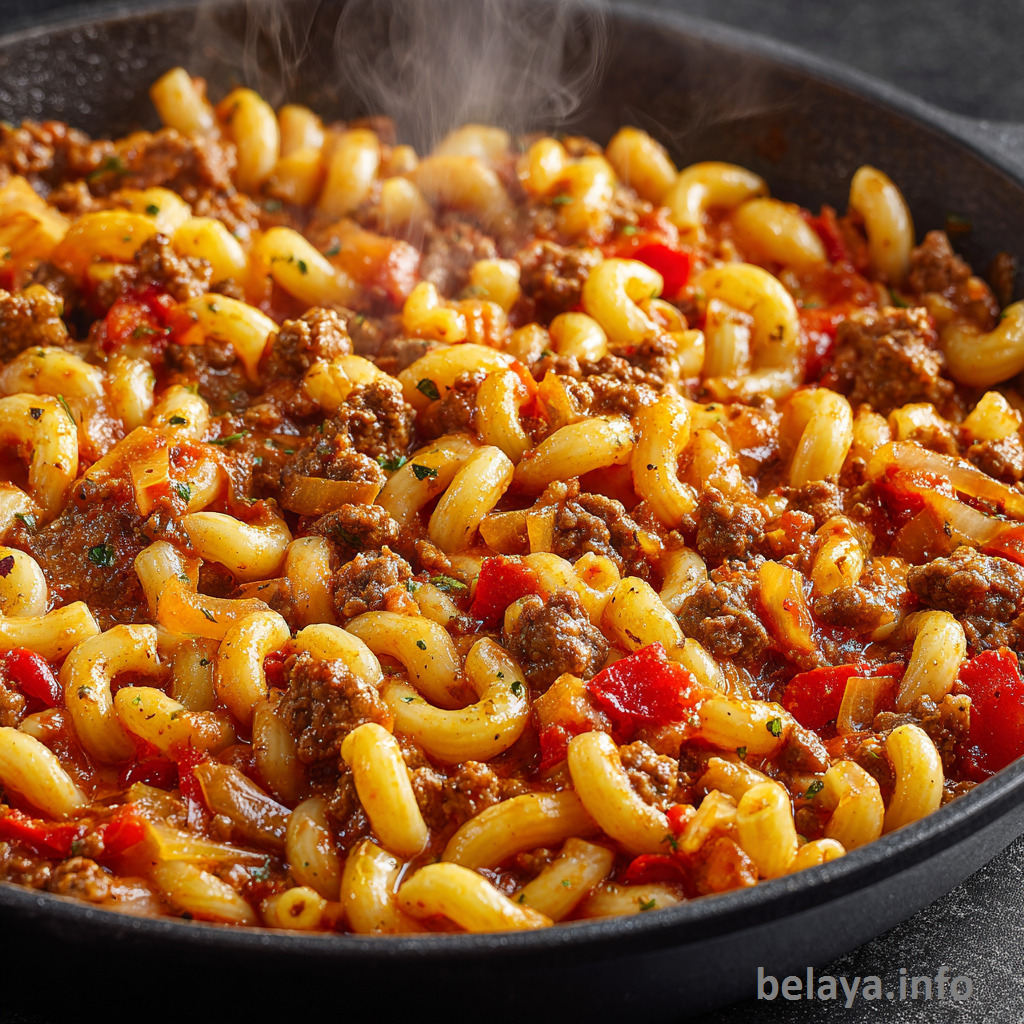
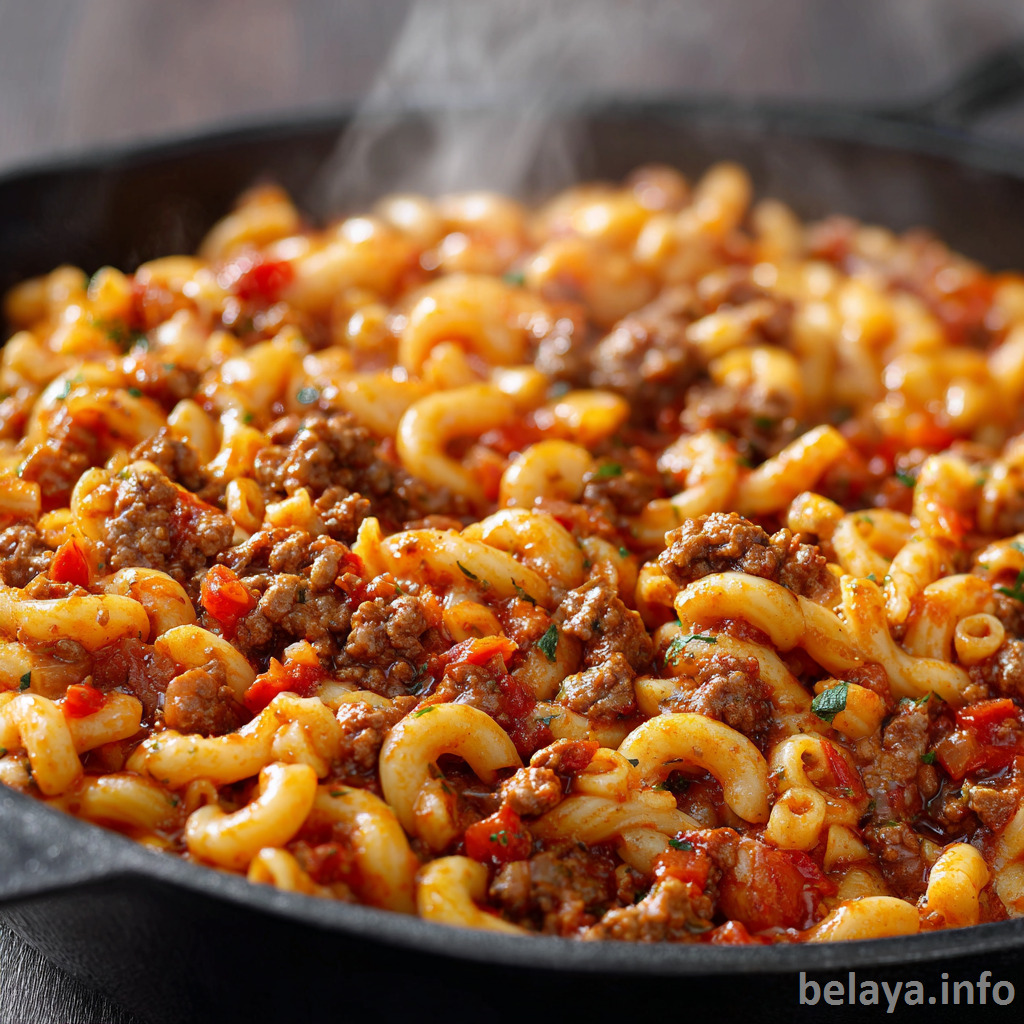
This goulash is the definition of comfort in a bowl—simple, hearty, and deeply satisfying. It brings together tender pasta, savory beef, and a rich tomato-based broth into a dish that feels both nostalgic and timeless.
What makes this recipe truly special is how effortlessly it builds flavor. As everything simmers together, the pasta absorbs the seasoned broth, the beef adds depth, and the tomatoes create a slightly tangy richness that ties it all together. Every spoonful feels warm, balanced, and complete.
It’s the kind of meal that doesn’t try to impress with complexity—but wins you over with honesty, heartiness, and that unmistakable homemade taste that makes you want to come back for seconds.
Why People Will Love The Best Goulash Recipe
Deep, Comforting Flavor That Feels Nostalgic
This dish captures that classic, home-cooked taste—rich, warm, and familiar. It’s the kind of meal that reminds people of childhood dinners and simple, comforting moments.
Hearty and Satisfying in Every Bite
With protein-rich beef and tender pasta, this goulash is filling without being heavy. It’s a complete, balanced meal that truly satisfies hunger.
Perfect Balance of Savory and Tangy
The tomatoes bring a gentle acidity that cuts through the richness of the beef, creating a flavor that feels bright yet deeply savory.
One-Pot Simplicity with Big Flavor
Everything cooks together in one pot, allowing the pasta to absorb the seasoned broth. This not only enhances flavor but also makes cleanup incredibly easy.
Optional Cheesy Finish for Extra Comfort
The melted cheddar adds a creamy, indulgent layer that makes the dish even more comforting and crowd-pleasing.
Simple Ingredients, Layered Depth
Everyday pantry staples come together to create a dish that tastes far more complex than it looks—proof that simple cooking can be deeply flavorful.
Quick Enough for Weeknights
It comes together relatively fast, making it perfect for busy evenings when you still want a warm, homemade meal.
Family-Friendly and Crowd-Pleasing
Mild, approachable flavors make it a hit with both kids and adults. It’s a safe favorite that everyone will enjoy.
Customizable to Taste
You can adjust seasoning, add vegetables, or make it cheesier depending on your preference. It’s flexible without losing its core identity.
Even Better as Leftovers
As it sits, the flavors continue to meld and deepen, making the next-day version even richer and more satisfying.
Honest, No-Fuss Comfort Food
This recipe doesn’t rely on complicated techniques—just real ingredients cooked together with care, delivering warmth and satisfaction in every bowl.
Key Ingredients
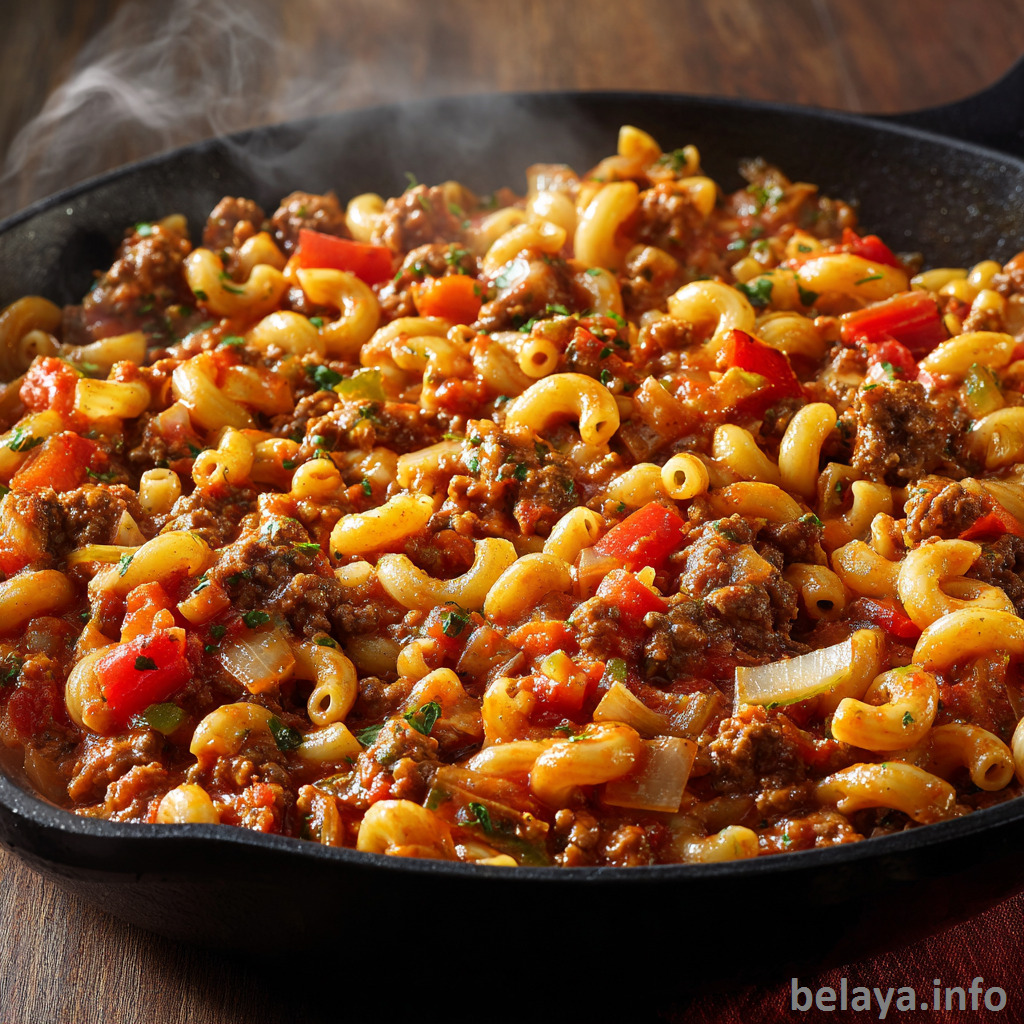
Ground Beef – The Savory Core
Ground beef provides the rich, meaty backbone of the dish. As it browns with onions and garlic, it develops deep, savory notes that carry through every bite.
Onion & Garlic – Aromatic Foundation
These two ingredients build the first layer of flavor. When sautéed, they release natural sweetness and aroma, creating a base that makes the entire dish feel fuller and more complex.
Diced Tomatoes (with Juices) – Tangy Depth & Body
Tomatoes bring brightness and slight acidity, balancing the richness of the beef. Their juices form the base of the sauce, giving the goulash its signature texture—somewhere between a soup and a hearty pasta.
Beef Broth – Flavor Amplifier
Beef broth deepens the savory profile and provides the liquid needed to cook the pasta directly in the pot. It helps all ingredients blend into one cohesive, flavorful dish.
Elbow Macaroni – Absorbing the Flavor
The pasta doesn’t just add bulk—it absorbs the seasoned broth as it cooks, becoming infused with flavor. This is what makes each bite taste unified rather than separate components.
Paprika – Warm, Subtle Spice
Paprika adds a gentle warmth and a hint of smokiness, giving the dish its characteristic depth without overwhelming the other flavors.
Worcestershire Sauce – Hidden Umami Boost
A small amount adds complexity and depth. It enhances the beefiness and rounds out the flavor, making the dish taste richer than expected.
Salt & Black Pepper – Essential Balancers
These simple seasonings bring all the flavors into focus. Proper seasoning ensures the dish tastes complete and well-rounded.
Cheddar Cheese – Creamy Finish (Optional but Transformative)
Melted cheddar adds a creamy, slightly sharp contrast to the tomato base. It softens the acidity and makes the dish feel even more comforting and indulgent.
Expert Tips for The Best Goulash
Build a Deep Base with Proper Browning
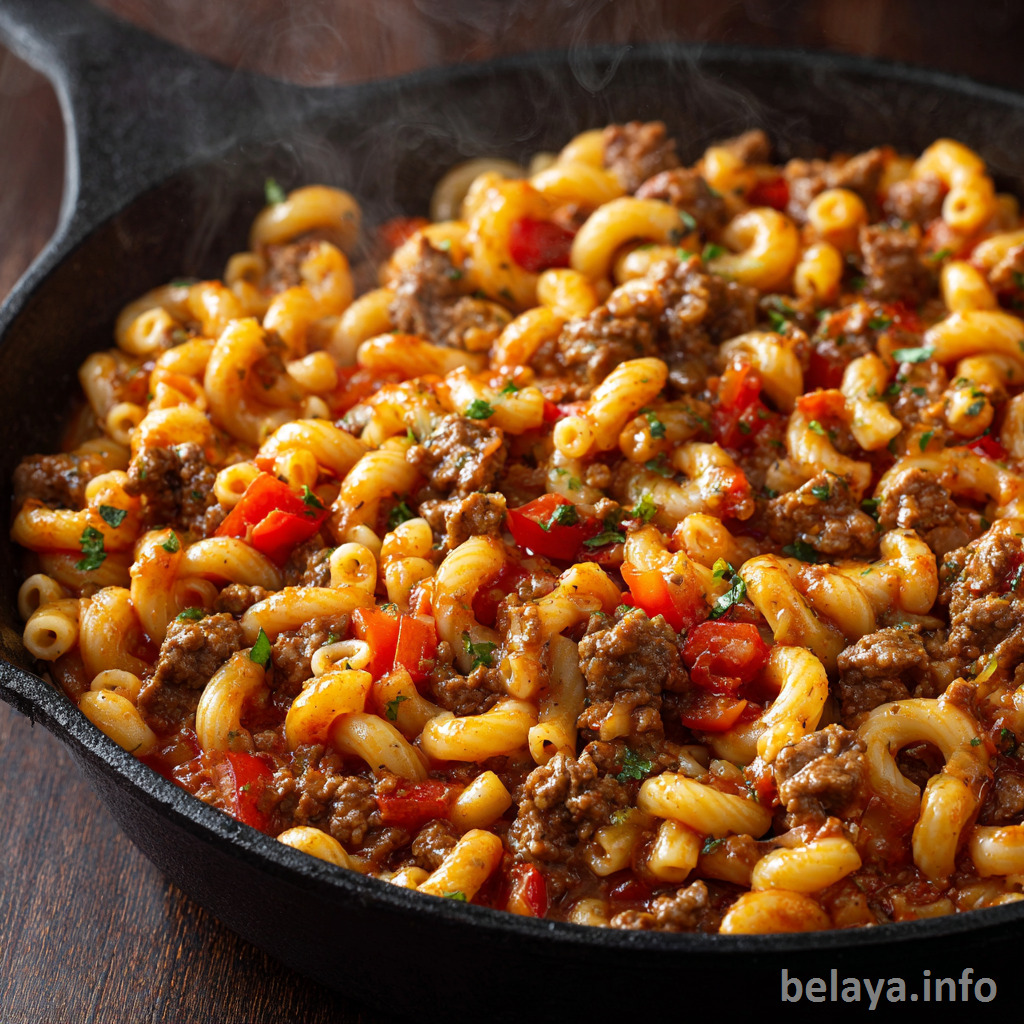
Let the beef, onion, and garlic cook until lightly caramelized—not just cooked through. Those browned bits at the bottom of the pot (fond) dissolve into the liquid later and create a richer, more developed flavor.
Control the Liquid-to-Pasta Ratio Carefully
Since the pasta cooks directly in the broth, it will absorb a lot of liquid. Start with the recommended amount and adjust gradually—too much liquid makes it soupy, too little can cause sticking or uneven cooking.
Stir Occasionally, Not Constantly
Stirring helps prevent sticking, but over-stirring can break down the pasta and make the texture too soft. Gentle, occasional stirring is the key.
Bloom the Spices Before Simmering
After browning the beef, briefly stir in the paprika and Worcestershire sauce before adding liquids. This releases their full aroma and enhances the depth of flavor.
Watch the Pasta Closely Near the End
The pasta can go from perfectly tender to overly soft quickly. Check a few minutes before the suggested time and stop cooking as soon as it reaches al dente.
Season in Layers for Better Balance
Add a little salt early, then taste again near the end. As the liquid reduces, flavors concentrate—this helps you avoid over-seasoning.
Add Cheese at the Right Moment
If using cheese, sprinkle it on top after cooking, not during. This keeps the texture creamy and prevents the sauce from becoming too thick or greasy.
Adjust Acidity If Needed
If the tomato flavor feels too sharp, a pinch of sugar or a small pat of butter can mellow the acidity and round out the taste.
Let It Sit Before Serving
Allow the goulash to rest for 5 minutes off the heat. This helps thicken the sauce naturally and allows flavors to settle.
Plan for Thickening Over Time
As it cools, the pasta will continue to absorb liquid. When reheating, add a splash of broth or water to bring it back to the desired consistency.
Use a Heavy Pot for Even Cooking
A Dutch oven or thick-bottomed pot distributes heat more evenly, preventing hot spots and helping everything cook consistently.
The Best Goulash Recipe
Ingredients
1 pound ground beef
1 medium yellow onion, finely chopped
2 cloves garlic, minced
1 (28-ounce) can diced tomatoes, with juices
2 cups beef broth (low-sodium recommended)
2 cups dry elbow macaroni
1 tablespoon Worcestershire sauce
1 teaspoon sweet paprika
Kosher salt and freshly ground black pepper, to taste
1 cup shredded sharp cheddar cheese (optional, for a cheesy finish)
Instructions
Brown the Beef:
In a large pot or Dutch oven, heat over medium heat.
Add the ground beef, chopped onion, and minced garlic.
Cook, stirring occasionally, until the beef is fully browned and the onions are softened.
Drain any excess fat, if needed.
Build the Base:
Stir in the diced tomatoes (with their juices), beef broth, uncooked elbow macaroni, Worcestershire sauce, paprika, salt, and pepper.
Mix well to combine all ingredients evenly.
Simmer the Goulash:
Bring the mixture to a boil.
Once boiling, reduce the heat to low and let it simmer uncovered for about 20 minutes, stirring occasionally, until the pasta is tender and the flavors have melded.
Finish with Cheese (Optional):
If using shredded cheddar, sprinkle it over the top just before serving.
Let it sit for a minute or two to melt into the hot goulash for a rich, cheesy finish.
Serve and Enjoy:
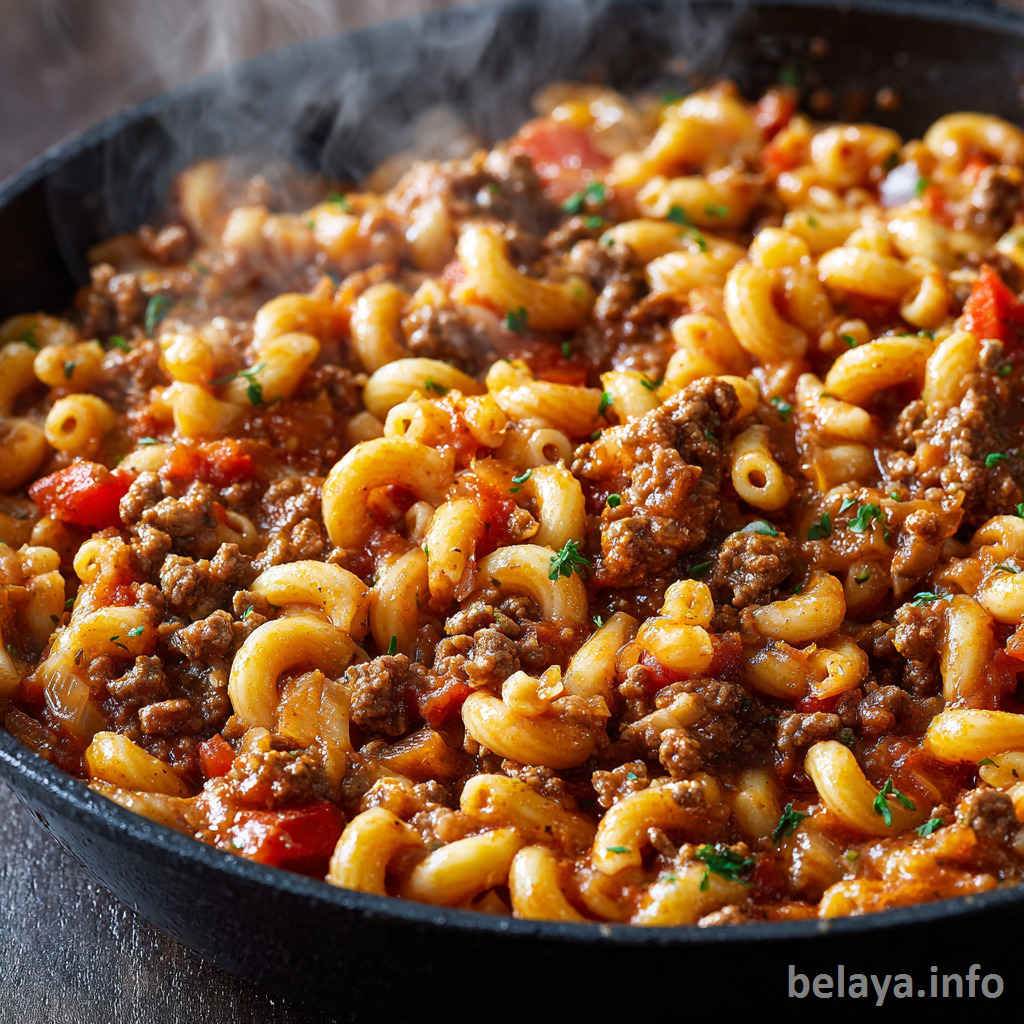
Ladle into bowls and serve warm. It’s hearty, comforting, and perfect for cozy nights in.
Important Notes When Making The Best Goulash
Pasta Texture Is the Most Critical Factor
Since the macaroni cooks directly in the broth, it can easily overcook. Once it becomes too soft, the entire dish can turn mushy—watch closely and stop cooking at just tender.
The Dish Thickens Naturally Over Time
As the pasta absorbs liquid, the goulash will continue to thicken even after cooking. What looks slightly loose at first will become thicker as it rests.
Fat Content of Beef Affects Final Balance
Using higher-fat beef can make the dish greasy. Lean beef (or draining excess fat) keeps the flavors clean and prevents heaviness.
Tomato Acidity Can Vary
Different canned tomatoes have different levels of acidity. If the flavor feels too sharp, a small pinch of sugar or a bit of cheese can help balance it.
Seasoning Changes as It Simmer
As liquid reduces, flavors become more concentrated. Always taste toward the end before adjusting salt and pepper to avoid over-seasoning.
One-Pot Cooking Requires Attention
Because everything cooks together, small mistakes (too much liquid, overcooking pasta) affect the entire dish. Stay attentive during simmering.
Cheese Is Optional but Influential
Adding cheddar changes the texture and richness significantly. Without it, the dish is lighter and more broth-based; with it, it becomes creamier and more indulgent.
Resting Improves Consistency
Letting the goulash sit for a few minutes after cooking helps the sauce thicken and the flavors settle into a more cohesive dish.
Leftovers Will Be Thicker
When stored, the pasta continues absorbing liquid. Reheating may require adding broth or water to restore the original texture.
This Is a Rustic, Not Refined Dish
Goulash is meant to be hearty and slightly loose, not perfectly structured. Its charm lies in its simplicity and comforting, homemade feel.
Heat Control Prevents Sticking or Burning
Keep the simmer gentle. Too high heat can cause the bottom to stick or burn, especially as the liquid reduces.
How to Enjoy The Best Goulash After Cooking
Let It Rest Before Serving (Key Step)
After cooking, allow the goulash to sit for about 5 minutes. This helps the sauce thicken naturally as the pasta absorbs the remaining broth, creating a richer, more cohesive texture.
Stir Gently Before Serving
Give the pot a light stir to redistribute the pasta, beef, and sauce evenly. This ensures every bowl has a balanced mix of flavors and textures.
Serve Warm, Not Too Hot
Slightly cooling the goulash allows the flavors—especially the tomato, beef, and paprika—to become more noticeable and balanced.
Add Cheese Right Before Eating (If Using)
Sprinkle shredded cheddar on top just before serving so it melts gently into the hot goulash, adding a creamy, comforting finish without overpowering the dish.
Pair with Simple Sides for Contrast
Serve with crusty bread, garlic toast, or even crackers. The slight crunch contrasts beautifully with the soft, hearty texture of the goulash.
Add Fresh Touches for Brightness (Optional)
A sprinkle of fresh parsley or a dash of black pepper can add a subtle freshness that lifts the dish.
Enjoy the Layers in Each Bite
Try to get a bit of everything—pasta, beef, and sauce—in each spoonful. The harmony of textures is what makes the dish satisfying.
Pair with a Refreshing Drink
Light beverages like iced tea, sparkling water, or a mild red wine help balance the richness and refresh your palate.
Serve Family-Style for Comfort
Place the pot on the table and let everyone serve themselves. This dish naturally creates a relaxed, homey dining experience.
Enjoy the Leftovers (Even Better Flavor)
The next day, the flavors deepen as everything melds together. Reheat gently and add a splash of broth if it has thickened too much.
Reheat Properly to Restore Texture
Warm on the stovetop or microwave with a bit of added liquid to loosen the sauce and bring back its original consistency.
Slow Down and Savor the Comfort
Goulash is meant to be enjoyed slowly—warm, hearty, and satisfying. Take your time and enjoy the simple, comforting flavors.
Nutrition Information:
YIELDS: about 5–6 servings
Serving size: roughly 1 to 1½ cups per person
Calories: 360–420 kcal | Total Fat: 12–16 g | Saturated Fat: 5–7 g | Monounsaturated Fat: 5–7 g | Polyunsaturated Fat: 1–2 g | Cholesterol: 45–65 mg | Sodium: 600–850 mg (depending on broth and added salt) | Total Carbohydrates: 35–42 g | Dietary Fiber: 3–5 g | Sugars: 5–7 g | Protein: 20–24 g
Frequently Asked Questions:
Can I make this goulash ahead of time?
Yes—and it often tastes even better.
As it sits, the flavors continue to meld and deepen. Just store it in the fridge and reheat with a splash of broth to loosen the texture.
Can I add more vegetables to this recipe?
Absolutely.
You can include bell peppers, zucchini, peas, or mushrooms to make it more nutritious and colorful. Just adjust cooking time so everything stays tender.
What type of pasta works best besides elbow macaroni?
Short pasta shapes work best.
Penne, rotini, or shells hold the sauce well and cook evenly in the broth, making them great substitutes.
Can I make this recipe without cheese?
Yes—it’s still delicious without it.
The cheese adds richness, but the base dish is already flavorful and satisfying on its own.
How do I keep leftovers from drying out?
Add liquid when reheating.
The pasta absorbs sauce over time, so stir in a bit of broth or water when reheating to restore the original consistency.
Do I need to cook the pasta separately before adding it?
No—that’s the beauty of this recipe.
The dry macaroni cooks directly in the broth, absorbing all the flavors. Just make sure there’s enough liquid and stir occasionally to prevent sticking.
Why is browning the beef with onions and garlic important?
It creates the flavor foundation.
This step develops deep, savory notes through caramelization. Skipping or rushing it will result in a flatter, less satisfying taste.
How do I prevent the pasta from sticking to the bottom?
Control heat and stir occasionally.
Keep the simmer gentle (not boiling hard) and stir every few minutes. A heavy-bottomed pot also helps distribute heat evenly.
How can I tell when the goulash is done cooking?
Look for both texture and consistency.
The pasta should be tender (not mushy), and the liquid should be slightly thickened—not watery. The mixture should look cohesive and hearty.
What should I do if the goulash becomes too thick while cooking?
Add liquid gradually.
Stir in small amounts of beef broth or water to loosen it. Since pasta absorbs liquid quickly, this is a normal adjustment during cooking.