Spaghetti al Pomodoro
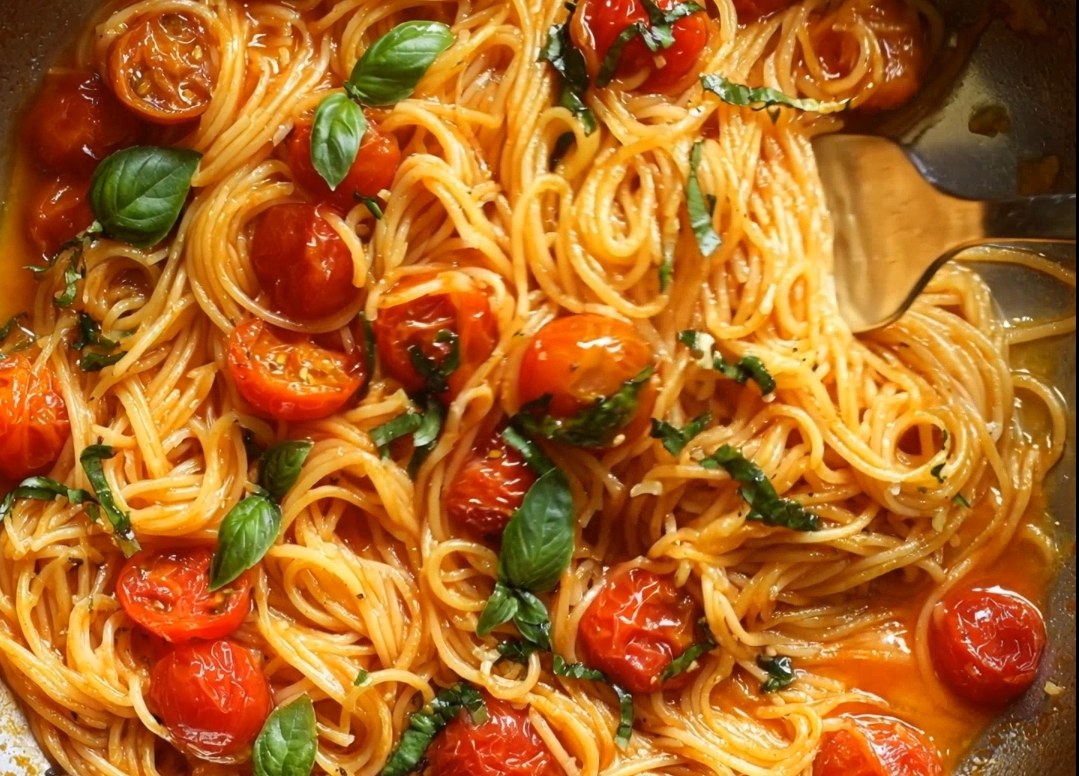
This Spaghetti al Pomodoro is a timeless expression of Italian simplicity—where a handful of humble ingredients come together to create something quietly extraordinary.
Ripe tomatoes, fragrant basil, golden olive oil, and perfectly cooked pasta form a sauce that is light yet deeply flavorful, relying on technique rather than excess.
It’s a dish that celebrates restraint and balance, reminding us that when ingredients are treated with care, simplicity becomes its own kind of luxury.
Why People Will Love This Recipe:
Pure Italian simplicity at its finest
This dish proves that a few high-quality ingredients, handled with care, can create extraordinary flavor without complexity.
Fresh, vibrant tomato flavor
The tomatoes remain bright and naturally sweet, forming a sauce that tastes clean, light, and deeply satisfying.
Perfect balance of richness and freshness
Olive oil adds silkiness, basil brings fragrance, and garlic offers gentle warmth—each element supporting the others without overpowering.
Silky, restaurant-quality texture
The combination of lightly blended tomatoes and starchy pasta water creates a glossy sauce that clings beautifully to the spaghetti.
Comforting yet never heavy
Unlike richer sauces, Spaghetti al Pomodoro feels nourishing and comforting while staying light and refreshing.
A celebration of technique over excess
This recipe rewards attention to detail—timing, heat, and texture—making it deeply satisfying to cook and eat.
Versatile and timeless
Perfect on its own, yet easily elevated with cheese or paired with simple sides, it fits any occasion.
A dish that honors tradition
Rooted in classic Italian cooking, it delivers authenticity and soul in every bite.
Universally loved
Familiar flavors, simple ingredients, and elegant execution make it appealing to both seasoned cooks and casual eaters alike.
Key Ingredients:
Ripe Tomatoes (Cherry or Whole Peeled)
The heart of the dish—naturally sweet, gently acidic, and full of freshness. When cooked briefly, they create a sauce that tastes clean, vibrant, and alive.
Extra Virgin Olive Oil
More than just fat, high-quality olive oil brings silkiness, aroma, and subtle bitterness that gives the sauce depth and elegance.
Fresh Basil
Torn by hand to release its oils, basil adds a fragrant, almost floral note that lifts the tomatoes and defines the soul of the dish.
Garlic
Used sparingly and gently cooked, garlic provides warmth and savory backbone without overpowering the freshness of the sauce.
Thick, Square-Cut Spaghetti (Spaghetti Quadrati)
This shape offers a satisfying bite and holds the sauce beautifully, allowing each strand to be fully coated.
Coarse Salt for Pasta Water
Properly salted water seasons the pasta from within, creating a foundation of flavor that makes the entire dish taste complete.
Starchy Pasta Water
A quiet but essential ingredient, it binds oil and tomatoes into a glossy, cohesive sauce that clings to the pasta.
Pecorino Romano (Optional)
Sharp, salty, and aged, Pecorino adds contrast and depth when used lightly, enhancing rather than masking the tomato flavor.
Expert Tips:
Start with tomatoes you’d eat raw
Flavor matters more than variety. If using cherry tomatoes, choose ripe, sweet ones; if canned, select high-quality whole peeled tomatoes packed in juice for purity and balance.
Control the garlic, don’t brown it
Add garlic to warm—not hot—olive oil and let it gently infuse. Browning garlic introduces bitterness that competes with the freshness of the tomatoes.
Cook tomatoes just until they surrender
You’re not making a long-simmered sauce. Stop cooking once the tomatoes release their juices and soften; this preserves brightness and natural sweetness.
Blend briefly, never fully smooth
A quick pulse creates body while keeping texture. Over-blending turns the sauce flat and lifeless.
Salt in layers, not all at once
Season tomatoes lightly during cooking, then fine-tune after combining with pasta. Pasta water and cheese add salt later.
Salt the pasta water generously
The water should taste like the sea. This is the only chance to season the pasta itself.
Undercook the pasta slightly
Finish cooking the spaghetti in the sauce so it absorbs flavor and reaches perfect al dente texture.
Use pasta water strategically
Add it a little at a time while tossing. The starch emulsifies oil and tomatoes into a glossy sauce that clings to every strand.
Finish with fresh basil off the heat
Adding basil at the end preserves its aroma and prevents bitterness.
Choose restraint with cheese
Pecorino Romano is optional—use sparingly so it enhances rather than masks the tomato flavor.
Serve immediately
Pomodoro waits for no one. The sauce is at its best when fresh, glossy, and just tossed.
Spaghetti al Pomodoro
Ingredients
Thick, square-cut spaghetti (spaghetti quadrati) – 300 g (10.5 oz)
Cherry tomatoes – 400 g
or whole peeled tomatoes, canned – 1 can (14 oz)
Fresh basil – 1 bunch
Garlic cloves – 2
Extra virgin olive oil – 3 tablespoons, plus extra for finishing
Salt and freshly ground black pepper – to taste
Coarse rock salt – 1 tablespoon (for pasta water)
Pecorino Romano cheese – optional, for serving
Instructions
Prepare the tomatoes
Remove the tomatoes from the vine and cut them in half. Set aside.
Start the sauce
Heat the extra virgin olive oil in a large skillet over medium heat.
Add the crushed garlic, making sure to include all the garlic from the press for maximum flavor.
Cook the tomatoes
Add the halved tomatoes to the pan and season generously with salt and pepper.
Cook over medium-low heat, stirring often, until the tomatoes begin to release their juices.
Infuse with basil
Tear the basil, including the stems, into large pieces and add them to the pan.
Stir to infuse the sauce with basil flavor.
Simmer and blend
Continue cooking for about 10 minutes, until the tomatoes are soft and juicy.
Remove the basil pieces, then transfer the tomato mixture to a blender.
Pulse briefly—just a few seconds—to lightly blend while keeping texture.
Cook the pasta
Bring a large pot of water (about 5 liters) to a rolling boil.
Add the rock salt, then twist and lower the spaghetti into the water, gently pressing it down if needed.
Boil until al dente
Cook the pasta for about 13 minutes, or according to the package instructions, until al dente.
Reheat the sauce
While the pasta cooks, return the blended sauce to the skillet and keep it warm over low heat.
Add fresh basil
Tear smaller pieces of fresh basil leaves into the sauce and stir gently to enhance the aroma.
Reserve pasta water
When the pasta is nearly done, scoop out a mug of the starchy cooking water and set it aside.
Combine pasta and sauce
Transfer the pasta directly into the sauce using tongs.
It’s fine if a little pasta water comes along.
Toss well so the sauce coats the spaghetti evenly.
Adjust consistency
Add a small splash of the reserved pasta water as needed, tossing the pasta until the sauce becomes silky and glossy.
Finish and serve
Drizzle with extra virgin olive oil and add more fresh basil.
Finish with grated Pecorino Romano if desired, toss once more, and serve immediately.
Important Notes When Making Spaghetti al Pomodoro:
This dish depends entirely on ingredient quality
With so few components, there’s nowhere to hide. The better the tomatoes, olive oil, and basil, the better the final result.
Pomodoro is not a long-cooked sauce
Overcooking dulls the tomatoes and destroys freshness. This recipe is about brightness, not depth from time.
Texture matters as much as flavor
The sauce should be fluid, glossy, and lightly textured—not thick or watery. Proper use of pasta water is key.
Heat control is essential
Gentle heat preserves sweetness and prevents garlic from turning bitter or tomatoes from scorching.
Basil is delicate
Adding it too early or cooking it too long can mute its fragrance. It’s meant to perfume, not dominate.
Salt must be layered thoughtfully
Between pasta water, sauce seasoning, and optional cheese, salt should be adjusted gradually.
Pasta shape influences experience
Thicker or square-cut spaghetti holds sauce better and gives a more satisfying bite than thinner strands.
Timing is unforgiving
Pomodoro should be served immediately. Waiting causes the sauce to lose its gloss and the pasta to absorb too much liquid.
Cheese is optional by tradition
In classic Italian cooking, cheese isn’t always added. Use it as an accent, not a requirement.
Simplicity is the point
Resist the urge to add extras. The beauty of this dish lies in restraint and balance.
How to Enjoy Spaghetti al Pomodoro After Cooking
Serve immediately, without delay
This dish is at its peak the moment it’s finished. The sauce is glossy, the pasta perfectly coated, and the flavors are at their most vibrant.
Plate with intention
Use tongs to twirl the spaghetti into neat portions, allowing the sauce to cling evenly to each strand rather than pooling at the bottom.
Finish lightly, not heavily
Add a final drizzle of high-quality extra virgin olive oil for aroma and richness, and scatter a few fresh basil leaves for fragrance.
Use cheese sparingly
If adding Pecorino Romano, grate it finely and apply with restraint so it enhances the tomatoes without masking their freshness.
Taste before adjusting
Take a bite before adding extra salt or cheese. The pasta water and sauce should already be well balanced.
Pair with simplicity
Serve alongside crusty bread, a light green salad, or roasted vegetables—nothing that competes with the delicacy of the sauce.
Enjoy warm, not piping hot
Slight cooling allows the tomato sweetness and basil aroma to shine more clearly.
Savor slowly
This is a dish meant to be appreciated bite by bite—notice the silkiness of the sauce, the brightness of the tomatoes, and the gentle warmth of garlic.
Avoid reheating when possible
Pomodoro loses its charm when reheated. If needed, warm gently with a splash of water or olive oil, but know it’s best fresh.
Let the simplicity speak
Resist adding extra toppings or proteins. The beauty of Spaghetti al Pomodoro lies in its purity and balance.
Nutrition Information:
(Approximate values per 1 serving, assuming the recipe serves 4.)
Calories: 420 kcal | Total Fat: 14.6 g | Saturated Fat: 2.3 g | Monounsaturated Fat: 9.1 g | Polyunsaturated Fat: 2.1 g | Cholesterol: 0 mg | Sodium: 420–580 mg (depending on pasta water salting and added cheese) | Total Carbohydrates: 62.4 g | Dietary Fiber: 5.8 g | Sugars: 8.6 g | Protein: 12.7 g
Frequently Asked Questions:
Should I use fresh tomatoes or canned tomatoes?
Both work well. Fresh cherry tomatoes give a brighter, fresher flavor when in season, while high-quality canned whole peeled tomatoes provide consistency and depth year-round.
Do I really need to blend the sauce?
Blending briefly helps create body and a smoother texture, but it’s optional. Crushing the tomatoes with a spoon will still produce a rustic, delicious sauce.
Why is pasta water so important in this recipe?
Starchy pasta water emulsifies the olive oil and tomatoes, creating a silky sauce that coats the pasta evenly instead of separating.
Is cheese traditional in Spaghetti al Pomodoro?
Cheese is optional. Many Italian cooks enjoy pomodoro without cheese to highlight tomato flavor, but a light sprinkle of Pecorino Romano is perfectly acceptable.
Can I make this dish ahead of time?
Spaghetti al Pomodoro is best eaten immediately. If needed, the sauce can be made ahead and gently reheated, but the pasta should always be cooked fresh.
How salty should the pasta water be?
The pasta water should taste like the sea. This is essential because it’s the only chance to season the pasta itself and it directly affects the final flavor of the dish.
Can I cook the garlic until golden?
No. Garlic should soften gently in the olive oil, not brown. Browning introduces bitterness that overwhelms the delicate tomato and basil flavors.
When should I add the basil for best aroma?
Add basil in two stages—stems early to infuse flavor, and fresh leaves at the end to preserve their fragrance and brightness.
Should the sauce be thick or loose before adding pasta?
It should be loose and slightly watery. The sauce thickens naturally when emulsified with pasta water and pasta during tossing.
How do I know when the pasta is truly al dente?
The pasta should be tender but still firm at the center when bitten. Finishing it in the sauce ensures perfect texture and flavor absorption.