Langostino Étouffée
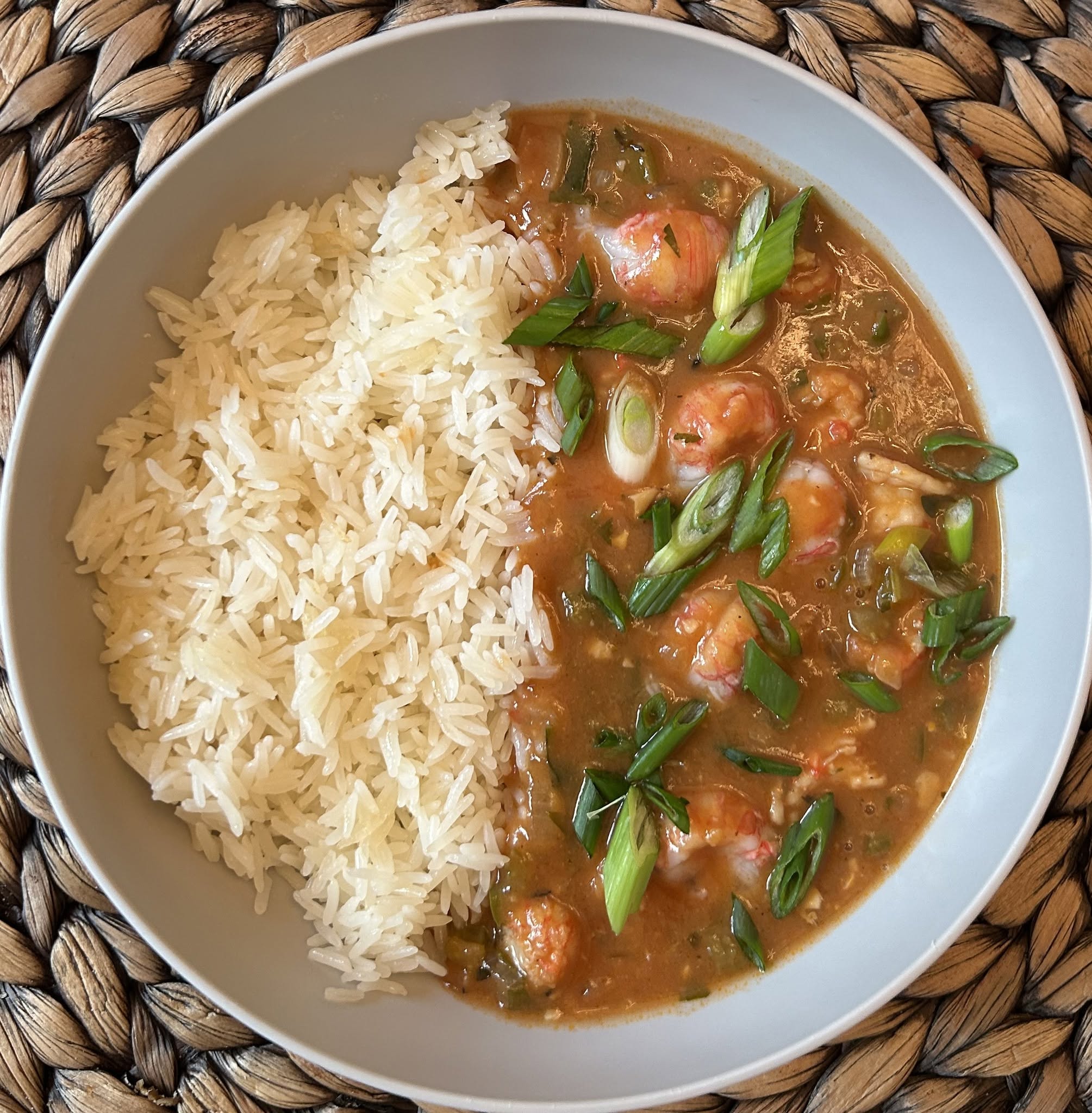
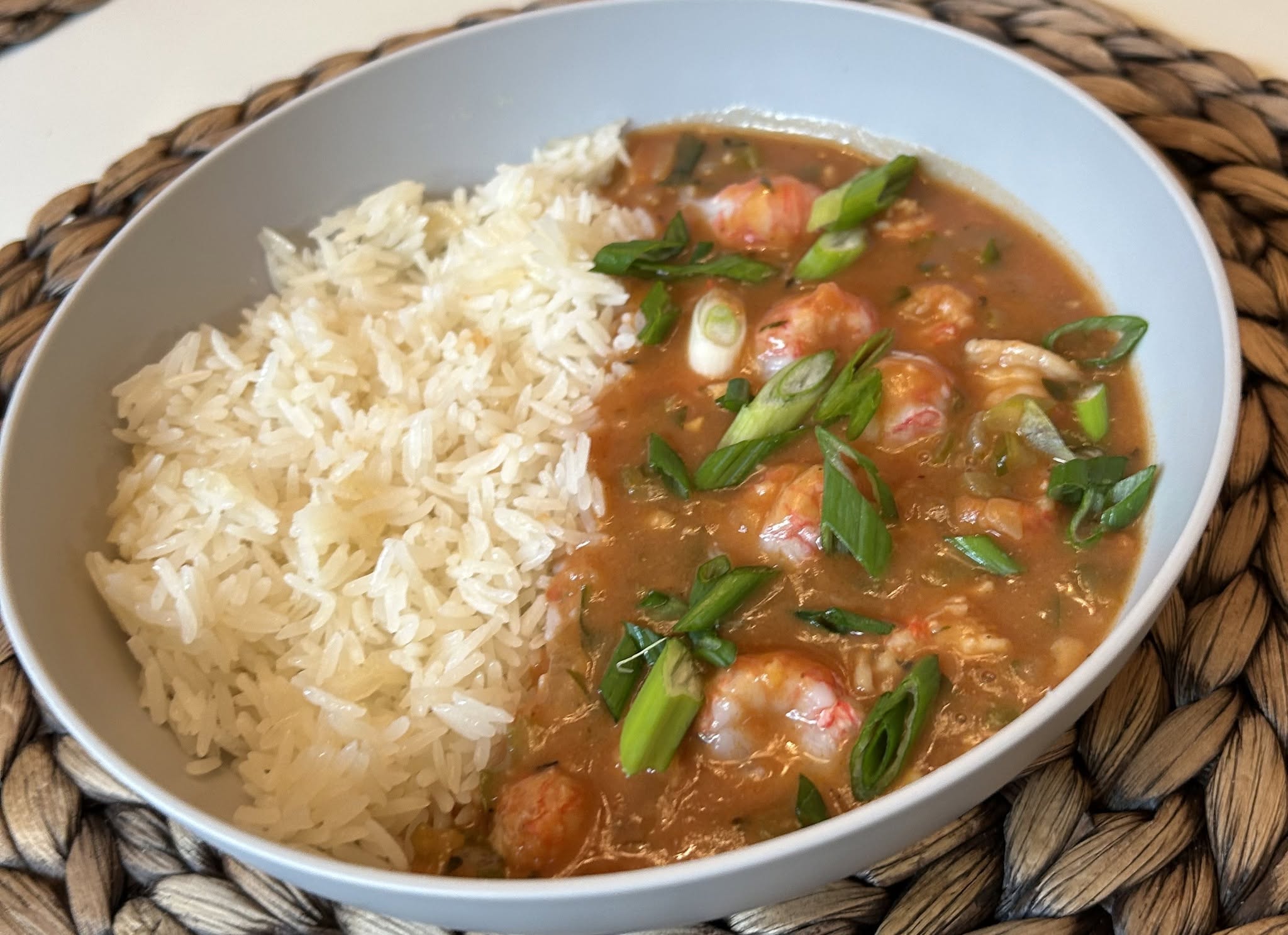
Langostino Étouffée is a rich, deeply savory Louisiana-inspired seafood dish featuring tender langostino tails folded into a velvety roux-based sauce with onion, celery, green bell pepper, garlic, seafood stock, herbs, and gentle Cajun-style heat.
The heart of the recipe is the light-brown roux, which gives the sauce its signature body and toasted depth. Tomatoes and optional white wine add acidity and complexity, while homemade shrimp stock intensifies the seafood flavor without overwhelming the delicate langostinos.
Finished with lemon, scallions, and fresh parsley, this étouffée is comforting and luxurious but still bright enough to enjoy spooned generously over warm white rice.
Why People Will Love Langostino Étouffée Recipe
The roux creates a thick, silky sauce with deep toasted flavor.
Langostino tails are naturally sweet, tender, and delicate.
Homemade shrimp stock gives the dish exceptional seafood depth.
Onion, celery, and green bell pepper create the classic aromatic foundation.
Garlic adds savory warmth throughout the sauce.
Cayenne and red pepper provide gentle heat without overpowering the seafood.
Thyme gives the sauce an earthy, aromatic note.
Tomatoes add acidity and help balance the richness of the roux.
Dry white wine contributes brightness and extra complexity.
Lemon juice freshens the finished dish.
Scallions and parsley add color and a clean herbal finish.
The thick sauce is perfect for spooning over fluffy rice.
The spice level is easy to adjust.
It feels restaurant-worthy while still being achievable at home.
Key Ingredients
Langostino Tails:
Langostinos have a mildly sweet, delicate seafood flavor and tender texture. They require very little cooking, which makes them ideal for adding near the end.
Butter and Flour:
These ingredients form the roux, the structural foundation of the étouffée. Slowly cooking the roux develops nuttiness and gives the finished sauce its characteristic thickness.
Onion, Celery, and Green Bell Pepper:
This combination is often called the “holy trinity” in Louisiana cooking. It creates sweetness, freshness, and savory depth.
Garlic:
Garlic strengthens the aromatic base and adds warmth to the seafood sauce.
Shrimp or Seafood Stock:
A flavorful seafood stock gives the étouffée much greater depth than water alone.
Diced Tomatoes:
Tomatoes are optional, but they add gentle acidity, color, and a little sweetness that balances the rich roux.
Dry White Wine:
Wine adds acidity and subtle fruitiness while helping create a more layered sauce.
Cayenne and Crushed Red Pepper:
These provide controlled heat and can easily be increased or reduced.
Thyme and Bay Leaves:
These herbs slowly infuse the sauce with earthy, savory aroma.
Lemon Juice:
Fresh lemon juice is especially important at the end because it cuts through the richness and highlights the seafood.
Scallions and Parsley:
These fresh herbs brighten the finished étouffée and provide contrast to the deeply cooked sauce.
Expert Tips
Use a heavy-bottomed pot to help the roux cook evenly.
Whisk frequently while making the roux so the flour does not scorch.
Aim for a light brown or peanut-butter-colored roux for balanced richness.
If the roux smells burnt, it is better to restart than continue with it.
Dice the onion, celery, and bell pepper fairly evenly so they soften at the same rate.
Add the vegetables carefully because the roux will be very hot.
Pour the stock in gradually while stirring to prevent lumps.
Use homemade shrimp stock whenever possible for a more intense seafood flavor.
Keep the sauce at a gentle simmer rather than a hard boil.
Scrape the bottom of the pot regularly as the sauce thickens.
Add langostinos only near the end because they are already tender and can overcook quickly.
Taste before adding extra salt because seafood stock can already contain significant sodium.
Add lemon juice after most of the cooking is finished for a fresher flavor.
Cook the rice separately so the étouffée remains thick and saucy.
Let the finished sauce rest briefly before serving so the flavors settle.
Langostino Étouffée
Ingredients
For the Langostino Étouffée
4 tablespoons unsalted butter or neutral cooking oil
6 tablespoons all-purpose flour
5 garlic cloves, finely minced
1½ cups yellow onion, finely diced
1 cup celery, diced
1 cup green bell pepper, diced
2 teaspoons kosher salt, or adjust to taste
¼ teaspoon freshly ground black pepper
¼ teaspoon cayenne pepper
1 small pinch crushed red pepper flakes
1 teaspoon dried thyme, or 2 sprigs fresh thyme
3 cups shrimp stock or seafood stock, homemade or store-bought
1 cup diced tomatoes, optional but recommended
½ cup dry white wine, optional but recommended
2 bay leaves
2 pounds langostino tails
Juice of ½ fresh lemon
¼ cup chopped scallions
¼ cup chopped fresh flat-leaf parsley
Cooked white rice, for serving
For the Homemade Shrimp Stock
1 tablespoon olive oil
2 pounds shrimp shells
1 medium onion, roughly chopped
4 celery stalks, roughly chopped
1 carrot, roughly chopped
2 bay leaves
4 garlic cloves
1 tablespoon whole black peppercorns
6 cups water
Instructions
Prepare the Roux:
Melt the butter in a large Dutch oven or heavy-bottomed pot over medium to medium-high heat. If preferred, use cooking oil instead of butter.
Sprinkle in the flour and whisk continuously until completely combined.
Continue cooking the roux for about 10–12 minutes, whisking frequently, until it develops a light brown, peanut butter-like color.
Cook the Vegetables:
Reduce the heat to medium.
Add the minced garlic, diced onion, celery, green bell pepper, kosher salt, black pepper, cayenne, crushed red pepper, and thyme.
Cook for about 10–12 minutes, stirring frequently, until the vegetables begin to soften and become fragrant.
Build the Étouffée Sauce:
Slowly pour in the shrimp or seafood stock while stirring to blend it smoothly with the roux.
Add the diced tomatoes, dry white wine if using, and bay leaves.
Stir well and bring the mixture to a gentle simmer.
Simmer the Sauce:
Cook for another 15–20 minutes, stirring occasionally, until the sauce thickens and the flavors become well developed.
Be sure to scrape along the bottom of the pot while stirring so the roux does not stick or scorch.
Add the Langostinos:
Stir the langostinos into the sauce along with the fresh lemon juice, chopped scallions, and parsley.
Let everything simmer gently for about 5 minutes, just until the langostinos are heated through and coated in the flavorful sauce.
Finish and Serve:
Remove the pot from the heat and discard the bay leaves.
Taste and adjust the salt, black pepper, or cayenne if needed.
Spoon the hot Langostino Étouffée over freshly cooked white rice and garnish with additional scallions or parsley if desired.
Homemade Shrimp Stock Instructions
Sauté the Shrimp Shells:
Heat the olive oil in a large stockpot over medium heat.
Add the shrimp shells and cook for about 5 minutes, stirring occasionally, until they become fragrant and lightly toasted.
Add the Aromatics:
Add the onion, celery, carrot, bay leaves, garlic, and black peppercorns.
Cook for another 4–5 minutes, stirring occasionally, to allow the vegetables and shells to develop more flavor.
Add the Water:
Pour in the water and stir everything together.
Bring the mixture to a gentle simmer and cook for approximately 30 minutes.
Strain the Stock:
Remove the pot from the heat and strain the stock through a fine-mesh sieve, discarding the shells and vegetables.
Allow the stock to cool before using or storing.
Use the amount needed for the étouffée and freeze any remaining shrimp stock in an airtight container for up to 3 months.
Important Notes When Making Langostino Étouffée
Langostinos are delicate and should not simmer for a long time.
Overcooking them can make their texture firm and less succulent.
The roux determines much of the final flavor, so do not rush it.
Butter produces a richer roux, while neutral oil creates a slightly lighter result.
Tomatoes and wine are optional but add useful acidity and complexity.
If using wine, allow it to simmer with the sauce so its flavor integrates.
The sauce thickens as it cooks and continues thickening as it cools.
If the étouffée becomes too thick, stir in additional seafood stock.
If it is too thin, simmer uncovered for several extra minutes before adding the langostinos.
Bay leaves should be removed before serving.
The cayenne can be adjusted according to your preferred heat level.
Homemade shrimp stock freezes very well for future seafood dishes.
White rice should be stored separately from leftover étouffée whenever possible.
Reheat leftovers gently to avoid overcooking the langostinos.
How to Enjoy Langostino Étouffée After Cooking
Once the langostinos are heated through and the sauce is thick, glossy, and aromatic, remove the pot from the heat and discard the bay leaves.
Allow the étouffée to rest for about 3–5 minutes. This gives the roux-based sauce time to settle and coat the seafood more evenly.
Spoon freshly cooked white rice into the center of each bowl or plate, then ladle the hot Langostino Étouffée generously around or over the rice.
Finish each serving with chopped scallions, fresh parsley, and an extra squeeze of lemon if desired.
For additional heat, offer cayenne pepper, hot sauce, or crushed red pepper at the table rather than making the whole pot excessively spicy.
This dish pairs especially well with crusty French bread, cornbread, a simple green salad, roasted okra, green beans, or lightly sautéed vegetables.
For the best bite, combine a spoonful of rice with langostino, vegetables, and plenty of thick sauce. The ideal balance should be savory, buttery, slightly spicy, gently tangy, and full of seafood flavor.
If you have leftovers, refrigerate the étouffée separately from the rice. Reheat gently over medium-low heat and add a splash of seafood stock if the sauce becomes too thick.
Nutrition Information
Approximate nutrition per serving, based on about 6 servings and excluding cooked white rice:
Calories: 350 kcal | Total Fat: 15 g | Saturated Fat: 6 g | Monounsaturated Fat: 6 g | Polyunsaturated Fat: 2 g | Cholesterol: 175 mg | Sodium: 850–1,150 mg depending on seafood stock and added salt | Total Carbohydrates: 18 g | Dietary Fiber: 3 g | Sugars: 5 g | Protein: 34 g
Additional estimate:
Calcium: 120–180 mg | Potassium: 600–800 mg | Iron: 3–4 mg | Vitamin A: 900–1,400 IU | Vitamin C: 25–40 mg
Note: Nutrition will vary depending on the type of stock, whether butter or oil is used, whether tomatoes and wine are included, the size and brand of the langostinos, and the amount of rice served.
Frequently Asked Questions
What does Langostino Étouffée taste like?
It tastes rich, savory, buttery, slightly spicy, and deeply seafood-forward, with bright lemon and fresh herbs balancing the roux-based sauce.
What are langostinos?
Langostinos are small crustaceans with sweet, tender meat. Their flavor and texture fall somewhere between lobster and shrimp, although they are biologically different from true lobsters.
What should I serve with Langostino Étouffée?
Steamed white rice is the classic choice, but crusty bread, cornbread, green beans, salad, or roasted vegetables are also excellent.
Is Langostino Étouffée very spicy?
This version has mild to moderate heat from cayenne and crushed red pepper. You can easily reduce or increase those ingredients.
Can Langostino Étouffée be made ahead?
The sauce can be prepared ahead, but for the best texture, add the langostinos when reheating shortly before serving.
How do I know when the roux is ready?
It should become smooth and light brown, similar to peanut butter, with a toasted, nutty aroma but no burnt smell.
Why did my étouffée sauce become lumpy?
The stock may have been added too quickly. Pour it in gradually while whisking or stirring continuously so it blends smoothly with the roux.
What should I do if the sauce becomes too thick?
Add shrimp stock or seafood stock a little at a time until the sauce becomes thick but easily spoonable.
Can I use shrimp instead of langostinos?
Yes. Peeled and deveined shrimp are an excellent substitute. Add them near the end and cook only until opaque and just cooked through.
Can I make the shrimp stock in advance?
Yes. Prepare it ahead, cool it completely, and refrigerate it for a few days or freeze it for up to about 3 months.