Borscht Recipe (Beet Soup)
Borscht is more than just a soup—it’s a reflection of tradition, resilience, and deep-rooted comfort. With its signature ruby-red color and earthy sweetness from beets, it carries a flavor that is both bold and nourishing.
Each ingredient, from tender vegetables to fragrant herbs, contributes to a broth that feels layered, vibrant, and alive.
What makes borscht truly special is its balance. The natural sweetness of beets is lifted by a gentle acidity, while the vegetables create a hearty yet refreshing body. It’s a dish that evolves as it sits, becoming richer and more harmonious over time—offering not just warmth, but a sense of history and home in every bowl.
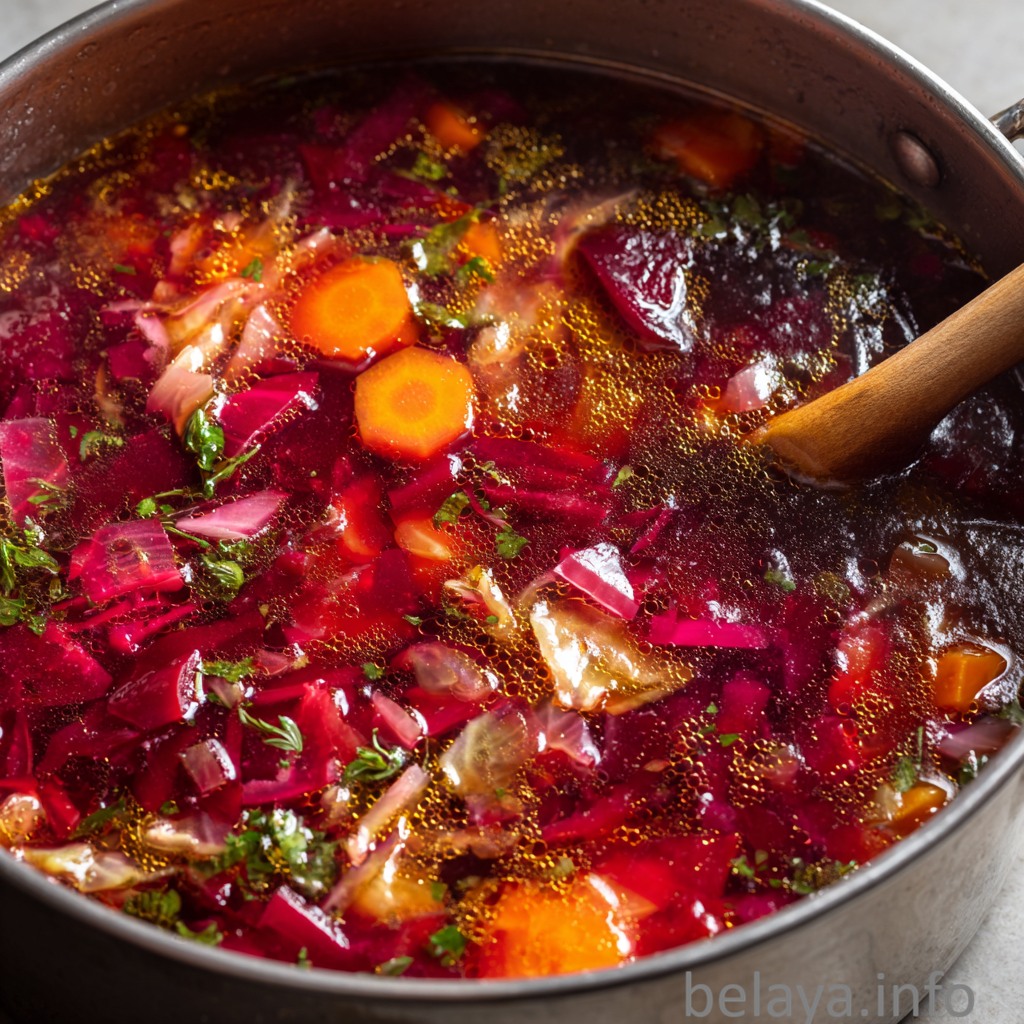
Why People Will Love Borscht Recipe (Beet Soup) Recipe:
Deep, earthy sweetness – The beets bring a natural, rich sweetness that feels both grounding and unique, setting this soup apart from more common broths
Perfect balance of flavors – Sweet, tangy, and savory elements come together harmoniously, creating a complex yet approachable taste
Vibrant and visually stunning – The deep ruby color makes it as beautiful as it is delicious, turning a simple soup into something memorable
Hearty yet refreshing – Despite being filling with vegetables and beans, the acidity keeps it light and clean on the palate
Nutrient-rich and nourishing – Packed with vegetables, fiber, and antioxidants, it feels wholesome and satisfying without being heavy
Cultural and traditional depth – Borscht carries a sense of history and heritage, making it more meaningful than just an everyday meal
Evolves over time – The flavors deepen and become even more balanced after resting, making leftovers especially enjoyable
Layered texture experience – Tender potatoes, soft beets, and slightly firm vegetables create a satisfying and varied mouthfeel
Versatile serving options – Can be enjoyed hot for comfort or chilled for a refreshing variation, adapting to different seasons
Customizable to taste – Easy to adjust acidity, sweetness, or richness to suit personal preferences while maintaining its signature character
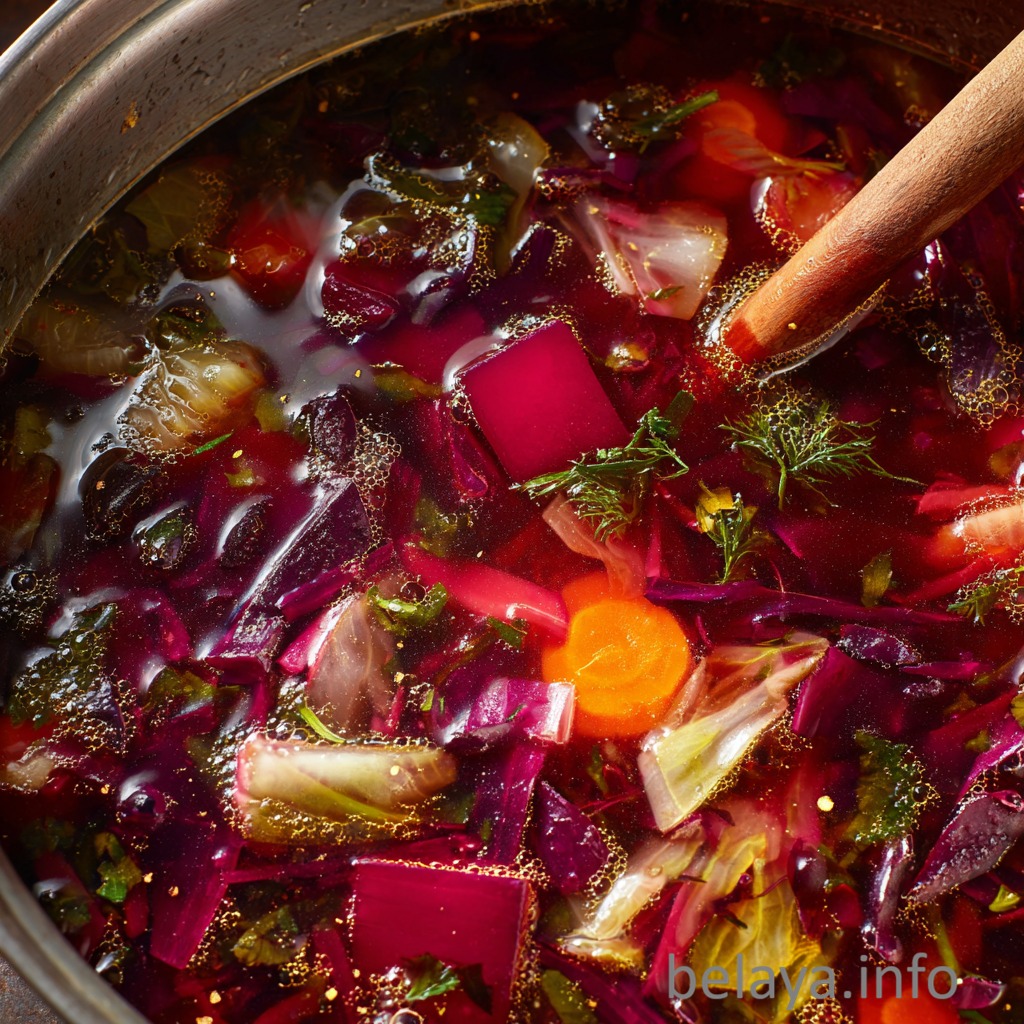
Key Ingredients:
Beets – The soul of the dish. They bring a deep earthy sweetness and vibrant color, creating the signature identity of borscht while adding natural richness and body
Chicken Broth – Provides a savory backbone that balances the sweetness of the beets, giving the soup depth and a well-rounded flavor
Yukon Potatoes – Add heartiness and a soft, creamy texture. As they cook, they absorb the broth and help make the soup more filling and satisfying
Carrots – Contribute a subtle sweetness and gentle texture, enhancing the overall balance without overpowering the beets
Zazharka (Onion, Celery, Bell Pepper) – This sautéed mixture builds aromatic depth. It layers sweetness and savory notes into the soup, making the flavor more complex and developed
Tomato Element (Ketchup or Tomato Sauce) – Adds a slight tang and umami, helping to round out the sweetness of the beets and deepen the broth’s flavor
White Beans – Provide extra body and protein while adding a creamy, soft bite that complements the vegetables
Vinegar – A crucial balancing ingredient. It brightens the soup and cuts through the natural sweetness, giving borscht its characteristic tang
Garlic – Adds warmth and aromatic depth, enhancing the savory profile without overwhelming the delicate balance
Dill – Brings a fresh, herbaceous finish that lifts the entire dish and adds a signature Eastern European flavor
Bay Leaves – Infuse a subtle, earthy aroma during simmering, contributing to the soup’s layered complexity
Olive Oil – Used for sautéing, it helps develop the base flavors and adds a smooth, rounded richness to the overall dish
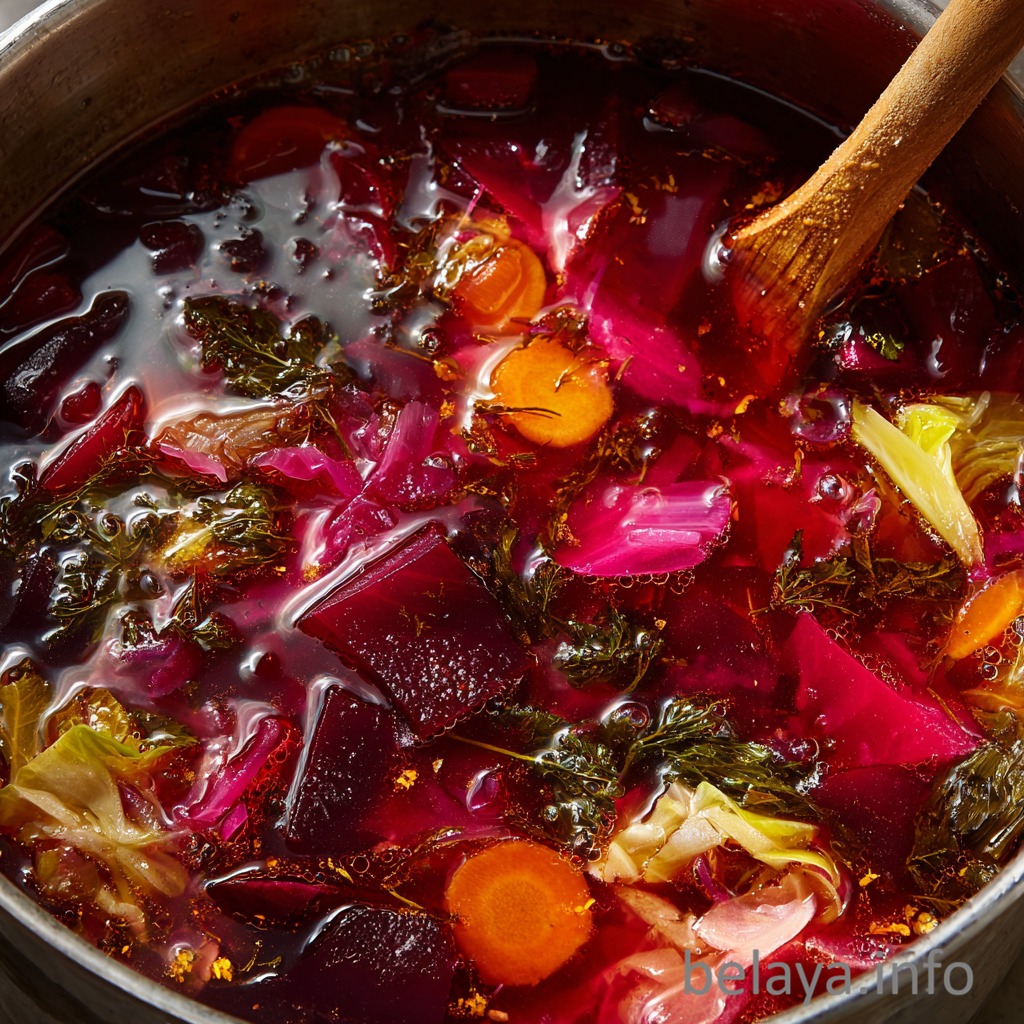
Expert Tips
Sauté the beets properly for depth – Cooking the beets in oil before adding liquid helps concentrate their sweetness and prevents the flavor from tasting raw or flat
Control the color carefully – Add vinegar toward the end of cooking to preserve that vibrant red color. Too early, and the color can dull during long simmering
Build layers with the zazharka – Take time to cook the onion, celery, and bell pepper until lightly golden. This step adds a subtle sweetness and complexity that defines authentic borscht
Balance sweetness and acidity gradually – Beets are naturally sweet, so add vinegar in small amounts and taste as you go until you reach a balanced tang
Cut vegetables evenly – Uniform sizes ensure even cooking, so the potatoes, carrots, and beets all reach the perfect tenderness at the same time
Don’t overcook the potatoes – They should be tender but still hold their shape. Overcooked potatoes can break apart and cloud the soup
Let the soup rest before serving – Borscht benefits from sitting for at least 15–20 minutes after cooking. The flavors settle and become more harmonious
Use fresh dill at the end – Adding dill just before serving preserves its bright, herbal aroma and prevents it from becoming dull during cooking
Adjust seasoning at the finish – Because flavors evolve as the soup simmers, final salt and acidity adjustments should always be done right before serving
Enhance texture with partial mashing (optional) – Lightly mash a small portion of the potatoes or beans if you want a slightly thicker, more cohesive broth
Avoid over-stirring – Gentle stirring maintains the structure of the vegetables and keeps the soup visually appealing
Use high-quality broth – Since the broth carries the entire dish, a flavorful base will significantly elevate the final result
Reheat gently to preserve quality – When warming leftovers, use low heat to maintain the soup’s clarity, texture, and fresh flavors
Borscht Recipe (Beet Soup)
Ingredients:
For Borscht:
3 medium beets, peeled and grated
4 Tbsp olive oil, divided
8 cups chicken broth , + 2 cups water
3 medium yukon potatoes, peeled and sliced into bite-sized pieces
2 carrots, peeled and thinly sliced
For Zazharka (Mirepoix):
2 celery ribs, trimmed and finely chopped
1 small red bell pepper, finely chopped, optional
1 medium onion, finely chopped
4 Tbsp ketchup or 3 Tbsp tomato sauce
Additional Flavorings:
1 can white cannelini beans with their juice
2 bay leaves
2-3 Tbsp white vinegar, or to taste
1 tsp sea salt, or to taste
1/4 tsp black pepper, freshly ground
1 large garlic clove, pressed
3 Tbsp chopped dill
Instructions:
Peel, grate and/or slice all vegetables (keeping sliced potatoes in cold water to prevent browning until ready to use then drain).
Heat a large soup pot (5 1/2 Qt or larger) over medium/high heat and add 2 Tbsp olive oil. Add grated beets and sauté 10 minutes, stirring occasionally until beets are softened.
Add 8 cups broth and 2 cups water. Add sliced potatoes and sliced carrots then cook for 10-15 minutes or until easily pierced with a fork.
While potatoes are cooking, place a large skillet over medium/high heat and add 2 Tbsp oil. Add chopped onion, celery and bell pepper.
Saute stirring occasionally until softened and lightly golden (7-8 minutes).
Add 4 Tbsp Ketchup and stir fry 30 seconds then transfer to the soup pot to continue cooking with the potatoes.
When potatoes and carrots reach desired softness, add 1 can of beans with their juice, 2 bay leaves, 2-3 Tbsp white vinegar, 1 tsp salt, 1/4 tsp black pepper, 1 pressed garlic clove, and 3 Tbsp chopped dill.
Simmer for an additional 2-3 minutes and add more salt and vinegar to taste.
Important Notes When Making Borscht Recipe (Beet Soup)
This is a balance-driven soup – Borscht depends on harmony between sweetness (beets, carrots), acidity (vinegar, tomatoes), and savory depth (broth, aromatics). If one element dominates, the dish loses its signature character
Beets define both flavor and identity – Their earthy sweetness and color are central. How they are cooked—especially sautéing first—directly impacts the final taste and appearance
Acidity is essential, not optional – Vinegar isn’t just an addition; it’s what brightens the soup and keeps it from tasting heavy or overly sweet
The zazharka builds complexity – Properly sautéed onions, celery, and peppers create a layered flavor base. Skipping or rushing this step results in a flatter soup
Texture should remain structured – Vegetables should be tender but still distinct. Overcooking can lead to a mushy, less appealing consistency
Color preservation requires care – Adding acidic elements at the right time helps maintain the vibrant red hue, which is part of the dish’s appeal
Flavor improves with time – Borscht often tastes better after resting or the next day, as the ingredients meld into a more cohesive and deeper flavor
Ingredient quality is noticeable – With a simple vegetable-forward recipe, the freshness and quality of produce and broth significantly affect the outcome
Herbs should stay fresh, not overcooked – Dill is best added at the end to preserve its bright, aromatic qualities
Consistency can vary slightly – Some prefer a more brothy version, others slightly thicker. The key is maintaining a smooth, balanced body rather than extremes
Seasoning evolves as it cooks – As the soup reduces and ingredients release their flavors, salt and acidity should always be adjusted at the end
Respect the process – Borscht is not complicated, but it rewards patience and attention. Taking time with each step is what transforms it into something deeply flavorful and memorable
How to Enjoy Borscht Recipe (Beet Soup) After Cooking
Let the borscht rest before serving – Allow it to sit for 15–20 minutes after cooking. This helps the flavors settle and meld into a more balanced, harmonious broth
Choose the right serving temperature – Borscht can be enjoyed hot or slightly warm for comfort, or even chilled for a refreshing variation. Each temperature brings out different flavor notes
Serve with a thoughtful base – Ladle the soup into bowls ensuring a good mix of broth, beets, potatoes, and vegetables so every bite feels complete
Add a finishing touch – A dollop of sour cream is classic, adding creaminess and a slight tang that balances the earthy sweetness of the beets
Enhance with fresh herbs – Sprinkle extra chopped dill just before serving to brighten the dish and add a fresh, aromatic lift
Adjust flavor at the table – Taste and, if needed, add a touch more vinegar or salt to fine-tune the balance to your preference
Pair with the right sides – Serve alongside crusty bread or rye bread to soak up the broth and complement the flavors
Enjoy the layers of texture – Notice the contrast between tender vegetables, soft beans, and the smooth, flavorful broth—this balance defines the experience
Savor it slowly – Borscht is meant to be appreciated. Take time to enjoy the depth, color, and evolving flavors in each spoonful
Store leftovers properly – Let the soup cool completely before refrigerating in an airtight container. The flavor will deepen over time
Reheat gently for best results – Warm over low heat, stirring occasionally. Avoid boiling to preserve the texture and color
Refresh before serving again – Add a bit of fresh dill or a small splash of vinegar when reheating to revive brightness
Make it a shared experience – Serve family-style and let everyone customize their bowl with sour cream or herbs, making the meal more interactive and enjoyable
Nutrition Information:
Calories: 220 kcal | Total Fat: 10g | Saturated Fat: 1.5g | Trans Fat: 0g | Cholesterol: 5mg | Sodium: 950mg | Total Carbohydrates: 28g | Dietary Fiber: 6g | Sugars: 8g | Protein: 6g | Vitamin D: 0mcg | Calcium: 70mg | Iron: 2.5mg | Potassium: 750mg
Frequently Asked Questions:
Is Borscht a healthy soup?
Yes, Borscht is a healthy soup packed with beets, vegetables, and beans, offering a good balance of vitamins, fiber, and antioxidants.
Can I use canned beets instead of fresh ones?
While fresh beets are preferred for flavor, you can use canned beets as a time-saving alternative. Adjust the cooking time accordingly.
Is Borscht suitable for vegetarians?
This specific recipe includes chicken broth, but you can easily substitute it with vegetable broth to make a vegetarian version.
Can I prepare Borscht in advance and freeze it?
Yes, Borscht freezes well. Allow it to cool completely before transferring to airtight containers. Reheat on the stove when ready to serve.
Are there any alternatives for ketchup or tomato sauce in the Zazharka?
Yes, you can use tomato paste or even fresh tomatoes as alternatives for ketchup or tomato sauce.
Can I omit the beans if I don’t like them?
Absolutely. The beans add texture and protein, but you can omit them if you prefer a bean-free version.
How can I adjust the soup’s thickness?
To adjust thickness, add more water or broth for a lighter consistency, or simmer longer to concentrate flavors and thicken the soup.
Can I use different types of potatoes?
Yes, feel free to use other potato varieties.
Yukon potatoes are chosen for their creamy texture, but red or russet potatoes work well too.
What can I serve with Borscht for a complete meal?
Borscht pairs well with a dollop of sour cream and a slice of crusty bread.
It can be a standalone meal or served as a starter.
How long does Borscht last in the refrigerator?
Borscht can be refrigerated for 3-4 days.
Reheat gently on the stove, adding a bit of water or broth if needed to adjust the consistency.