Aunt Betty’s Homestyle German Rocks
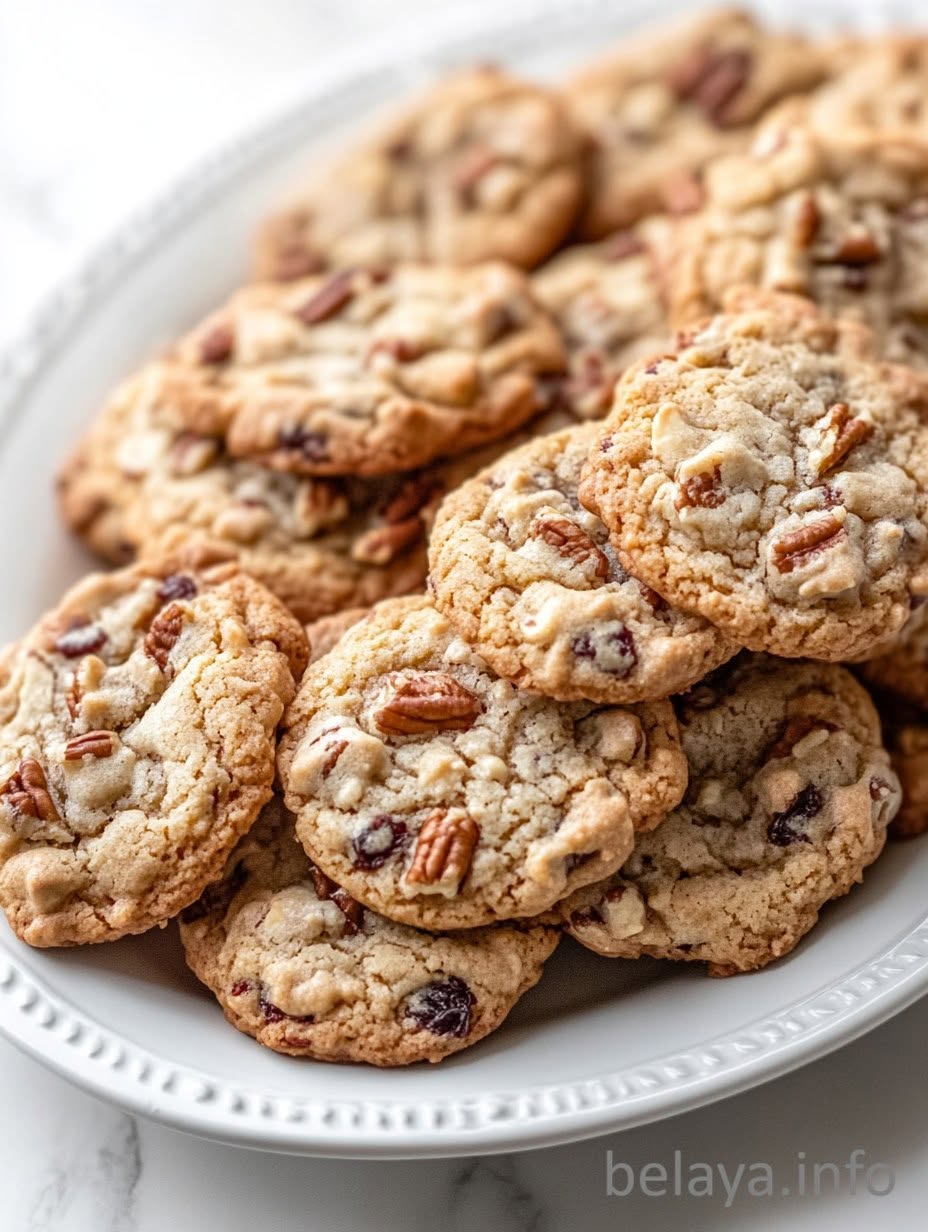
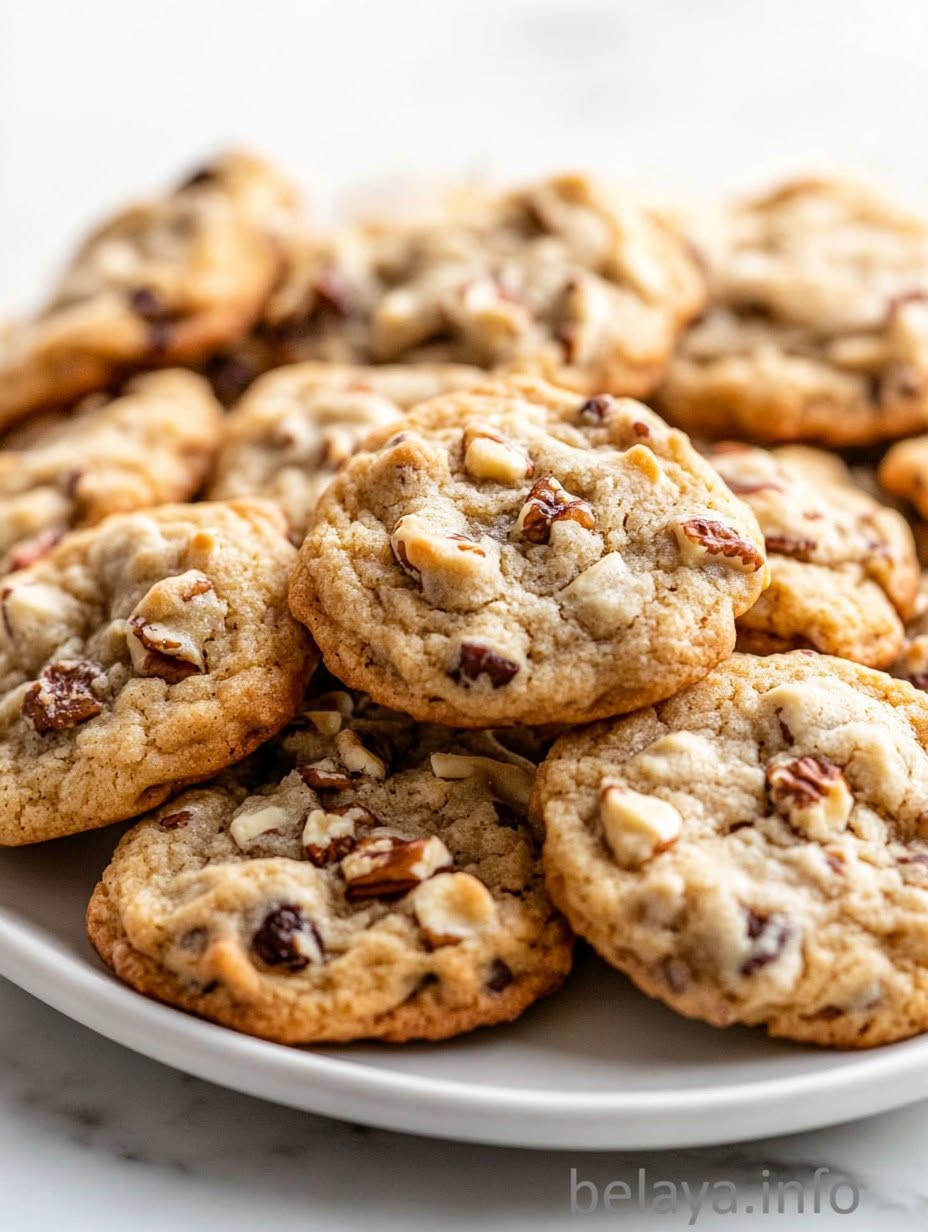
Aunt Betty’s Classic German Rocks are a humble, old-world cookie that carries the warmth of tradition in every bite.
Made with simple pantry ingredients and enriched with butter and walnuts, these cookies reflect a time when baking was about care, patience, and familiar flavors rather than decoration.
Tender yet sturdy, lightly sweet and comforting, they are the kind of cookie meant to be shared—passed down through generations and enjoyed slowly with a cup of coffee or tea.
Why People Will Love Aunt Betty’s Homestyle German Rocks Recipe
Old-fashioned comfort: These cookies capture the warmth and simplicity of traditional home baking, evoking nostalgia with every bite.
Simple ingredients, honest flavor: Butter, sugar, and walnuts come together without excess sweetness or decoration, letting real flavors shine.
Perfect balance of texture: Tender inside with a lightly crisp exterior and gentle crunch from the walnuts.
Not overly sweet: Mild sweetness makes them ideal for pairing with coffee, tea, or milk.
Timeless and versatile: Suitable for holidays, everyday treats, or gifting without feeling trendy or fussy.
Easy to make, hard to resist: Straightforward steps make the recipe approachable, yet the result feels special and comforting.
A recipe with history: Passed-down flavors give the cookies a sense of heritage that resonates beyond taste alone.
Key Ingredients:
Unsalted butter: The foundation of the cookies, providing richness, tenderness, and that unmistakable homemade flavor.
All-purpose flour: Creates the sturdy yet delicate structure that gives German Rocks their classic, old-fashioned texture.
Granulated sugar: Adds gentle sweetness without overpowering, keeping the cookies balanced and comforting rather than sugary.
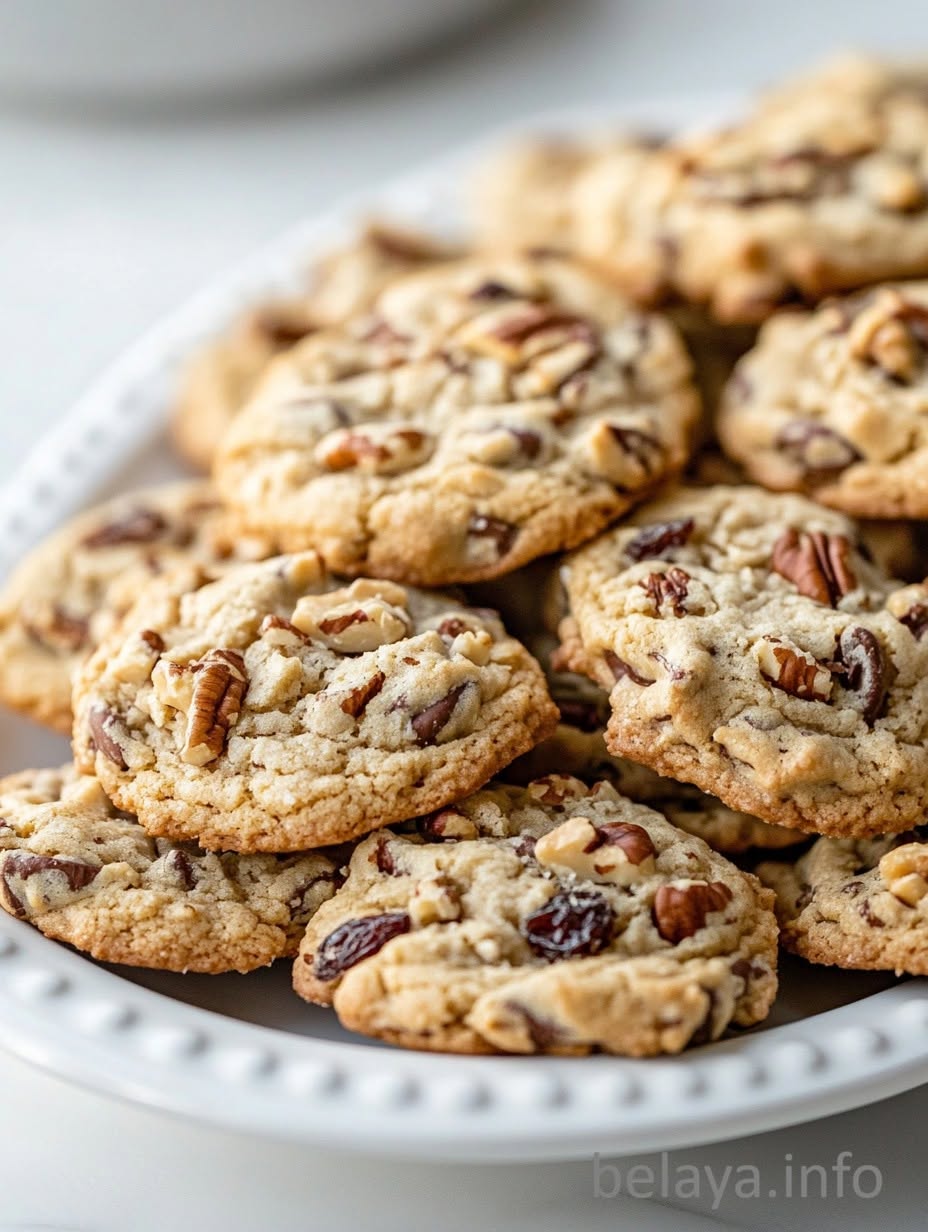
Chopped walnuts: Bring warmth, subtle bitterness, and a satisfying crunch that defines the character of these cookies.
Pure vanilla extract: Softens and rounds the flavors, adding depth and a familiar bakery aroma.
Fine salt: A small but essential element that enhances sweetness and brings all the flavors into harmony.
Expert Tips:
Measure flour carefully: Spoon and level the flour rather than scooping directly to avoid dense, dry cookies.
Use properly softened butter: Butter should be soft but cool to the touch—this ensures proper creaming and a tender crumb.
Cream thoroughly, but not excessively: Beat the butter and sugar until light and fluffy to incorporate air without warming the mixture too much.
Mix the dough gently: Once the flour is added, mix just until combined to preserve a delicate texture.
Chop walnuts evenly: Uniform pieces distribute flavor and crunch throughout each cookie without overpowering any bite.
Space cookies well: Leaving enough room on the baking sheet allows even baking and prevents excess spreading.
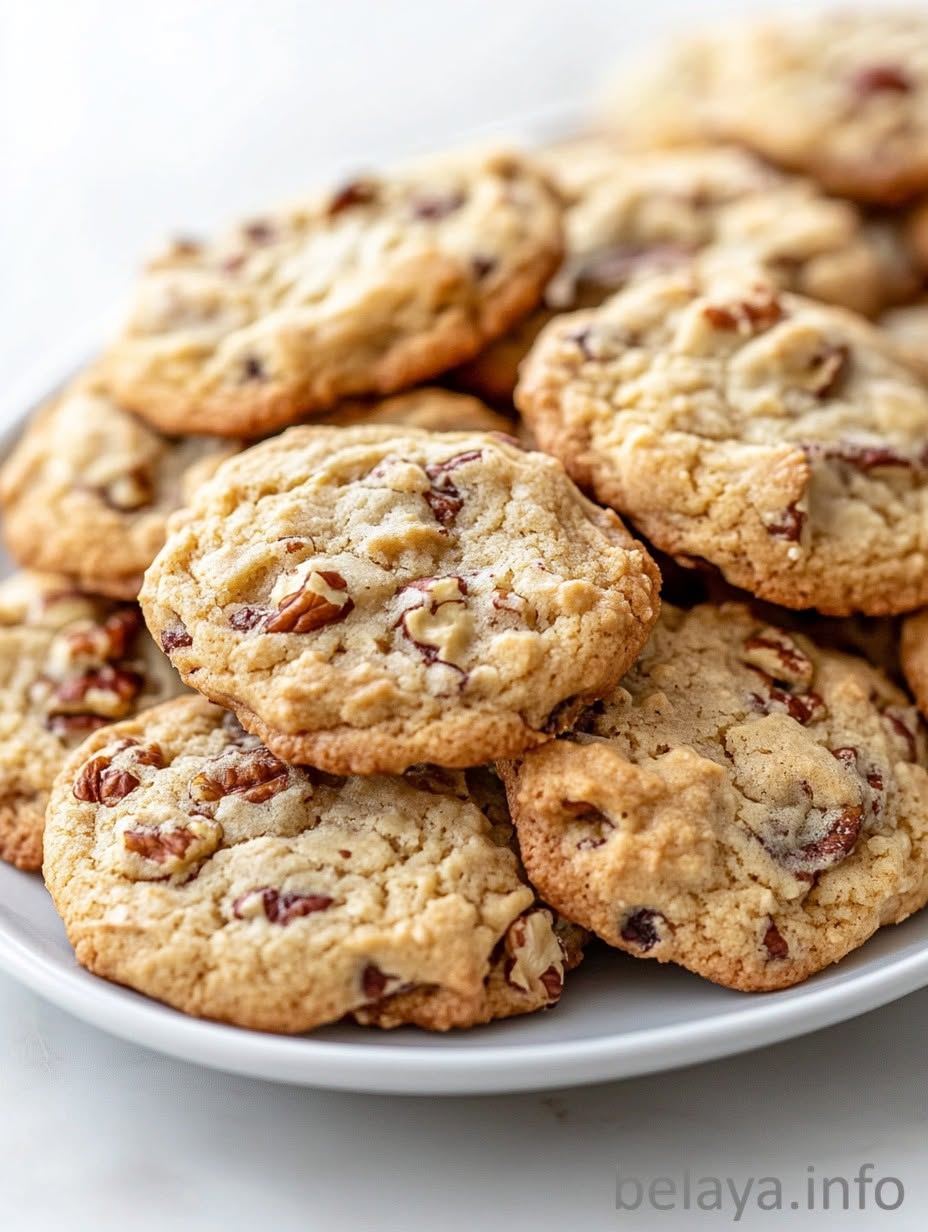
Watch the bake closely: These cookies should remain pale with just lightly golden edges—overbaking will dry them out.
Cool completely before dusting: Allow cookies to cool fully so the confectioners’ sugar stays light and powdery rather than melting.
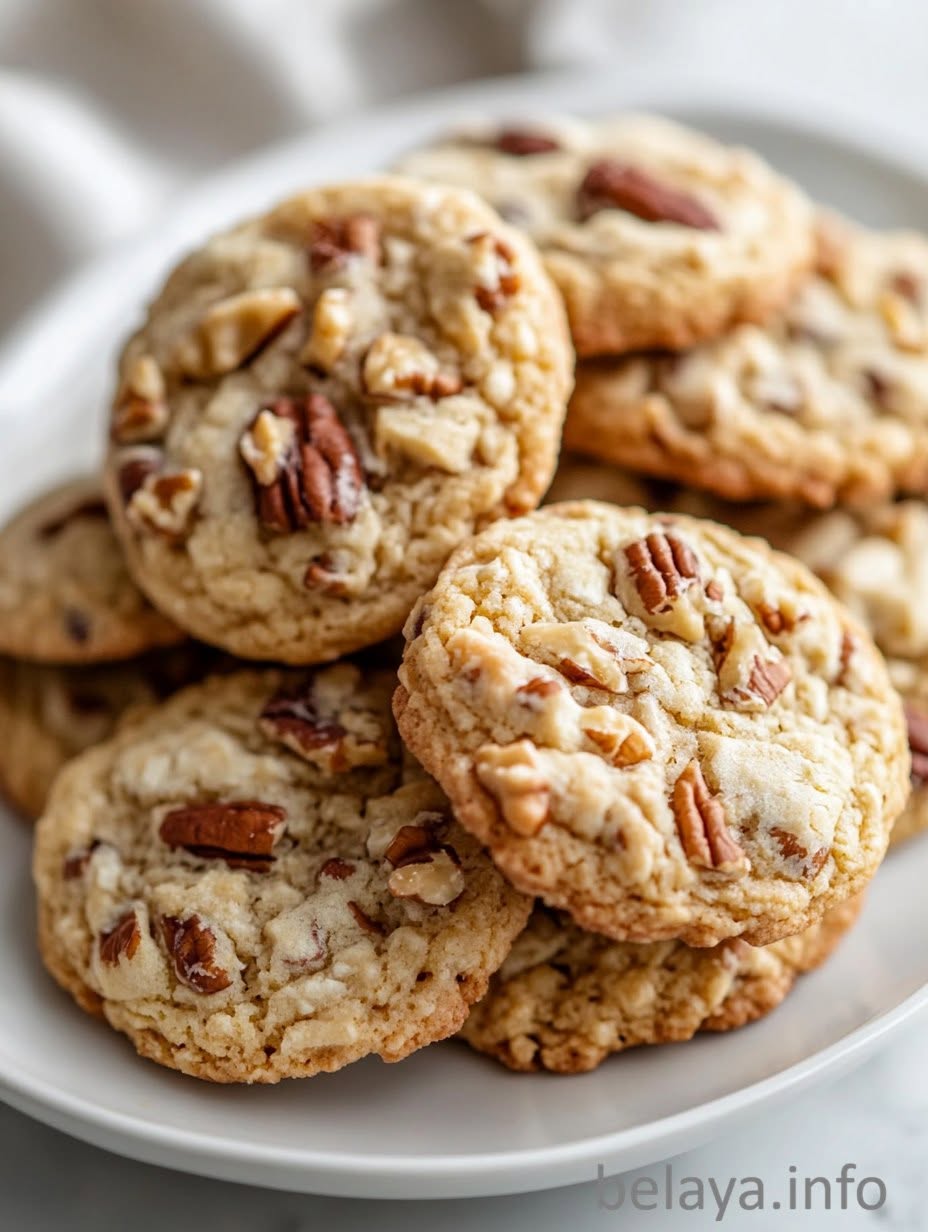
Aunt Betty’s Classic German Rocks
Ingredients
All-purpose flour – 2 cups, spooned and leveled
Unsalted butter – 1 cup, softened to room temperature
Granulated sugar – ½ cup
Fine salt – ¼ teaspoon
Pure vanilla extract – 1 teaspoon
Chopped walnuts – ½ cup
Confectioners’ sugar – for dusting (optional)
Instructions:
Step 1: Preheat and Prepare
Heat the oven to 350°F (175°C).
Line a large baking sheet with parchment paper to ensure the cookies bake evenly and release easily.
Step 2: Cream Butter and Sugar
In a medium mixing bowl, beat the softened butter and granulated sugar together until light in color and fluffy in texture.
Step 3: Make the Dough
Stir in the vanilla extract.
Gradually add the flour and salt, mixing just until a soft, smooth dough forms with no dry spots.
Step 4: Fold in Walnuts
Gently mix in the chopped walnuts, distributing them evenly throughout the dough.
Step 5: Shape the Cookies
Roll the dough into 1-inch balls and place them on the prepared baking sheet, leaving about 2 inches of space between each cookie.
Step 6: Bake and Cool
Bake for 12–15 minutes, or until the edges turn lightly golden.
Let the cookies cool on the baking sheet for 5 minutes, then transfer them to a wire rack to cool completely.
Step 7: Finish and Serve
Once fully cooled, lightly dust the cookies with confectioners’ sugar if desired.
Important Notes When Making Aunt Betty’s Classic German Rocks:
This is a traditional, understated cookie: The beauty of this recipe lies in its simplicity—avoid adding extra flavors that could overshadow its classic character.
Texture is intentional: These cookies are meant to be tender yet sturdy, not soft or chewy like modern bakery cookies.
Butter quality matters: Because the ingredient list is short, good-quality butter makes a noticeable difference in flavor.
Walnuts define the cookie: Skipping or reducing them changes the identity of the recipe—they are central, not optional.
Color should stay light: German Rocks are not meant to be deeply browned; pale tops with lightly golden edges are ideal.
Cooling is part of the process: The cookies firm up slightly as they cool, achieving their final, proper texture.
Sweetness is restrained: These cookies are mildly sweet by design, making them perfect with coffee or tea rather than as a dessert centerpiece.
Best enjoyed simply: No frosting or decoration is needed—confectioners’ sugar, if used, should remain subtle and light.
How to Enjoy Aunt Betty’s Classic German Rocks After Baking
Allow them to cool completely:
Let the cookies cool fully on a wire rack. This step allows the texture to set properly and brings out their true, buttery flavor.
Dust lightly, if desired:
If using confectioners’ sugar, apply a gentle dusting just before serving for a soft, traditional finish without overpowering sweetness.
Serve at room temperature:
These cookies are best enjoyed at room temperature, when their flavor is balanced and the walnut crunch is most pronounced.
Pair thoughtfully:
Enjoy with a cup of coffee, tea, or warm milk—their mild sweetness and nutty richness complement simple beverages beautifully.
Savor slowly:
Take time with each bite. The subtle flavors and tender texture are meant to be appreciated, not rushed.
Share generously:
These cookies are made for sharing—serve them on a platter for family gatherings or gift them as a thoughtful homemade treat.
Store properly:
Keep in an airtight container at room temperature to preserve freshness and texture for several days.
Enjoy the nostalgia:
Let the cookies remind you of traditional home baking, where comfort, care, and simplicity mattered most.
Nutrition Information (per cookie)
Approximate values; based on standard portions and may vary with cookie size and amount of walnuts used
Calories: 120–135 kcal | Total Fat: 8–9 g | Saturated Fat: 4–5 g | Monounsaturated Fat: 2–3 g | Polyunsaturated Fat: 1–1.5 g | Cholesterol: 20–25 mg | Sodium: 45–65 mg | Total Carbohydrates: 10–12 g | Dietary Fiber: 0.8–1.2 g | Sugars: 4–5 g | Protein: 2–3 g
Frequently Asked Questions
Why are these cookies called “German Rocks”?
The name reflects their old-world German heritage and their slightly firm, sturdy texture, which was ideal for traditional home baking and storing.
Can I use a different type of nut instead of walnuts?
Walnuts are traditional and strongly recommended, but pecans can be used if needed. Keep in mind this will slightly change the classic flavor.
Do these cookies spread much while baking?
No. German Rocks hold their shape well and only spread slightly, which is why even spacing on the baking sheet is sufficient.
Can the dough be made ahead of time?
Yes. The dough can be prepared, wrapped tightly, and refrigerated for up to 24 hours. Let it soften slightly before rolling.
How long do these cookies stay fresh?
Stored in an airtight container at room temperature, they remain fresh for 4–5 days without losing texture or flavor.
Should the butter be melted or just softened?
The butter should be softened to room temperature, not melted. Softened butter creams properly with sugar and gives the cookies their tender texture.
Why shouldn’t I overmix the dough after adding flour?
Overmixing develops gluten, which can make the cookies tough instead of tender. Mix just until the dough comes together.
Can I chill the dough before baking?
Chilling isn’t required, but it can help firm the dough if your kitchen is warm, making the cookies easier to shape.
How do I know when the cookies are done?
They’re ready when the edges are lightly golden but the tops remain pale. Overbaking will dry them out.
Why is it important to cool the cookies before dusting with sugar?
If dusted while warm, the confectioners’ sugar will melt and disappear instead of forming a light, powdery finish.