Old-Fashioned Amish Beef and Potato Casserole
Old-Fashioned Amish Beef and Potato Casserole is the kind of comforting, slow-cooked meal that speaks to simplicity, patience, and home-style nourishment.
Built with layers of savory ground beef, tender potatoes, and a creamy, seasoned sauce, this casserole reflects Amish-inspired cooking—where humble ingredients are transformed through time and care.
Rich, filling, and deeply satisfying, it’s a dish meant to gather family around the table and linger long after the last bite.
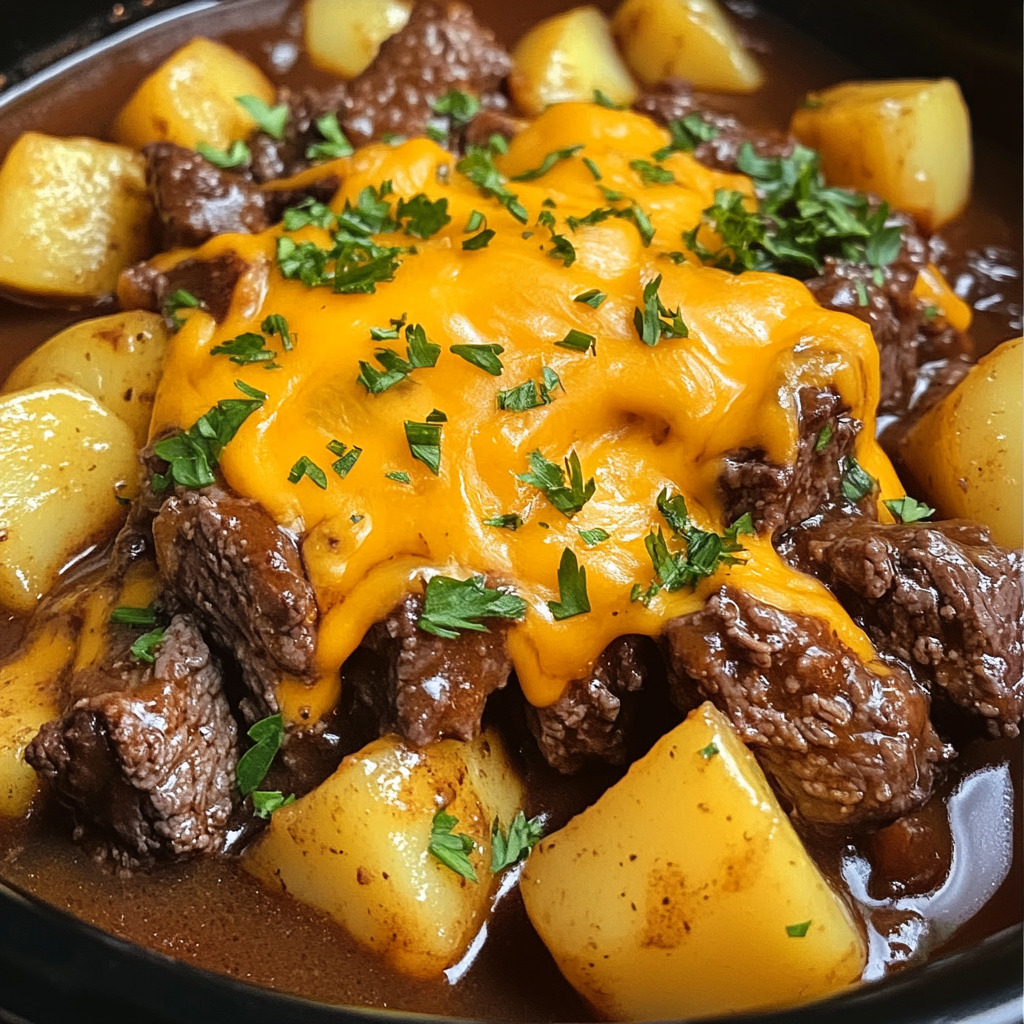
Why People Will Love Old-Fashioned Amish Beef and Potato Casserole:
Pure comfort food appeal – Layers of tender potatoes, savory beef, and creamy sauce create a deeply satisfying dish that feels warm, filling, and nostalgic.
Simple ingredients, rich results – Everyday pantry staples come together to form a meal that tastes far more indulgent than its humble components suggest.
Slow-cooked tenderness – Cooking gently over several hours allows the potatoes to soften perfectly and absorb all the savory flavors from the beef and sauce.
Balanced, well-seasoned flavor – Onion, garlic, Worcestershire sauce, and black pepper add depth without overpowering, keeping the dish comforting and approachable.
Family-friendly and crowd-pleasing – Mild flavors, hearty portions, and familiar textures make this casserole a favorite for both adults and children.
Minimal hands-on effort – Once layered into the slow cooker, the recipe requires little attention, making it ideal for busy days or relaxed weekends.
Versatile for any occasion – Perfect for weeknight dinners, potlucks, church gatherings, or Sunday family meals.
Even better as leftovers – The flavors deepen after resting, making reheated portions just as delicious—if not more—than the first serving.
Key Ingredients Highlights
Ground beef (85% lean) – The hearty foundation of the casserole, ground beef provides rich, savory flavor and satisfying protein while staying tender during slow cooking.
Russet or Yukon Gold potatoes – Thinly sliced potatoes become soft and creamy as they cook, absorbing the seasoned sauce and creating comforting, melt-in-your-mouth layers.
Cream of mushroom soup – This classic ingredient forms the creamy backbone of the dish, adding depth, moisture, and a smooth texture that binds everything together.
Whole milk – Milk lightens and loosens the sauce, ensuring the casserole stays creamy without becoming overly thick or heavy.
Yellow onion and garlic – These aromatics build a flavorful base, adding gentle sweetness and warmth that enhances the beef and balances the richness.
Extra sharp cheddar cheese – Melted over the top, cheddar adds a bold, savory finish and a comforting layer of gooey richness.
Worcestershire sauce – A small but powerful ingredient that deepens the flavor with subtle umami and savory complexity.
Olive oil – Used for sautéing, olive oil helps soften the aromatics and adds a light richness to the overall dish.
Expert Tips:
Slice the potatoes evenly and thinly – Aim for about ⅛-inch thickness so the potatoes cook at the same rate and become fully tender without turning mushy. A mandoline works well for consistent slices.
Brown the beef properly before slow cooking – Allow the ground beef to fully brown and develop color before transferring it to the slow cooker. This step builds deep, savory flavor and prevents a bland final dish.
Drain excess fat carefully – Removing extra grease keeps the casserole rich but not oily, allowing the creamy sauce to shine.
Season in layers – Lightly season the beef while browning, then adjust seasoning again after mixing in the soup and milk. Slow cooking concentrates flavors over time.
Stir the sauce until completely smooth – Make sure the cream of mushroom soup, milk, and Worcestershire sauce are fully blended before layering to avoid uneven seasoning or texture.
Layer gently, don’t pack tightly – Slightly overlapping the potato slices allows heat and moisture to circulate, ensuring even cooking throughout the casserole.
Keep the lid closed while cooking – Avoid lifting the lid during slow cooking, as releasing heat and moisture can lengthen cooking time and affect potato tenderness.
Add cheese near the end – Adding cheddar during the final 30 minutes prevents it from overcooking or becoming greasy while still achieving a melted, bubbly finish.
Let it rest before serving – Allowing the casserole to rest for 10–15 minutes helps the layers set and makes serving cleaner and more cohesive.
Taste and adjust before serving – Potatoes absorb seasoning, so always do a final taste and adjust salt or pepper as needed.
Old-Fashioned Amish Beef and Potato Casserole
A hearty, comforting dish layered with savory ground beef, tender potatoes, and melty cheddar cheese — perfect for cozy family dinners or slow-cooked Sunday meals.
Ingredients
For the Beef Mixture:
2 lbs 85% lean ground beef
1 medium yellow onion, diced (about 1 cup)
3 large garlic cloves, minced
1 (10.5 oz) can condensed cream of mushroom soup
1 cup whole milk
1 tsp kosher salt
½ tsp freshly cracked black pepper
1 tbsp Worcestershire sauce
For the Potato Layers:
4 cups thinly sliced Russet or Yukon Gold potatoes (about 2–3 large potatoes, sliced ⅛-inch thick)
1½ cups shredded extra sharp yellow cheddar cheese
For Cooking & Garnish:
1 tbsp olive oil
2 tbsp chopped fresh parsley (optional, for garnish)
Instructions
Sauté the Aromatics:
In a large skillet, heat olive oil over medium heat. Add the diced onion and minced garlic. Cook for about 2 minutes, until softened and fragrant.
Brown the Beef:
Add ground beef to the skillet. Cook for 5–7 minutes, breaking it up with a wooden spoon, until fully browned with no pink remaining. Drain off any excess fat.
Build the Casserole in the Slow Cooker:
Transfer the beef mixture to a 6-quart slow cooker. Stir in the cream of mushroom soup, milk, salt, pepper, and Worcestershire sauce until well combined.
Layer the Potatoes:
Arrange a layer of sliced potatoes over the beef mixture, slightly overlapping the slices. Continue layering with the remaining potatoes and beef mixture.
Slow Cook:
Cover and cook on Low for 6–7 hours, or until the potatoes are fork-tender.
Add the Cheese:
About 30 minutes before serving, sprinkle shredded cheddar cheese evenly over the top. Cover again and cook until the cheese is melted and bubbly.
Serve:
Spoon into bowls or onto plates and garnish with chopped parsley, if desired. Serve hot and enjoy!
Important Notes When Making Old-Fashioned Amish Beef and Potato Casserole:
Potato choice affects texture – Russet potatoes create a softer, fluffier texture, while Yukon Golds stay slightly firmer and creamier. Either works well, but consistency matters—use one type rather than mixing.
Moisture balance is key – Potatoes release starch as they cook, which naturally thickens the sauce. Avoid adding extra liquid early, or the casserole may turn soupy.
Slow cooking requires patience – This dish benefits from low, steady heat. Cooking too fast or too hot can leave potatoes undercooked or unevenly textured.
Lid placement matters – Keeping the slow cooker sealed maintains the moist environment needed for the potatoes to soften properly.
Seasoning evolves over time – Flavors deepen as the casserole cooks and rests. Final seasoning should always be adjusted at the end.
Cheese timing is important – Adding cheese too early can cause it to separate or become oily. The final 30 minutes is ideal for a smooth, melty topping.
Resting improves structure – Letting the casserole rest before serving allows the layers to set, making portions easier to serve and flavors more cohesive.
Leftovers taste even better – The flavors continue to meld overnight, making this casserole especially delicious the next day.
Not ideal for high heat reheating – Reheat gently to preserve the creamy texture and prevent separation.
How to Enjoy Old-Fashioned Amish Beef and Potato Casserole After Cooking
Let the casserole rest before serving
Allow the casserole to rest for 10–15 minutes after cooking. This helps the layers set, making it easier to serve and allowing the flavors to fully settle.
Serve it hot and hearty
Spoon generous portions onto plates or into bowls while still warm. The tender potatoes, savory beef, and creamy sauce are at their best when freshly cooked.
Pair with simple sides
Serve alongside steamed green beans, buttered corn, or a crisp garden salad to balance the richness of the casserole.
Add a fresh finishing touch
Sprinkle chopped parsley or chives on top just before serving to add color and a light, fresh contrast to the creamy dish.
Enjoy as a complete meal
With protein, starch, and dairy all in one dish, this casserole stands on its own and needs very little accompaniment.
Reheat gently for leftovers
Warm leftovers slowly on low heat or in the microwave at reduced power, covering the dish to retain moisture and preserve the creamy texture.
Refresh the texture when reheating
If the casserole thickens too much, stir in a small splash of milk to restore creaminess.
Transform leftovers creatively
Use reheated portions as a filling for wraps, serve over buttered toast, or pair with fried eggs for a comforting next-day meal.
Perfect for sharing
This dish is ideal for family-style serving—bring it straight to the table and let everyone help themselves.
Enjoy the comfort factor
Best enjoyed slowly, with family or friends, this casserole is meant to feel familiar, filling, and deeply comforting.
Nutrition Information
Values are approximate and based on 1 serving, assuming the recipe serves about 8.
Calories: 420 kcal | Total Fat: 24 g | Saturated Fat: 10 g | Monounsaturated Fat: 9 g | Polyunsaturated Fat: 3 g | Cholesterol: 90 mg | Sodium: 700–900 mg (depending on soup, cheese, and added salt) | Total Carbohydrates: 26 g | Dietary Fiber: 3 g | Sugars: 4 g | Protein: 27 g
Frequently Asked Questions:
Can I make this casserole in the oven instead of a slow cooker?
Yes. Assemble the casserole in a covered baking dish and bake at 350°F (175°C) for about 90–110 minutes, or until the potatoes are fork-tender. Remove the cover, add the cheese, and bake uncovered for another 15–20 minutes until melted and bubbly.
What type of potatoes work best for this recipe?
Russet potatoes create a softer, fluffier texture, while Yukon Golds stay slightly firmer and creamier. Both work well—just slice them evenly so they cook at the same rate.
Can I prepare this dish ahead of time?
Absolutely. You can assemble the casserole up to 24 hours in advance and refrigerate it. When ready to cook, allow it to sit at room temperature for about 20 minutes before placing it in the slow cooker.
Can I substitute the cream of mushroom soup?
Yes. Cream of chicken or cream of celery soup are good substitutes. You can also use a homemade white sauce if you prefer fewer processed ingredients.
How should leftovers be stored and reheated?
Store leftovers in an airtight container in the refrigerator for up to 3–4 days. Reheat gently in the microwave or oven, adding a small splash of milk if needed to restore creaminess.
Why should I brown the beef before adding it to the slow cooker?
Browning the beef develops deeper, savory flavor through caramelization and prevents the casserole from tasting bland or watery. It also improves the overall texture of the finished dish.
How thin should the potatoes be sliced for even cooking?
Potatoes should be sliced about ⅛ inch thick. Thin, even slices ensure they become fully tender during slow cooking without remaining firm in the center.
Can I layer everything without stirring?
Yes. Layering works well as long as the sauce is evenly mixed beforehand. The slow cooker’s gentle heat allows flavors to meld naturally without frequent stirring.
Why is it important to cook this on Low rather than High?
Cooking on Low allows the potatoes to soften evenly and absorb flavor without breaking down or cooking unevenly. High heat can leave potatoes undercooked or cause the sauce to separate.
When is the best time to add the cheese?
Cheese should be added during the final 30 minutes of cooking. Adding it too early can cause it to overcook, become greasy, or lose its smooth, melty texture.