Aglio Olio e Peperoncino
Aglio Olio e Peperoncino is the purest expression of Italian cucina povera—where restraint, technique, and ingredient quality matter more than quantity.
With just garlic, chili, olive oil, and pasta, this dish reveals how simplicity can deliver profound depth, aroma, and comfort.
Honest and unapologetic, it rewards care and attention, offering exactly what you put into it: nothing hidden, nothing excessive—just timeless flavor, balance, and soul.
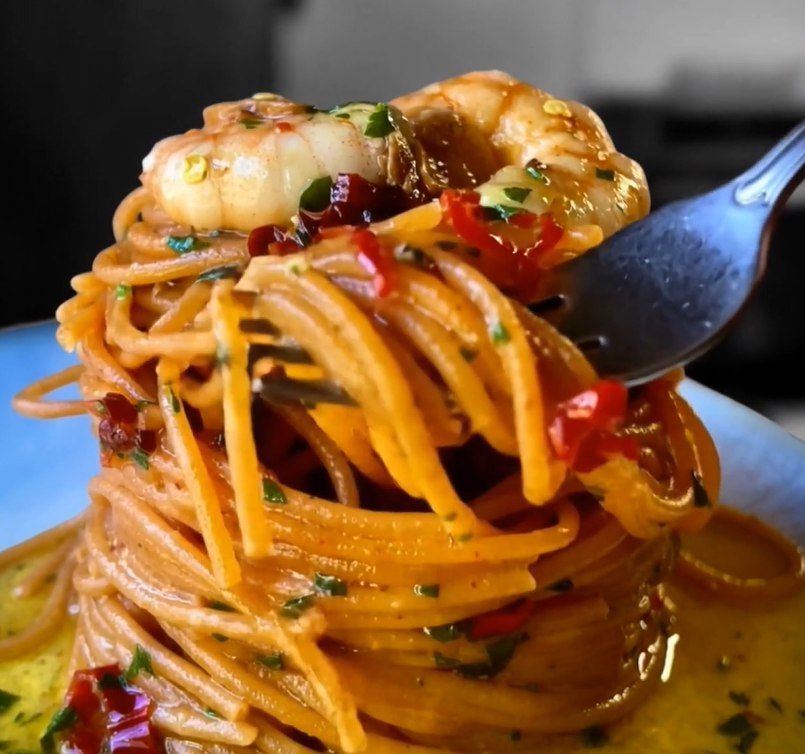
Why People Will Love Aglio Olio e Peperoncino Recipe
Pure simplicity with depth: With only a handful of ingredients, the dish proves how technique and balance can create remarkable flavor.
Authentic Italian soul: It reflects the essence of traditional Italian home cooking—honest, restrained, and deeply satisfying.
Bold yet clean flavors: Garlic, chili, and high-quality olive oil shine individually while working in perfect harmony.
Highly customizable heat: The spice level can be easily adjusted, making it accessible to all tastes.
Quick and economical: Minimal ingredients and fast preparation make it ideal for everyday cooking without sacrificing quality.
Perfect showcase for olive oil: Excellent extra-virgin olive oil becomes the star, rewarding those who choose well.
Comfort without heaviness: Light yet flavorful, it satisfies without feeling rich or overindulgent.
Timeless and versatile: Equally suited for a simple weeknight meal or a thoughtful, intentional dining experience.
Key Ingredients:
Extra-virgin olive oil: The true soul of the dish—its aroma, fruitiness, and depth carry the entire sauce, making quality essential rather than optional.
Garlic: Gently infused into the oil, it provides warmth and savory richness without sharpness when handled with care.
Fresh chili pepper (peperoncino): Adds controlled heat and vibrancy, awakening the palate without overwhelming the other flavors.
Spaghetti: Long, slender strands that perfectly capture the infused oil, allowing every bite to feel coated and complete.
Salt: Simple but crucial, enhancing the natural flavors of the pasta and balancing the oil’s richness.
Expert Tips:
Use exceptional olive oil: Since the sauce is essentially infused oil, high-quality extra-virgin olive oil is non-negotiable—it defines aroma, mouthfeel, and finish.
Control the heat carefully: Keep the pan on very low heat so the garlic and chili gently infuse the oil without browning or burning, which would turn the dish bitter.
Prepare garlic intentionally: Sliced garlic gives a mellow, rounded flavor; finely chopped garlic releases more intensity—choose based on how bold you want the dish.
Remove the garlic core: Taking out the green germ helps prevent bitterness, especially when the garlic cooks slowly.
Salt the pasta water properly: Well-seasoned water is essential—this is where much of the dish’s seasoning comes from.
Reserve pasta cooking water: The starchy water helps emulsify the oil, creating a silky coating rather than an oily finish.
Toss, don’t drown: Add just enough pasta water to bind the sauce—too much dilutes the flavor.
Finish in the pan: Always toss the pasta in the infused oil for a minute so the flavors fully integrate.
Serve immediately: This dish is about aroma and texture—both are at their peak the moment it leaves the pan.
Aglio Olio e Peperoncino
Ingredients:
Spaghetti 320 gHub
3 cloves garlic
Fresh chili pepper 3
Extra virgin olive oil (excellent quality) 70 g
Salt to taste
Instructions:
To prepare the spaghetti with garlic, oil and chilli, start by cooking the pasta in boiling salted water to tastefirst.
Cook the spaghetti al dente and in the meantime you can prepare the sauce: peel the garlic cloves, divide them in half
Remove the core (the central green part of each segment).
Cut the segments into rather thin slices.
Take the fresh chilli pepper and cut it into slices, eliminating the stalk.
If you prefer less spiciness, you can open it lengthwise and remove the seeds before cutting it into slices. Now pour the oil into a large pan
Heat it over a low heat and add the garlic and chili pepper.
Fry the seasoning over a very low heat, the chilli and garlic should not burn but only fry for a couple of minutes.
and for uniform browning without the risk of burning them, you can tilt the pan so as to collect oil and seasoning in a single point and allow uniform browningten.
Once the pasta is cooked al dente, you can transfer it directly to the pan and add a ladle of cooking watertwelfth.
Stir for a few moments to blend the flavors and sauté everything, then you can plate your spaghetti with garlic, oil and chilli to serve piping hot!
Important Notes When Making Aglio Olio e Peperoncino
This dish exposes mistakes: With so few ingredients, there is nothing to hide behind—burnt garlic, poor oil, or under-salted pasta will be immediately noticeable.
Garlic must never brown: Browning or burning garlic introduces bitterness that ruins the balance of the dish; gentle infusion is the goal, not frying.
Oil is the sauce: Extra-virgin olive oil is not just a fat here—it is the flavor. Inferior oil will flatten the entire dish.
Spice should support, not dominate: Peperoncino should awaken the palate, not overpower the garlic or oil. Balance is essential.
Pasta water is strategic, not optional: It binds the oil to the pasta, transforming it from greasy to silky when used correctly.
Timing matters: Pasta and sauce must finish together—waiting too long dulls aroma and compromises texture.
Al dente is non-negotiable: Slight resistance in the pasta gives structure and prevents the dish from feeling heavy.
Freshness over storage: This is not a recipe meant for leftovers; its beauty lives in immediacy.
Respect the restraint: Adding too many extras moves the dish away from its soul—simplicity is not a limitation, it’s the point.
How to Enjoy Aglio Olio e Peperoncino After Cooking
Serve immediately, without delay:
This dish is at its peak the moment it leaves the pan. The aroma of warm olive oil, garlic, and chili is fleeting and meant to be experienced fresh.
Plate simply and intentionally:
Twirl the spaghetti neatly onto warm plates. Avoid heavy garnishes—the beauty of this dish lies in its restraint.
Finish with balance:
If desired, add a light drizzle of high-quality extra-virgin olive oil just before serving to refresh aroma and enhance mouthfeel.
Adjust heat at the table:
A pinch of extra chili or a crack of black pepper allows each diner to personalize the spice without altering the dish’s core balance.
Pair thoughtfully:
Enjoy with plain water, sparkling water, or a crisp, dry white wine that won’t compete with the olive oil’s character.
Eat slowly and mindfully:
This is a dish to appreciate bite by bite—the silkiness of the oil, the warmth of garlic, and the gentle heat of chili reveal themselves gradually.
Use bread only if necessary:
If any oil remains on the plate, a small piece of crusty bread is acceptable—but sparingly, as the pasta should be the focus.
Avoid reheating:
Reheating dulls aroma and breaks the oil emulsion. This dish is about immediacy, not leftovers.
Embrace the philosophy:
Aglio Olio e Peperoncino is more than food—it’s a lesson in simplicity, precision, and respect for ingredients. Enjoy it with the same intention it was cooked.
Nutrition Information:
Approximate values; based on standard portions and may vary depending on olive oil amount and pasta brand
Calories: 400–430 kcal | Total Fat: 14–16 g | Saturated Fat: 2–2.5 g | Monounsaturated Fat: 10–12 g | Polyunsaturated Fat: 1.5–2 g | Cholesterol: 0 mg | Sodium: 350–550 mg (depending on pasta water salting) | Total Carbohydrates: 62–68 g | Dietary Fiber: 3–5 g | Sugars: 2–3 g | Protein: 9–11 g
Frequently Asked Questions:
Can I use other types of pasta instead of spaghetti?
Yes, you can use other pasta varieties like linguine, fettuccine, or penne for this recipe.
However, spaghetti is traditional for Aglio Olio e Peperoncino.
How can I adjust the spiciness of the dish?
You can control the spiciness by adjusting the amount of chili pepper used and removing the seeds for a milder flavor.
Alternatively, you can omit the chili pepper entirely for a non-spicy version.
Can I prepare the sauce ahead of time?
While it’s best to prepare the sauce fresh for optimal flavor, you can mince the garlic and slice the chili pepper in advance.
However, it’s recommended to fry them just before tossing with the cooked pasta.
What’s the best way to store leftovers?
Aglio Olio e Peperoncino is best enjoyed fresh, but if you have leftovers, store them in an airtight container in the refrigerator for up to 2 days.
Reheat gently on the stove or in the microwave before serving.
Can I use dried chili flakes instead of fresh chili pepper?
Yes, you can substitute fresh chili pepper with dried chili flakes.
Adjust the amount based on your desired level of spiciness, and add them to the oil while frying the garlic for flavor infusion.
Is it necessary to use extra virgin olive oil?
Using high-quality extra virgin olive oil is recommended as it enhances the flavor of the dish.
However, you can use regular olive oil if needed, although the taste may differ slightly.
Can I add other ingredients to the dish?
Aglio Olio e Peperoncino is traditionally made with just garlic, chili pepper, and olive oil.
However, you can add additional ingredients like grated Parmesan cheese, chopped parsley, or cherry tomatoes for variation.
How do I prevent the garlic from burning?
Fry the garlic over very low heat to prevent burning.
Keep an eye on it and stir frequently to ensure even cooking.
If necessary, you can remove the pan from the heat temporarily to avoid overheating.
What’s the purpose of adding pasta cooking water to the sauce?
Adding pasta cooking water helps create a silky sauce that coats the pasta evenly.
It also helps bind the flavors together and prevents the dish from becoming too dry.
Can I make this dish vegan?
Yes, you can make a vegan version of Aglio Olio e Peperoncino by omitting the cheese and using a vegan-friendly pasta.
Ensure the oil you use is vegan as well, and consider adding nutritional yeast for extra flavor.