Charro Beans
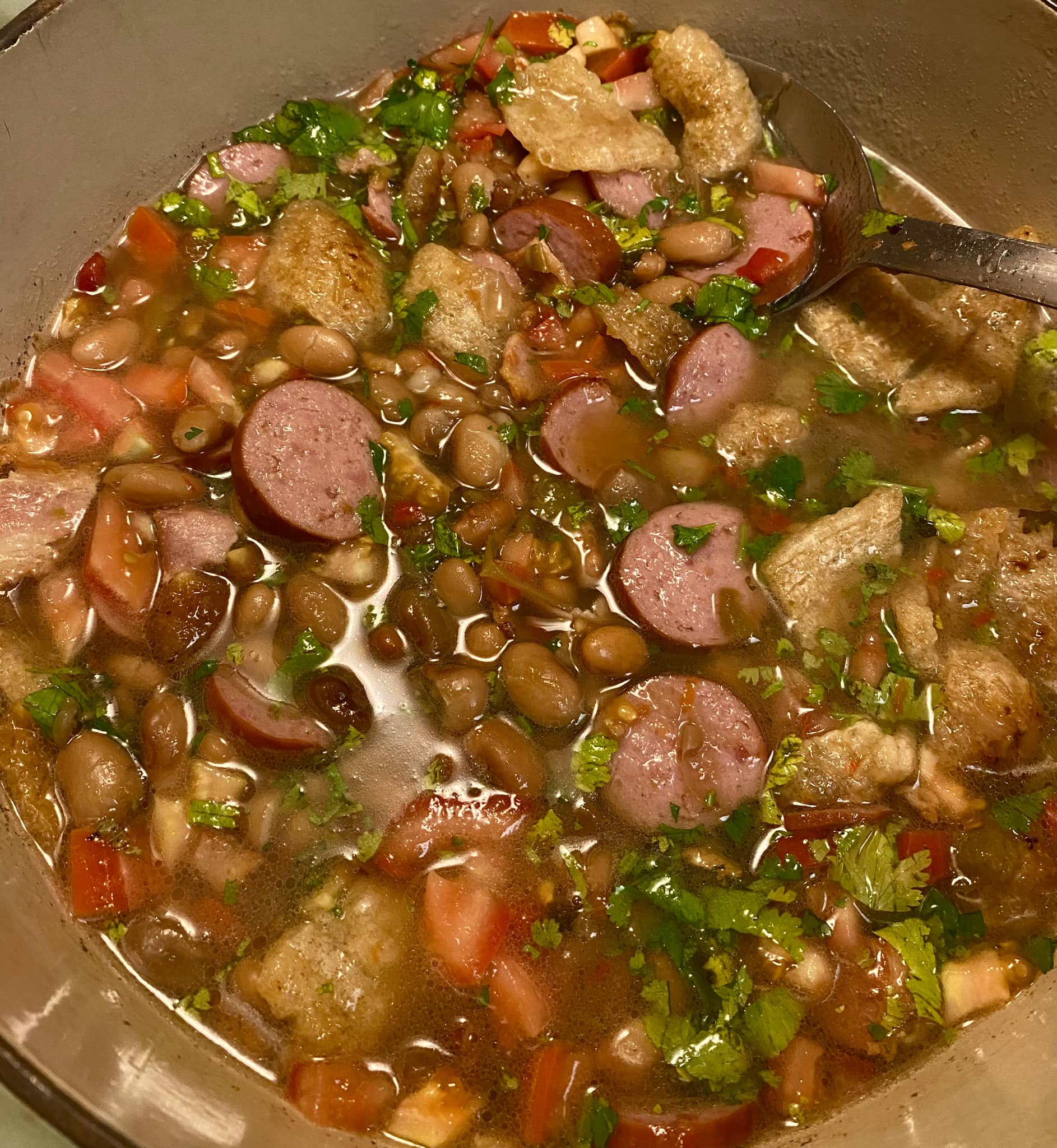
Charro Beans, or Frijoles Charros, are a hearty Mexican-style bean dish built around tender pinto beans simmered with bacon, chorizo, ham, tomatoes, chiles, garlic, onion, cilantro, and warm spices. Unlike plain pot beans, charro beans are deeply layered, with smoky meat, savory broth, fresh herbs, and gentle chile heat in nearly every spoonful.
The recipe develops flavor in stages. Pinto beans are first cooked until creamy and tender, while bacon and chorizo are browned separately to create a rich base. Onion, garlic, tomatoes, jalapeño or serrano, chipotle, cilantro, cumin, paprika, and oregano are then cooked in those flavorful drippings before everything is brought together with the beans and broth.
The finished dish should be brothy but substantial, with beans that remain intact yet creamy inside, pieces of smoky meat throughout, and a broth that tastes savory, slightly spicy, tomato-rich, and aromatic. Charro Beans can stand alone as a rustic main dish with warm tortillas or work as an excellent side for tacos, grilled meats, enchiladas, or barbecue.
Why People Will Love Charro Beans Recipe
Pinto beans become exceptionally tender and creamy.
Bacon gives the broth deep smoky flavor.
Chorizo contributes chile, garlic, spice, and richness.
Ham adds another layer of savory meatiness.
Tomatoes provide acidity and natural sweetness.
Jalapeño or serrano adds fresh chile flavor.
Chipotle in adobo gives the beans a distinctive smoky heat.
Garlic and onion form a strong savory foundation.
Fresh cilantro keeps the rich broth from tasting too heavy.
Cumin adds warm, earthy depth.
Paprika reinforces the smoky character.
Oregano provides an herbal background note.
The broth absorbs flavor from both the beans and meats.
The spice level can easily be adjusted.
The beans work as either a side dish or a full meal.
They pair naturally with warm tortillas.
The recipe can be made on the stovetop, in an Instant Pot, or in a slow cooker.
Canned beans can be used for a faster version.
The recipe freezes and reheats well.
The flavor often becomes even better after resting overnight.
Key Ingredients
Pinto Beans:
Pinto beans are the heart of the recipe. When cooked slowly, they become creamy inside while still holding their shape, and their cooking liquid creates the natural body of the broth.
Bacon:
Bacon provides rendered fat, salt, and smoke. The fat also becomes a flavorful cooking medium for the aromatics.
Mexican Chorizo:
Chorizo brings chile, garlic, paprika-like spices, and rich pork flavor. It dramatically deepens the broth compared with plain bean soup.
Ham or Sausage:
Ham contributes salty, smoky pieces throughout the beans and makes the dish more substantial.
Tomatoes:
Fresh tomatoes soften into the broth and provide sweetness, acidity, and color.
Jalapeño or Serrano:
These fresh chiles provide a brighter kind of heat than chipotle. Serrano will generally produce a hotter result.
Chipotle in Adobo:
Even half a chipotle pepper can bring noticeable smoky depth and heat. It is especially useful for giving the beans a slow-cooked, fire-roasted character.
Cilantro:
A generous amount of fresh cilantro balances the rich meats and gives the finished broth freshness.
Cumin, Paprika, and Oregano:
These spices provide warmth, earthiness, smokiness, and herbal complexity without overwhelming the beans.
Bean Cooking Liquid and Chicken Bouillon:
The reserved bean liquid contains starch and bean flavor, while bouillon reinforces the savory character of the broth.
Expert Tips
Sort dried beans before cooking to remove stones or damaged beans.
Rinse the beans thoroughly before placing them in the pot.
Use relatively fresh dried beans when possible; very old beans can take much longer to soften.
Keep the beans covered with liquid while they cook.
Maintain a gentle simmer rather than a vigorous boil to reduce split skins.
Cook beans until fully creamy inside before adding them to the final charro mixture.
Reserve the bean cooking liquid—it contains flavor and natural starch.
Brown bacon and chorizo well before adding the vegetables.
Remove excess grease, but leave a little behind for flavor.
Cook the onion until translucent before adding tomatoes and other ingredients.
Add garlic after the onion has begun softening so it does not burn.
Start with only half a chipotle if you are unsure about the heat.
Remember that canned chipotle in adobo can be both spicy and salty.
Let the tomato mixture cook for several minutes before adding the beans.
Simmer the finished beans uncovered if the broth seems too thin.
Mash a small portion of beans instead of using cornstarch if you want natural thickening.
Taste before adding more salt because bacon, chorizo, ham, bouillon, and adobo all contribute sodium.
Add a little fresh cilantro just before serving for the brightest flavor
Charro Beans
Ingredients
1 pound dried pinto beans* (2 cups)
6 cups water , or more if needed
¼ of an onion
½ teaspoon salt
1 bay leaf
For the Charro Beans:
5 slices bacon , chopped
5 ounces chorizo (or 2 sausages or hot dogs), chopped
1 cup diced ham or sausages
½ of a yellow onion , chopped
3 cloves garlic , minced
2 tomatoes* , diced
1 jalapeno or serrano pepper , seeded and chopped
½ – 1 chipotle pepper in adobo sauce , chopped (optional, but recommended for a smoky spice)*
1 cup fresh chopped cilantro (about ½ bunch)
1/2 teaspoon cumin
½ teaspoon paprika
1/2 teaspoon oregano
Salt and pepper , to taste
1 teaspoon chicken bouillon
Instructions
Cook the Pinto beans:*
Pour dry beans into a colander and rinse them off, removing any unwanted pieces. Add to a large pot with 6 cups of water (or enough to cover them by about 2 inches), a small chunk of onion, bay leaf and ½ teaspoon of salt.
Bring to a boil, then reduce heat to a simmer and cook for 1 to 2 hours, until the beans are tender, but not bursting. (Mine usually take about 1 hour but depends on how dry/old your beans are).
Check them a few times during cooking to make sure they are covered in water and add a little more water if needed.
Once the beans are tender, drain them, reserving the liquid and pouring it into a measuring cup.
Add additional water (or reduce liquid if needed) to make 2 ½ cups of total liquid.
Stir in 1 teaspoon chicken bouillon. Set aside.
Make Charro beans:
Add the bacon and chorizo to a large pot and cook for about 5 minutes or until bacon is cooked.
Remove some of the grease.
Add onion and garlic and cook until onion is translucent.
Add ham (sausages, if using), diced tomatoes, peppers, cilantro, oregano, paprika, cumin, black pepper and cook for 5 additional minutes.
Add cooked beans and broth and simmer for 15 minutes.
Taste and season with salt and pepper, or additional spices if needed.
Garnish with cilantro before serving.
Serve as a main dish, wish warm tortillas, or as a side dish.
When serving as a side dish I like to thicken the beans by adding a cornstarch slurry at the end (1 tablespoon of corn starch mixed with 2 tablespoons of water).
Important Notes When Making Charro Beans
Dried bean cooking times can vary significantly depending on age and storage.
Hard water can also slow bean softening.
The beans should be tender before acidic ingredients such as tomatoes are incorporated into the final dish.
Keep enough liquid in the pot during bean cooking to prevent scorching.
Bacon and chorizo can release a considerable amount of fat.
Removing some rendered fat keeps the finished broth rich without becoming greasy.
Chorizo should be cooked thoroughly before serving; fresh sausage should reach at least 160°F / 71°C.
Sodium can become quite high because several ingredients are already salty.
Low-sodium broth or bouillon can help control the final seasoning.
Jalapeños and serranos vary widely in heat.
Most chile heat is concentrated in the pale inner membranes.
Chipotle adds a different smoky heat from fresh chiles, so the two are not completely interchangeable.
Beans naturally thicken as they cool.
Add a splash of water or broth when reheating if they become too thick.
The cornstarch slurry is optional and is most useful when you want a thicker side-dish consistency.
Refrigerated leftovers generally taste even more developed the next day.
How to Enjoy Charro Beans After Cooking
Serve Charro Beans hot in deep bowls so each portion contains plenty of beans, meat, vegetables, and smoky broth.
For a simple main meal, serve them with warm corn or flour tortillas. Tear pieces of tortilla and dip them directly into the broth.
Top each bowl with freshly chopped cilantro for brightness.
A squeeze of fresh lime can add acidity and help balance the bacon, chorizo, and ham.
For additional texture, serve with diced white onion, sliced jalapeño, radish, avocado, or crumbled queso fresco.
Charro Beans also make an excellent side dish for carne asada, grilled chicken, ribs, brisket, tacos, enchiladas, or chile rellenos.
If serving them as a side, you can reduce the broth slightly or thicken it so the beans sit more compactly on the plate.
For a more filling meal, serve the beans over Mexican rice or alongside cornbread.
If reheating leftovers, warm them slowly over medium-low heat and add a little broth or water as needed because the beans will continue absorbing liquid in the refrigerator.
Nutrition Information
Approximate nutrition per 1-cup serving:
Calories: 338 kcal | Total Fat: 11 g | Saturated Fat: 4 g | Monounsaturated Fat: 4.5 g | Polyunsaturated Fat: 1.5 g | Cholesterol: 28 mg | Sodium: 657 mg | Total Carbohydrates: 40 g | Dietary Fiber: 10 g | Sugars: 3 g | Protein: 20 g
Additional estimate:
Potassium: 920 mg | Calcium: 85–120 mg | Iron: 3.5–4.5 mg | Magnesium: 75–95 mg | Vitamin A: 350–600 IU | Vitamin C: 12–20 mg | Folate: 170–230 mcg | Vitamin B12: 0.7–1.2 mcg | Zinc: 2.5–3.5 mg
Frequently Asked Questions:
1. What is the difference between Charro Beans and regular pinto beans?
Regular pinto beans may be seasoned simply with onion and salt, while Charro Beans are much more elaborate, with bacon, chorizo, ham, tomatoes, chiles, herbs, and spices cooked into the broth.
2. Are Charro Beans supposed to be soupy?
Yes. Traditionally, they are generally served with plenty of flavorful broth. They can be reduced or lightly thickened when used more as a side dish.
3. How spicy are these Charro Beans?
The heat can range from mild to quite spicy depending on the jalapeño or serrano and how much chipotle is used. Start conservatively and increase gradually.
4. Can Charro Beans be a complete meal?
Yes. With beans, pork, chorizo, ham, vegetables, and broth, they are substantial enough to serve as a main dish with tortillas.
5. What foods pair especially well with Charro Beans?
They are excellent with carne asada, grilled chicken, tacos, enchiladas, chile rellenos, Mexican rice, cornbread, or simply warm tortillas.
1. Why are my dried pinto beans taking much longer than expected to cook?
Older beans, hard water, and very gentle cooking temperatures can all increase cooking time. Continue simmering and keep the beans covered with enough liquid until fully tender.
2. Should I soak the beans before cooking?
You can, although it is not essential. An overnight soak can shorten cooking time and encourage more even cooking.
3. Can I use canned beans without sacrificing too much flavor?
Yes. Use about 5–6 cups canned pinto beans and retain some of their liquid or supplement with chicken broth. Since they are already cooked, add them near the end so they do not become mushy.
4. How do I thicken Charro Beans without cornstarch?
Mash about ½ to 1 cup of the cooked beans against the side of the pot, stir them back into the broth, and simmer for several minutes. The released starch naturally thickens the liquid.
5. How can I prevent the finished beans from becoming too salty?
Use low-sodium bouillon or broth, avoid adding extra salt until the end, and remember that bacon, chorizo, ham, chipotle in adobo, and bouillon all contribute sodium. Taste only after the dish has simmered together.