Roasted Butternut Squash Soup
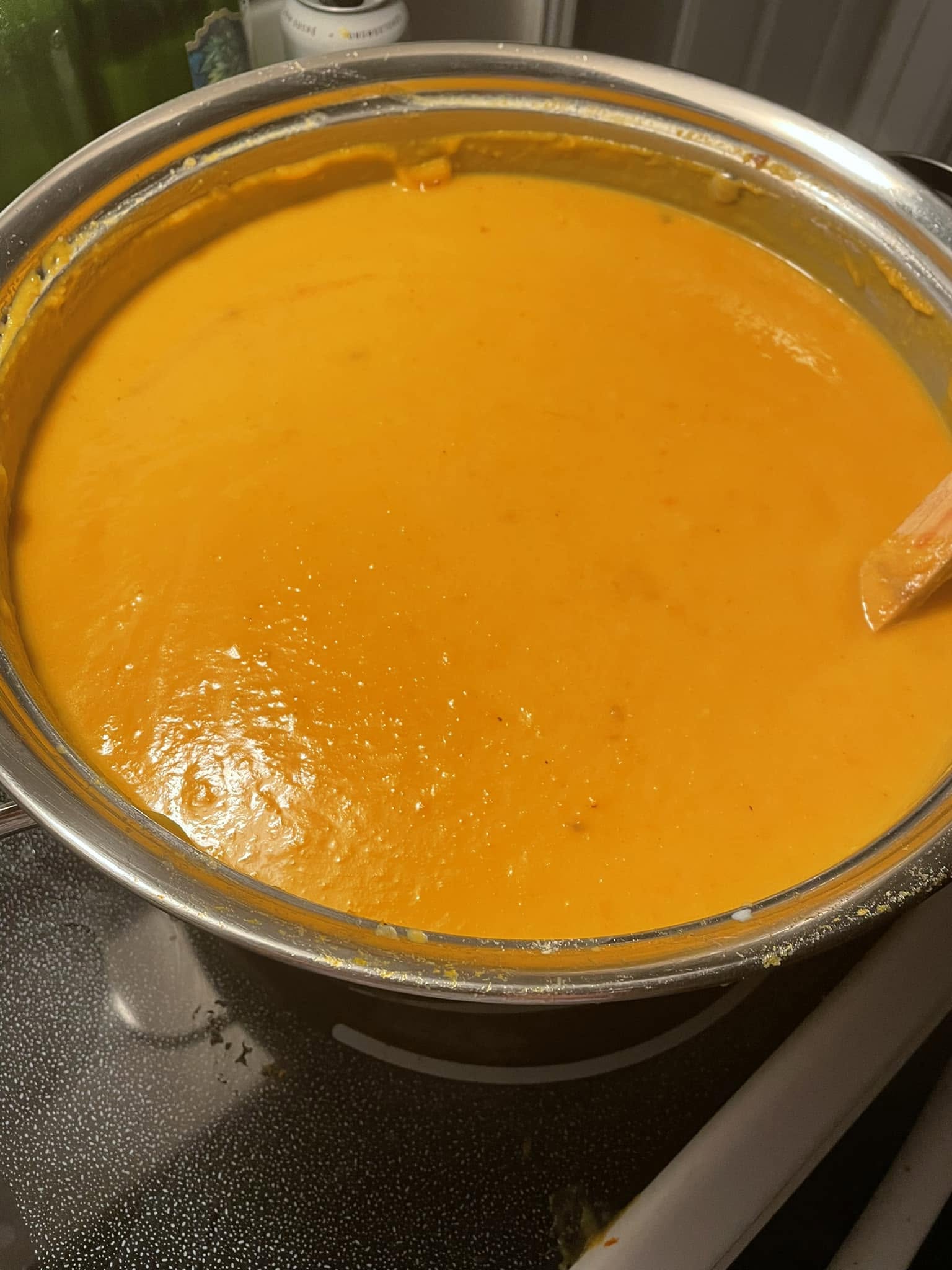
Roasted Butternut Squash Soup is a smooth, naturally sweet, and deeply comforting soup built around caramelized roasted squash, sautéed shallot, garlic, warm nutmeg, and a touch of maple syrup.
Roasting the squash rather than simply boiling it gives the soup much more depth. The high oven heat concentrates the squash’s natural sugars and creates lightly browned edges, while butter and olive oil add richness without overwhelming the delicate flavor.
The result is velvety, warming, and elegant enough for a holiday starter, yet simple enough for an everyday lunch or dinner.
Why People Will Love Roasted Butternut Squash Soup Recipe
Roasting brings out the natural sweetness of the butternut squash.
Light caramelization adds more depth than boiled squash.
The soup is naturally creamy without requiring heavy cream.
Shallot adds mild sweetness and savory complexity.
Garlic provides warmth and depth.
Maple syrup enhances the squash without making the soup dessert-like.
Nutmeg adds a subtle warm-spice aroma.
Butter gives the finished soup a silky, luxurious texture.
Vegetable broth keeps the soup light and allows the squash flavor to remain dominant.
The consistency can easily be adjusted from thick and velvety to lighter and more brothy.
It uses relatively few ingredients.
It can easily be made vegetarian or vegan.
It works beautifully as either a starter or a light main dish.
It is especially comforting during fall and winter.
Leftovers reheat very well.
Key Ingredients
Butternut Squash:
The main ingredient provides natural sweetness, body, color, and the velvety texture of the soup. Roasting concentrates its flavor and creates subtle caramelized notes.
Shallot:
Shallot is milder and slightly sweeter than regular onion, making it particularly well suited to a delicate squash soup.
Garlic:
Fresh garlic adds savory depth and prevents the soup from tasting overly sweet.
Maple Syrup:
Only a small amount is needed. It highlights the natural sweetness of the squash while adding a subtle caramel-like undertone.
Ground Nutmeg:
Nutmeg pairs naturally with winter squash and adds warmth without overpowering the soup.
Vegetable Broth:
The broth determines the final consistency and contributes savory flavor. A mild, low-sodium broth works especially well.
Olive Oil:
Olive oil helps the squash brown in the oven and is also used to soften the shallot and garlic.
Butter:
Butter is added at the end for richness, smoothness, and a more luxurious mouthfeel.
Expert Tips
Choose a butternut squash that feels heavy for its size.
Cut the squash as evenly as possible so both halves roast at the same rate.
Roast it cut-side down for better caramelization.
Do not worry about browned areas; they add valuable flavor.
Roast until the flesh is extremely tender, not merely fork-tender around the edges.
Allow the squash to cool slightly before scooping it from the skin.
Cook the shallot gently so it softens without burning.
Add garlic only near the end of sautéing because it cooks quickly.
Start with 3 cups of broth and add more later.
Use a high-powered blender for the silkiest texture.
Blend in batches if your blender is small.
Be cautious when blending hot liquids because steam can build pressure.
Add butter after blending for the smoothest finish.
Taste before adding extra maple syrup because squash sweetness varies.
Add black pepper at the end so its flavor remains fresh.
Roasted Butternut Squash Soup
Ingredients
1 large butternut squash, about 3 pounds, halved lengthwise and seeds removed
1 tablespoon extra-virgin olive oil, plus additional oil for brushing or drizzling
½ cup finely chopped shallot, about 1 large shallot
1 teaspoon kosher salt, or adjust to taste
4 garlic cloves, minced or pressed
1 teaspoon pure maple syrup
⅛ teaspoon ground nutmeg
Freshly ground black pepper, to taste
3 to 4 cups vegetable broth, depending on desired consistency
1 to 2 tablespoons unsalted butter, to taste
Instructions
Roast the Butternut Squash:
Preheat the oven to 425°F (220°C) and line a rimmed baking sheet with parchment paper.
Place the squash halves on the prepared pan, cut-side up. Drizzle each half with a small amount of olive oil, about ½ teaspoon per half, then rub the oil evenly over the flesh. Season lightly with salt and black pepper.
Turn the squash cut-side down and roast for about 40–50 minutes, or until completely tender when pierced with a fork. Light browning on the flesh or skin is perfectly fine and will add extra flavor.
Remove from the oven and let the squash cool for about 10 minutes, or until it is safe to handle.
Cook the Shallot and Garlic:
While the squash is cooling, heat 1 tablespoon olive oil in a large soup pot over medium heat.
Add the chopped shallot and 1 teaspoon salt. Cook for about 3–4 minutes, stirring frequently, until softened and lightly golden around the edges.
Add the minced garlic and cook for another 1 minute, stirring often, until fragrant.
Remove from the heat.
Blend the Soup:
Scoop the roasted squash flesh away from the skin and transfer it to a stand blender. Discard the skin.
Add the cooked shallot and garlic mixture, maple syrup, nutmeg, and a few grinds of black pepper.
Pour in 3 cups of vegetable broth, making sure not to exceed the blender’s maximum fill line. If necessary, blend the soup in batches.
Secure the lid carefully and blend on high until the soup is completely smooth, creamy, and velvety.
Adjust the Consistency:
If you prefer a thinner soup, gradually add up to 1 additional cup of vegetable broth and blend again until it reaches your desired consistency.
Add 1–2 tablespoons butter, or olive oil if preferred, and blend until fully incorporated.
Taste and adjust with additional salt or black pepper as needed.
Warm and Serve:
If the soup is already hot after blending, pour it directly into serving bowls.
If it has cooled, return it to the soup pot and warm gently over medium heat, stirring frequently, until steaming hot.
Serve warm with freshly ground black pepper on top and an optional drizzle of olive oil.
Important Notes When Making Roasted Butternut Squash Soup
Butternut squash varies naturally in sweetness.
Maple syrup should enhance the squash rather than dominate it.
Nutmeg is powerful, so only a small amount is needed.
Too much broth can make the soup thin and dilute the roasted flavor.
Add liquid gradually.
The soup will thicken slightly as it cools.
If using salted broth, reduce the added salt.
Butter is optional if you prefer a dairy-free version.
Olive oil can replace the butter.
A blender usually produces a smoother result than an immersion blender.
If using an immersion blender, make sure the squash is very soft.
Do not fill a blender completely with hot soup.
Reheat gently rather than boiling aggressively.
The soup can be made ahead and reheated successfully.
Freshly ground pepper and a drizzle of olive oil make simple but effective garnishes.
How to EnjoyRoasted Butternut Squash Soup After Cooking
Once the soup has been blended until silky, taste it carefully for salt, pepper, sweetness, and consistency.
If it feels too thick, stir in a little warm vegetable broth until it reaches the texture you prefer.
Serve the soup in warm bowls and finish each portion with freshly ground black pepper and a light drizzle of olive oil.
For extra richness, add a small swirl of cream, crème fraîche, Greek yogurt, or coconut milk.
For texture, garnish with toasted pumpkin seeds, roasted squash seeds, homemade croutons, crispy sage leaves, or chopped toasted pecans.
This soup pairs beautifully with crusty sourdough, garlic bread, grilled cheese sandwiches, or warm dinner rolls.
For a lighter meal, serve it alongside a green salad with apples, pears, cranberries, walnuts, or goat cheese.
It also makes an excellent first course before roasted chicken, turkey, pork, or a holiday dinner.
For the best experience, enjoy it warm rather than extremely hot so the subtle maple, nutmeg, roasted squash, and garlic flavors remain noticeable.
Nutrition Information
Approximate nutrition per serving, based on about 6 servings and using 1½ tablespoons butter:
Calories: 205 kcal | Total Fat: 8.5 g | Saturated Fat: 3.2 g | Monounsaturated Fat: 4.2 g | Polyunsaturated Fat: 0.8 g | Cholesterol: 12 mg | Sodium: 500–700 mg depending on vegetable broth and added salt | Total Carbohydrates: 31 g | Dietary Fiber: 5 g | Sugars: 8 g | Protein: 3.5 g
Additional estimate:
Potassium: 700–850 mg | Calcium: 90–120 mg | Iron: 1.5–2 mg | Vitamin A: 20,000–25,000 IU | Vitamin C: 30–40 mg
Note: Nutrition will vary depending on the exact size of the squash, amount of vegetable broth, butter used, and final serving size.
Frequently Asked Questions:
What does Roasted Butternut Squash Soup taste like?
It tastes naturally sweet, savory, slightly nutty, and gently spiced, with deeper roasted notes from caramelized squash.
Is this soup creamy even without heavy cream?
Yes. Butternut squash becomes naturally smooth and creamy when thoroughly roasted and blended.
What should I serve with Butternut Squash Soup?
Crusty bread, grilled cheese, salad, roasted vegetables, or sandwiches all pair beautifully with it.
Can this soup be vegan?
Yes. Use vegetable broth and replace the butter with olive oil or plant-based butter.
Is Roasted Butternut Squash Soup good for meal prep?
Yes. It reheats very well and can be prepared several days ahead.
Why should I roast the squash instead of boiling it?
Roasting concentrates its sweetness and creates caramelized flavors that make the soup much richer and more complex.
What should I do if the soup is too thick?
Blend or stir in additional vegetable broth a little at a time until it reaches your preferred consistency.
Can I use an immersion blender instead of a stand blender?
Yes. Transfer all the ingredients to a deep soup pot and blend until smooth, though the finished texture may be slightly less silky.
Why is my soup too sweet?
Your squash may have been naturally very sweet. Reduce or omit the maple syrup and balance the soup with extra salt, black pepper, or a small splash of lemon juice.
Can I freeze Roasted Butternut Squash Soup?
Yes. Cool it completely, freeze it in an airtight container, then thaw and reheat gently. Stir well after reheating to restore its smooth consistency.