Homemade Alfredo Sauce Recipe
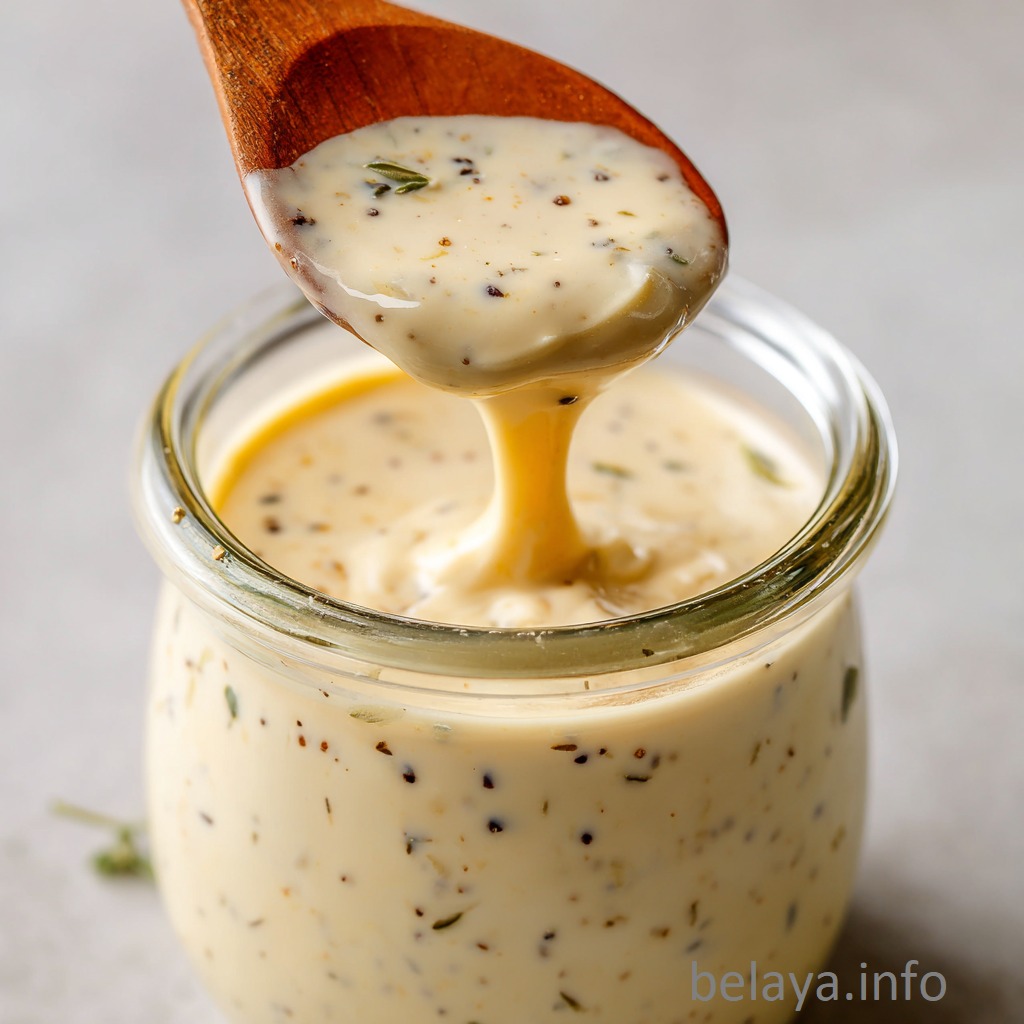
There’s something deeply comforting about a truly homemade Alfredo sauce—silky, rich, and full of bold, savory flavor that clings beautifully to every strand of pasta. Unlike store-bought versions, this sauce is crafted from simple, high-quality ingredients that melt together into a luxurious, restaurant-style finish.
What makes this version special is the balance: buttery smoothness, creamy depth, and a gentle kick of garlic and herbs that elevate it beyond just “cheese sauce.” The addition of cream cheese gives it extra body and stability, creating a foolproof Alfredo that stays velvety without separating.
Whether you’re tossing it with fettuccine, layering it into casseroles, or spooning it over chicken or seafood, this homemade Alfredo sauce transforms everyday meals into something indulgent and memorable.
Why People Will Love Homemade Alfredo Sauce Recipe
Ultra-Rich, Restaurant-Quality Flavor at Home– This Alfredo sauce delivers the same indulgent, velvety taste you’d expect from a high-end Italian restaurant, but with the comfort and control of home cooking. Every bite feels luxurious and satisfying.
Perfectly Balanced Creaminess – The combination of butter, heavy cream, cream cheese, and Parmesan creates a deeply layered texture—silky, thick, and smooth without being overly heavy or greasy.
Foolproof and Beginner-Friendly – With simple steps and forgiving ingredients, this recipe is incredibly reliable. The cream cheese helps stabilize the sauce, making it less likely to break or separate.
Deep, Savory Flavor Profile – Fresh garlic, garlic powder, and Italian herbs build a rich, aromatic base that enhances the natural umami of the Parmesan cheese.
Versatile for Endless Dishes – This isn’t just a pasta sauce. It works beautifully with chicken, shrimp, vegetables, casseroles, or even as a dipping sauce—making it a go-to recipe for multiple meals.
Quick Yet Impressive – Ready in minutes, but tastes like it took hours. It’s perfect for both busy weeknights and special occasions when you want to impress without stress.
Customizable to Your Taste – Easily adjust thickness, seasoning, or cheese intensity to match your preference. Add mushrooms, spinach, or protein to make it your own signature dish.
Made with Real, Simple Ingredients – No preservatives or artificial flavors—just wholesome ingredients that you can see, taste, and trust.
Comfort Food at Its Best – Warm, creamy, and deeply satisfying, this Alfredo sauce hits that emotional “comfort food” note that keeps people coming back for more.
Elevates Everyday Meals – Even the simplest pasta or grilled chicken becomes something special when coated in this rich, homemade sauce.
Key Ingredients:
Unsalted Butter – Acts as the foundational fat that gives the sauce its signature richness and smooth mouthfeel. Using unsalted butter allows precise control over seasoning, ensuring the final flavor is balanced rather than overly salty.
Heavy Cream – The heart of the sauce’s luxurious texture. Its high fat content creates a naturally thick, velvety consistency that coats pasta beautifully without needing flour or starch.
Cream Cheese – A subtle but powerful addition that enhances both texture and stability. It adds a slight tang while helping the sauce stay smooth, preventing separation and giving it a more indulgent body.
Fresh Minced Garlic – Brings a deep, aromatic intensity that infuses the sauce with warmth and complexity. Fresh garlic adds a sharper, more vibrant flavor compared to powdered alone.
Garlic Powder – Works alongside fresh garlic to build a layered garlic profile, providing a more rounded and evenly distributed flavor throughout the sauce.
Italian Herb Seasoning – A blend of dried herbs (like oregano, basil, and thyme) that adds depth and a subtle earthy note, elevating the sauce beyond a simple cream-and-cheese base.
Fine Salt & Freshly Ground Black Pepper – Essential for enhancing and balancing all flavors. Freshly ground pepper adds a gentle heat and aromatic finish that cuts through the richness.
Freshly Grated Parmesan Cheese – The key to authentic Alfredo flavor. It melts into the sauce, delivering a nutty, salty, umami-rich depth. Freshly grated is crucial for a smooth melt and superior taste compared to pre-shredded versions.
Expert Tips :
Use Freshly Grated Parmesan Only – Pre-shredded cheese often contains anti-caking agents that prevent smooth melting, leading to a grainy sauce. Grate Parmesan fresh for a silky, cohesive texture.
Keep the Heat Gentle and Controlled – Alfredo sauce should never boil aggressively. High heat can cause the fats to separate and the cheese to clump. Maintain a low to medium heat and let everything melt धीरे and evenly.
Add Cheese Gradually – Incorporate Parmesan in small handfuls while whisking constantly. This ensures it melts smoothly into the sauce instead of forming lumps.
Whisk Continuously for Emulsification – Constant whisking helps bind the butter, cream, and cheese into a stable, glossy sauce. This technique is key to achieving that restaurant-quality finish.
Balance Garlic Flavor Carefully – Fresh garlic can become overpowering if overcooked or used in excess. Cook it just until fragrant, not browned, to keep the flavor warm and aromatic rather than bitter.
Adjust Thickness with Precision – If the sauce becomes too thick, add a splash of warm cream or pasta water to loosen it. If too thin, allow it to simmer a bit longer while stirring to naturally reduce and thicken.
Salt at the Right Time – Parmesan is naturally salty, so always taste the sauce after adding cheese before adjusting salt. This prevents over-seasoning.
Use High-Quality Cream and Butter – Since this recipe relies on a few simple ingredients, their quality makes a big difference. Rich, full-fat dairy creates a noticeably better flavor and texture.
Serve Immediately for Best Texture – Alfredo sauce thickens quickly as it cools. For the creamiest experience, toss it with hot pasta right away and serve fresh.
Enhance with Pasta Water for Authentic Finish – Adding a bit of starchy pasta water not only adjusts consistency but also helps the sauce cling better to pasta, creating a more cohesive dish.
Avoid Overcooking After Cheese is Added – Once the Parmesan is fully melted, keep the sauce on low heat. Overcooking can break the emulsion and turn the sauce oily.
Layer Flavors Thoughtfully – Taste as you go. Small adjustments in garlic, herbs, or pepper can elevate the sauce from good to exceptional without overpowering its creamy base.
Homemade Alfredo Sauce Recipe
Ingredients
½ cup unsalted butter
2 cups heavy cream (about 1 pint)
4 ounces cream cheese
½ teaspoon fresh minced garlic
1 teaspoon garlic powder
1 teaspoon Italian herb seasoning
¼ teaspoon fine salt
¼ teaspoon freshly ground black pepper
1 cup Parmesan cheese, freshly grated
Instructions
Melt the Base
In a medium saucepan over medium heat, combine the butter, heavy whipping cream, and cream cheese. Whisk continuously until the mixture is smooth and fully melted.
Add Flavor
Stir in the minced garlic, garlic powder, Italian seasoning, salt, and black pepper. Whisk until all seasonings are evenly incorporated and the sauce is silky.
Incorporate the Cheese
Gradually add the freshly grated Parmesan cheese, whisking constantly to help it melt evenly into the sauce.
Simmer and Thicken
Bring the sauce to a gentle simmer. Continue whisking for 3–5 minutes, or until the sauce thickens to your desired consistency.
Serve
Toss with freshly cooked pasta, drizzle over chicken or seafood, or use as a creamy base for your favorite dishes. Serve immediately for the best texture and flavor.
Important Notes When Making Homemade Alfredo Sauce
This Is a Rich, Indulgent Sauce by Nature – Alfredo is meant to be luxurious and high in fat. Trying to significantly “lighten” it (low-fat cream, less butter) will change both the texture and flavor, often resulting in a thinner, less satisfying sauce.
Texture Depends on Temperature Control – The success of this sauce relies heavily on gentle heat. Too hot, and the fats separate; too cool, and the cheese won’t melt properly. Maintaining a steady medium-low temperature is critical.
Fresh Ingredients Make a Noticeable Difference – Because the ingredient list is simple, quality stands out. Fresh garlic and freshly grated Parmesan dramatically improve both flavor depth and final texture.
Cream Cheese Is a Stability Booster – While not always traditional, cream cheese helps emulsify the sauce, making it more forgiving and less likely to break—especially useful for beginners.
The Sauce Thickens as It Cools – Alfredo will continue to thicken off the heat. Always aim for a slightly looser consistency in the pan than your final desired texture.
Timing Matters When Combining with Pasta – For best results, toss the sauce with hot, freshly cooked pasta immediately. Waiting too long can cause the sauce to tighten and lose its silky finish.
Salt Levels Can Be Tricky – Parmesan contributes a significant amount of saltiness. Always taste after adding the cheese before adjusting seasoning to avoid over-salting.
Not Ideal for Long Holding or Reheating – Alfredo sauce is best enjoyed fresh. Reheating can cause separation or a grainy texture unless done very gently with added liquid (like cream or milk).
Avoid Substituting with Pre-Packaged Cheese – Pre-grated cheeses often contain additives that prevent smooth melting, leading to a gritty or clumpy sauce.
Flavor Deepens Slightly Over Time – While best served fresh, letting the sauce sit for a few minutes before serving can allow the flavors (garlic, herbs, cheese) to meld more fully.
Pairs Best with Simple Bases – Because of its richness, Alfredo works best with neutral carriers like pasta, chicken, or mild seafood—allowing the sauce to remain the star without overwhelming the dish.
Small Adjustments Have Big Impact – Even slight changes in garlic, pepper, or cheese quantity can noticeably shift the flavor profile, so adjust gradually and taste frequently.
How to Enjoy Homemade Alfredo Sauce After Cooking
Serve Immediately While Hot and Silky
Alfredo sauce is at its absolute best right after cooking—smooth, glossy, and perfectly fluid. As it cools, it thickens quickly, so timing is key. Have your pasta or protein ready so you can serve without delay.
Toss with Freshly Cooked Pasta (Not Just Pour Over)
Instead of spooning sauce on top, toss hot pasta directly in the pan with the sauce. This allows the starch from the pasta to bind with the sauce, creating a cohesive, restaurant-style coating that clings to every bite.
Use Pasta Water to Perfect the Texture
Add a small splash of reserved pasta water while tossing. The starch helps emulsify the sauce further, making it smoother and helping it coat the noodles more evenly.
Choose the Right Pasta Shape
Long noodles like fettuccine or linguine are ideal because they hold onto the creamy sauce beautifully. However, short pasta like penne or rigatoni can trap the sauce inside, giving a richer bite.
Pair with the Right Proteins
Elevate the dish by adding grilled chicken, sautéed shrimp, or even seared scallops. The mild, savory flavors of these proteins balance the richness of the Alfredo without overpowering it.
Add Light Garnishes for Contrast
Finish with freshly chopped parsley, a sprinkle of extra Parmesan, or a crack of black pepper. These simple touches add freshness and cut through the richness visually and flavor-wise.
Balance with a Fresh Side Dish
Since Alfredo is rich, pair it with something light like a crisp green salad or steamed vegetables. This contrast keeps the meal from feeling too heavy.
Control Portion Size Thoughtfully
Because the sauce is dense and filling, smaller portions are often more satisfying. Focus on quality and balance rather than large servings.
Enhance with Subtle Flavor Additions
A pinch of red pepper flakes for heat or a squeeze of lemon juice can brighten the dish and add complexity without overwhelming the creamy base.
Serve on Warm Plates
Warm your plates slightly before serving. This helps maintain the sauce’s creamy consistency longer and enhances the overall dining experience.
Enjoy as a Versatile Base
Don’t limit it to pasta—use Alfredo as a base for pizza, casseroles, or even as a dipping sauce for breadsticks. Its versatility makes it a staple beyond a single dish.
Reheat Gently If Needed
If you must reheat, do it over low heat with a splash of cream or milk, stirring constantly. This helps bring back the smooth texture without breaking the sauce.
Create a Restaurant-Style Experience at Home
Plate neatly, garnish thoughtfully, and serve immediately. Pair with a simple drink and enjoy slowly—this dish is meant to feel indulgent and satisfying, not rushed.
Nutrition Information:
About 3 to 4 servings (approximately 2 cups of sauce)
- Enough to coat 8–12 oz (225–340 g) of pasta generously
- Or serve 3–4 people as a main pasta dish
- Can stretch to 4–6 servings if used as a lighter sauce or paired with proteins and sides
Calories: 220 kcal | Total Fat: 22 g | Saturated Fat: 13 g | Monounsaturated Fat: 6 g | Polyunsaturated Fat: 1 g | Cholesterol: 65 mg | Sodium: 320–380 mg (depending on added salt and cheese) | Total Carbohydrates: 3 g | Dietary Fiber: 0 g | Sugars: 1.5 g | Protein: 5 g
Frequently Asked Questions:
Can I make Alfredo sauce ahead of time?
Yes, but it’s best enjoyed fresh. If you need to make it ahead, store it in an airtight container in the refrigerator for up to 2–3 days. When reheating, use low heat and add a splash of cream or milk while stirring to restore its smooth, creamy texture.
Why did my Alfredo sauce turn grainy or separate?
This usually happens بسبب high heat or using pre-shredded cheese. Always cook over gentle heat and use freshly grated Parmesan. Also, add the cheese gradually while whisking लगातार to maintain a stable emulsion.
Can I substitute milk for heavy cream?
You can, but the result will be much thinner and less rich. If using milk, consider adding a small amount of flour or extra cheese to help thicken the sauce, though it won’t have the same luxurious texture as the original.
How do I thicken or thin the sauce properly?
To thicken, let the sauce simmer gently for a few extra minutes while stirring. To thin it, add warm cream, milk, or reserved pasta water in small amounts until you reach your desired consistency.
What are the best ways to customize this Alfredo sauce?
You can elevate it by adding sautéed mushrooms, spinach, or sun-dried tomatoes. For protein, grilled chicken, shrimp, or salmon work beautifully. You can also add a pinch of red pepper flakes or a squeeze of lemon juice to brighten the flavor.
What is the correct order of adding ingredients for the best texture?
Start by melting butter, cream, and cream cheese together first to create a smooth base. Then add garlic and seasonings to build flavor. Parmesan should always go in last, gradually, once the base is fully melted and smooth—this prevents clumping and ensures a silky finish.
How do I prevent the sauce from curdling or breaking?
Keep the heat at medium-low and avoid boiling. High heat causes the fats to separate and the cheese to tighten. Constant whisking helps maintain a stable emulsion, keeping the sauce smooth and glossy.
Why is my sauce too thick or too thin during cooking?
Thickness changes quickly in Alfredo. If it’s too thick, add warm cream or pasta water a little at a time. If it’s too thin, let it simmer gently for a few more minutes while stirring—never rush by increasing the heat.
When should I add the Parmesan cheese exactly?
Add Parmesan only after the sauce base is fully melted and combined, and the heat is reduced. Sprinkle it in gradually while whisking constantly—this ensures even melting and prevents a grainy texture.
How do I know when the sauce is perfectly done?
The sauce is ready when it coats the back of a spoon (you can draw a line through it and it holds briefly). It should look smooth, slightly thick, and glossy—not watery, not overly stiff.