Creamy Shrimp Linguine Explosion
Creamy Shrimp Linguine Explosion is the kind of dish that feels both indulgent and effortless—where silky pasta, tender shrimp, and a rich, velvety sauce come together in perfect harmony. Each bite delivers layers of flavor: the sweetness of shrimp, the warmth of garlic, the subtle depth of white wine, and the luxurious creaminess that coats every strand of linguine.
What makes this recipe truly stand out is its balance. Despite its rich texture, the brightness of lemon juice and the freshness of parsley keep the dish from feeling heavy, creating a refined, restaurant-quality experience at home. The sauce clings beautifully to the pasta, ensuring every forkful is full of flavor.
This is more than just a pasta dish—it’s a moment of comfort and elegance combined. Whether you’re cooking for a special dinner or simply treating yourself, it transforms simple ingredients into something bold, satisfying, and unforgettable.
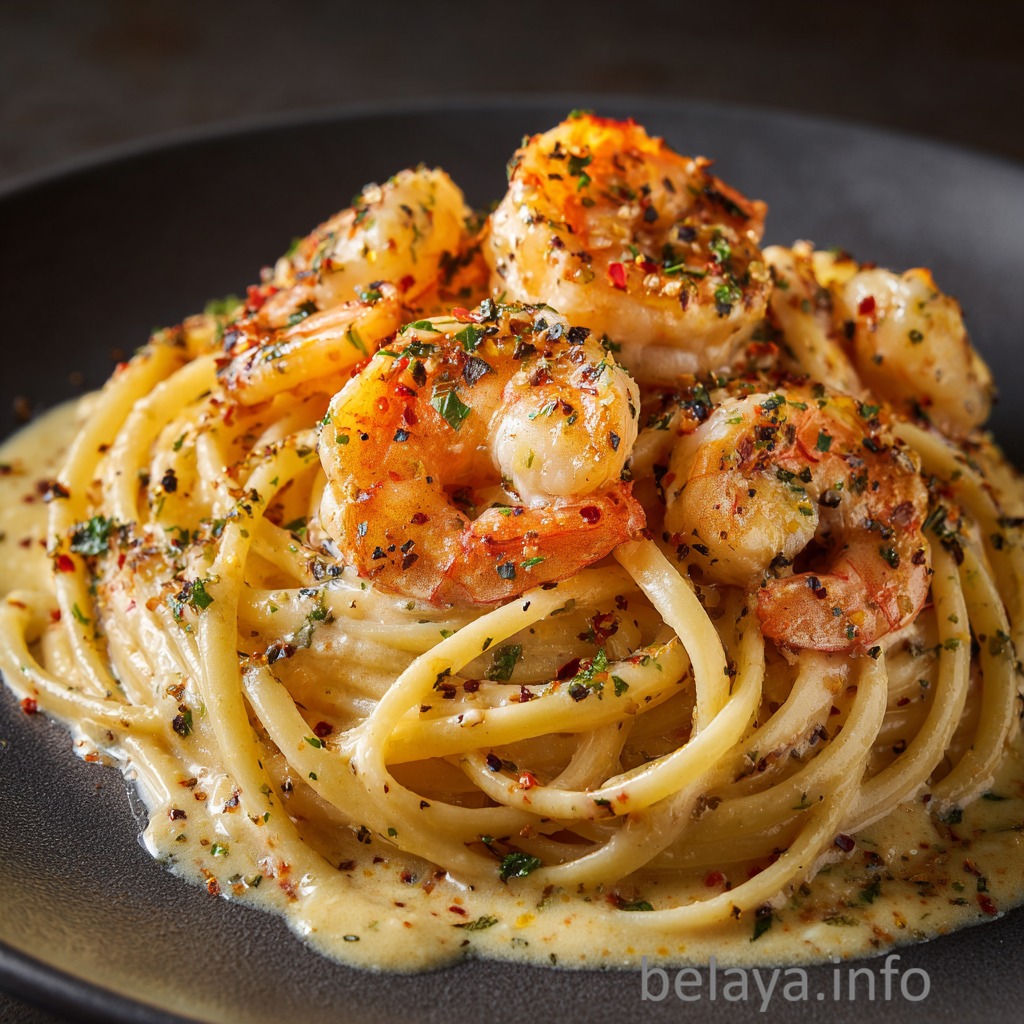
Why People Will Love This Creamy Shrimp Linguine Explosion Recipe
Restaurant-quality at home – This dish delivers the richness and elegance of a high-end seafood pasta, yet it’s simple enough to make in your own kitchen without complicated techniques.
Perfect balance of richness and freshness – The creamy sauce feels indulgent, but the lemon juice and parsley add brightness that keeps every bite from becoming too heavy.
Juicy, tender shrimp in every bite – Properly seared shrimp bring a natural sweetness and delicate texture that pairs beautifully with the silky pasta.
Deep, layered flavor from simple ingredients – Garlic, olive oil, wine, cream, and Parmesan work together to create a sauce that tastes complex and well-developed.
Quick yet impressive – Despite its luxurious feel, this recipe comes together relatively fast, making it perfect for both weeknight dinners and special occasions.
Silky, perfectly coated pasta – The linguine absorbs the creamy sauce, ensuring every strand is flavorful and satisfying.
Customizable to your taste – You can adjust the spice level, swap wine for broth, or add vegetables like spinach or mushrooms to make it your own.
Comfort food with a refined touch – It has the cozy appeal of creamy pasta while still feeling elegant and elevated.
Great for entertaining – This dish looks beautiful on the plate and feels special, making it ideal for serving guests or celebrating occasions.
Irresistible flavor combination – The blend of seafood, garlic, cream, and cheese creates a classic pairing that is rich, comforting, and universally loved.
Key Ingredients (Deep Dive)
Shrimp – The star of the dish, shrimp brings a natural sweetness and delicate, juicy texture. When seared properly, it develops a light golden edge that adds depth while staying tender inside.
Linguine Pasta – Its long, flat shape is perfect for holding onto creamy sauces. Each strand becomes coated in the rich sauce, creating a smooth and satisfying bite every time.
Garlic – A foundational flavor that infuses the oil and sauce with warmth and aroma. It enhances the shrimp without overpowering its natural taste.
Olive Oil – Used to sauté and sear, it adds a subtle richness and helps carry the flavors of garlic and shrimp throughout the dish.
White Wine (or Chicken Broth) – Adds depth and complexity by deglazing the pan and lifting the browned bits. It introduces a light acidity that balances the richness of the cream.
Heavy Cream – The base of the sauce, creating a silky, luxurious texture that binds all the ingredients together into a cohesive, indulgent dish.
Parmesan Cheese – Adds a savory, nutty richness and helps thicken the sauce slightly, giving it body and depth.
Lemon Juice – A small but powerful ingredient that brightens the entire dish, cutting through the creaminess and enhancing the seafood flavor.
Red Pepper Flakes (Optional) – Provides a gentle heat that adds contrast and keeps the dish from feeling too rich.
Fresh Parsley – A finishing touch that adds color, freshness, and a light herbal note to balance the creamy sauce.
Expert Tips:
Don’t overcook the shrimp
Shrimp cook very quickly—usually 2–3 minutes per side. As soon as they turn pink and opaque, remove them from the pan. Overcooking will make them rubbery and dry.
Season the shrimp before searing
Lightly seasoning with salt and pepper before cooking enhances their natural flavor and helps create a better sear.
Use the same pan for maximum flavor
After cooking the shrimp, keep the browned bits (fond) in the pan. These add depth when you deglaze with wine or broth—this is where a lot of flavor comes from.
Control the garlic carefully
Garlic should be sautéed just until fragrant (about 30 seconds). If it burns, it will turn bitter and affect the entire sauce.
Let the wine reduce properly
Allow the wine (or broth) to simmer and reduce slightly before adding cream. This concentrates the flavor and prevents the sauce from tasting too thin.
Simmer, don’t boil the cream
Keep the heat at a gentle simmer when adding cream. Boiling can cause the sauce to separate and lose its smooth texture.
Add Parmesan off the heat or on low
High heat can make cheese clump or become grainy. Stir it in gradually on low heat for a silky, smooth finish.
Reserve pasta water for perfect consistency
Save a small cup of pasta cooking water. If the sauce becomes too thick, adding a splash helps loosen it while keeping the sauce glossy and cohesive.
Toss pasta directly in the sauce
Instead of pouring sauce over pasta, mix the linguine directly into the pan. This helps the sauce cling better to every strand.
Finish with lemon at the end
Add lemon juice after the sauce is done cooking. Heat can dull its brightness, so adding it last keeps the flavor fresh and vibrant.
Balance richness with texture
If the dish feels too heavy, add fresh elements like parsley or even a handful of spinach to lighten the overall feel.
Serve immediately for best quality
Cream-based pasta is best enjoyed right away. As it sits, the sauce thickens and the pasta absorbs moisture, changing the texture.
Creamy Shrimp Linguine Explosion
Ingredients
12 oz linguine pasta
1 lb large shrimp, peeled and deveined
2 tbsp extra-virgin olive oil
4 garlic cloves, finely minced
1/2 tsp crushed red pepper flakes (optional, for heat)
1/2 cup dry white wine or low-sodium chicken broth
1 cup heavy cream
1/2 cup freshly grated Parmesan cheese
1 tbsp freshly squeezed lemon juice
Salt and freshly ground black pepper, to taste
2 tbsp fresh parsley, finely chopped
Instructions:
Cook the pasta
Boil the linguine in salted water according to package directions until just al dente. Drain well and set aside.
Sear the shrimp
Heat olive oil in a large skillet over medium heat. Season the shrimp with salt and black pepper, then cook for 2–3 minutes per side, or until they turn pink and opaque. Transfer shrimp to a plate and keep warm.
Build the flavor base
In the same skillet, add the minced garlic and red pepper flakes. Sauté for about 30 seconds, just until aromatic.
Deglaze the pan
Pour in the white wine (or chicken broth), scraping up any browned bits from the bottom of the pan. Allow the liquid to simmer for 2–3 minutes to reduce slightly.
Create the creamy sauce
Stir in the heavy cream and bring to a gentle simmer. Let it cook for 3–4 minutes until the sauce begins to thicken.
Melt in the cheese
Add the Parmesan cheese and stir until smooth and creamy. Finish with a splash of fresh lemon juice.
Combine shrimp and pasta
Return the shrimp to the pan, tossing them in the sauce. Add the linguine and mix until every strand is coated.
Finish and serve
Sprinkle with freshly chopped parsley and serve hot.
Important Notes When Making Creamy Shrimp Linguine Explosion
Timing is everything
This dish comes together quickly, so it’s important to have all ingredients prepped before you start cooking. Overcooking even one component—especially the shrimp or sauce—can affect the final texture.
Shrimp quality matters
Use fresh or properly thawed shrimp for the best flavor and texture. Avoid over-processed shrimp, as they can release excess water and dilute the sauce.
Avoid overcooking the shrimp
Shrimp should be tender and slightly firm. Cooking them too long will make them rubbery and reduce the overall quality of the dish.
Cream sauces are sensitive to heat
High heat can cause the sauce to separate or become oily. Always keep the sauce at a gentle simmer to maintain a smooth, velvety consistency.
Parmesan affects saltiness
Parmesan cheese adds natural saltiness. Taste before adding extra salt to avoid over-seasoning.
Pasta continues to absorb sauce
After combining, the linguine will keep soaking up the sauce. If the dish sits too long, it may become thicker—add a splash of pasta water or broth when needed.
Balance richness with acidity
The lemon juice is essential—it cuts through the creaminess and keeps the dish from feeling too heavy or overwhelming.
Serve immediately for best texture
This dish is at its peak right after cooking. Letting it sit too long can cause the sauce to thicken and the pasta to lose its silky texture.
Wine substitution affects flavor depth
Using white wine adds complexity and slight acidity. If using broth instead, the flavor will be milder and less layered, but still delicious.
Garlic can easily overpower
While garlic adds depth, too much or overcooked garlic can dominate the dish. Keep it balanced and lightly sautéed.
Customize carefully
You can add vegetables like spinach or mushrooms, but avoid overcrowding the dish—too many additions can dilute the creamy, shrimp-forward flavor.
Not ideal for long storage
Cream-based pasta doesn’t reheat as well as broth-based dishes. The sauce may separate or become too thick, so it’s best enjoyed fresh or shortly after cooking.
How to Enjoy Creamy Shrimp Linguine Explosion After Cooking
Serve immediately for peak texture
This dish is at its absolute best right after cooking. The sauce is silky, the shrimp are tender, and the pasta is perfectly coated. Waiting too long can cause the sauce to thicken and lose its smooth finish.
Plate with intention
Twirl the linguine into a nest using tongs and place it neatly on the plate. Arrange shrimp on top for a clean, restaurant-style presentation that highlights the star ingredient.
Finish with fresh elements
Just before serving, add:
- A sprinkle of fresh parsley for color and brightness
- Extra Parmesan cheese for richness
- A light squeeze of lemon juice to enhance freshness
Adjust the final texture if needed
If the pasta has absorbed too much sauce, add a splash of warm pasta water or broth and gently toss to bring back a glossy, fluid consistency.
Pair it thoughtfully
- Light pairing: a crisp green salad
- Comfort pairing: warm crusty bread to soak up the sauce
- Drink pairing: a glass of dry white wine to complement the flavors
Enjoy in moderate portions
This is a rich dish, so slightly smaller portions allow you to fully enjoy the flavors without feeling overly full.
Enhance each bite
Add freshly cracked black pepper or a pinch of red pepper flakes for a subtle kick that contrasts the creamy sauce.
Reheat gently if needed
If you must reheat, do so over low heat with a splash of milk, cream, or broth. Stir gently to restore the sauce’s smooth texture—avoid high heat to prevent separation.
Refresh leftovers before serving
Add a bit of fresh parsley or lemon juice after reheating to revive the dish and bring back brightness.
Create a full dining experience
Serve it in a warm plate, with soft lighting or a relaxed setting—this dish feels special and deserves to be enjoyed slowly.
Savor slowly
Take time with each bite. The combination of creamy sauce, garlic, shrimp, and pasta is rich and layered—best appreciated at a relaxed pace.
Enjoy the contrast of flavors and textures
Notice the balance between the tender shrimp, silky pasta, and creamy sauce with a hint of citrus—it’s what makes this dish truly memorable.
Nutrition Information:
For Creamy Shrimp Linguine Explosion (per serving, based on ~4 servings total):
Calories: 620 kcal | Total Fat: 28 g | Saturated Fat: 14 g | Monounsaturated Fat: 9 g | Polyunsaturated Fat: 3 g | Cholesterol: 185 mg | Sodium: 520–720 mg (depending on broth/cheese and added salt) | Total Carbohydrates: 55 g | Dietary Fiber: 3 g | Sugars: 4 g | Protein: 32 g
Frequently Asked Questions
Can I use frozen shrimp for this recipe?
Yes, frozen shrimp work perfectly. Just make sure to thaw them completely and pat them dry before cooking to avoid excess water that can dilute the sauce.
What can I use instead of white wine?
You can substitute with low-sodium chicken broth or seafood broth. The flavor will be slightly less complex, but still delicious and well-balanced.
Can I make this dish lighter?
Yes. You can replace heavy cream with half-and-half or a mix of milk and a little cream. Keep in mind the sauce will be less rich and slightly thinner.
How do I prevent the sauce from becoming too thick?
If the sauce thickens too much, add a splash of reserved pasta water, broth, or milk while tossing the pasta to loosen it and restore a silky consistency.
Can I add vegetables to this pasta?
Absolutely. Ingredients like spinach, mushrooms, cherry tomatoes, or asparagus pair well and add color, texture, and extra nutrition without overpowering the dish.
How do I know when the shrimp are perfectly cooked?
Shrimp are done when they turn pink, opaque, and curl into a loose “C” shape. If they curl tightly into an “O,” they’re likely overcooked. Remove them from heat immediately to keep them tender.
Why did my cream sauce turn grainy or separate?
This usually happens if the heat is too high. Keep the sauce at a gentle simmer, and add Parmesan slowly on low heat while stirring to maintain a smooth, creamy texture.
When should I combine the pasta with the sauce?
Add the cooked linguine directly into the sauce while it’s still warm, then toss immediately. This helps the pasta absorb the sauce and ensures every strand is evenly coated.
How can I build more flavor in the sauce?
Make sure to deglaze the pan properly after cooking the shrimp. Scrape up the browned bits and let the wine (or broth) reduce slightly—this step adds depth and richness to the final dish.
What’s the best way to control the thickness of the sauce while cooking?
If the sauce becomes too thick, add a splash of reserved pasta water or broth. If it’s too thin, let it simmer a bit longer to reduce and thicken naturally without overcooking the shrimp.