Oyster Stew
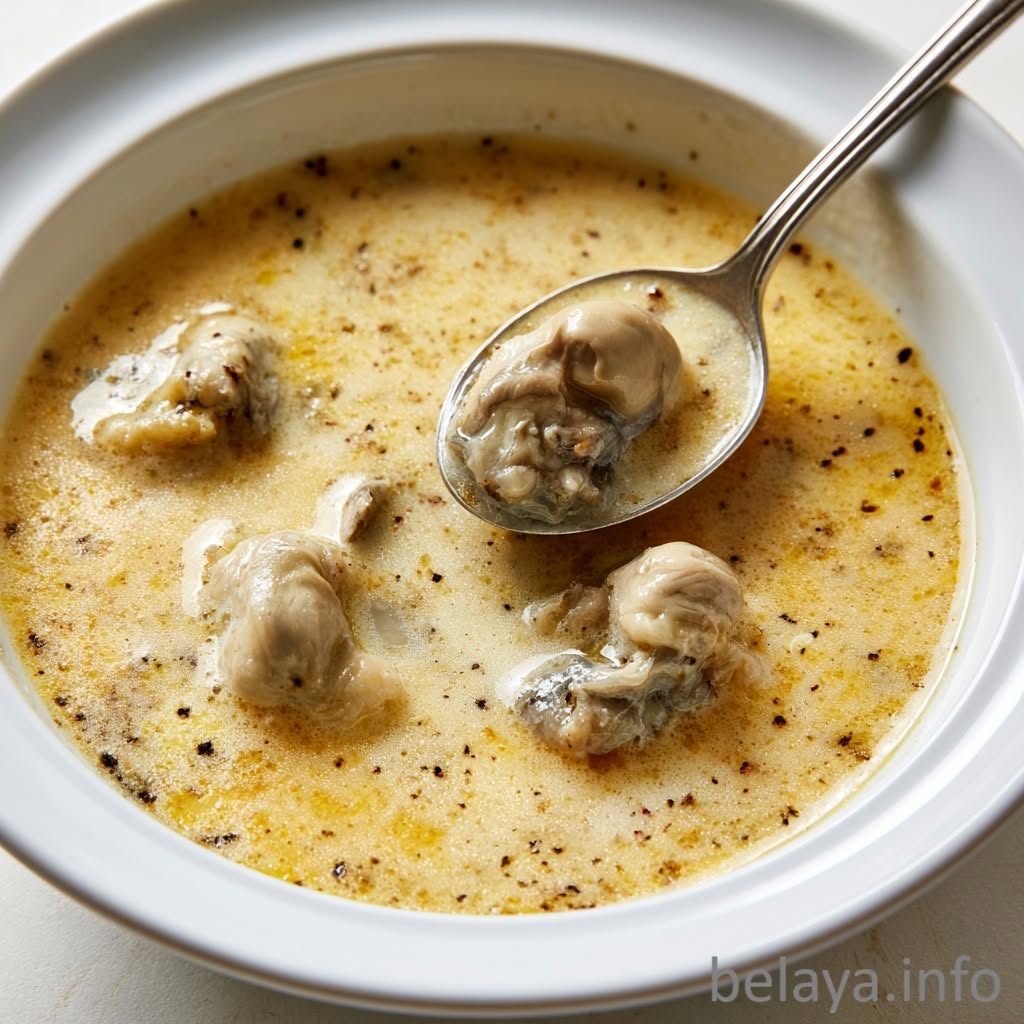
Oyster Stew is a classic, old-fashioned comfort dish that feels simple, elegant, and deeply soothing. It is made with fresh oysters, butter, onion, garlic, milk or half-and-half, and a few warm spices, creating a creamy seafood stew that is rich without being complicated.
The beauty of this recipe comes from restraint. Instead of covering the oysters with too many ingredients, the stew allows their natural briny flavor to shine. The reserved oyster liquor adds a delicate ocean-like depth, while butter, milk, garlic, paprika, and black pepper create warmth and softness around it.
This is the kind of dish that feels quiet and comforting. It is perfect for cold evenings, holiday meals, coastal-style dinners, or anytime you want something creamy, nourishing, and deeply traditional.
Why People Will Love Oyster Stew Recipe
It is creamy, warm, and deeply comforting.
The fresh oysters bring a delicate briny flavor that makes the stew special.
The reserved oyster liquor gives the broth natural seafood depth.
Butter adds richness and a silky texture.
Onion and garlic create a soft aromatic base without overpowering the oysters.
Paprika and cayenne add gentle warmth and color.
It is simple to make but feels elegant and traditional.
The stew comes together quickly, making it perfect for a cozy meal.
It feels light compared to heavy cream soups but still tastes rich.
It is a beautiful recipe for seafood lovers.
It works well for holidays, winter dinners, or special family meals.
Every spoonful tastes smooth, savory, buttery, and slightly ocean-sweet.
Key Ingredients
Fresh Raw Oysters:
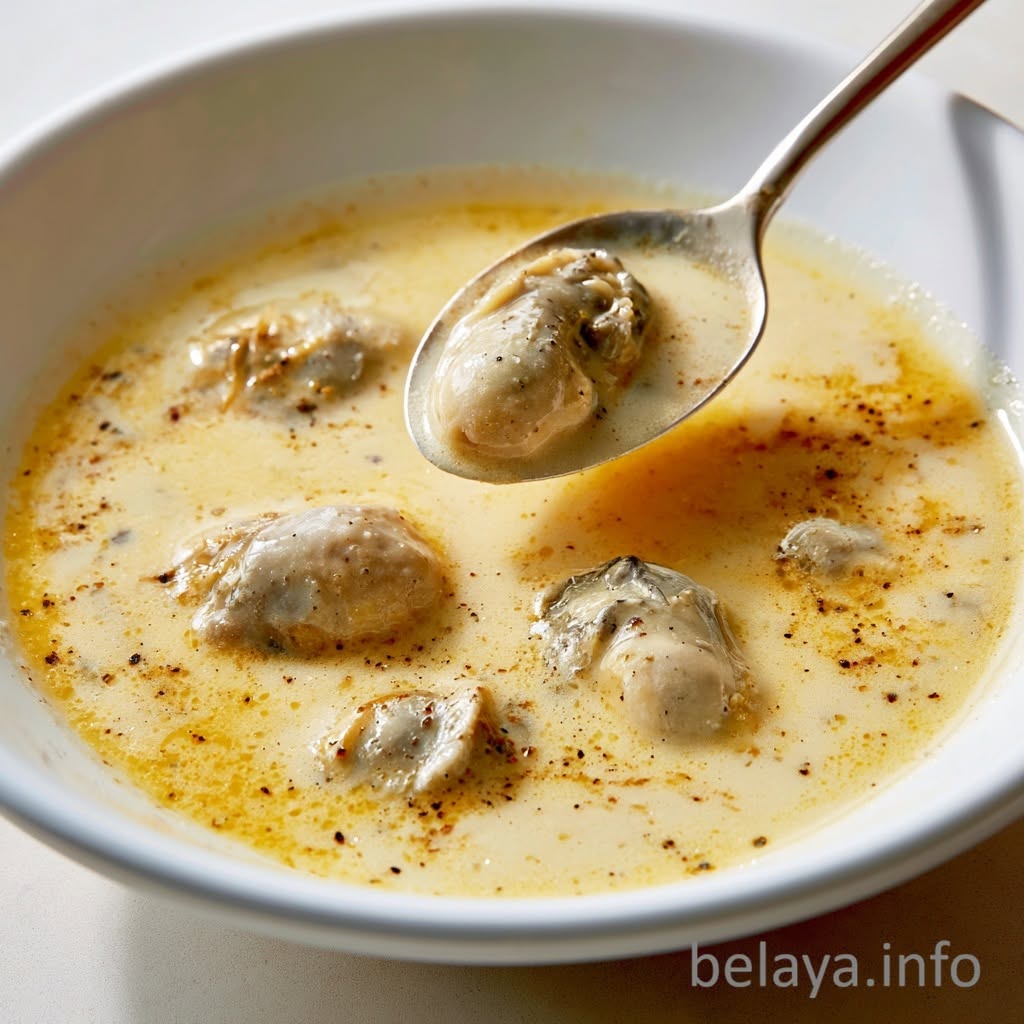
Oysters are the heart of this stew. They bring a delicate briny sweetness and tender texture. When cooked gently, their edges curl slightly and the inside stays soft and juicy.
Oyster Liquor:
The natural juice from the oysters is extremely important. It gives the stew its deep seafood flavor and makes the broth taste more authentic, layered, and ocean-like.
Unsalted Butter:
Butter creates a rich foundation for the stew. It softens the onion, carries the spices, and gives the broth a silky, comforting texture.
Onion:
Finely chopped onion adds gentle sweetness and body. When cooked until translucent, it blends into the broth and supports the oyster flavor without taking over.
Garlic:
Garlic adds warmth and aroma. A small amount gives the stew more depth while still keeping the flavor clean and delicate.
Whole Milk or Half-and-Half:
Milk creates a smooth, creamy broth. Whole milk keeps the stew lighter, while half-and-half makes it richer and more luxurious.
Paprika:
Paprika adds soft color and subtle warmth. It gives the stew a deeper, more rounded flavor.
Cayenne or Ground Red Pepper:
A small pinch of heat wakes up the creamy broth. It should not make the stew spicy, only warmer and more balanced.
Black Pepper:
Freshly ground black pepper adds gentle sharpness and helps balance the richness of the milk and butter.
Dried Parsley:
Parsley adds a mild herbal note and a simple finishing touch. It gives the creamy stew a little freshness.
Expert Tips
Use the freshest oysters possible for the cleanest flavor.
Always reserve the oyster liquor because it gives the stew its signature seafood depth.
Strain the oyster liquor if needed to remove any shell pieces or grit.
Cook the onion until soft and translucent so it blends smoothly into the broth.
Do not let the garlic burn, or it can make the stew taste bitter.
Toast the paprika and cayenne briefly in the butter to deepen their aroma.
Heat the milk slowly over low heat to prevent curdling or scorching.
Never boil the stew after adding the milk.
Add the oysters only near the end because they cook very quickly.
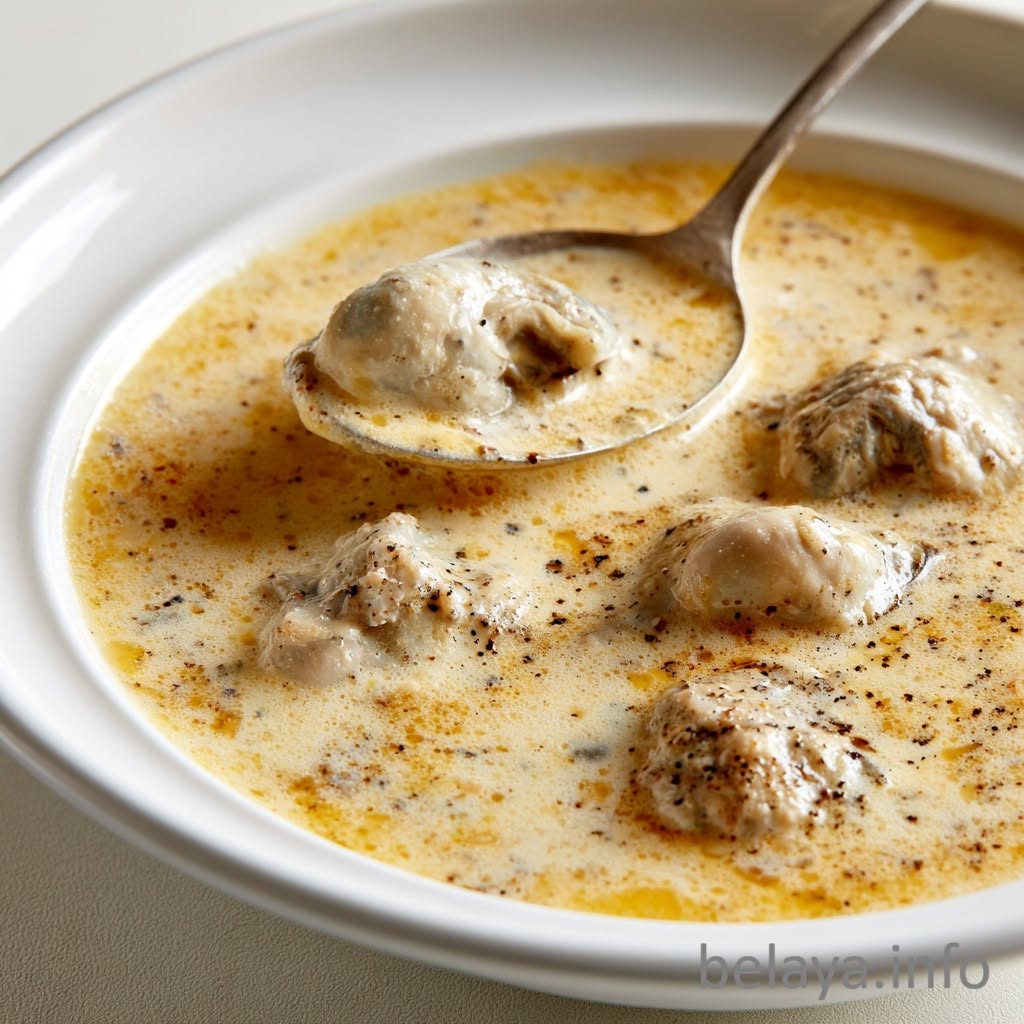
The oysters are done when their edges begin to curl.
Overcooked oysters can become rubbery, so keep the heat gentle.
Taste the stew after adding the oyster liquor before adding more salt.
Serve immediately for the best oyster texture and freshest flavor.
Oyster Stew Recipe
Ingredients
4 tablespoons unsalted butter
1 large onion, finely chopped
2 cloves garlic, minced or grated
¼ teaspoon cayenne or ground red pepper
¼ teaspoon paprika
¼ teaspoon sea salt (or to taste)
½ teaspoon freshly ground black pepper
6 cups whole milk or half-and-half
1 teaspoon dried parsley flakes
16 ounces fresh raw oysters, with their juices reserved
Instructions
In a heavy-bottomed 3-quart saucepan, melt the butter over medium heat.
Add the finely diced onion and sauté until soft and translucent, about 5 minutes.
Stir in the garlic and cook for another 1–2 minutes, keeping a close eye so it doesn’t scorch.
Sprinkle in the red pepper, paprika, salt, and black pepper. Stir constantly for about 1 minute to gently toast the spices and release their aroma.
Drain the oysters, making sure to reserve the oyster liquor (the natural juices).
Lower the heat to low, then pour in the milk, parsley, and the reserved oyster liquor.
Slowly heat the mixture until it’s steaming and small bubbles form around the edges—avoid letting it come to a boil.
Add the oysters and cook gently for just a few minutes, until their edges start to curl.
Taste and adjust seasoning with additional salt and pepper if needed.
Ladle into bowls and serve hot. Enjoy this comforting stew!
Important Notes When Making Oyster Stew Recipe
This stew should be gently heated, not boiled.
Whole milk gives a lighter stew, while half-and-half creates a richer version.
The saltiness of oysters and oyster liquor can vary, so season carefully.
Fresh oysters cook in only a few minutes.
If the stew boils, the milk may separate and the oysters may become tough.
A heavy-bottomed saucepan helps prevent the milk from scorching.
If using jarred oysters, check that they are fresh and packed with their natural liquid.
The stew is best served right after cooking.
Leftovers can be reheated gently, but the oysters may become firmer.
Serve with crackers, crusty bread, or toast to enjoy the creamy broth.
How to Enjoy Oyster Stew Recipe After Cooking
Oyster Stew is best enjoyed immediately after cooking, while the broth is hot, creamy, and fragrant and the oysters are still tender. Once the oysters have curled around the edges, ladle the stew into warm bowls and serve right away.
For a classic presentation, finish each bowl with a little extra black pepper, a small pat of butter, fresh parsley, or a light sprinkle of paprika. These simple touches make the stew look warm and inviting without covering the delicate oyster flavor.
This stew pairs beautifully with oyster crackers, saltine crackers, toasted bread, sourdough, or warm dinner rolls. The bread or crackers help soak up the creamy broth and make the dish feel more complete.
Serve it as a light main course, a holiday starter, or a cozy winter meal. Because the stew is rich and creamy, it pairs well with simple sides like a crisp green salad, roasted vegetables, lemony greens, or a small plate of fresh fruit.
For the best experience, eat it slowly while hot. The flavor becomes more noticeable as the broth cools slightly—the butter, milk, oyster liquor, garlic, and gentle spices come together into a smooth, comforting balance.
If reheating leftovers, warm the stew slowly over low heat. Do not boil it. Stir gently and heat only until warm to protect the texture of the oysters and keep the broth smooth.
Nutrition Information
Approximate nutrition per serving, based on 6 servings using whole milk:
Calories: 280 kcal | Total Fat: 16 g | Saturated Fat: 9.5 g | Monounsaturated Fat: 4.5 g | Polyunsaturated Fat: 0.8 g | Cholesterol: 80 mg | Sodium: 420–720 mg depending on oysters, oyster liquor, milk, and added salt | Total Carbohydrates: 17 g | Dietary Fiber: 0.5 g | Sugars: 12 g | Protein: 15 g
Additional estimate:
Calcium: 260–340 mg | Potassium: 430–620 mg | Iron: 4–7 mg | Zinc: 25–40 mg | Vitamin B12: 10–18 mcg | Vitamin A: 650–950 IU
Note: Nutrition will be higher in calories and fat if half-and-half is used instead of whole milk.
Frequently Asked Questions:
What does Oyster Stew taste like?
Oyster Stew tastes creamy, buttery, lightly briny, and gently savory. The oysters give it a delicate seafood flavor, while the milk, butter, onion, garlic, and spices make it warm and comforting.
Is Oyster Stew the same as clam chowder?
No. Oyster Stew is usually simpler and lighter than clam chowder. It focuses on oysters, milk, butter, and oyster liquor, while clam chowder often includes potatoes, clams, and a thicker broth.
Is this recipe good for holidays?
Yes. Oyster Stew is a traditional dish in many homes, especially around Christmas, New Year’s, and cold-weather gatherings. It feels elegant but still comforting.
What should I serve with Oyster Stew?
Serve it with oyster crackers, saltines, crusty bread, toast, dinner rolls, a green salad, or roasted vegetables.
Can I make Oyster Stew ahead of time?
It is best served fresh because oysters can become tough when reheated. However, you can prepare the onion, garlic, and seasoned milk base ahead, then add the oysters just before serving.
How do I know when the oysters are cooked?
The oysters are done when their edges begin to curl and their texture becomes tender but not rubbery. This usually takes only a few minutes.
Why should I avoid boiling the stew?
Boiling can cause the milk to separate and can make the oysters tough. A gentle low heat keeps the broth smooth and the oysters tender.
Should I use whole milk or half-and-half?
Whole milk gives a lighter, classic stew. Half-and-half makes the stew richer, creamier, and more luxurious.
Do I need to use the oyster liquor?
Yes, if possible. Oyster liquor gives the stew its natural seafood flavor. Without it, the broth may taste more like plain cream soup.
How can I make the stew taste deeper without overpowering the oysters?
Cook the onion slowly in butter, briefly toast the spices, use the reserved oyster liquor, and season gently. The goal is to support the oysters, not hide their delicate flavor.