Crusted Chicken Romano
Crusted Chicken Romano is a comforting Italian-inspired dish that brings together crisp textures and bold, savory flavor in every bite.
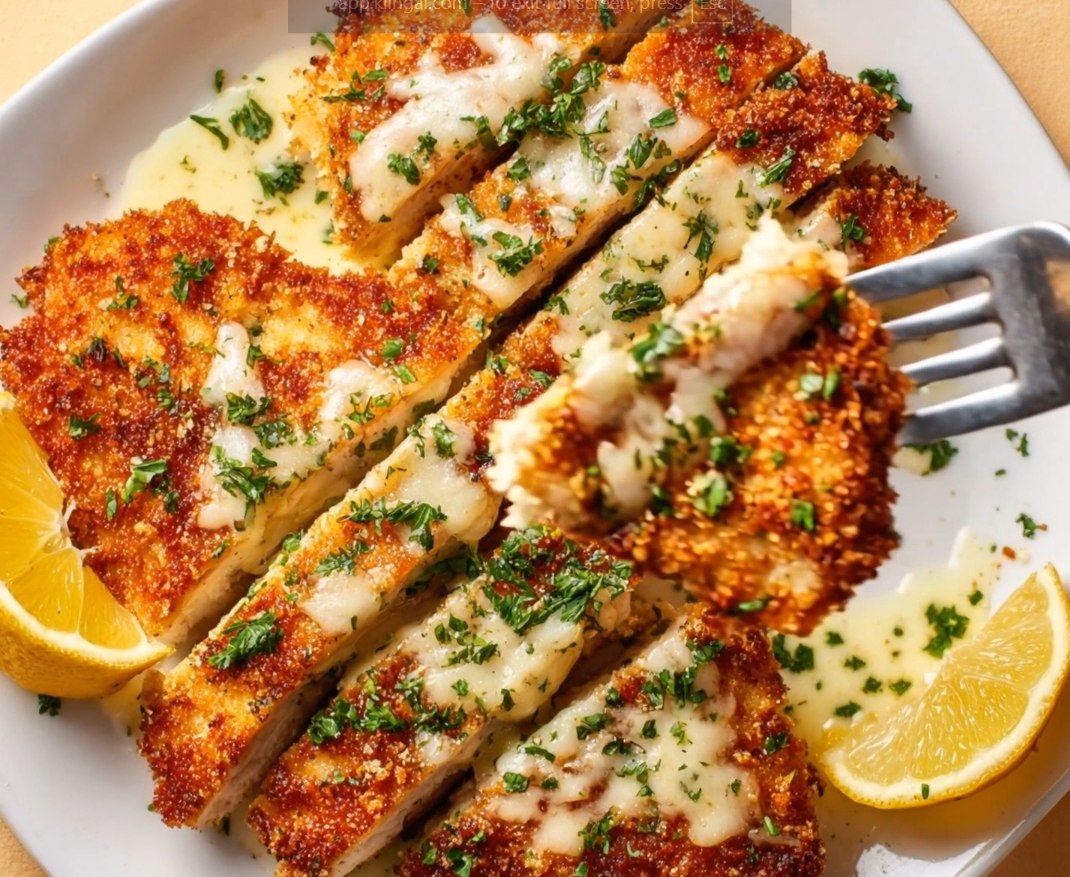
Thin chicken cutlets are coated in a golden crust of panko bread crumbs and sharp Romano cheese, creating a beautifully crunchy exterior while keeping the inside tender and juicy. As the chicken finishes cooking, a layer of melted mozzarella adds a rich, creamy finish that makes the dish even more satisfying.
What makes this recipe special is the balance of flavors and textures. The Romano cheese adds a salty, nutty depth, while fresh parsley and lemon zest brighten the crust with a subtle freshness. Pan-frying gives the chicken a restaurant-style crispness without complicated techniques, making it an easy yet impressive meal for weeknight dinners or casual gatherings. Served hot with a squeeze of lemon, this Crusted Chicken Romano delivers a perfect combination of crispy, cheesy, and savory goodness.
Why People Will Love This Crusted Chicken Romano
Irresistibly Crispy Texture
The combination of panko bread crumbs and Romano cheese creates a beautifully golden crust that delivers a satisfying crunch in every bite, while the chicken inside stays tender and juicy.
Rich, Savory Cheese Flavor
Romano cheese adds a bold, salty, and slightly nutty flavor that elevates the chicken far beyond a basic breaded cutlet. The melted mozzarella on top brings a creamy, comforting finish.
Perfect Balance of Bright and Savory
Fresh parsley and lemon zest subtly brighten the dish, cutting through the richness of the cheese and fried coating. This balance makes the flavor layered rather than heavy.
Restaurant-Quality at Home
The dish has the look and taste of something you would order at a cozy Italian restaurant, yet it’s made with simple ingredients and easy techniques that any home cook can master.
Quick and Weeknight-Friendly
Because the chicken cutlets are thin, they cook quickly in the skillet. The entire meal can come together in about 30 minutes, making it ideal for busy evenings.
Family-Friendly and Crowd-Pleasing
Crispy chicken and melted cheese are universally loved. Even picky eaters tend to enjoy this dish, making it a reliable option for family dinners.
Versatile Serving Options
Crusted Chicken Romano pairs beautifully with pasta, roasted vegetables, salads, or even tucked into a sandwich, giving you many ways to serve and enjoy it.
Comfort Food with Elegant Flavor
It delivers the cozy satisfaction of classic comfort food while still feeling refined and flavorful thanks to the Romano cheese, herbs, and citrus notes.
Simple Ingredients, Big Results
The recipe uses pantry staples and accessible ingredients, yet the final dish tastes layered, rich, and thoughtfully prepared.
Visually Appetizing and Golden Brown
The crispy crust and melted cheese create an inviting golden appearance that makes the dish look as good as it tastes, perfect for serving guests or sharing at the table.
Key Ingredients:
Boneless, Skinless Chicken Breasts
Thinly sliced chicken breasts form the tender foundation of this dish. Cutting them into cutlets allows the meat to cook quickly and evenly, ensuring a juicy interior while supporting the crisp, flavorful crust.
Romano Cheese
Romano cheese is the star ingredient that gives this recipe its bold character. Known for its sharp, salty, and slightly nutty flavor, it blends into the breadcrumb coating to create a savory crust that deeply seasons the chicken as it cooks.
Panko Bread Crumbs
Panko bread crumbs provide the signature crunch that makes this dish so satisfying. Their light, airy texture creates a crisp coating that stays golden and crunchy when pan-fried, rather than becoming dense or greasy.
Mozzarella Cheese
Shredded mozzarella melts over the finished chicken, adding a creamy, gooey layer that contrasts beautifully with the crispy crust. Its mild flavor also balances the sharpness of the Romano cheese.
Egg and Flour
These two simple ingredients form the base of the breading process. The flour helps the egg adhere to the chicken, while the beaten egg binds the panko and cheese mixture to create an even, flavorful coating.
Fresh Parsley
Finely chopped parsley adds a gentle herbal freshness to the crust. Its subtle green flavor brightens the richness of the cheese and fried coating.
Lemon Zest
A small amount of lemon zest adds a delicate citrus aroma that lifts the entire dish. This hint of brightness prevents the flavors from feeling too heavy and adds a refined touch.
Avocado Oil or Olive Oil
These oils are ideal for pan-frying because they heat well and help create an evenly browned crust. They also add a subtle richness that enhances the overall flavor of the chicken.
Expert Tips:
Slice the Chicken Evenly for Consistent Cooking
Thin, evenly sized cutlets are essential for the best texture. If the chicken pieces are uneven, some parts may overcook while others remain undercooked. Lightly pounding the cutlets between sheets of parchment paper helps create uniform thickness and ensures juicy, tender results.
Season Every Layer, Not Just the Chicken
While seasoning the chicken with salt and pepper is important, lightly seasoning the flour or breadcrumb mixture can deepen the flavor. This technique builds layers of seasoning so the crust tastes rich and balanced rather than bland.
Use Freshly Grated Romano Cheese
Freshly grated Romano melts slightly into the crust and integrates better with the panko mixture. Pre-grated cheeses often contain anti-caking agents that can prevent the coating from binding well and reduce the overall flavor intensity.
Press the Coating Firmly onto the Chicken
After dipping the chicken into the egg, gently press the panko and cheese mixture onto the surface of the cutlets. This step ensures the coating adheres well and prevents it from falling off during cooking.
Let the Breaded Chicken Rest Before Cooking
Allow the coated cutlets to rest on a plate for about 5–10 minutes before frying. This short resting period helps the breading hydrate slightly and adhere better, resulting in a more stable, crisp crust.
Maintain the Right Pan Temperature
Cook the chicken over medium heat rather than high heat. If the oil is too hot, the crust can burn before the chicken cooks through. If it’s too cool, the coating may absorb excess oil and lose its crisp texture.
Avoid Overcrowding the Skillet
Give each cutlet enough space in the pan. Overcrowding lowers the oil temperature and causes the crust to steam rather than fry, preventing that golden, crispy finish.
Cover Only After Adding the Mozzarella
Keep the pan uncovered while frying so the crust stays crisp. Only cover the skillet after sprinkling the mozzarella on top to help the cheese melt gently without softening the coating.
Finish with a Touch of Fresh Lemon
A light squeeze of lemon juice just before serving enhances the flavors and brightens the richness of the cheese and fried crust. This small finishing step makes the dish taste more vibrant.
Serve Immediately for the Best Texture
Crusted chicken is at its peak right after cooking, when the exterior is crisp and the cheese is perfectly melted. Serving it immediately preserves the contrast between the crunchy coating and the tender interior.
Crusted Chicken Romano
Ingredients
2 large boneless, skinless chicken breasts, sliced lengthwise into thin cutlets
Salt and freshly ground black pepper, to taste
¼ cup (30 g) all-purpose flour, for dredging
1 large egg, beaten
1 cup panko bread crumbs, for extra crunch
½ cup (60 g) grated Romano cheese, sharp and savory
1 tablespoon fresh parsley, finely chopped
1 teaspoon lemon zest, for brightness
4 tablespoons (60 ml) avocado oil or olive oil, for pan-frying
1 cup shredded mozzarella cheese, for melty topping
Instructions
Prepare the chicken:
Slice the chicken breasts lengthwise to create thin cutlets. If needed, gently pound them to an even thickness. Season both sides with salt and pepper.
Set up breading stations:
Station 1: All-purpose flour
Station 2: Beaten egg
Station 3: A mix of panko bread crumbs, grated Romano cheese, chopped parsley, and lemon zest
Bread the cutlets:
Dredge each piece of chicken in the flour, shaking off any excess. Dip into the egg, then press into the panko mixture, ensuring a full, even coating.
Cook the chicken:
Heat the oil in a large skillet over medium heat. Add the breaded cutlets and cook for 4–5 minutes per side, or until golden brown and cooked through.
Add the mozzarella:
Sprinkle shredded mozzarella over each cutlet. Cover the skillet with a lid and let the cheese melt, about 2–3 minutes.
Garnish and serve:
Remove from heat. Garnish with fresh parsley and lemon wedges if desired. Serve hot and enjoy immediately.
Important Notes When Making Crusted Chicken Romano
Choose Quality Chicken for the Best Texture
Fresh, high-quality chicken breasts will produce a much juicier and more tender result than previously frozen or low-quality cuts. If the chicken breasts are very thick, slicing them into cutlets is essential for even cooking and a better crust-to-meat ratio.
Thin Cutlets Are Key to the Dish
This recipe relies on thin chicken cutlets so the breaded coating crisps perfectly while the chicken cooks through at the same time. Thick pieces may burn on the outside before the center is fully cooked.
Romano Cheese Has a Strong Flavor
Romano cheese is naturally saltier and sharper than many other cheeses. Because of this, it is important not to oversalt the chicken or breadcrumb mixture. The cheese itself will provide much of the seasoning.
Panko Creates a Lighter, Crispier Crust
Using panko bread crumbs instead of traditional bread crumbs makes a noticeable difference in texture. Panko produces a lighter and crunchier crust that stays crisp longer after cooking.
Oil Temperature Matters
The oil should be hot enough to sizzle when the chicken touches the pan, but not smoking. Proper temperature ensures the coating turns golden brown without absorbing too much oil.
Mozzarella Is Added at the End
The mozzarella cheese is not part of the breading. It is added after the chicken is fully cooked so it can melt gently on top without affecting the crisp texture of the crust.
Do Not Flip the Chicken Too Often
Turning the chicken repeatedly can break the crust. Allow each side to cook undisturbed until it forms a golden, crisp coating before flipping.
Cooking Time May Vary Slightly
The exact cooking time can depend on the thickness of the chicken cutlets and the heat of the skillet. The chicken should reach an internal temperature of about 165°F (74°C) to ensure it is fully cooked.
Best Served Fresh and Hot
This dish tastes best immediately after cooking when the crust is crisp and the cheese is perfectly melted. Letting it sit too long can soften the coating.
Great Base for Variations
While delicious on its own, this chicken can also be served over pasta, with marinara sauce, alongside roasted vegetables, or with a fresh salad, making it a flexible dish for different meals.
How to Enjoy Crusted Chicken Romano After Cooking
Let the Chicken Rest Briefly Before Serving
Once the chicken is finished cooking and the mozzarella has melted, allow it to rest for about 2–3 minutes. This short resting period helps the juices redistribute throughout the meat, keeping the chicken tender and preventing it from drying out when cut.
Add a Final Touch of Freshness
Just before serving, sprinkle a little extra freshly chopped parsley over the top. A light squeeze of fresh lemon juice also enhances the flavor, balancing the richness of the cheese and crispy coating with a bright, refreshing finish.
Serve While the Crust Is Still Crispy
Crusted Chicken Romano is best enjoyed immediately after cooking when the crust is still golden and crunchy. The contrast between the crispy exterior, tender chicken, and melted mozzarella is one of the highlights of this dish.
Pair with Simple Side Dishes
Because the chicken is rich and flavorful, it pairs best with lighter sides. Consider serving it with a crisp green salad, roasted vegetables, sautéed spinach, or steamed asparagus to balance the meal.
Turn It into a Complete Italian-Style Meal
For a heartier dinner, serve the chicken alongside pasta such as spaghetti, linguine, or fettuccine tossed lightly with olive oil, garlic, or a simple tomato sauce. The chicken can also be placed directly on top of the pasta for a satisfying restaurant-style plate.
Create a Delicious Sandwich
Leftover cutlets can easily be transformed into a gourmet sandwich. Place the chicken inside a toasted ciabatta roll or crusty Italian bread with fresh tomatoes, arugula, and a little extra mozzarella or marinara sauce.
Slice for Salads or Bowls
If you prefer a lighter meal, slice the cooked chicken into strips and add it to a fresh salad. It pairs beautifully with mixed greens, cherry tomatoes, shaved Parmesan, and a light lemon vinaigrette.
Enjoy with a Warm, Comforting Presentation
Serving the chicken on a warm plate helps maintain the melted texture of the cheese and keeps the dish enjoyable for longer. Garnishing with lemon wedges allows each person to adjust the brightness of flavor to their preference.
Store and Reheat Carefully if Needed
If there are leftovers, store the chicken in an airtight container in the refrigerator. When reheating, use an oven or air fryer rather than a microwave to help restore the crispness of the coating.
Make the Moment Special
This dish is simple but elegant. Whether served for a cozy family dinner or a small gathering with friends, presenting it with fresh herbs, bright lemon wedges, and thoughtfully paired sides turns a simple recipe into a memorable meal.
Nutrition Information:
Yields: 4 servings
Portion Size: 1 chicken cutlet (about 1 piece of breaded chicken with melted mozzarella)
Calories: 520 kcal | Total Fat: 28 g | Saturated Fat: 8 g | Monounsaturated Fat: 13 g | Polyunsaturated Fat: 3 g | Cholesterol: 165 mg | Sodium: 720–850 mg (depending on added salt and cheese brand) | Total Carbohydrates: 20 g | Dietary Fiber: 1 g | Sugars: 1–2 g | Protein: 44 g
Frequently Asked Questions
Can I substitute Romano cheese with another type of cheese?
Yes, you can substitute Romano cheese with Parmesan if needed. Parmesan has a slightly milder and less salty flavor, but it still provides the savory, nutty taste that works well in the crispy coating. For the best flavor, use freshly grated cheese rather than pre-shredded varieties.
How do I keep the breading from falling off the chicken?
The key is to follow the proper breading order: flour, egg, then the breadcrumb mixture. Make sure to shake off excess flour, coat the chicken fully in egg, and press the breadcrumb mixture firmly onto the surface. Letting the breaded chicken rest for about 5–10 minutes before cooking also helps the coating adhere better.
Can I bake the chicken instead of pan-frying it?
Yes, this recipe can be baked for a lighter version. Place the breaded cutlets on a parchment-lined baking sheet, lightly spray or drizzle with oil, and bake at 400°F (200°C) for about 18–22 minutes, flipping once halfway through. Add the mozzarella during the last few minutes so it melts nicely.
How can I tell when the chicken is fully cooked?
The safest way is to check the internal temperature with a meat thermometer. The chicken should reach 165°F (74°C) at the thickest part. Visually, the exterior should be golden brown and the juices should run clear when cut.
Can this dish be prepared ahead of time?
Yes. You can bread the chicken cutlets several hours in advance and store them covered in the refrigerator until ready to cook. If you have leftovers, store them in an airtight container for up to 3 days. Reheat in the oven or air fryer to restore the crispy texture rather than using the microwave.
How thin should the chicken cutlets be for this recipe?
The chicken should ideally be about ¼ to ½ inch (0.6–1.2 cm) thick. Thin cutlets cook quickly and evenly, allowing the crust to become golden and crispy without overcooking the chicken. If your chicken breasts are thick, slicing them lengthwise and gently pounding them with a meat mallet helps achieve the ideal thickness.
Why do we dredge the chicken in flour before the egg?
The flour acts as a dry base layer that helps the egg adhere to the chicken. Without this step, the egg mixture may slide off, causing the breadcrumb coating to stick unevenly. This three-step breading method (flour → egg → breadcrumb mixture) creates a well-bonded, crispy crust.
How do I prevent the crust from burning while cooking the chicken?
Maintain medium heat and avoid cooking on high heat. If the pan is too hot, the coating can brown too quickly before the chicken is fully cooked. Using a heavy skillet and preheating the oil properly helps maintain a stable temperature for even browning.
What is the best type of oil to use for pan-frying?
Oils with a moderate to high smoke point work best, such as avocado oil, light olive oil, or vegetable oil. These oils allow the coating to crisp nicely without burning. Avoid oils with very low smoke points, which can cause uneven cooking or a bitter flavor.
When should the mozzarella cheese be added during cooking?
Mozzarella should be added after the chicken is fully cooked and the crust is golden brown. Sprinkle the cheese over each cutlet, then cover the skillet briefly so the residual heat melts the cheese without softening the crispy coating.