Authentic Maryland Crab Soup
Maryland Crab Soup is more than just a dish—it’s a reflection of coastal tradition, where the richness of the sea meets the warmth of slow-simmered vegetables and spices.
Each spoonful carries a balance of savory broth, tender vegetables, and sweet, delicate crab meat, creating a harmony that feels both hearty and refined.
What makes this soup truly special is its depth. The bold seasoning, layered with fresh ingredients and time, allows the flavors to develop into something complex yet comforting. It’s the kind of meal that tells a story—rooted in regional heritage, yet universally loved for its warmth and soul-satisfying character.
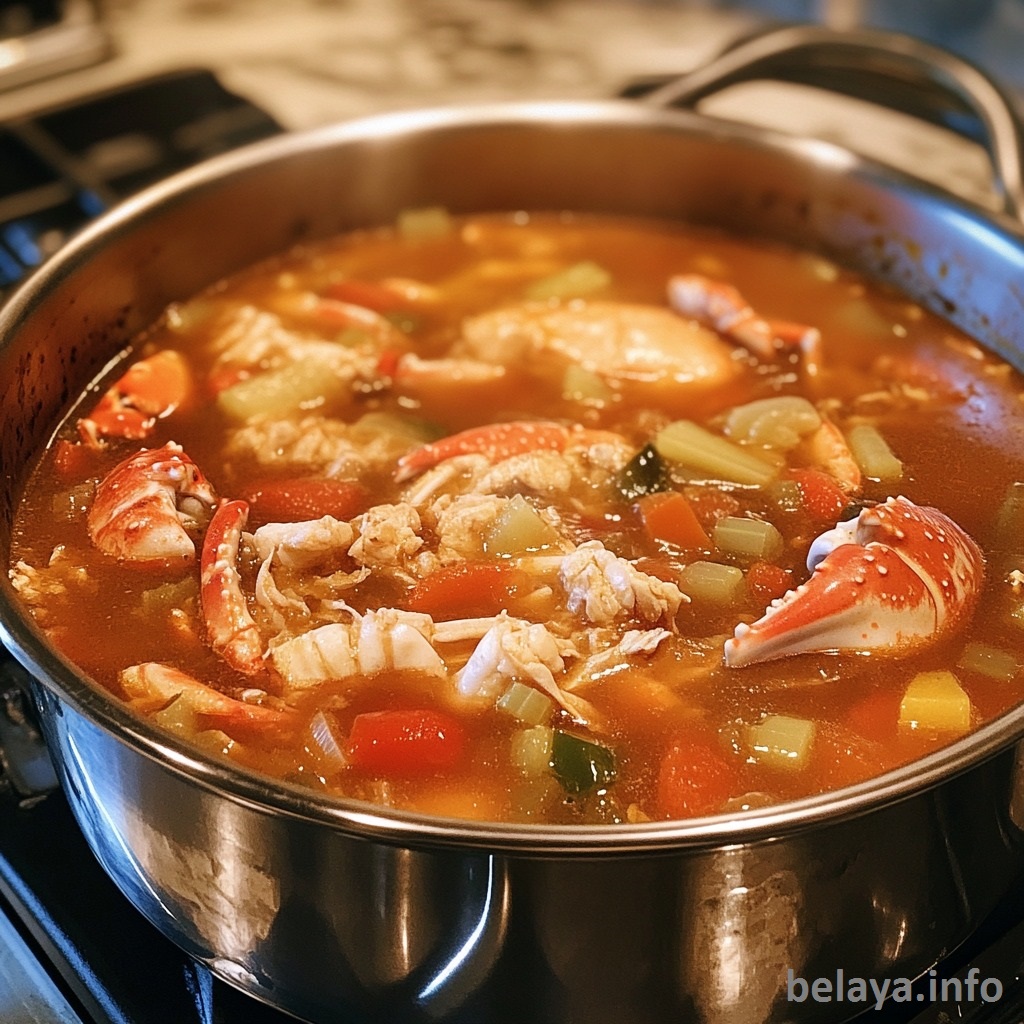
Why People Will Love This Authentic Maryland Crab Soup Recipe:
A perfect balance of land and sea flavors
The combination of rich beef broth, hearty vegetables, and delicate crab meat creates a unique depth that feels both comforting and refined.
Naturally layered and complex taste
With ingredients like tomatoes, Old Bay seasoning, and Worcestershire sauce, every spoonful delivers multiple layers—savory, slightly tangy, and subtly spiced.
Hearty yet not overly heavy
Packed with vegetables and lean protein, this soup feels filling and nourishing without the richness of cream-based soups.
Showcases the sweetness of fresh crab
The crab meat remains the highlight—tender, slightly sweet, and perfectly complemented by the seasoned broth.
A true taste of coastal tradition
This recipe reflects authentic Maryland-style cooking, offering a sense of place and culinary heritage in every bowl.
Balanced texture in every bite
The mix of tender vegetables, soft potatoes, and chunks of crab creates a satisfying variety of textures.
Highly nutritious and wholesome
Loaded with vegetables, protein, and broth, it offers a well-rounded, nourishing meal in a single dish.
Perfect for all seasons
Warm and comforting in cooler weather, yet light enough to enjoy year-round due to its broth-based nature.
Great for feeding a group
Made in one pot and easy to serve, it’s ideal for family meals, gatherings, or meal prep.
Flavor improves over time
As it rests, the ingredients continue to meld, often making leftovers even more flavorful and cohesive.
Key Ingredients:
Blue crab meat – the delicate centerpiece
Sweet, tender, and slightly briny, lump blue crab meat is the heart of the dish. It brings a refined seafood flavor that stands out against the robust broth without being overpowering.
Old Bay seasoning – the signature coastal spice
This iconic blend defines the soup’s character, adding layers of savory, slightly spicy, and aromatic notes that are essential to authentic Maryland flavor.
Beef broth – rich, savory foundation
Unlike many seafood soups, this one uses beef broth to create a deeper, more robust base, giving the soup a hearty, almost stew-like quality.
Tomatoes – brightness and depth
Whole peeled tomatoes add acidity and richness, balancing the savory elements while contributing to the soup’s vibrant color and full-bodied texture.
Onion, carrots, and celery – the aromatic base
This classic trio builds the foundation of flavor, adding natural sweetness and depth as they soften and blend into the broth.
Potatoes – heartiness and structure
Diced potatoes provide substance and help thicken the soup slightly, making it more filling and satisfying.
Green beans, corn, and lima beans – texture and variety
These vegetables bring color, sweetness, and contrast, creating a layered texture that makes each spoonful interesting and balanced.
Worcestershire sauce – umami enhancer
A small amount adds a subtle depth and complexity, enhancing both the beef broth and the crab without overpowering the dish.
Dry mustard – gentle warmth and complexity
This ingredient adds a mild, earthy heat that deepens the flavor profile and complements the seasoning blend.
Butter – richness at the base
Used to sauté the vegetables, butter adds a soft, rounded richness that ties the early layers of flavor together.
Expert Tips:
Build a strong flavor base from the start
Take time to properly sauté the onion, carrots, and celery until softened and slightly sweet. This step lays the foundation for the entire soup and adds natural depth.
Crush tomatoes thoughtfully for the right texture
Break the tomatoes into small, uneven pieces—not completely pureed. This creates a rustic texture that’s characteristic of traditional Maryland crab soup.
Balance the seasoning carefully (Old Bay is powerful)
Old Bay brings bold flavor, so add gradually and taste as you go. It should enhance the soup, not dominate it.
Use a mix of broth and water for balance
Combining beef broth with water prevents the soup from becoming too heavy while still maintaining a rich, savory base.
Cut vegetables evenly for consistent cooking
Uniform sizes ensure all vegetables cook at the same rate and create a more balanced texture in every bite.
Add crab meat at the right time
Always add crab near the end of cooking. Overcooking can make it tough and diminish its delicate flavor.
Handle crab gently to preserve texture
Stir lightly after adding the crab to keep the lumps intact. This preserves the premium, tender texture.
Simmer low and slow for flavor development
A gentle simmer allows all ingredients to meld together. Avoid rapid boiling, which can break down vegetables and affect texture.
Taste and adjust at the final stage
After everything has simmered, adjust salt, seasoning, or acidity. A small splash of Worcestershire or a pinch of salt can make a big difference.
Let the soup rest before serving
Allowing it to sit for a few minutes helps the flavors settle and intensify, improving the overall taste.
Enhance with a subtle finishing touch
A sprinkle of fresh herbs or a dash of extra seasoning right before serving can brighten and elevate the dish.
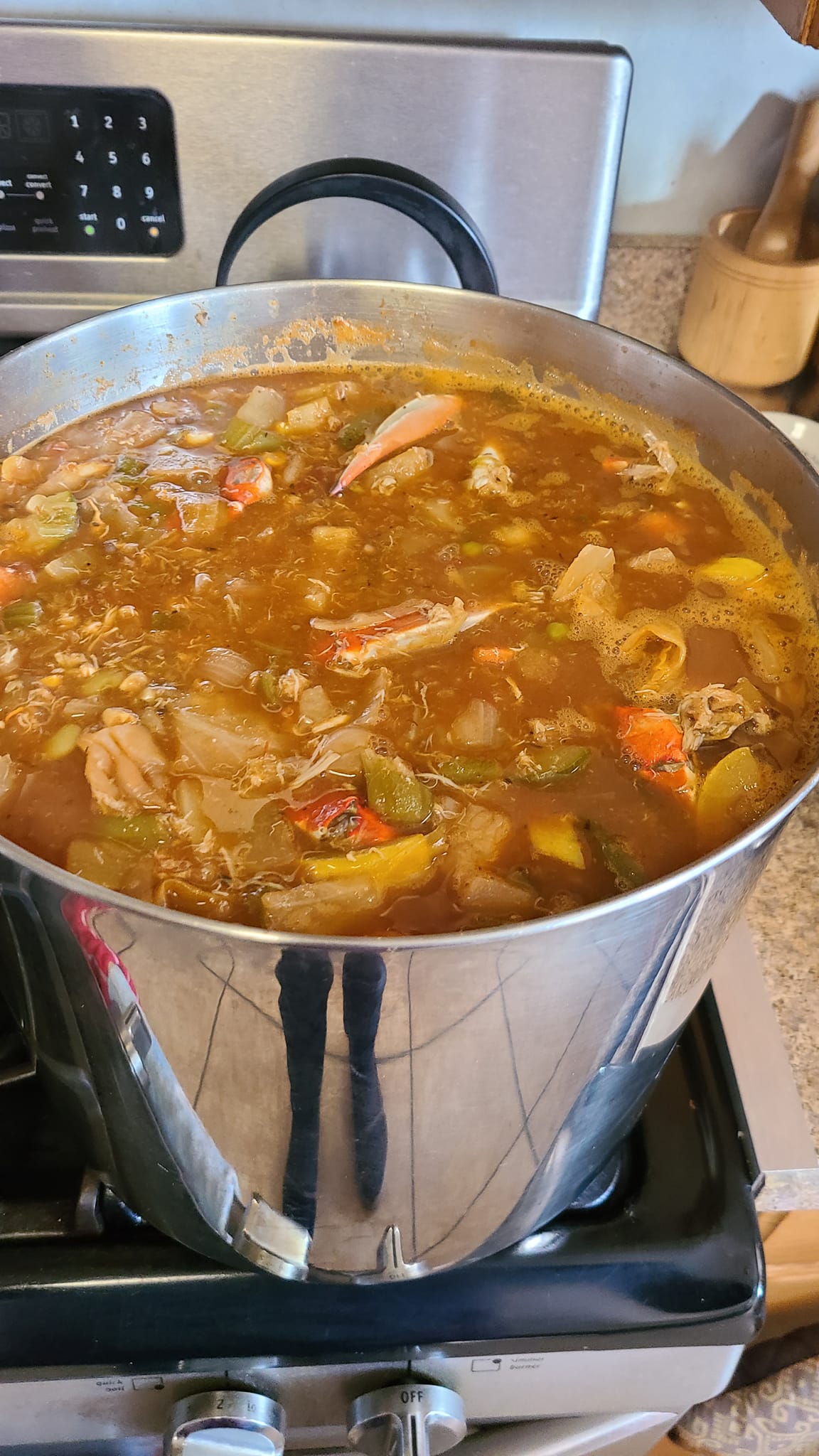
Maryland Crab Soup
Ingredients
3 Tablespoons (42 g) unsalted butter
1 medium yellow onion (140 g), chopped (about 1 cup)
2 carrots (170 g), peeled and sliced into rounds
1 celery stalk (31 g), chopped
28 oz (793 g) canned whole peeled tomatoes
2 ½ Tablespoons Old Bay or seafood seasoning (see note)
1 Tablespoon dry mustard
1 lb (453 g) fresh green beans, trimmed and cut into 1” pieces (frozen green beans can be substituted, use slightly less than a pound)
1 ½ cups (270 g) peeled, diced gold potatoes (cut into ½” cubes)
1 ½ cups fresh or frozen sweet corn
½ cup fresh or frozen lima beans
¼ cup (60 ml) Worcestershire sauce
4 cups (946 ml) beef broth
2 cups (473 ml) water
1 lb (453 g) lump or jumbo lump blue crab meat
Instructions
In a large soup pot, melt the butter over medium heat. Once melted, toss in the chopped onion, carrots, and celery. Cook, stirring occasionally, until the vegetables become tender, about 5 minutes.
Stir in the canned tomatoes, Old Bay seasoning, and dry mustard. Use a spatula to break up and crush the tomatoes into smaller pieces. Let everything cook for about 1 minute while stirring frequently.
Add the remaining ingredients (except for the crab meat) to the pot and stir well. Bring the mixture to a boil, then reduce the heat to low and let it simmer for 30 minutes, stirring from time to time.
Gently add the crab meat to the soup and stir. Let it simmer for an additional 30 minutes, occasionally stirring.
Serve the soup hot, optionally garnished with crackers if desired. Enjoy!
Important Notes When Making Maryland Crab Soup:
This is a broth-based soup with layered complexity
Unlike creamy seafood soups, this dish relies on a clear, seasoned broth where each ingredient contributes to a deep, balanced flavor.
The crab should remain the highlight, not the background
While the soup is rich with vegetables and seasoning, the sweet, delicate flavor of the crab must still stand out. Avoid over-seasoning or overcooking it.
Old Bay seasoning defines the dish’s identity
This seasoning blend is essential for authenticity, but it must be used carefully. Too little loses character, too much can overpower the soup.
Beef broth creates a unique depth uncommon in seafood soups
The use of beef broth gives this recipe a heartier, more robust base, distinguishing it from lighter seafood broths.
Vegetables provide both flavor and structure
The variety of vegetables is not just for nutrition—they create texture, color, and balance, making the soup feel complete and satisfying.
Simmering time develops flavor gradually
The extended simmer allows the ingredients to meld together, creating a cohesive and well-rounded taste.
Crab meat must be added gently and late
Adding it too early or stirring too aggressively can break apart the lumps and diminish the premium texture.
The soup should remain slightly brothy, not thick like stewWhile hearty, it should still have a
fluid consistency. Over-reducing can make it too dense and overpower the delicate crab.
Flavor improves as it rests
Like many soups, the taste deepens over time as the ingredients continue to meld, making leftovers especially enjoyable.
Balance between acidity and richness is key
Tomatoes and Worcestershire sauce provide brightness that cuts through the richness of the broth, keeping the flavor balanced.
Ingredient quality makes a noticeable difference
Fresh crab meat, good-quality broth, and ripe vegetables elevate the dish significantly due to its relatively simple preparation.
This is a dish rooted in tradition and simplicity
Its strength lies in honoring classic techniques and ingredients rather than overcomplicating the recipe.
How to Enjoy Maryland Crab Soup After Cooking
Let the soup rest briefly before serving
After cooking, allow the soup to sit for about 5–10 minutes. This helps the flavors settle and allows the broth to slightly thicken, creating a more cohesive taste.
Serve hot, but not boiling
The ideal temperature is hot but comfortable to eat. This allows the delicate sweetness of the crab and the layered seasoning to be fully appreciated.
Stir gently before ladling
Give the soup a light stir to evenly distribute the vegetables and crab without breaking apart the tender crab meat.
Ladle carefully to preserve crab texture
When serving, scoop gently to keep the lump crab pieces intact, ensuring each bowl has a generous portion.
Enhance with simple finishing touches
Add subtle garnishes to elevate the dish:
- A light sprinkle of fresh parsley
- Extra Old Bay (very lightly)
- Freshly cracked black pepper
These additions bring freshness and a final layer of flavor.
Pair with complementary sides
- Saltine crackers (classic choice)
- Crusty bread for dipping
- A simple green salad for balance
These sides complement the soup without overpowering it.
Balance the richness with freshness
The soup is hearty, so pairing it with lighter, crisp elements helps create a more complete and satisfying meal.
Enjoy it as a versatile dish
- Serve as a main course for a comforting meal
- Offer smaller portions as a starter for a seafood-focused dinner
- Pair with sides to create a full coastal-inspired spread
Reheat gently to maintain quality
Warm leftovers over low heat, stirring occasionally. Avoid boiling, as it can overcook the crab and affect texture.
Adjust consistency when reheating
If the soup has thickened, add a splash of water or broth to bring it back to the desired consistency.
Notice how flavors deepen over time
The soup often tastes even better the next day, as the ingredients continue to meld and develop a richer, more unified flavor.
Create a warm, inviting dining experience
Serve in deep bowls, enjoy slowly, and let the aroma of the seasoned broth and crab create a comforting, coastal-inspired atmosphere.
Nutrition Information:
For Maryland Crab Soup (per serving, assuming ~6 servings total):
Calories: 220–280 kcal | Total Fat: 7–10 g | Saturated Fat: 2–3 g | Monounsaturated Fat: 3–4 g | Polyunsaturated Fat: 1–2 g | Cholesterol: 55–80 mg | Sodium: 700–1000 mg (depending on broth and seasoning) | Total Carbohydrates: 22–28 g | Dietary Fiber: 4–6 g | Sugars: 6–9 g | Protein: 18–24 g
Frequently Asked Questions:
Can I use frozen crab meat instead of fresh?
Yes, you can use frozen lump or jumbo lump crab meat. Just make sure it’s thawed before adding it to the soup.
Fresh crab meat tends to have a more delicate texture, but frozen crab will still work well and provide great flavor.
Can I substitute the beef broth with chicken broth or vegetable broth?
Absolutely! If you prefer a lighter taste, you can substitute beef broth with chicken broth or vegetable broth.
However, beef broth adds a richer flavor, so consider the flavor profile you want when making the substitution.
What if I can’t find Old Bay seasoning?
If you can’t find Old Bay seasoning, you can make a homemade version by combining celery salt, paprika, ground mustard, black pepper, and a pinch of cayenne pepper.
It won’t be exactly the same, but it will give you a similar flavor.
Can I use canned vegetables instead of fresh or frozen?
Yes, you can use canned vegetables like green beans, lima beans, and corn.
Just be sure to drain and rinse them before adding them to the soup.
Canned vegetables may be softer than fresh or frozen, so adjust the cooking time as needed.
How long can I store leftovers?
Leftover Maryland Crab Soup can be stored in an airtight container in the refrigerator for up to 3-4 days.
Reheat gently on the stove or in the microwave.
The crab meat might lose some of its texture after reheating, so it’s best enjoyed within a couple of days.
Can I use any type of crab meat for this recipe?
The best choice for Maryland Crab Soup is lump or jumbo lump blue crab meat, as it provides the ideal texture and flavor.
However, you can also use imitation crab meat in a pinch, though it won’t have the same richness as fresh or lump crab.
Do I need to peel the potatoes before adding them to the soup?
Yes, the potatoes should be peeled before dicing them into small cubes.
This helps the potatoes cook more evenly and ensures the soup has a smooth consistency when you stir everything together.
Can I make this soup ahead of time?
Yes! Maryland Crab Soup tastes even better the next day as the flavors have time to meld together. Prepare the soup up to the point of adding the crab meat, refrigerate, and add the crab just before reheating and serving.
Can I make Maryland Crab Soup in a slow cooker?
Yes, you can adapt this recipe for a slow cooker.
Simply sauté the vegetables as instructed, then add everything except the crab meat to the slow cooker.
Cook on low for 6-7 hours, then add the crab in the last 30 minutes of cooking.
What can I serve with Maryland Crab Soup?
Maryland Crab Soup is often served with crackers or crusty bread on the side.
You can also garnish it with fresh parsley or a squeeze of lemon for added freshness.
A light salad would also pair nicely for a complete meal.