Delicious Menudo
Menudo is more than a soup—it’s a dish woven into the cultural heartbeat of countless families, celebrated for its warmth, depth, and restorative comfort.
Long simmered until the tripe becomes tender and the broth turns rich and flavorful, this traditional Mexican classic carries with it a sense of heritage and togetherness. Every bowl is a reminder of slow cooking, patience, and the comforting aromas that fill a home on weekend mornings or special gatherings.
With its bold red chili base, hearty hominy, and vibrant toppings like onion, cilantro, lime, and jalapeño, Menudo delivers a soulful experience that nourishes both body and spirit. This is a dish to be savored, shared, and remembered.
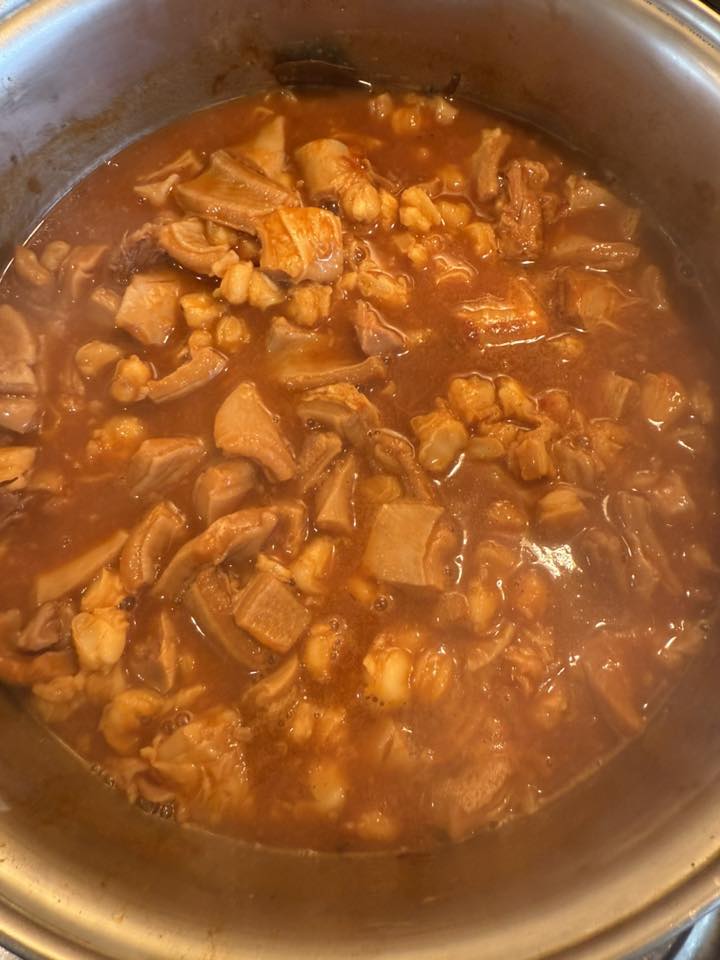
Why People Will Love Delicious Menudo Recipe
It delivers true homestyle comfort, offering a warm, deeply satisfying bowl of soup that feels like it came straight from a family gathering or Sunday morning kitchen.
The long-simmered tripe creates unmatched richness, transforming simple ingredients into a broth with incredible depth and character.
It honors tradition, giving people a taste of authentic Mexican cuisine rooted in cultural celebrations, holidays, and cherished memories.
The customizable toppings add freshness and brightness, letting every person tailor their bowl with onion, jalapeño, lime, or cilantro for a perfect balance of heat and acidity.
It’s hearty and nourishing, filled with tender tripe and hominy, making it both filling and comforting—ideal for cold mornings or when craving something restorative.
Its bold chili flavor is both energizing and addictive, giving each spoonful a satisfying warmth that keeps people coming back for more.
It carries a reputation as a “hangover cure,” making it a beloved weekend ritual and a dish people reach for when they need comfort and revitalization.
Key Ingredients
Cow Stomach (Tripe): The heart of Menudo, tripe transforms through long, slow cooking into tender, silky pieces that absorb and carry the bold flavors of the broth. Its unique texture and richness give the dish its iconic character.
Hominy: These large, earthy corn kernels add body and heartiness, balancing the chew of the tripe with a soft, comforting bite that makes every spoonful substantial.
Red Chili Powder & Cumin (or Menudo Seasoning Mix): This powerful blend of spices creates the deep red color and signature warmth of the broth. The chilies add depth and smokiness, while cumin anchors the soup with savory, earthy undertones.
Aromatics & Toppings (Onion, Jalapeño, Cilantro, Lime): Fresh garnishes brighten the entire dish—onion for sharpness, jalapeño for heat, cilantro for herbal lift, and lime for acidity that cuts through the richness, awakening all the flavors.
Water: Simple but essential, slowly infused over hours with chili, tripe, and spices to create a broth that is bold, restorative, and unmistakably Mexican.
Expert Tips
Trim the tripe thoroughly for the cleanest flavor. Removing excess fat and giving the tripe a good rinse before cooking helps eliminate unwanted bitterness and ensures the broth stays bright and pure.
Boil long enough for the collagen to break down. Menudo’s depth comes from patience—allowing the tripe to simmer for hours transforms it from tough to tender, developing a silky texture that absorbs the chili broth beautifully.
Skim the pot regularly. During the first hour of boiling, impurities and foam rise to the top. Quickly skimming them off creates a clearer, smoother broth with a more refined flavor.
Let the broth develop before seasoning. Resist the urge to add spices too early. Allow the tripe to release its natural flavors first, then layer in the chili powder and cumin so the broth becomes complex rather than overpowering.
Roast or toast the chili powder before adding. A quick toast in a dry skillet deepens the smokiness and elevates the overall flavor of the broth, making it more aromatic and full-bodied.
Add hominy at the right moment. Hominy only needs the final hour to cook; adding it too early can cause it to burst or become overly soft.
Garnish generously. Fresh onion, cilantro, jalapeño, and lime aren’t just toppings—they balance the richness of the broth and brighten every spoonful, transforming the dish from heavy to harmonious.
Delicious Menudo
Ingredients:
3 pounds cow stomach (tripe)
1 gallon water
1 (16 ounce) can white or yellow hominy
1 package menudo seasoning mix (or 8 tablespoons each red chili powder and cumin)
Chopped onion (optional garnish)
Lemon juice to taste (optional flavoring)
Chopped Jalapeno
Instructions:
Remove the fat from the cow stomach and cut it into chunks.
Fill a pot with about a gallon of water. Add the chunks, bring the water to boil, and continue boiling for 4 hours until the stomach is soft.
Add the hominy, cook for another hour, adding water as needed.
Add menudo seasoning mix or chili powder/cumin combination. Cook for five minutes.
Add chopped onion and lemon juice if you wish.
Serve with half lime slices, and top with chopped onion and chopped cilantro, jalapeno.
Important Notes When Making Delicious Menudo
Choose the right type of tripe for the best texture. Honeycomb tripe is the most traditional and tender for Menudo, while book tripe offers firmer bites. Using a combination adds depth and variety to each spoonful.
Proper cleaning is crucial for flavor. Tripe naturally has a strong aroma. Rinsing thoroughly, trimming excess fat, and boiling long enough ensures a clean, mild broth without any harsh undertones.
Long cooking time is not optional—it’s transformative. Menudo is a dish built on patience. The extended simmering not only tenderizes the tripe but also infuses the broth with richness, giving the soup its signature soul-warming depth.
Water levels matter. Because the soup cooks for hours, water evaporates. Always keep the tripe submerged, adding more as needed to maintain a full, flavorful broth.
Seasoning should build slowly. Add salt and spices gradually. The broth concentrates as it reduces, so seasoning lightly early on prevents it from becoming overly salty later.
Hominy timing protects texture. Adding hominy too early will make it overly soft. Adding it during the final hour allows it to stay plump and satisfying.
Garnishes are not optional—they complete the dish. Raw onion, cilantro, lime, and jalapeño don’t just decorate the bowl; they cut through the richness and awaken the broth, creating balance and lifting the entire eating experience.
Let the soup rest before serving. A brief resting period after cooking helps the flavors meld even more, making the broth deeper and rounder.
How to Enjoy Delicious Menudo After Cooking
Let it rest a moment before serving. Menudo tastes even better after sitting for 10–15 minutes off the heat. This brief pause allows the broth to settle, the flavors to deepen, and the texture of the tripe and hominy to become perfectly balanced.
Serve it piping hot in a deep bowl. Menudo thrives when steaming hot—heat awakens the chili, softens the aromatics, and brings out the soul-warming richness that defines the dish.
Layer on fresh toppings for contrast. Add chopped onion, cilantro, jalapeño, and a squeeze of lime right before eating. These fresh ingredients brighten the deep, slow-cooked broth, cutting through richness and adding vibrancy to each spoonful.
Customize the heat level at the table. Keep extra chili flakes, hot sauce, or sliced jalapeños nearby. Menudo is highly adaptable—add more heat if you want a bolder, more invigorating bowl.
Eat with warm tortillas on the side. Corn or flour tortillas pair beautifully. Dip them into the broth, scoop up hominy and tripe, or tear them into pieces to soak up all the flavorful juices.
Enjoy it slowly for full appreciation. Menudo is not a rushed meal—it’s a dish meant to be savored. Take time to enjoy the layers of flavor developed through hours of simmering.
Store leftovers to enjoy even better flavor the next day. Menudo is famous for tasting richer and more complex after resting overnight. The broth thickens slightly, the spices deepen, and the aroma becomes even more comforting.
Freeze portions for future comfort meals. Menudo freezes well for up to 3 months. Reheat gently to preserve texture and serve with fresh garnishes to restore brightness.
Nutrition Information:
For Menudo, based on a typical serving (about 1½ cups)
Calories: 245 kcal | Total Fat: 7.8 g | Saturated Fat: 2.9 g | Monounsaturated Fat: 3.2 g | Polyunsaturated Fat: 1.0 g | Cholesterol: 135 mg | Sodium: 650–900 mg (depending on seasoning mix and added salt) | Total Carbohydrates: 14.5 g | Dietary Fiber: 2.3 g | Sugars: 1.6 g | Protein: 28.4 g
Frequently Asked Questions:
Can I use different types of tripe for Menudo?
Yes. While honeycomb tripe is the most traditional and tender, you can also use book tripe or blanket tripe. Many cooks combine two types for a richer texture experience. Just keep in mind that cooking times may vary slightly depending on thickness.
Do I have to use packaged Menudo seasoning mix?
No—you can easily replace it with a blend of red chili powder and cumin. Seasoning mixes simply offer convenience, but homemade seasoning gives you more control over heat level and flavor balance.
Why does Menudo take so long to cook?
Tripe needs extended simmering (4–5 hours) to break down collagen and achieve the tender, silky texture that makes Menudo delicious. Rushing the process will result in tough, chewy pieces and a broth that lacks richness.
Can Menudo be made in advance?
Absolutely. In fact, Menudo often tastes better the next day as the broth continues to deepen and the spices meld. Store it in the refrigerator overnight and reheat gently before serving.
Is hominy required, or can I leave it out?
Hominy is traditional and adds heartiness, but it’s optional. If omitted, the broth will be lighter and more tripe-forward. You can also replace it with white beans or corn for a different texture.
How do I properly clean the tripe before cooking?
Rinse the tripe thoroughly under cold water, trim excess fat, and inspect for any remaining impurities. Some cooks also rub the tripe with salt or vinegar and rinse again. Proper cleaning is essential for a clean-tasting broth.
How do I know when the tripe is fully cooked and tender?
Tripe is done when it becomes soft, slightly springy, and easy to bite through—but not mushy. This usually takes 4 hours or more of gentle boiling. If it’s still chewy, keep simmering; patience is key.
Why does my Menudo broth taste weak or bland?
This often happens when not enough chili powder or seasoning is added, or when water levels become too high during cooking. Always taste and adjust seasoning after the long simmering process, and maintain enough heat to keep flavors concentrated.
Is it normal for the broth to produce foam while boiling?
Yes. Foam naturally forms during the early boiling stages as proteins release impurities. Skim it off with a spoon for a clearer, cleaner-tasting broth.
Can I cook Menudo faster in a pressure cooker?
Yes. A pressure cooker can reduce tripe cooking time from 4 hours to about 45–60 minutes, depending on thickness. However, the slow-boiled traditional method often develops a deeper, more authentic flavor and richer broth.