White Clam Sauce / Broth
This white clam sauce is more than just a broth—it’s a celebration of the sea, where every ingredient works in harmony to create something light yet deeply flavorful. The briny sweetness of fresh clams mingles with garlic, wine, and herbs, forming a delicate but complex base that feels both rustic and refined.
What makes this dish truly special is its balance. It’s rich without being heavy, brightened by lemon and wine, and layered with subtle umami from anchovies and seafood broth. As the clams open, they release their natural juices into the sauce, transforming it into something alive with ocean flavor.
Served with crusty bread or over pasta, this dish invites you to slow down and savor—each spoonful capturing the essence of coastal cooking: simple ingredients, treated with care, resulting in something elegant, comforting, and unforgettable.
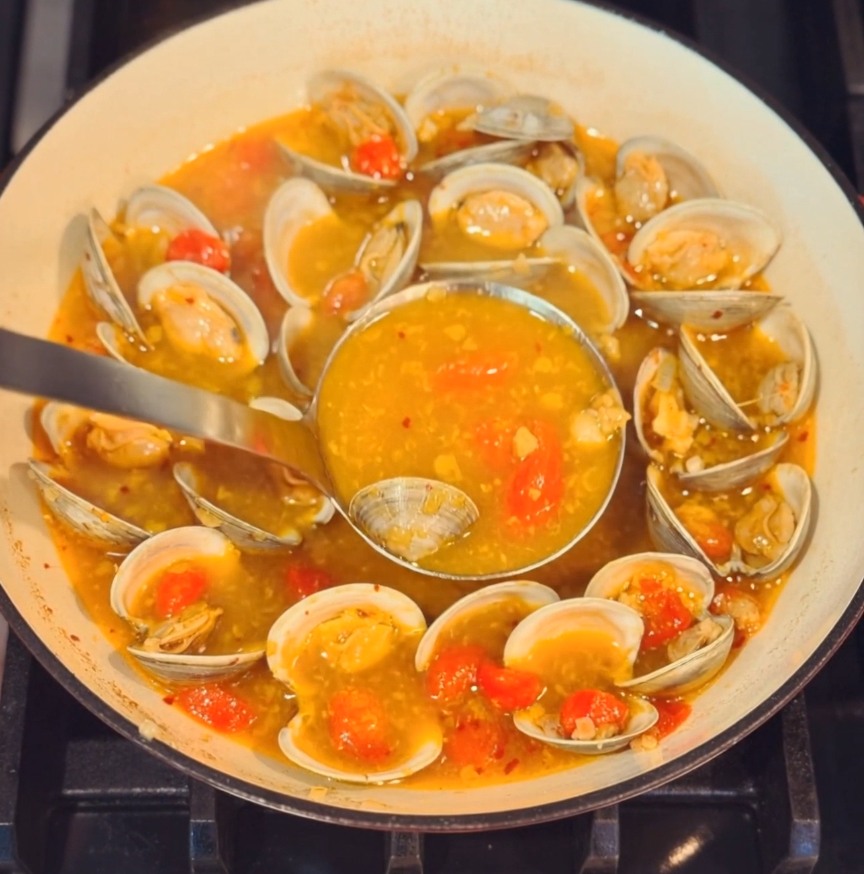
Why People Will Love White Clam Sauce / Broth Recipe
Pure, Authentic Ocean Flavor – The natural brininess of fresh clams infuses the broth as they open, creating a taste that feels clean, vibrant, and deeply connected to the sea.
Light Yet Deeply Satisfying – Unlike heavy cream-based sauces, this broth is delicate and refreshing, yet layered with richness from butter, olive oil, and seafood stock—making it both comforting and elegant.
Beautiful Balance of Bright and Savory Notes – The acidity of white wine and lemon juice cuts through the richness, while garlic, anchovies, and broth provide a deep umami backbone.
Aromatic and Multi-Layered Flavor Profile – Shallots, garlic, thyme, and tomatoes build complexity step by step, creating a broth that evolves with every sip and bite.
Naturally Impressive, Restaurant-Quality Dish – Steamed clams opening in a fragrant broth create a visually stunning and sensory-rich experience that feels special without being complicated.
Versatile Serving Options – Enjoy it with crusty bread, toss it with pasta, or serve as a light seafood soup—this recipe adapts easily to different meals and occasions.
Quick Cooking with High Impact – Despite its sophisticated flavor, the dish comes together relatively quickly, making it ideal for both weeknight dinners and entertaining guests.
Healthy and Wholesome Choice – Packed with lean protein, minerals, and natural flavors, this dish feels nourishing without relying on heavy ingredients.
Customizable Heat and Freshness – Add red pepper flakes for a gentle kick or extra herbs for brightness, allowing you to tailor the dish to your personal taste.
Interactive and Engaging to Eat – Opening clams, dipping bread into the broth, and savoring each bite creates a more hands-on, enjoyable dining experience.
Elevates Simple Ingredients into Something Memorable – With just a handful of quality components, this recipe transforms everyday pantry items into a dish that feels refined and unforgettable.
Key Ingredients:
Littleneck Clams (in Shell) – The heart of the dish. As they steam open, they release their natural juices into the broth, creating a briny, slightly sweet flavor that defines the entire sauce.
Extra Virgin Olive Oil (EVOO) & Butter – This combination builds a rich yet balanced base. Olive oil adds fruitiness and depth, while butter brings a smooth, luxurious mouthfeel.
Garlic & Shallots – The aromatic foundation. Garlic delivers bold, savory intensity, while shallots contribute a subtle sweetness and complexity that elevates the broth.
Anchovies or Anchovy Paste – A quiet but powerful ingredient. They melt into the sauce, adding deep umami without tasting fishy—enhancing the overall richness and depth.
Dry White Wine (Sauvignon Blanc or Pinot Grigio) – Adds brightness and acidity, helping to deglaze the pan and lift all the flavors. It balances the richness and brings a refined, slightly citrusy note.
Clam Juice & Seafood/Chicken Broth – These liquids form the body of the broth. Clam juice intensifies the ocean flavor, while the broth adds depth and rounds out the taste.
Fresh Tomatoes – Provide a gentle sweetness and acidity, adding freshness and color while softening the briny intensity of the clams.
Fresh Thyme – Infuses the broth with an earthy, aromatic note that complements both seafood and garlic beautifully.
Lemon Juice – A finishing touch that brightens the entire dish, enhancing the natural flavors and keeping the broth from feeling too heavy.
Seafood or Lobster Base – A concentrated flavor booster that deepens the broth, giving it a more complex, restaurant-quality taste.
Optional Garnishes (Parsley, Basil, Lemon Zest, Parmesan, Red Pepper Flakes) – These final elements add freshness, color, subtle heat, and extra layers of flavor, allowing you to customize the dish to your preference.
Expert Tips:
Purge the Clams Thoroughly (Non-Negotiable)
Soak clams in cold, salted water for at least 45–60 minutes to help them release sand. Grit can ruin the entire dish, so rinse and scrub shells carefully before cooking.
Use the Freshest Clams Possible
Fresh, live clams should be tightly closed or close when tapped. Discard any that remain open before cooking or fail to open after steaming—this ensures both safety and quality flavor.
Build the Aromatic Base Slowly
Sauté shallots gently until soft and slightly sweet before adding garlic. Avoid browning the garlic, as it can turn bitter and overpower the delicate broth.
Let the Wine Reduce Properly
After adding white wine, allow it to simmer for a few minutes to cook off the alcohol. This step concentrates flavor and prevents a harsh, sharp taste in the final broth.
Layer Umami with Anchovies (Don’t Skip)
Anchovies dissolve into the base, adding depth without a “fishy” flavor. This subtle umami layer is what makes the broth taste complex and restaurant-quality.
Balance Liquid Ratios Carefully
Too much broth can dilute the natural clam flavor. Aim for a balance where the clam juice and released liquid remain the star, with broth enhancing—not overpowering—the taste.
Add Clams at the Right Moment
Only add clams once the broth is fully seasoned and simmering. This ensures they cook quickly and absorb the flavor while also releasing their own juices into the sauce.
Do Not Overcook the Clams
Clams cook fast—usually 4–6 minutes. Once they open, they’re done. Overcooking makes them tough and rubbery, losing their delicate texture.
Discard Unopened Clams Immediately
Any clams that do not open after cooking should be thrown away. This is essential for both safety and maintaining the quality of the dish.
Finish with Freshness, Not Just Heat
Add lemon juice, herbs, and zest at the end—not during cooking. This preserves their brightness and lifts the entire flavor profile.
Taste Before Final Seasoning
Clams and clam juice are naturally salty, so always taste before adding extra salt. Over-seasoning can easily happen if you’re not careful.
Use Wide, Shallow Cookware
A wide pan allows clams to sit in a single layer, ensuring even steaming and more consistent cooking.
Serve with Bread for Full Experience
The broth is as important as the clams. Serve with toasted or grilled bread to soak up every drop—this is part of the dish, not just a side.
Keep It Simple to Let Ingredients Shine
This dish relies on balance and freshness. Avoid overloading with too many extra ingredients—let the natural flavors of the clams, wine, and aromatics take center stage.
White Clam Sauce / Broth
Ingredients:
EVOO
Butter
Garlic, minced
Anchovies or anchovy paste
½ to 1 C. dry white wine (I like sauvignon blanc or pinot grigio)
1 T. lemon juice (or more to taste)
Shallots, diced
Fresh tomatoes, chopped (or halved, if smaller cherry or grape tomatoes)
Fresh thyme
8 oz good clam juice (bottled)
1 to 2 C. seafood broth or chicken broth (low sodium)
About 1 T. seafood or lobster base
2 lb littleneck clams, in shell
Optional garnishes:
Grated parmesan or grana Padano
Lemon zest
Chopped parsley or fresh basil ribbons, for garnish
Red pepper flakes
Instructions:
Step 1:
Soak the clams in cold water for about an hour, to release their grit.
Drain and rinse, scrubbing off any extra grit / sand that may be on the shells.
Clams should be closed. If any are open, tap them.
If they close, they’re fine. If not, discard them.
Step 2:
In a large, wide skillet (I use a ceramic cast iron casserole pan), sauté the shallots in olive oil and butter until soft.
Add the garlic and cook another minute, until garlic is fragrant.
Step 3:
Add the white wine and scrape any bits. Let cook for a couple of minutes, until the alcohol cooks out.
Step 4:
Add the clam juice, broth, and lemon juice, along with the thyme, tomatoes, and shallots.
Add the seafood / lobster base and mix until melted in and distributed throughout.
Step 5:
Add the clams to the pan.
Cover the pan and let the clams steam for about 4 to 5 minutes.
Check to see if they’re opening.
If there are still unopened clams, steam for another minute or two.
Discard any clams that didn’t open.
Step 6:
Garnish with fresh parsley and/or fresh basil ribbons, lemon zest, parmesan and red pepper flakes (if desired).
Serve with grilled or toasted garlic bread.
Important Notes When Making White Clam Sauce / Broth
Freshness of Clams Determines the Entire Dish
This recipe relies heavily on the natural flavor of clams. If the clams are not fresh, the broth will lack depth and can even develop off-flavors. Always source high-quality, live clams.
Food Safety Is Essential with Shellfish
Only cook clams that are alive (closed shells or ones that close when tapped). After cooking, discard any that remain unopened. This is critical for safe consumption.
The Broth Is Meant to Be Light, Not Thick
This is not a creamy or heavy sauce. Its beauty lies in a clear, aromatic broth that carries flavor without heaviness. Avoid over-reducing or thickening it.
Natural Saltiness Can Be Misleading
Clams and clam juice already contain salt. Adding too much extra salt early can ruin the balance. Always taste at the end before adjusting seasoning.
Timing Is Crucial for Texture
Clams cook very quickly. Even an extra minute or two can make them tough and rubbery. Watch closely and remove from heat as soon as they open.
Wine Quality Affects Final Flavor
Since wine is a key ingredient, use one you would actually drink. Cheap or overly sweet wine can negatively impact the overall taste of the broth.
Anchovies Enhance, Not Dominate
They melt into the base and provide depth. If used correctly, they won’t taste fishy but will make the broth more complex and savory.
Balance Between Broth and Clam Juices Matters
The liquid released by the clams is essential. Too much added broth can dilute this natural flavor, so keep proportions balanced.
Best Served Immediately After Cooking
This dish does not hold well for long periods. Clams can become tough and the broth can lose its freshness if left sitting too long.
Garnishes Should Complement, Not Overpower
Fresh herbs, lemon zest, and chili flakes should enhance the dish lightly. Overloading toppings can mask the delicate seafood flavors.
Bread or Pasta Is Part of the Experience
The broth is too flavorful to waste. Serving with crusty bread or pasta is not optional—it completes the dish.
A Dish That Rewards Simplicity and Precision
With relatively few ingredients, every step matters. Small mistakes in timing, heat, or seasoning can significantly affect the final result.
How to Enjoy White Clam Sauce / Broth
Serve Immediately While Hot and Fragrant
This dish is at its peak the moment it comes off the heat. The clams are tender, the broth is aromatic, and the flavors are bright. Waiting too long can cause the clams to firm up and the broth to lose its freshness.
Use a Wide Bowl to Capture the Broth
Serve in shallow bowls so the clams sit in the flavorful broth. This makes it easier to enjoy both the shellfish and every spoonful of liquid.
Start with the Broth First
Take a few sips of the broth before eating the clams. This lets you fully appreciate the layered flavors—garlic, wine, herbs, and the natural essence of the sea.
Eat the Clams Properly
Use an empty shell like a natural tong to pull the meat from other shells, or use a small fork. This traditional method adds to the experience and keeps things simple.
Dip Bread Generously into the Broth
Crusty or toasted garlic bread is essential. Dip it into the broth to soak up the rich, savory liquid—this is one of the most satisfying parts of the dish.
Pair with Pasta for a Heartier Meal
Toss the clams and broth with linguine or spaghetti if you want a more filling dish. The pasta absorbs the sauce beautifully and stretches the flavors further.
Add Final Touches Right Before Eating
Sprinkle fresh parsley or basil, a bit of lemon zest, and a pinch of red pepper flakes just before serving. These brighten the dish and enhance aroma without overpowering it.
Balance with a Light Side Dish
Pair with a simple green salad or lightly dressed vegetables. The freshness helps contrast the savory, briny broth.
Enjoy with the Right Beverage
A glass of dry white wine (like the one used in cooking) complements the dish perfectly, enhancing both the acidity and the seafood flavors.
Control the Pace—Eat Slowly
This is not a rushed meal. Opening clams, dipping bread, and sipping broth creates a relaxed, almost interactive dining experience.
Handle Leftovers Carefully (If Any)
Remove clams from shells and store separately in broth. Reheat gently over low heat to avoid overcooking. However, it’s best enjoyed fresh.
Turn Leftovers into a New Dish
If you have extra broth, use it as a base for seafood pasta or a light soup the next day—it will be even more flavorful.
Make It a Full Experience, Not Just a Meal
From the aroma of garlic and wine to the act of savoring each clam, this dish is about slowing down and enjoying simple ingredients elevated to something memorable.
Nutrition Information:
About 4 servings
- Uses ~2 lbs (900 g) littleneck clams, which typically serves 4 people as a main seafood dish
- Can stretch to 4–6 servings if served with pasta or bread as part of a larger meal
- Produces a generous amount of broth, perfect for dipping bread or tossing with 12–16 oz (340–450 g) pasta
Calories: 180 kcal | Total Fat: 9 g | Saturated Fat: 3.5 g | Monounsaturated Fat: 4 g | Polyunsaturated Fat: 1 g | Cholesterol: 35 mg | Sodium: 680–820 mg (depending on broth and added salt) | Total Carbohydrates: 6 g | Dietary Fiber: 0.5 g | Sugars: 2 g | Protein: 18 g
Frequently Asked Questions:
Can I use frozen clams instead of fresh ones?
Fresh clams are preferred for this recipe as they have better flavor and texture, but you can use frozen clams if fresh ones aren’t available.
Make sure to thaw them completely before cooking.
What can I use instead of fresh thyme?
If fresh thyme isn’t available, you can use dried thyme instead.
However, adjust the quantity as dried herbs are more concentrated in flavor than fresh ones.
Is it necessary to use both olive oil and butter for sautéing?
Using both olive oil and butter adds flavor to the dish, but you can use either one if you prefer.
Olive oil alone can be used for a healthier option, or butter alone for a richer taste.
Can I make this recipe without alcohol?
While white wine adds depth of flavor to the sauce, you can omit it if you prefer not to use alcohol.
You can increase the amount of lemon juice for acidity or simply use broth to deglaze the pan.
How can I adjust the spiciness of the dish?
You can control the level of spiciness by adjusting the amount of red pepper flakes added to the dish.
Start with a small amount and add more according to your taste preference.
Can I use dried herbs instead of fresh ones?
Yes, you can substitute dried herbs for fresh ones, but remember to use them in smaller quantities as dried herbs are more potent.
Typically, you would use about one-third the amount of dried herbs compared to fresh.
What can I serve this dish with besides garlic bread?
This dish pairs well with various types of pasta, such as linguine or spaghetti.
You can also serve it with crusty bread, rice, or even roasted vegetables for a lighter option.
How long will the leftovers last in the refrigerator?
Leftovers can be stored in an airtight container in the refrigerator for up to 2-3 days.
Reheat gently on the stove or in the microwave until warmed through.
Can I freeze the sauce for later use?
While the sauce can be frozen, the texture of the clams may change upon thawing and reheating.
It’s best to consume the dish fresh for optimal flavor and texture.
Is it necessary to use low-sodium broth?
Using low-sodium broth allows you to control the saltiness of the dish better.
However, if you prefer, you can use regular broth and adjust the seasoning accordingly to taste.