Spaghetti Alla Puttanesca Recipe
Spaghetti alla Puttanesca is a bold, unapologetic celebration of Southern Italian flavor—briny, spicy, and deeply aromatic.
Anchovies melt into olive oil, capers and olives bring salty intensity, and chili adds heat, creating a sauce that’s powerful yet perfectly balanced.
It’s a dish born from pantry staples and instinct, proving that simplicity, when handled with confidence, can deliver unforgettable depth in just minutes.
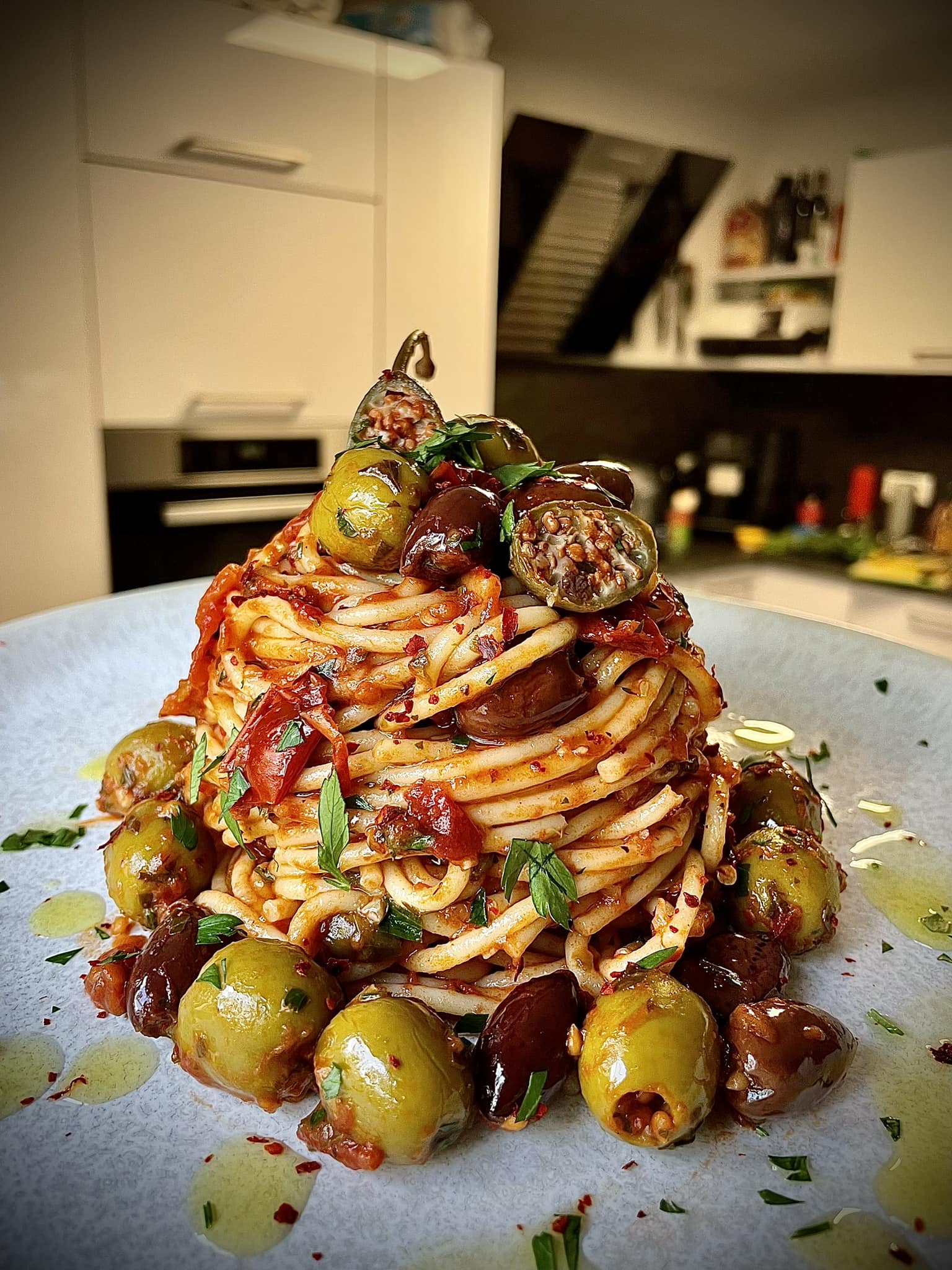
Why People Will Love Spaghetti alla Puttanesca:
Bold, fearless flavor in every bite
Salty anchovies, briny capers, olives, and chili create a punchy, unforgettable sauce that’s intense yet perfectly balanced.
Remarkable depth from simple pantry staples
This recipe transforms everyday ingredients into something complex and soulful, proving that great flavor doesn’t require excess.
Fast, satisfying, and deeply rewarding
The sauce comes together quickly, yet tastes layered and intentional—ideal for busy nights without sacrificing quality.
Perfect harmony of salt, heat, and acidity
Tomatoes soften the sharpness of olives and capers, while chili adds warmth that never overwhelms.
Authentic Southern Italian character
Rooted in tradition and instinctive cooking, this dish feels honest, rustic, and unapologetically Italian.
Naturally savory without heaviness
Anchovies melt into the sauce, adding umami depth without making the dish fishy or rich.
A pasta that demands attention
Every forkful is lively and engaging—this isn’t background food, it’s a dish you remember.
Minimal effort, maximum personality
Few steps, no complicated techniques, and a bold result that feels confident and expressive.
Key Ingredients:
Peeled Tomatoes
The backbone of the sauce, offering natural sweetness and acidity that balances the bold, salty elements while creating a silky base.
Anchovies in Oil
These melt seamlessly into the olive oil, delivering deep umami and savory richness without an overt fishy taste.
Salted Capers
Briny and sharp, capers add bursts of salinity that cut through the tomato sauce and elevate every bite.
Gaeta Olives
Soft, slightly sweet, and complex, these olives provide depth and a rounded saltiness distinct from harsher varieties.
Dried Chili Peppers
A gentle heat that awakens the sauce, adding warmth and energy rather than overpowering spice.
Garlic
Infuses the olive oil with aroma and backbone, laying the foundation for the sauce’s bold character.
Extra Virgin Olive Oil
The flavor carrier that binds all ingredients together, enhancing aroma and giving the sauce its signature Mediterranean richness.
Fresh Parsley
Added at the end for brightness, freshness, and contrast, lifting the sauce and keeping it vibrant.
Spaghetti
The ideal vessel—its long strands catch the sauce perfectly, ensuring every forkful delivers the full balance of flavors.
Expert Tips:
Let the anchovies dissolve completely
Add anchovies early and cook them gently in olive oil until they melt into a paste. This builds deep umami without any fishy flavor—if you can see anchovy pieces, they haven’t done their job yet.
Desalt the capers properly
Rinse salted capers thoroughly and pat them dry. This prevents the sauce from becoming overly salty and allows their sharp, briny flavor to stay balanced.
Crush olives, don’t slice them
Lightly crushing olives releases their oils and aroma more effectively than slicing, giving the sauce a richer, more integrated flavor.
Control the heat, don’t rush the sauce
Medium heat is key. Too high and the garlic burns; too low and the flavors won’t bloom. You want gentle sizzling that perfumes the oil.
Use whole garlic cloves, then remove them
This infuses the oil with garlic flavor without overpowering the sauce or making it bitter.
Add tomatoes after the aromatics bloom
Let oil, garlic, chili, anchovies, and capers fully release their aromas before adding tomatoes—this layering is what gives puttanesca its depth.
Cook the sauce until slightly thick, not dry
The sauce should cling to pasta, not sit thickly in the pan. It should look glossy and spoonable.
Finish pasta in the sauce
Drain spaghetti directly into the pan and toss over heat for 30–60 seconds. This step lets the pasta absorb the sauce rather than just being coated by it.
Reserve pasta water—but use it sparingly
A splash can loosen the sauce if needed, but too much will dilute the bold flavors.
Add parsley at the very end
Fresh herbs should never cook long—adding parsley off heat keeps the sauce bright and aromatic.
Skip cheese (traditionally)
Authentic puttanesca doesn’t use cheese. If you add it, keep it minimal so it doesn’t mute the salty, briny profile.
Taste before salting
Anchovies, olives, and capers already contribute salt—adjust seasoning only at the end.
How to make Spaghetti Alla Puttanesca
Ingredients:
Spaghetti 320 g
Peeled tomatoes 800 g
Anchovies in oil 25 g
Salted capers 10 g
Parsley 1 bunch
Gaeta olives 100 g
3 cloves garlic
Dried chili pepper 2
Extra virgin olive oil 30 g
Salt to taste
Instructions:
Step 1:
To make the puttanesca, first rinse the capers under running water to remove excess salt, then dry them and chop them coarsely with a knife.
Take the pitted Gaeta olives and crush them with the knife blade.
Step 2:
Wash, dry and chop the parsley.
Place a pan full of salted water on the heat to boil to cook the pasta.
Pour the oil, the whole peeled garlic cloves and the chopped dried chilli pepper into a large pan and anchovies.
Step 3:
Also add the desalted capers.
Brown over medium heat for 5 minutes, stirring often, so the anchovies will melt and all the aromas will release.
At this point pour in the slightly crushed peeled tomatoes, mix with a spoon and cook for another 10 minutes over medium heat.
Meanwhile, cook the spaghetti al dente.
Step 4
When the sauce is ready, remove the garlic cloves and add the crushed olives.
Flavor the sauce with chopped fresh parsley.
Step 5:
When the pasta is al dente, drain it directly into the pan and sauté it for half a minute, just long enough for all the flavors to blend.
The spaghetti puttanesca is ready to serve piping hot!
Storage:
We recommend consuming the spaghetti alla puttanesca immediately. If there are any leftovers, you can store them for a day in the refrigerator covered with cling film.
Advise
Spaghetti alla puttanesca is already quite tasty, therefore we recommend that you do not add any more salt to the sauce.
Important Notes When Making Spaghetti alla Puttanesca:
Salt is a finishing decision, not a starting one
Anchovies, capers, and olives already bring significant salinity. Always wait until the very end to adjust salt, and do so cautiously.
Anchovies are foundational, not optional
They are essential for the dish’s depth. When properly melted, they add savory richness—not a fishy taste. Skipping them changes the soul of the sauce.
Capers must be desalted correctly
Salt-packed capers should be rinsed thoroughly and dried. Using them straight from salt can overpower the dish and mask other flavors.
Tomatoes should support, not dominate
Puttanesca is not a tomato-heavy sauce. The tomatoes act as a backdrop for briny, spicy, and aromatic elements—avoid reducing the sauce too much.
Garlic should flavor the oil, not the sauce
Burnt garlic ruins the dish. Use whole cloves, cook gently, and remove them once their aroma is released.
Heat level should be assertive but controlled
Dried chili adds warmth, not fire. The goal is gentle heat that lingers, not sharp spiciness that overwhelms.
Oil quality matters more than quantity
Use good-quality extra virgin olive oil—it carries much of the sauce’s flavor. However, avoid making the dish greasy.
Olives should be crushed, not finely chopped
Crushing releases oils and keeps texture. Finely chopping can make the sauce muddy and overly salty in spots.
No cheese is traditional
Dairy clashes with the briny, umami-forward profile. If serving to guests who insist on cheese, offer it separately and lightly.
Short cooking time preserves freshness
Puttanesca is meant to be bold and vibrant. Overcooking dulls the aromatics and collapses the sauce’s personality.
Best eaten immediately
While leftovers are edible, the sauce loses brightness over time. This dish shines most when served fresh and hot.
Rustic appearance is intentional
The sauce should look slightly coarse and lively—not smooth or refined. That roughness is part of its charm.
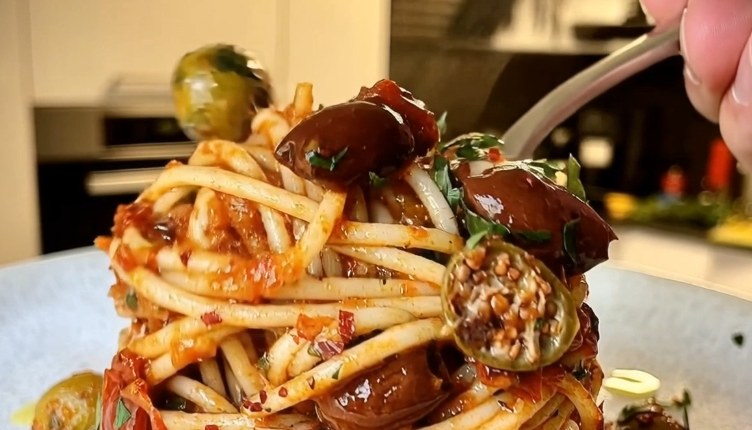
How to Enjoy Spaghetti alla Puttanesca After Cooking
1. Serve Immediately for Peak Flavor
Puttanesca is at its best right after it’s tossed with the sauce.
The heat keeps the olive oil aromatic, the anchovy umami vibrant, and the chili gently warm.
Letting it sit too long causes the sauce to dull and the pasta to absorb too much liquid.
2. Finish with Intention, Not Excess
Add a light drizzle of high-quality extra virgin olive oil just before serving to enhance aroma and mouthfeel.
Sprinkle fresh parsley for a clean, herbal contrast to the briny sauce.
Avoid cheese unless absolutely desired—this dish is traditionally dairy-free.
3. Plate Simply and Generously
Use warm bowls or plates to preserve temperature.
Twirl the pasta loosely—do not compact it. The sauce should cling naturally, not pool.
Visible bits of olive, caper, and tomato signal authenticity.
4. Taste Slowly, Not All at Once
The flavor unfolds in layers:
First bite: olive oil and tomato warmth
Mid-palate: anchovy umami and olive depth
Finish: chili heat and herbal freshness
Chew slowly to appreciate balance rather than intensity.
5. Pair with the Right Drink
Best wine choices:
Dry white wine (Vermentino, Falanghina) for brightness
Light red (Chianti, Frappato) if you prefer structure
Avoid sweet or heavily oaked wines—they fight the salt and acidity.
6. Keep the Table Minimal
This dish shines without distractions.
A simple green salad or crusty bread is enough.
Avoid rich sides—Puttanesca is already bold and complete.
7. Enjoy the Rustic Spirit
Puttanesca is unapologetically rustic, bold, and expressive.
Embrace the imperfect look, the assertive flavors, and the Mediterranean confidence of the dish.
8. If Saving Leftovers (Optional)
Store in an airtight container for up to 24 hours.
Reheat gently over low heat with a splash of water or olive oil.
Expect slightly softer pasta and a milder flavor profile.
9. Best Occasions to Serve
Quick but impressive weeknight dinner
Casual dinner with wine and conversation
When you want maximum flavor with minimal ingredients
10. Eat It with Confidence
Puttanesca is meant to be bold, salty, aromatic, and honest.
If it tastes powerful—that’s exactly the point.
Nutrition Information:
Estimates are per serving (about 1/4 of the recipe), assuming standard portions and moderate salt.
Calories: ~520 kcal | Total Fat: 18–20 g | Saturated Fat: 2.5–3 g | Monounsaturated Fat: 12–13 g | Polyunsaturated Fat: 2–3 g | Cholesterol: ~10 mg | Sodium: 850–1,050 mg (depends on capers, anchovies, and added salt) | Total Carbohydrates: 70–74 g | Dietary Fiber: 6–7 g | Sugars: 8–9 g | Protein: 14–16 g
Frequently Asked Questions:
Can I make Spaghetti alla Puttanesca without anchovies?
Yes. While anchovies are traditional and provide deep umami rather than a “fishy” flavor, you can omit them if needed. To compensate, increase the capers slightly or add a teaspoon of miso paste or soy sauce to maintain savory depth.
Should I rinse capers before using them?
Absolutely. Salt-packed capers should always be rinsed thoroughly under running water to remove excess salt. This prevents the sauce from becoming overly salty and allows the briny flavor to stay balanced rather than sharp.
What type of olives work best for authentic flavor?
Gaeta olives are the traditional choice, offering a mild bitterness and soft texture. If unavailable, Kalamata olives are an excellent substitute. Avoid canned black olives, as they lack the depth and character needed for this sauce.
How spicy should puttanesca be?
Puttanesca is meant to have a gentle heat, not overpowering spice. Dried chili should enhance the sauce’s intensity without dominating it. Start with less chili and adjust gradually—you should feel warmth, not burn.
Can this sauce be made ahead of time?
Yes, and it often tastes better after resting. You can prepare the sauce up to 24 hours in advance and store it in the refrigerator. Reheat gently and toss with freshly cooked pasta for best texture and flavor integration.
Why should anchovies be added early instead of later?
Anchovies should be added early so they can melt completely into the oil. When gently heated, they dissolve and create a deep, savory backbone for the sauce without leaving any noticeable fish texture or taste.
Do I need to cook the sauce for a long time?
No. Puttanesca is meant to be quick and vibrant. Cooking the sauce for too long dulls the brightness of the tomatoes and olives. About 10–15 minutes is ideal to meld flavors while keeping the sauce lively.
Should the garlic be removed from the sauce?
Yes, if using whole garlic cloves. Removing them prevents bitterness and keeps the garlic aroma subtle rather than sharp. If you prefer a stronger garlic presence, finely slice it and leave it in—but cook gently to avoid burning.
Why is it important to finish the pasta in the sauce?
Tossing the pasta directly in the sauce allows the starch on the noodles to bind with the oil and tomato juices. This step ensures the sauce clings evenly to the spaghetti instead of pooling at the bottom of the plate.
How do I prevent the dish from becoming too salty?
Balance is key. Rinse capers thoroughly, taste olives before adding, and salt the pasta water slightly less than usual. Always taste the sauce before adding extra salt—anchovies, capers, and olives already contribute significant salinity.