Spaghetti al Limone
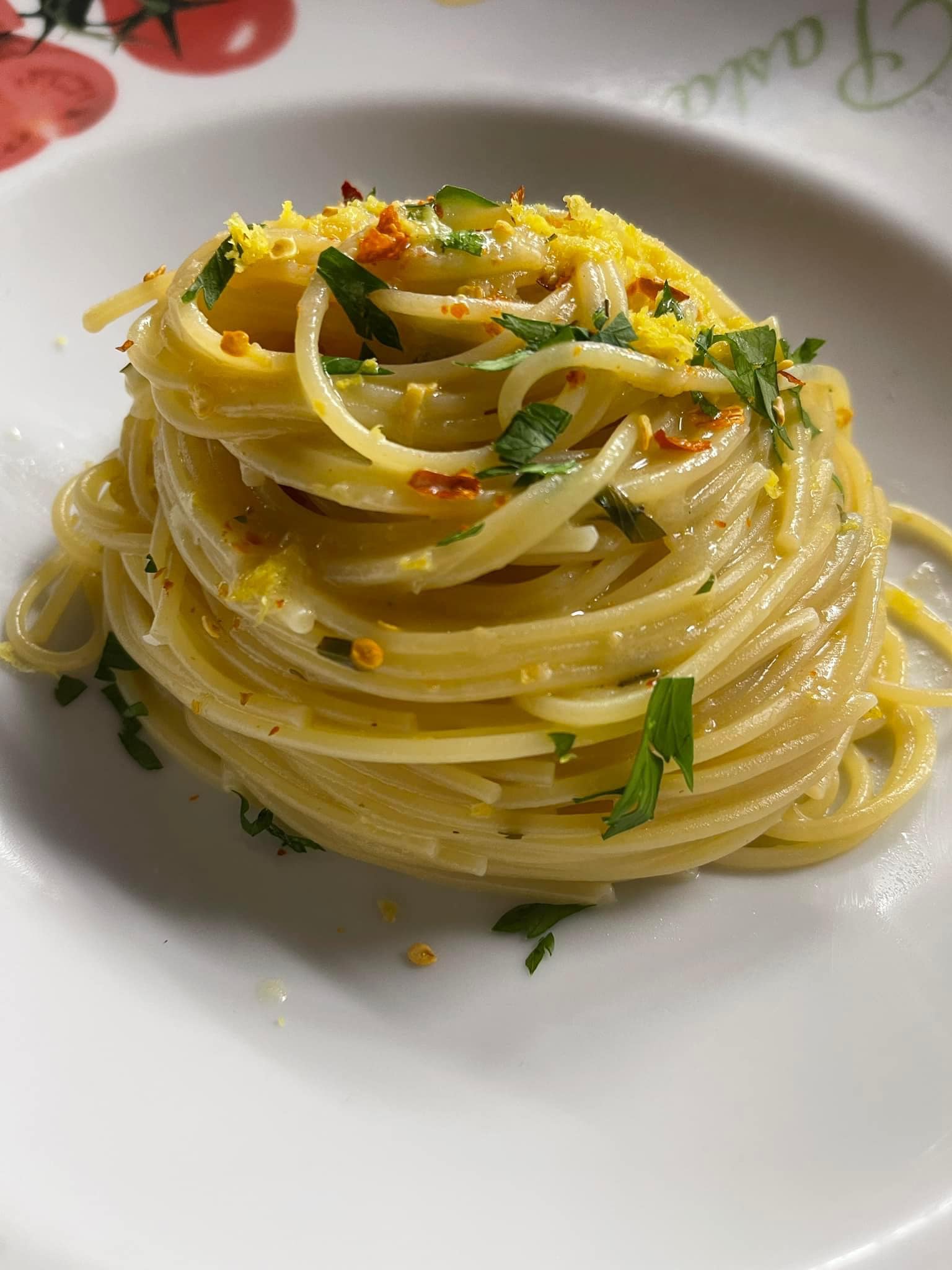
Spaghetti al Limone is a bright, elegant Italian pasta dish built around the clean flavor of fresh lemon, olive oil, butter, garlic, Pecorino Romano or Parmigiano Reggiano, and starchy pasta water. It is simple in ingredients, but the final dish feels refined, fragrant, and deeply satisfying.
The beauty of this recipe comes from balance. The lemon juice gives freshness and acidity, the zest adds perfume, the cheese brings salty richness, and the pasta water helps everything become silky and glossy. A touch of peperoncini adds gentle heat without overwhelming the citrus.
This is the kind of pasta that proves simple food can feel luxurious when handled carefully. It is light but flavorful, creamy without heavy cream, and perfect for a quick dinner, warm-weather meal, or elegant side dish.
Why People Will Love Spaghetti al Limone Recipe
It is fresh and full of lemon flavor.
Lemon juice and lemon zest give the pasta a bright, aromatic flavor that feels clean and lively.
It is simple but elegant.
With just pasta, lemons, garlic, olive oil, butter, cheese, and herbs, the dish feels refined without being complicated.
It is creamy without cream.
Pasta water, cheese, olive oil, and butter create a silky sauce that coats the spaghetti beautifully.
It cooks quickly.
This recipe is perfect for a fast dinner because the sauce comes together while the pasta cooks.
It has a beautiful balance of flavors.
The lemon is bright, the cheese is salty, the garlic is savory, the parsley is fresh, and the peperoncini adds warmth.
It feels light but satisfying.
The dish is not heavy, but the cheese and olive oil give it enough richness to feel complete.
It pairs well with many meals.
Serve it on its own or alongside seafood, grilled chicken, roasted vegetables, or a crisp salad.
It is a great pasta for warm weather.
The citrus flavor makes it refreshing, while the spaghetti keeps it comforting.
Key Ingredients
Spaghetti
Spaghetti is ideal for this dish because its long strands catch the glossy lemon-cheese sauce. The pasta should be cooked until al dente so it can finish cooking in the pan.
Organic Lemons
Since both lemon juice and zest are used, good-quality organic lemons are best. The zest gives the dish its strongest lemon aroma, while the juice adds brightness.
Dried Peperoncini
Peperoncini adds gentle heat and depth. It keeps the pasta from tasting too sharp or one-dimensional.
Leaf Parsley
Parsley adds freshness, color, and a light herbal finish. It balances the richness of the oil, butter, and cheese.
Pecorino Romano or Parmigiano Reggiano
Pecorino Romano gives a sharper, saltier flavor, while Parmigiano Reggiano is nuttier and milder. Either cheese helps create a creamy, savory sauce.
Garlic
Garlic adds a warm savory base. It should be cooked briefly so it perfumes the oil without becoming bitter.
Olive Oil
Olive oil gives the sauce body and a smooth Mediterranean flavor. It carries the lemon zest, garlic, and peperoncini beautifully.
Butter
A small amount of butter adds roundness and helps the sauce feel silky without making it heavy.
Pasta Water
Starchy pasta water is essential. It helps emulsify the lemon, oil, butter, and cheese into a smooth sauce that clings to the spaghetti.
Expert Tips
Use the lemon zest carefully.
Zest only the yellow part of the lemon. The white pith underneath can taste bitter.
Do not burn the garlic.
Garlic should be gently warmed in the oil and butter, not browned too much. Burned garlic can make the sauce bitter.
Cook the pasta until just before al dente.
Transfer the spaghetti to the pan about 2 minutes before it is fully cooked so it can finish absorbing the lemon sauce.
Save plenty of pasta water.
Pasta water is what turns the lemon, oil, butter, and cheese into a glossy sauce. Always reserve extra before draining.
Add cheese off high heat.
If the pan is too hot, the cheese can clump. Lower the heat or remove the pan briefly before stirring in the cheese.
Toss vigorously.
Stirring and tossing helps the sauce emulsify and coat the spaghetti evenly.
Taste before adding extra salt.
Pecorino Romano can be quite salty, so season carefully.
Finish with fresh zest.
A little lemon zest added at the end gives the pasta a fresh, fragrant finish.
Spaghetti al Limone
Ingredients:
500 grams of spaghetti
4 good organic lemons
Dried peperoncini
Leaf parsley
100-125 grams of Pecorino Romano or Parmigiano Reggiano
2 cloves of garlic
5-6 tablespoons of olive oil
Half a tablespoon of butter
Instructions:
Cook the spaghetti.
Heat olive oil and butter in a pan, add the sliced garlic, the abrasion of 2 lemons, a quarter of a teaspoon of peperoncini and the sliced garlic and fry briefly, then add the juice of the 4 lemons to the pan and simmer.
2 minutes before the pasta is ready, add the spaghetti directly from the pot to the pan and add 1-2 ladles of pasta water and cook for the remaining 2 minutes.
30 seconds before it is ready, add the pecorino and the chopped parsley and stir.
Arrange and add some lemon zest to the pasta.
Enjoy your meal !
Important Notes When Making Spaghetti al Limone
This recipe depends on fresh lemons.
Bottled lemon juice will not give the same bright, natural flavor.
The sauce should be glossy, not watery.
Add pasta water gradually and toss until the sauce clings to the spaghetti.
Cheese choice affects the flavor.
Pecorino makes the dish sharper and saltier, while Parmigiano makes it smoother and nuttier.
Do not overcook the pasta.
Since the spaghetti finishes cooking in the pan, it should be removed from the boiling water slightly early.
The lemon flavor should be balanced.
If the sauce tastes too sharp, add a little more cheese, butter, or pasta water to soften it.
Serve immediately.
Spaghetti al Limone is best when freshly tossed, hot, and silky. The sauce thickens as it sits.
Use a wide pan.
A wide skillet makes it easier to toss the pasta with the lemon sauce and pasta water.
How to Enjoy Spaghetti al Limone After Cooking
Serve Spaghetti al Limone immediately after tossing, while the sauce is still glossy and warm. Use tongs to twirl the spaghetti into bowls or plates, making sure each serving gets a light coating of lemon-cheese sauce.
Finish each plate with extra lemon zest, chopped parsley, and a little more Pecorino Romano or Parmigiano Reggiano. A small drizzle of olive oil can also make the pasta look and taste more elegant.
This pasta is delicious on its own as a light main dish, but it also pairs beautifully with grilled shrimp, seared scallops, baked salmon, roasted chicken, grilled vegetables, asparagus, zucchini, or a crisp green salad. The lemon flavor makes it especially good with seafood.
For a simple meal, serve it with crusty bread and a fresh salad. For a more elegant dinner, pair it with white fish, roasted vegetables, and sparkling water with lemon.
Leftovers can be stored in the refrigerator, but the sauce may thicken as it cools. Reheat gently with a splash of water or broth, tossing until the pasta becomes loose and glossy again.
Nutrition Information
Approximate nutrition per serving, based on about 5 servings:
Calories: 465 kcal | Total Fat: 17 g | Saturated Fat: 5 g | Monounsaturated Fat: 10 g | Polyunsaturated Fat: 1.5 g | Cholesterol: 16 mg | Sodium: 420–680 mg depending on cheese and added salt | Total Carbohydrates: 63 g | Dietary Fiber: 4 g | Sugars: 3 g | Protein: 15 g
Frequently Asked Questions:
What is Spaghetti al Limone?
Spaghetti al Limone is an Italian lemon pasta made with spaghetti, fresh lemon juice, lemon zest, olive oil, butter, cheese, garlic, parsley, and pasta water. It is bright, silky, and simple.
Does Spaghetti al Limone taste very sour?
It should taste bright and lemony, but not harshly sour. The cheese, butter, olive oil, and pasta water help balance the acidity of the lemon juice.
Which cheese is better: Pecorino Romano or Parmigiano Reggiano?
Pecorino Romano gives a sharper, saltier flavor, while Parmigiano Reggiano gives a nuttier, smoother flavor. Both work well, and you can also use a mix of the two.
What can I serve with Spaghetti al Limone?
It pairs well with shrimp, scallops, salmon, grilled chicken, roasted vegetables, asparagus, zucchini, garlic bread, or a fresh green salad.
Is this pasta creamy?
Yes, but not from cream. The creaminess comes from the emulsion of pasta water, cheese, olive oil, butter, and lemon juice.
Why do I need pasta water?
Pasta water contains starch, which helps bind the lemon juice, oil, butter, and cheese into a smooth sauce that clings to the spaghetti.
Why did my cheese clump?
The pan may have been too hot, or there may not have been enough pasta water. Add the cheese over low heat and toss quickly with a splash of pasta water.
Can I use bottled lemon juice?
Fresh lemon juice is strongly recommended. Bottled lemon juice can taste flat or harsh and does not provide the fresh aroma from lemon zest.
How do I make the sauce less sharp?
Add more pasta water, a little extra butter, or more cheese to soften the lemon flavor. Taste and adjust slowly.
Can I add protein to this pasta?
Yes. Grilled shrimp, seared scallops, salmon, chicken, or even crispy pancetta can be added. Seafood is especially good with the lemon flavor.