Shrimp Gumbo
Shrimp Gumbo is a dish that carries history, culture, and comfort in every spoonful. Rooted in Southern tradition, it’s a slow-simmered blend of bold flavors—aromatic vegetables, rich broth, and tender proteins—all coming together into something deeply satisfying.
The process itself is just as important as the ingredients, allowing each layer to build into a complex, soulful dish.
What makes gumbo truly special is its balance of heartiness and depth. The richness of the broth is lifted by herbs and vegetables, while the shrimp adds a delicate sweetness that finishes the dish beautifully. Served over rice, it becomes more than just a meal—it’s a warm, comforting experience meant to be savored slowly.
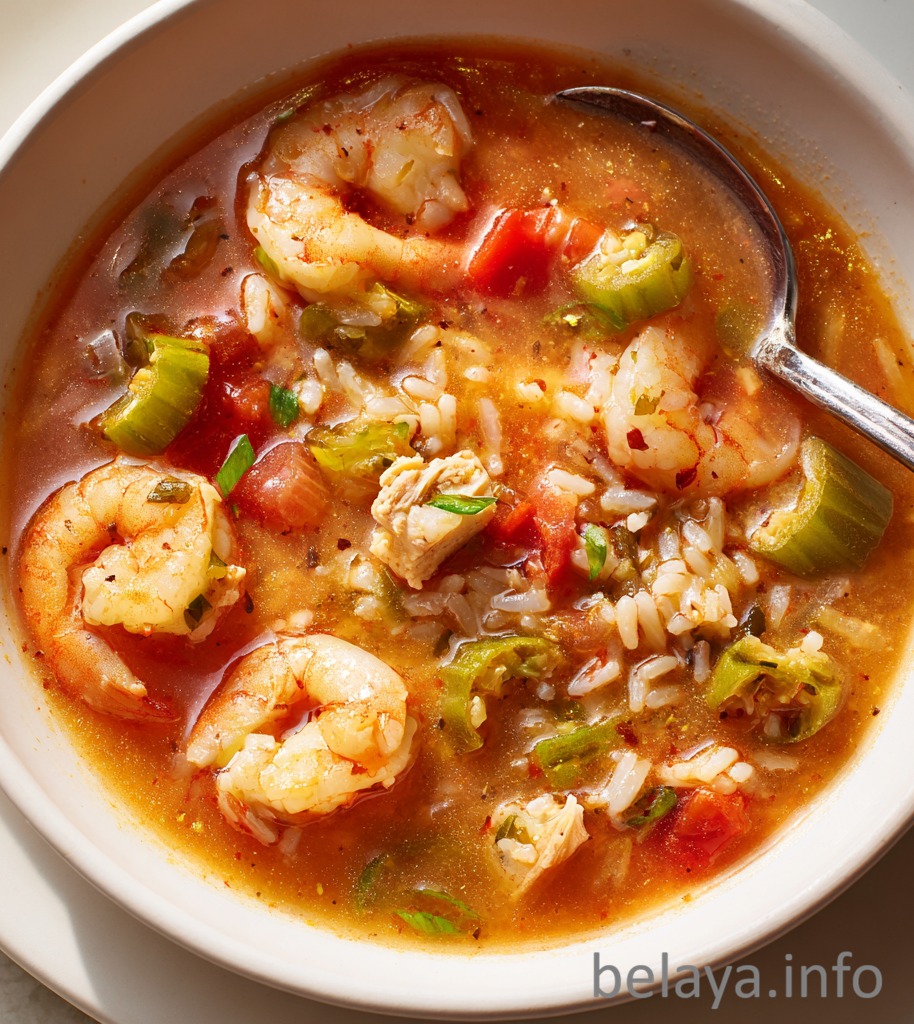
Why People Will Love Shrimp Gumbo Recipe
Deep, soulful flavor – Slowly simmered ingredients create a rich, layered broth that feels complex, comforting, and deeply satisfying
A true comfort food experience – Warm, hearty, and filling, gumbo delivers that classic, home-cooked feeling that people crave
Perfect balance of flavors – Savory chicken, sweet shrimp, earthy vegetables, and aromatic herbs come together in harmony without any one element overpowering the others
Rich yet not heavy – Despite its depth, the broth remains balanced and flavorful rather than overly thick or overwhelming
Cultural and traditional appeal – Gumbo carries the essence of Southern cooking, making it feel authentic, meaningful, and rooted in tradition
Layered textures in every bite – Tender chicken, juicy shrimp, soft vegetables, and the slight body from okra create a satisfying and dynamic texture
Customizable to taste – Easy to adjust spice level, protein choices, or thickness, allowing everyone to make it their own while keeping its core identity
Even better over time – Like many slow-cooked dishes, the flavors deepen as it rests, making leftovers even more delicious
Perfect for sharing – A large pot of gumbo naturally brings people together, making it ideal for family meals or gatherings
Comforting and nourishing – Packed with protein, vegetables, and warm spices, it feels both hearty and wholesome at the same time
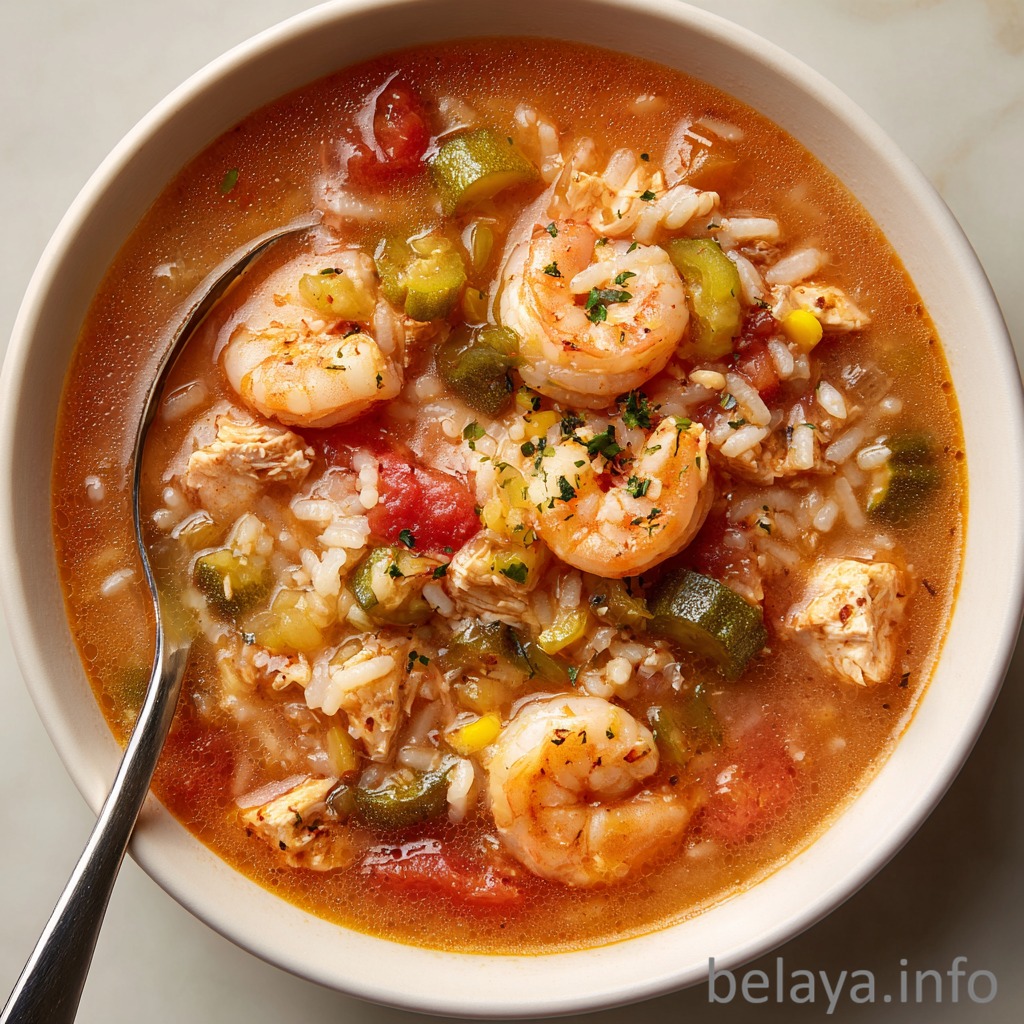
Key Ingredients
Shrimp – The highlight of the dish, shrimp adds a delicate sweetness and tender texture that contrasts beautifully with the rich, savory broth. When added at the end, it stays juicy and perfectly cooked
Chicken Breast – Provides a hearty, satisfying base. As it simmers, it absorbs the flavors of the broth while adding depth and substance to the gumbo
The “Holy Trinity” (Onion, Bell Pepper, Celery) – This classic combination forms the aromatic foundation of gumbo. It builds layers of flavor from the very beginning, giving the dish its signature Southern character
Okra – A defining ingredient that adds both flavor and natural thickening. It brings a subtle earthiness and helps give gumbo its signature body and texture
San Marzano Tomatoes – Known for their balanced sweetness and low acidity, they contribute a rich, smooth tomato base that enhances the overall depth of the broth
Chicken Broth – Acts as the backbone of the gumbo, carrying and blending all the flavors together into a cohesive, savory base
Flour (for thickening) – Lightly cooked with the vegetables, it helps develop body and a slightly nutty undertone, contributing to the gumbo’s signature texture
Garlic – Adds warmth and aromatic depth, enhancing the savory profile without overpowering the dish
Dried Thyme – Brings an earthy, herbal note that complements both the chicken and seafood, adding subtle complexity
Salt & Black Pepper – Essential for balancing and sharpening the flavors, ensuring the gumbo tastes full and well-rounded
Rice (for serving) – While not cooked in the gumbo, it’s essential for the experience—absorbing the flavorful broth and turning the dish into a complete, comforting meal
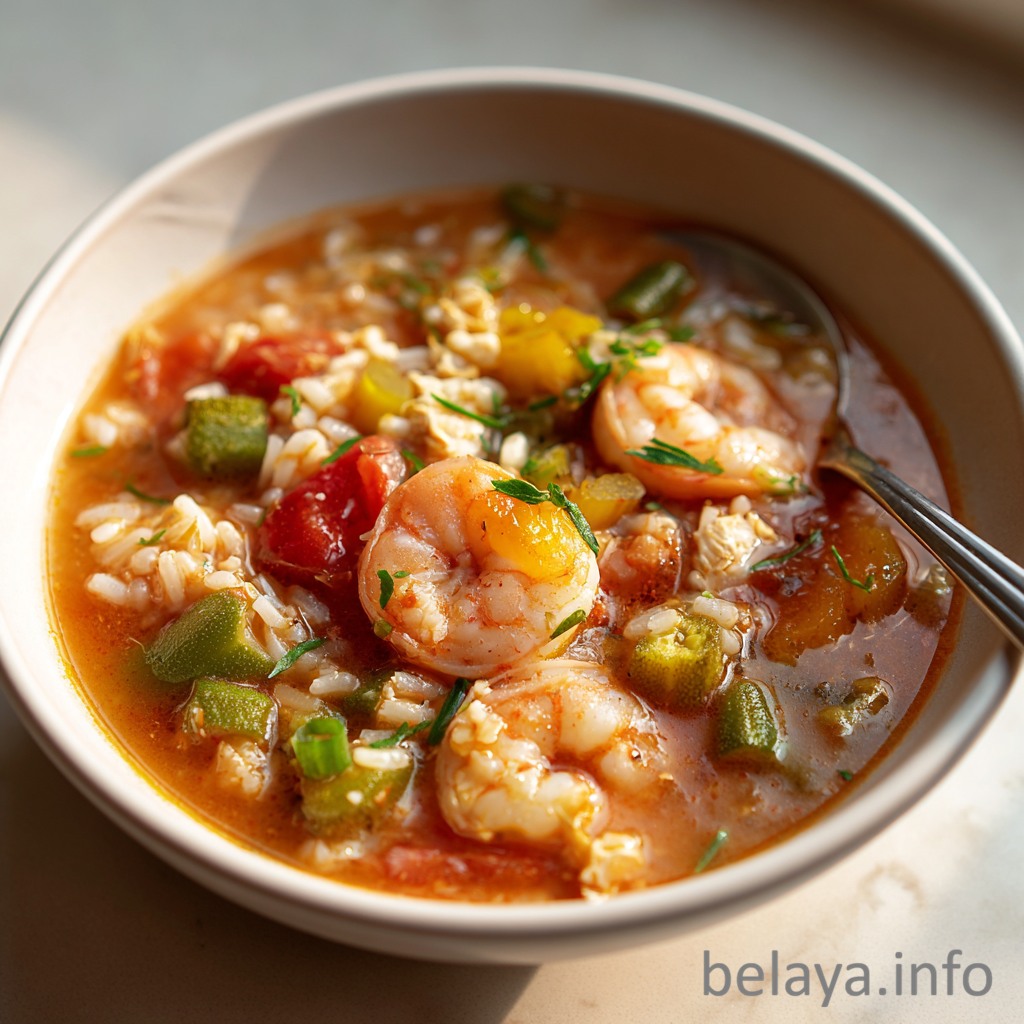
Expert Tips:
Build a proper flavor base from the start – Take time to sauté the onion, bell pepper, and celery until softened and slightly caramelized. This step creates the foundation of depth that carries through the entire gumbo
Cook the flour just enough – When adding flour to the vegetables, stir continuously and let it cook until lightly golden. This removes the raw flour taste and adds a subtle nutty flavor without making the gumbo too heavy
Simmer low and slow – After bringing the pot to a boil, reduce to a gentle simmer. Slow cooking allows the flavors to meld and develop complexity without breaking down the ingredients too aggressively
Season in stages – Add salt gradually as the gumbo cooks. Since the broth reduces and ingredients release flavor over time, final seasoning should always be adjusted at the end
Add shrimp at the very end – Shrimp cooks quickly and can become rubbery if overcooked. Add it only in the final few minutes, just until it turns pink and opaque
Control the thickness naturally – Okra and flour both contribute to thickening. Let the gumbo develop its body over time rather than rushing or adding too much flour early
Stir occasionally, not constantly – Give the gumbo time to simmer undisturbed so flavors can deepen, but stir occasionally to prevent sticking and ensure even cooking
Balance the acidity of tomatoes – If the gumbo tastes too sharp, let it cook longer to mellow. You can also add a small drizzle of oil or a pinch of sugar to round out the flavor
Use quality broth and tomatoes – With a simple ingredient list, the quality of your broth and tomatoes significantly impacts the final taste
Let it rest before serving – Allow the gumbo to sit for 10–15 minutes after cooking. This helps the flavors settle and the texture become more cohesive
Serve over properly cooked rice – Fluffy, well-seasoned rice is essential. It absorbs the broth and balances the richness of the gumbo
Enhance just before serving – A final crack of black pepper or a touch of fresh herbs can brighten the dish and elevate the aroma
Reheat gently for best results – If making ahead, warm over low heat and avoid boiling, especially after adding shrimp, to maintain texture and flavor
Shrimp Gumbo
Ingredients:
1 onion chopped
1 bell pepper chopped
1-2 stalks celery chopped
1 quart chicken broth
1 28 ounce can San Marzano tomatoes
1-2 boneless chicken breast cubed
1 pound frozen okra
Salt and pepper
Garlic
2 tablespoons flour
2 teaspoons dried thyme leaves
Shrimp as much as you want
Instructions:
Sauté veggies in a little olive oil then add flour stir and cook a couple minutes then add everything else but the shrimp
Bring to boil then simmer a couple hours.
Add shrimp and cook until done.
Service over rice.
Important Notes When Making Shrimp Gumbo
This dish is built on layering, not shortcuts – Each step, from sautéing the vegetables to slow simmering, contributes to the final depth. Skipping or rushing these stages will noticeably flatten the flavor
The “holy trinity” is essential – Onion, bell pepper, and celery are not optional—they define the base flavor of gumbo and give it its signature identity
Thickness should develop naturally – Gumbo should have body, not heaviness. The combination of flour and okra creates a balanced texture—avoid over-thickening, which can make it feel dense
Shrimp timing is critical – Adding shrimp too early will overcook it, resulting in a rubbery texture. It should always be added at the very end for tenderness
Heat control defines the outcome – A gentle simmer is key. Boiling too aggressively can break down ingredients too quickly and muddy the flavor
Flavor evolves over time – Gumbo often tastes better after resting or the next day. The ingredients continue to meld, creating a deeper, more cohesive taste
Tomato balance matters – Tomatoes add richness, but too much acidity can throw off the dish. Allow enough simmering time to mellow and round out the flavor
Seasoning should be gradual – Because the liquid reduces over time, it’s important to season in stages and adjust at the end to avoid over-salting
Ingredient quality is highly noticeable – With a relatively simple ingredient list, good broth, fresh vegetables, and quality shrimp will significantly elevate the final dish
Rice is part of the dish, not just a side – Properly cooked rice is essential for absorbing the gumbo and balancing its intensity, completing the overall experience
Consistency can vary slightly – Gumbo is a flexible dish; some prefer it thicker, others more brothy. The key is maintaining a smooth, cohesive texture rather than extremes
Respect the cooking process – Gumbo is as much about patience and care as it is about ingredients. Taking your time is what transforms it from a simple soup into something rich and memorable
How to Enjoy Shrimp Gumbo After Cooking
Let the gumbo rest before serving – Allow it to sit for 10–15 minutes after cooking. This helps the flavors settle and the broth slightly thicken, creating a more cohesive and balanced taste
Serve at the ideal temperature – Enjoy the gumbo hot but not boiling. When slightly cooled, the layers of flavor become more noticeable and the texture feels richer
Prepare the rice properly – Fluffy, well-cooked rice is essential. Spoon the gumbo over rice rather than mixing it in completely, so each bite can be adjusted to your preference
Layer your bowl thoughtfully – Start with a base of rice, then ladle the gumbo over the top, making sure to include a mix of shrimp, chicken, vegetables, and broth in every serving
Finish with a final touch – Add freshly cracked black pepper, a light drizzle of olive oil, or a sprinkle of fresh herbs to brighten the dish just before eating
Adjust to taste at the table – Some prefer a bit more seasoning or heat. A dash of hot sauce or extra pepper can personalize each bowl without altering the whole pot
Enjoy the texture contrast – Notice how the tender shrimp, soft vegetables, and hearty chicken interact with the rich broth and rice—this layered texture defines the gumbo experience
Pair with simple sides – Serve with crusty bread or cornbread to soak up the flavorful broth, adding another layer of comfort to the meal
Savor it slowly – Gumbo is meant to be enjoyed, not rushed. Take time to appreciate the depth created through slow cooking
Store leftovers properly – Let the gumbo cool completely before refrigerating in an airtight container. Store rice separately if possible to maintain the best texture
Reheat gently for best results – Warm over low heat, stirring occasionally. Avoid boiling, especially after shrimp has been added, to prevent overcooking
Refresh before serving again – Taste and adjust seasoning when reheating. A pinch of salt, pepper, or a small splash of broth can bring the flavors back to life
Make it a shared experience – Gumbo is a communal dish at heart—serve it family-style and let everyone build their own bowl for a more enjoyable, interactive meal
Nutrition Information:
YIELDS: 4 | SERVING SIZE: 1
Calories: 400 kcal | Protein: 30g | Fat: 10g | Saturated Fat: 2g | Trans Fat: 0g | Carbohydrates: 40g | Dietary Fiber: 8g | Sugars: 10g | Cholesterol: 120mg | Sodium: 800mg
Frequently Asked Questions:
What is the key to a flavorful Shrimp Gumbo?
The key to flavorful Shrimp Gumbo lies in the combination of aromatic vegetables, rich broth, and a well-balanced blend of spices like thyme and garlic.
Can I customize the ingredients in Shrimp Gumbo?
Absolutely! You can customize the ingredients based on your preferences, adding or omitting vegetables, adjusting spice levels, or even incorporating additional seafood.
How important is the roux in this recipe?
The roux (flour sautéed in oil) adds thickness and enhances the flavor.
Be patient when cooking it, as it contributes to the characteristic richness of Gumbo.
Can I use fresh tomatoes instead of canned San Marzano tomatoes?
Yes, you can use fresh tomatoes, but San Marzano tomatoes are preferred for their sweet and less acidic flavor.
Is it necessary to simmer for a couple of hours?
While simmering for a couple of hours enhances flavors, you can adapt the cooking time based on your schedule.
A longer simmer generally results in a more developed taste.
Can I make Shrimp Gumbo in advance?
Absolutely! Gumbo often tastes even better the next day as the flavors continue to meld.
Store it in the refrigerator and reheat before serving.
Can I use different proteins besides shrimp and chicken?
Yes, feel free to experiment with proteins like sausage, crab, or other seafood to suit your taste.
How can I adjust the spice level?
Control the spice level by adjusting the amount of pepper, adding hot sauce, or using mild or spicy sausage.
Is okra necessary, and can it be substituted?
Okra adds thickness and a unique flavor.
If you’re not a fan, you can omit it or use alternatives like file powder.
What’s the best type of rice to serve with Shrimp Gumbo?
Traditionally, long-grain white rice is served with Gumbo, but you can use brown rice or other varieties based on your preference.