Pasta alla Puttanesca
Pasta alla Puttanesca is a bold, unapologetic Italian classic that proves simple ingredients can create extraordinary depth of flavor.
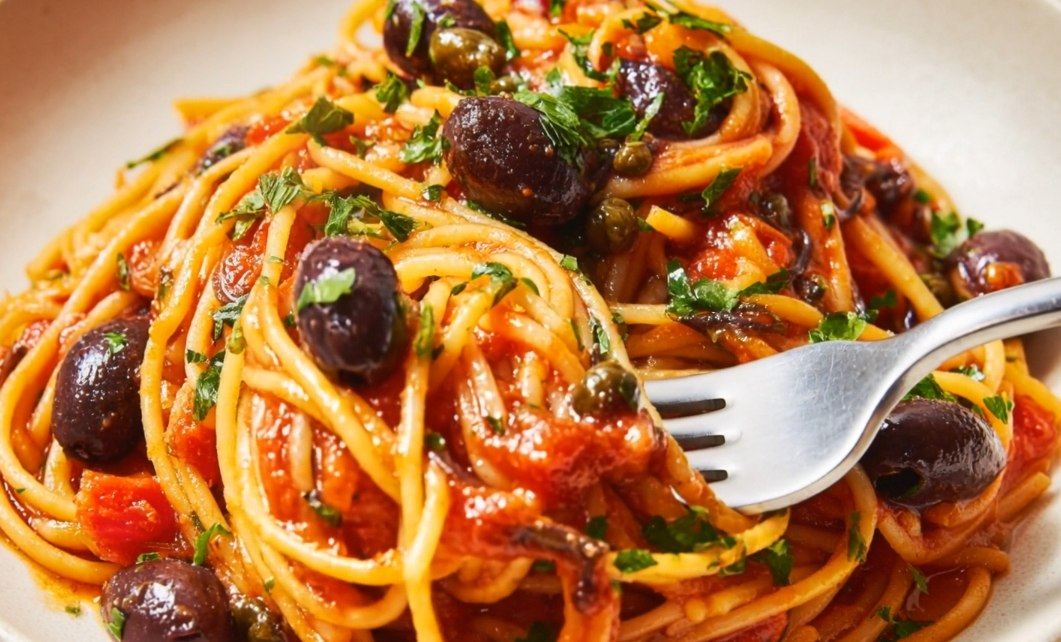
Briny olives and capers, rich tomatoes, garlic, and anchovies come together in a sauce that is both rustic and intensely savory. Every bite delivers a perfect balance of salty, tangy, and slightly spicy notes, coating the pasta in a glossy, fragrant sauce that feels both comforting and vibrant.
What makes this dish truly special is its effortless elegance. It’s the kind of meal you can prepare with pantry staples, yet it tastes like something from a cozy trattoria along the Italian coast. Quick to make, deeply satisfying, and full of character, Pasta alla Puttanesca is a celebration of bold flavors and simple cooking at its finest.
Why People Will Love This Pasta alla Puttanesca Recipe
Deep, layered umami flavor – the combination of anchovies, tomatoes, olives, and capers creates a rich, savory profile that tastes complex far beyond the short ingredient list
Perfect balance of bold tastes – salty, briny, tangy, and slightly spicy notes all work together in harmony, making every bite exciting and satisfying
Quick yet gourmet – despite its restaurant-quality flavor, this dish comes together in under an hour, making it ideal for both busy weeknights and elegant dinners
Pantry-friendly ingredients – most of the components are shelf-stable staples, so you can create a luxurious Italian meal without a special shopping trip
Authentic Italian comfort food – this recipe connects you to traditional coastal Italian cooking, bringing rustic, old-world charm straight to your table
Incredibly aromatic while cooking – the scent of garlic, olive oil, and simmering tomatoes fills the kitchen, creating a warm and inviting atmosphere
Customizable to your taste – you can adjust the anchovies, spice level, or saltiness to match your preference without losing the soul of the dish
Naturally dairy-free and wholesome – the richness comes from quality olive oil and fresh ingredients, making it satisfying without heavy cream or cheese
Pairs beautifully with simple sides – crusty bread, a fresh salad, or a glass of wine turn this into a complete, well-balanced meal
Memorable and conversation-worthy – its bold flavor and interesting history make it a dish people remember and want to enjoy again and again
Key Ingredients:
Thin Spaghetti – The delicate strands are ideal for holding onto the bold, oil-based sauce without feeling heavy. Thin spaghetti allows every bite to be evenly coated, creating a silky, cohesive dish where pasta and sauce are perfectly integrated.
Extra Virgin Olive Oil (Italian Nocellara preferred) – This is the heart of the sauce. A high-quality EVOO adds fruitiness, richness, and a smooth mouthfeel that carries all the flavors. Nocellara oil, in particular, offers a buttery, slightly peppery finish that elevates the entire dish.
Anchovy Fillets – These melt into the oil and become the invisible backbone of the sauce. They don’t taste fishy; instead, they deliver a deep, savory umami richness that amplifies every other ingredient.
Garlic – Fresh minced garlic provides a fragrant, slightly sweet sharpness that builds the aromatic base. It balances the briny components and adds warmth to the sauce.
San Marzano Tomatoes – Known for their natural sweetness and low acidity, these tomatoes create a smooth, balanced sauce. When gently broken down, they form a rich, velvety base that carries the bold flavors beautifully.
Kalamata Olives – Their meaty texture and bold, wine-like saltiness bring depth and contrast. They punctuate the sauce with bursts of briny intensity in every bite.
Capers – Small but powerful, capers add bright, tangy pops of acidity that cut through the richness and keep the dish lively and balanced.
Red Pepper Flakes (optional) – A subtle heat that awakens the palate and enhances the savory notes without overpowering the dish.
Dried Oregano – Adds an earthy, herbaceous Mediterranean note that ties together the tomatoes, olives, and garlic.
Fresh Parsley – A final touch of freshness and color. It lightens the overall profile and adds a clean, green finish that balances the richness of the sauce.
Expert Tips:
Start with the best olive oil you can find
Because this is an oil-based sauce, the flavor of your extra virgin olive oil is front and center. Choose a high-quality, fruity, slightly peppery oil—it becomes the backbone of the entire dish.
Melt the anchovies gently, don’t fry them
Keep the heat at medium or slightly below when adding anchovies. Let them slowly dissolve into the oil. If the heat is too high, they can become bitter instead of creating that deep, savory umami base.
Bloom the red pepper flakes in the oil
Adding the chili flakes at the same time as the anchovies allows their heat to infuse into the oil evenly, giving the dish a warm, rounded spice instead of a harsh bite.
Add garlic at the right moment
Garlic burns quickly. Add it only after the anchovies have melted and cook it briefly—just until fragrant (about 20–30 seconds). Burnt garlic will give the sauce a sharp, unpleasant taste.
Use whole tomatoes and break them by hand or in the pan
Crushing whole San Marzano tomatoes yourself creates a more rustic, textured sauce and releases natural juices more gently than pre-crushed tomatoes.
Simmer slowly to build depth
Don’t rush the sauce. A gentle 20–30 minute simmer allows the flavors of olives, capers, garlic, and tomatoes to marry into a cohesive, rich sauce.
Salt carefully and at the end
Anchovies, olives, and capers already bring a lot of saltiness. Taste the sauce only after it has simmered before adding any extra salt.
Cook pasta just shy of al dente
Slightly undercook the pasta in water so it can finish cooking in the sauce. This helps the pasta absorb flavor and bind with the sauce more naturally.
Reserve pasta water—it’s liquid gold
A splash of starchy pasta water helps emulsify the olive oil and tomato juices, creating a glossy, restaurant-style sauce that clings beautifully to the noodles.
Finish pasta in the sauce, not separately
Toss the pasta directly in the pan with the sauce for the last minute or two of cooking. This step is key for proper flavor absorption and texture.
Layer the olives and capers for texture
Add half during the simmer for depth, and reserve the rest for the end to keep their firm texture and bright flavor.
Balance with fresh herbs at the end
Stir in fresh parsley off heat. This preserves its bright color and adds a clean, fresh finish that lifts the entire dish.
Serve immediately for best texture
Puttanesca is at its peak right after tossing. The sauce is glossy, the pasta is perfectly coated, and the flavors are vibrant and alive.
Optional finishing touches for depth
A drizzle of finishing olive oil, a touch of lemon zest, or even a few toasted breadcrumbs can add extra dimension without overpowering the classic profile.
Pair simply and thoughtfully
Serve with crusty bread and a crisp salad. A glass of dry white wine or light red complements the briny, savory flavors beautifully.
Pasta alla Puttanesca
Ingredients:
¾ pound thin spaghetti
Kosher salt
For The Sauce
¼ cup extra virgin olive oil, I often use Italian Nocellara EVOO for this one
4 to 8 anchovy fillets, use to your liking
1 teaspoon red pepper flakes, optional
4 to 5 large garlic cloves, minced
1 28- ounce can whole peeled San Marzano tomatoes
½ cup pitted kalamata olives, sliced
3 tablespoons capers
2 teaspoons dry oregano
Kosher salt
½ cup chopped parsley
Instructions:
Step 1:
In a large, deep pan, heat a good ¼ cup or so extra virgin olive oil.
Warm the oil over medium heat and add the anchovy fillets and red pepper flakes.
Cook for about 2 minutes or so, tossing the anchovies around (they will somewhat melt into the oil infusing it with flavor).
Step 2:
Add the garlic and cook for a brief 30 seconds until fragrant, then add the tomatoes, ½ of the olives and capers, and the dried oregano.
Bring the mixture to a simmer, while using your cooking utensil to break up the tomatoes.
Step 3:
Lower the heat and cover the pan part-way.
Allow the sauce to cook for a good 20 to 30 minutes or until thickened to your liking.
Step 4:
While the sauce is cooking, cook the pasta in boiling salted water to al dente, according to package instructions (mine took about 9 minutes).
Step 5:
When the pasta is ready, transfer it to the pan with the sauce and toss well.
If you need to, add a little of the pasta cooking water.
Taste and adjust the salt, if needed.
Step 6:
Garnish with the remaining olives and capers and fresh parsley.
Serve!
Important Notes When Making Pasta alla Puttanesca:
The soul of the dish is balance, not intensity
While the ingredients are bold (anchovies, olives, capers), the goal is harmony. Each element should support the others—no single flavor should dominate. Adjust quantities to achieve a rounded, balanced profile.
Anchovies are foundational, not optional (but adjustable)
They dissolve into the oil and form the umami base. If you’re hesitant, start with fewer fillets—you won’t taste fishiness, only depth. Skipping them entirely will noticeably reduce the complexity of the sauce.
Salt management is critical
This is naturally a salty dish due to olives, capers, and anchovies. Avoid salting early. Taste only after the sauce has simmered and the pasta has been added before deciding if extra salt is needed.
Quality of tomatoes defines the final flavor
San Marzano tomatoes bring natural sweetness and low acidity. If substituting, choose the best-quality whole peeled tomatoes available to maintain balance and avoid a harsh, acidic sauce.
Texture should be rustic, not overly smooth
The sauce should have visible pieces of tomato, olives, and capers. Over-blending or over-crushing removes the rustic Italian character that makes this dish authentic.
Oil-based sauce requires proper emulsification
The sauce should look glossy and lightly cling to the pasta, not greasy. Using a bit of pasta cooking water and tossing well at the end creates a cohesive, silky finish.
Heat control affects flavor clarity
Cooking too aggressively can dull the bright notes of garlic and herbs and make the oil taste heavy. A gentle simmer preserves the fresh, vibrant Mediterranean profile.
Pasta shape matters more than you think
Thin spaghetti or similar long, slender pasta works best because it holds the light, oil-based sauce evenly. Heavier pasta shapes can overwhelm the delicate balance.
Timing the finish is essential
Pasta alla Puttanesca should be served immediately after tossing. If it sits too long, the pasta absorbs too much sauce and the texture becomes dry and less vibrant.
Fresh parsley is not just garnish
It plays a key role in balancing the richness and saltiness of the sauce. Adding it at the end brings freshness and a clean finish that lightens the entire dish.
Red pepper flakes are a supporting note
The spice should be subtle and warming, not dominant. Too much heat can overshadow the nuanced briny and savory flavors.
The dish is naturally dairy-free and doesn’t need cheese
Traditionally, cheese is not added because it can conflict with the briny, seafood-based elements. The richness comes from olive oil and umami, not dairy.
Flavor deepens slightly after resting—but texture changes
If the sauce rests briefly off heat, the flavors meld even more. However, once combined with pasta, it’s best enjoyed right away for ideal texture.
This is a “pantry hero” recipe with gourmet results
One of the defining characteristics of puttanesca is its ability to transform simple, shelf-stable ingredients into a bold, restaurant-quality meal with minimal effort.
A finishing drizzle of olive oil enhances aroma and mouthfeel
Just a small amount at the end can amplify fruitiness and give the dish a luxurious finish without making it heavy.
How to Enjoy Pasta alla Puttanesca After Cooking
1. Serve Immediately for Peak Flavor and Texture
Pasta alla Puttanesca is at its absolute best the moment it’s finished.
The sauce is glossy, the pasta is perfectly coated, and the aromas are vibrant.
Letting it sit too long can cause the pasta to absorb too much sauce and lose its silky texture.
2. Plate It Properly for a Restaurant-Style Experience
Use tongs to gently twist and lift the pasta into a loose mound on the plate.
Spoon a bit of extra sauce over the top to highlight the olives, capers, and tomato pieces.
Finish with a sprinkle of fresh parsley and a light drizzle of extra virgin olive oil for shine and aroma.
3. Balance Each Bite
Try to get a little of everything in each forkful—pasta, tomato, olive, caper, and herb.
This ensures you experience the full balance of salty, tangy, savory, and slightly spicy notes in every bite.
4. Pair with Simple, Complementary Sides
Crusty bread: Perfect for soaking up any remaining sauce on your plate.
Fresh green salad: A light, crisp salad with lemon vinaigrette refreshes the palate between bites.
Roasted vegetables: Such as zucchini, eggplant, or bell peppers, to echo the Mediterranean flavors.
5. Choose the Right Beverage Pairing
White wine: Crisp and dry (like Pinot Grigio or Sauvignon Blanc) balances the briny flavors.
Light red wine: Such as Chianti or Barbera complements the tomato base without overpowering it.
Non-alcoholic option: Sparkling water with lemon or a lightly chilled herbal tea works beautifully.
6. Enhance with Optional Finishing Touches
A tiny sprinkle of lemon zest can brighten the dish just before serving.
A few toasted breadcrumbs add a subtle crunch and extra depth.
A final drizzle of high-quality olive oil elevates aroma and mouthfeel.
7. Create the Right Atmosphere
Serve in a warm, inviting setting—soft lighting, simple tableware, maybe some Italian music in the background.
This dish shines when enjoyed slowly, as part of a relaxed meal rather than rushed eating.
8. Enjoy Mindfully
Notice the aroma of garlic and olive oil as you bring the fork to your mouth.
Appreciate the contrast between the silky pasta and the briny bursts of olives and capers.
Savor the lingering savory finish after each bite.
9. Leftover Enjoyment Tips
If you have leftovers, store them in an airtight container in the refrigerator.
Reheat gently in a pan with a splash of water or olive oil to loosen the sauce.
Avoid microwaving on high, as it can dry out the pasta and dull the flavors.
10. Make It a Shared Experience
This dish is perfect for family dinners or small gatherings.
Serve it in a large bowl at the center of the table and let everyone help themselves.
The bold, memorable flavors naturally spark conversation and enjoyment.
Nutrition Information:
YIELDS: 4 | SERVING SIZE: 1
Calories: 480–520 kcal | Total Fat: 20–24 g | Saturated Fat: 3–4 g | Monounsaturated Fat: 13–15 g | Polyunsaturated Fat: 2–3 g | Cholesterol: 5–10 mg | Sodium: 900–1,200 mg (depending on olives, capers, anchovies, and added salt) | Total Carbohydrates: 58–64 g | Dietary Fiber: 5–7 g | Sugars: 6–9 g | Protein: 14–18 g
Frequently Asked Questions:
Do anchovies make the sauce taste fishy?
Not at all. When cooked properly, anchovies melt into the olive oil and disappear, leaving behind a deep, savory umami flavor. They enhance the tomatoes, olives, and garlic rather than standing out on their own.
Can I make this recipe without anchovies?
Yes, but the flavor will be less complex. If you prefer to omit them, you can boost the umami by adding a small splash of soy sauce, a pinch of miso, or a bit more capers and olives to maintain depth.
How can I reduce the saltiness of the dish?
Rinse the capers and olives before using, choose low-sodium anchovies if available, and avoid adding extra salt until the very end. Always taste the sauce after simmering and after adding pasta before adjusting seasoning.
What pasta shapes work best besides thin spaghetti?
While thin spaghetti is traditional, you can also use linguine, bucatini, or even penne. The key is choosing a shape that can hold the light, oil-based sauce and capture bits of olives and capers.
Can Pasta alla Puttanesca be made ahead of time?
The sauce can be made ahead and stored in the refrigerator for up to 3 days. However, it’s best to cook and toss the pasta with the sauce just before serving to keep the texture silky and fresh.
How do I prevent the garlic from burning and turning bitter?
Add the garlic only after the anchovies have melted into the oil and reduce the heat slightly. Cook it for just 20–30 seconds until fragrant. If the garlic starts to turn golden too quickly, lower the heat immediately—burnt garlic will make the entire sauce taste harsh.
What is the correct way to break up whole tomatoes for the sauce?
Use a wooden spoon or spatula to gently crush the tomatoes directly in the pan as they simmer. This keeps a rustic texture. You can also crush them lightly by hand before adding them, but avoid fully blending—the sauce should have body and visible pieces.
How do I know when the sauce has simmered enough?
The sauce is ready when it thickens slightly, the oil begins to glisten on the surface, and the flavors taste rounded rather than sharp. This usually takes about 20–30 minutes at a gentle simmer.
How much pasta water should I add, and when?
Start with 2–3 tablespoons of pasta water when tossing the pasta with the sauce. Add more gradually if needed. The starch in the water helps emulsify the oil and tomato juices, creating a glossy sauce that clings to the pasta.
What’s the biggest mistake to avoid when finishing the pasta?
Do not serve the pasta and sauce separately. Always transfer the pasta directly into the sauce and toss for 1–2 minutes over low heat. This step allows the pasta to absorb flavor and creates the signature silky coating that defines a great Puttanesca.