Homemade Hamburger Helper Lasagna
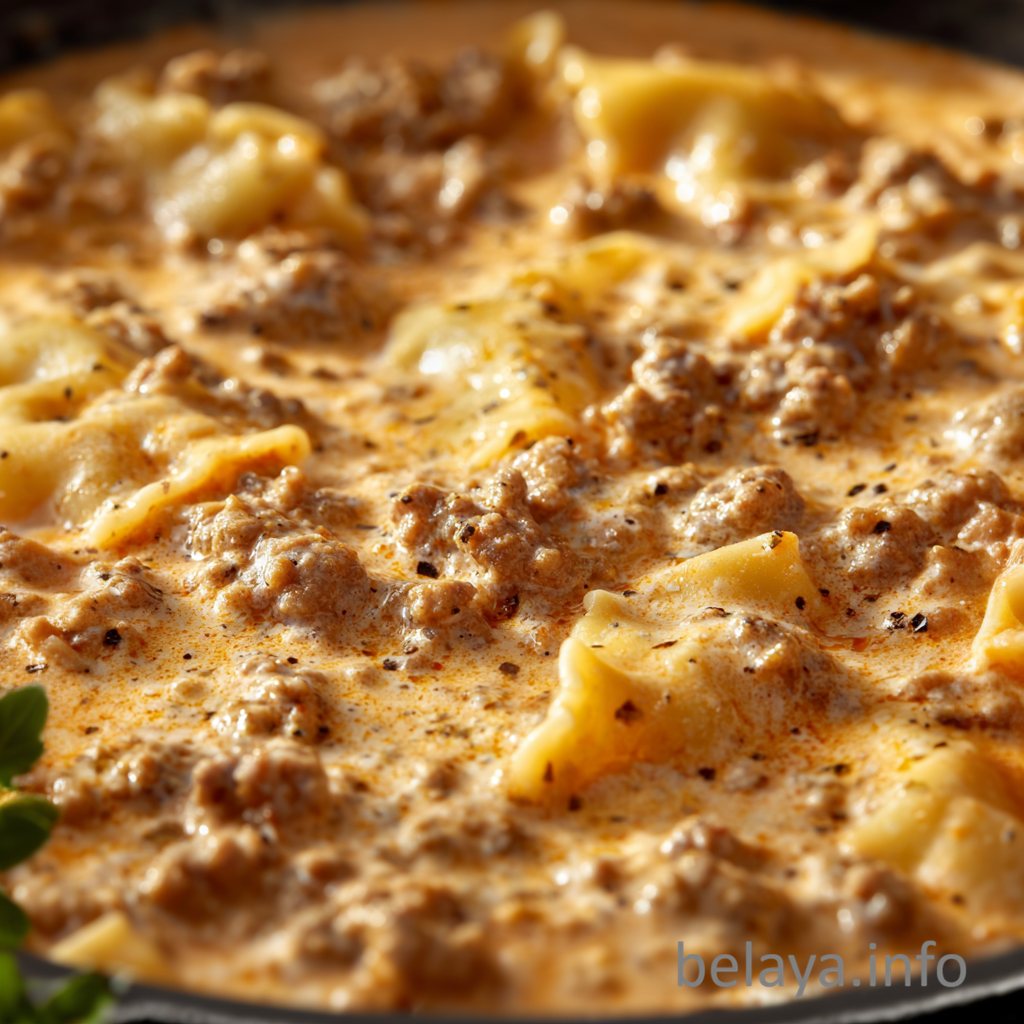
Homemade Hamburger Helper Lasagna is the perfect blend of convenience and comfort, transforming a nostalgic classic into a richer, more satisfying homemade dish.
It captures all the flavors of traditional lasagna—savory beef, creamy sauce, and melted cheese—but simplifies the process into a single skillet meal that’s both approachable and deeply comforting.
What makes this recipe stand out is its balance of simplicity and depth. The pasta cooks directly in a flavorful, seasoned broth and milk mixture, absorbing every layer of taste, while the melted mozzarella brings everything together into a creamy, cohesive dish. It’s warm, hearty, and designed for real life—quick enough for busy nights, yet satisfying enough to feel like a complete, home-cooked meal.
Why People Will Love Homemade Hamburger Helper Lasagna
All the flavors of classic lasagna with half the effort
It delivers the rich, comforting taste of traditional lasagna without layering or baking, making it accessible and time-saving.
One-pan convenience with minimal cleanup
Everything cooks in a single skillet, reducing dishes and simplifying the entire cooking process—perfect for busy days.
Creamy, cheesy, and deeply satisfying
The combination of milk, tomato, and melted mozzarella creates a velvety sauce that coats every bite of pasta and beef.
Pasta cooked directly in the sauce for maximum flavor
Unlike traditional methods, the pasta absorbs the seasoned broth and spices as it cooks, resulting in a more flavorful dish.
Quick enough for weeknights, hearty enough for comfort meals
It strikes the perfect balance between speed and satisfaction, making it ideal for both quick dinners and cozy meals.
Family-friendly and widely appealing
The familiar flavors and creamy texture make it a hit with both kids and adults.
Customizable to taste and pantry
You can adjust spices, swap pasta shapes, or add vegetables to make it your own without losing its core appeal.
Rich, balanced flavor profile
The mix of herbs, tomato, and savory beef creates depth, while a touch of sugar rounds out acidity for a smoother taste.
Comfort food that feels homemade, not processed
It recreates the nostalgic feel of boxed meals but with fresher ingredients and better flavor.
Perfect texture in every bite
Tender pasta, juicy beef, and melted cheese come together for a cohesive, satisfying consistency.
Great for leftovers
The flavors deepen over time, making it just as delicious—if not better—the next day.
Flexible serving options
Enjoy it on its own, with a side salad, or with bread for a complete and comforting meal.
Key Ingredients
Lean Ground Beef (1 lb)
The heart of the dish. It provides rich, savory depth and protein, forming the base flavor that carries the entire recipe.
Chicken Broth (2 cups)
Adds a light, savory liquid that enhances the sauce without overpowering it. It helps cook the pasta while infusing it with flavor.
Tomato Paste (2 tablespoons)
A concentrated source of tomato flavor. It gives the dish depth, richness, and that signature “lasagna-style” taste.
Milk (2 cups)
Creates a creamy, velvety sauce. It balances the acidity of the tomato paste and gives the dish a smooth, comforting texture.
Mafalda Pasta or Broken Lasagna Noodles (2½ cups)
The structural component. These pasta shapes mimic traditional lasagna while allowing for faster, one-pot cooking.
Mozzarella Cheese (1 cup, shredded)
Brings everything together with a creamy, melty finish. It adds richness and that classic stretchy texture associated with lasagna.
Dried Herbs (Oregano & Basil)
Provide warmth and aromatic depth, giving the dish its Italian-inspired flavor profile.
Onion Powder & Garlic Powder
Add savory background notes without the need for fresh chopping, keeping the recipe quick and simple.
Sugar (½ teaspoon)
A small but important ingredient that balances the acidity of the tomato paste, creating a smoother, more rounded flavor.
Salt & Black Pepper (to taste)
Essential for enhancing and tying together all the flavors in the dish.
Balance of Creamy + Savory + Tomato Base
The key to this recipe is harmony—rich beef, creamy milk, and concentrated tomato flavors blending into a cohesive, comforting meal.
Expert Tips
Brown the beef properly for maximum flavor
Let the beef sit undisturbed for a minute or two before stirring to develop a deeper, caramelized flavor. This builds the foundation of the dish.
Don’t skip draining excess fat if needed
Too much grease can make the final dish heavy and oily. Remove excess fat to keep the sauce balanced and clean-tasting.
Cook tomato paste briefly for depth
Let the tomato paste cook for a minute in the pan before adding liquid. This enhances its flavor and removes any raw taste.
Use low heat when adding milk
Milk can curdle if exposed to high heat. Always reduce the heat before adding it and keep cooking at a gentle simmer.
Stir occasionally, not constantly
Stir enough to prevent sticking, but not so much that the pasta breaks apart. Gentle stirring helps maintain texture.
Keep the pasta submerged while cooking
Ensure all pasta is covered by liquid so it cooks evenly and absorbs flavor properly.
Adjust liquid if needed during cooking
If the mixture looks too dry before the pasta is done, add a splash of broth or milk to maintain a creamy consistency.
Cook pasta to just al dente
Slightly firm pasta will continue to soften as it rests. Overcooking can lead to a mushy texture.
Let it rest after adding cheese
Cover and let the dish sit off heat for a few minutes. This allows the cheese to melt evenly and the sauce to thicken.
Use freshly shredded mozzarella for best melt
Pre-shredded cheese may not melt as smoothly due to anti-caking agents. Fresh cheese gives a creamier finish.
Taste and adjust seasoning at the end
Once everything is combined, check salt and pepper levels. The flavors develop as it cooks, so final seasoning is important.
Control thickness to your preference
If you prefer a thicker dish, let it sit longer uncovered. For a creamier texture, add a bit more milk.
Avoid high heat throughout the process
Gentle cooking ensures the sauce stays smooth and prevents ingredients from separating.
Customize without breaking the recipe
You can add vegetables or spices, but keep the liquid ratio consistent to maintain the correct texture.
Homemade Hamburger Helper Lasagna
Ingredients
1 pound lean ground beef
2 cups chicken broth or stock
2 tablespoons tomato paste
1 teaspoon onion powder
1/2 teaspoon garlic powder
1 teaspoon dried oregano
1 teaspoon dried basil
1/2 teaspoon granulated sugar
2 cups milk
2 1/2 cups uncooked Mafalda pasta (or broken lasagna noodles)
1 cup mozzarella cheese, shredded
Kosher salt and freshly ground black pepper, to taste
Instructions
Cook the beef
Heat a deep skillet over medium-high heat.
Add the ground beef and cook until fully browned, breaking it up as it cooks.
Drain any excess grease if necessary.
Build the sauce base
Add the tomato paste, chicken stock, onion powder, garlic powder, oregano, basil, sugar, salt, and pepper to the skillet.
Stir well to combine.
Simmer and reduce
Bring the mixture to a boil, then let it cook for about 5 minutes, allowing the liquid to reduce slightly and the flavors to concentrate.
Add pasta and milk
Lower the heat and briefly take the pan off the burner.
Stir in the dry pasta and milk until evenly mixed.
Cook the pasta gently
Return the skillet to the stove, cover, and cook over low heat for about 10 minutes, or until the pasta is tender (al dente).
Keep the heat low to prevent the milk from curdling.
Finish with cheese
Remove the skillet from the heat, stir in the shredded mozzarella, then cover and let it sit until the cheese melts completely.
Serve and enjoy
Once the cheese is fully melted and creamy, give it a gentle stir and serve warm.
Important Notes When Making Homemade Hamburger Helper Lasagna
Heat control is critical when using milk
Milk can easily curdle if overheated. Always keep the heat at low to medium-low once milk is added to maintain a smooth, creamy sauce.
Pasta absorbs liquid quickly—timing matters
The pasta cooks directly in the sauce, so it will absorb both flavor and moisture. Overcooking can lead to a dry or overly thick dish.
Liquid balance determines final texture
Too little liquid = dry, sticky pasta
Too much liquid = soupy consistency
The goal is a creamy, cohesive sauce that coats the pasta evenly.
Stirring technique affects pasta integrity
Stir gently and occasionally. Aggressive stirring can break the pasta, especially softer shapes like Mafalda or broken lasagna noodles.
Tomato paste needs proper integration
It should be fully dissolved and cooked into the liquid to avoid concentrated pockets of flavor.
Cheese melting happens off heat for best results
Adding mozzarella after removing from heat prevents overcooking and ensures a smooth, stretchy texture instead of a rubbery one.
The dish thickens as it rests
It may appear slightly loose when cooking, but it will firm up as it cools. Avoid over-reducing the liquid too early.
Flavor develops as ingredients cook together
Because everything cooks in one pan, each component contributes to a unified, well-rounded taste.
Salt levels depend on broth and cheese
Chicken broth and mozzarella can already contain salt. Taste before adding extra to avoid over-seasoning.
Pasta shape affects cooking time and texture
Smaller or thinner pasta cooks faster, while thicker pieces may need a bit more time and liquid.
One-pan method requires attention to prevent sticking
Pasta can stick to the bottom if left unattended. Occasional stirring and proper heat control help prevent this.
Best served fresh for optimal creaminess
While leftovers are good, the texture is at its peak right after cooking—creamy, smooth, and cohesive.
Reheating requires added moisture
When reheating, add a splash of milk or broth to restore the creamy consistency.
Flexibility with ingredients—but keep ratios stable
You can customize flavors, but changing liquid or pasta amounts too much can affect the final texture.
How to Enjoy Homemade Hamburger Helper Lasagna After Cooking
Let it rest briefly before serving
After cooking, allow the dish to sit for 5–10 minutes. This helps the sauce thicken and cling better to the pasta.
Serve warm for the best texture
The dish is at its peak when hot—the cheese is melted, the sauce is creamy, and the flavors are fully developed.
Scoop from the bottom for balanced servings
Make sure each serving includes pasta, beef, and sauce together for the perfect combination in every bite.
Add a fresh finishing touch
Sprinkle fresh herbs like parsley or a little extra cheese on top to brighten the dish and enhance presentation.
Pair with light sides for balance
Serve alongside a simple salad or steamed vegetables to contrast the richness of the pasta.
Enjoy with bread for a complete meal
Crusty bread or garlic bread is perfect for soaking up the creamy, flavorful sauce.
Customize each serving if desired
Add crushed red pepper, extra cheese, or black pepper to adjust flavor based on personal preference.
Reheat properly to maintain creaminess
When reheating, add a splash of milk or broth and warm gently to restore the original texture.
Turn leftovers into a new dish
Use leftovers as a filling for baked casseroles or stuffed vegetables for variety.
Serve family-style for comfort dining
Bring the skillet directly to the table and let everyone serve themselves for a relaxed, shared experience.
Enjoy the creamy and savory contrast
Take time to notice how the tender pasta, rich beef, and melted cheese come together—it’s the essence of comfort food.
Best enjoyed fresh, but still great later
While it’s most creamy right away, the flavors deepen over time, making leftovers equally satisfying.
Nutrition Information:
Serving size: about 1½ cups
Total yield: ~7–9 cups of pasta
Calories: 420–480 kcal | Total Fat: 18 g | Saturated Fat: 8 g | Monounsaturated Fat: 7 g | Polyunsaturated Fat: 1.5 g | Cholesterol: 70 mg | Sodium: 600–750 mg (depending on broth and cheese) | Total Carbohydrates: 40 g | Dietary Fiber: 2.5 g | Sugars: 6 g | Protein: 25 g
Frequently Asked Questions
Can I use a different type of pasta?
Yes. While Mafalda or broken lasagna noodles mimic traditional lasagna texture, you can use penne, rotini, or shells. Just adjust cooking time slightly based on the pasta shape.
Can I substitute ground beef with another protein?
Absolutely. Ground turkey, chicken, or even plant-based alternatives work well. Each will slightly change the flavor and fat content.
Why is milk used instead of just broth?
Milk creates a creamy, rich sauce that balances the tomato paste and gives the dish its signature “lasagna-like” texture.
Can I add vegetables to this recipe?
Yes. Ingredients like spinach, mushrooms, or bell peppers can be added to boost nutrition and flavor without changing the core structure.
How do I store and reheat leftovers?
Store in an airtight container in the refrigerator for up to 3–4 days. Reheat gently with a splash of milk or broth to restore the creamy consistency.
Why did my milk curdle during cooking?
This usually happens if the heat is too high. Always lower the heat before adding milk and keep it at a gentle simmer—never a rapid boil.
How do I know when the pasta is perfectly cooked?
The pasta should be al dente—tender but slightly firm in the center. It will continue to soften slightly as the dish rests.
What should I do if the mixture becomes too thick while cooking?
Add a small amount of milk or broth and stir gently. The pasta absorbs liquid quickly, so adjusting moisture is normal.
Why is my dish too watery at the end?
This can happen if there’s too much liquid or the pasta hasn’t absorbed enough yet. Let it simmer a bit longer uncovered or allow it to rest to thicken.
When should I add the cheese for the best texture?
Always add mozzarella after removing the pan from heat. This allows it to melt smoothly without becoming rubbery or overcooked.